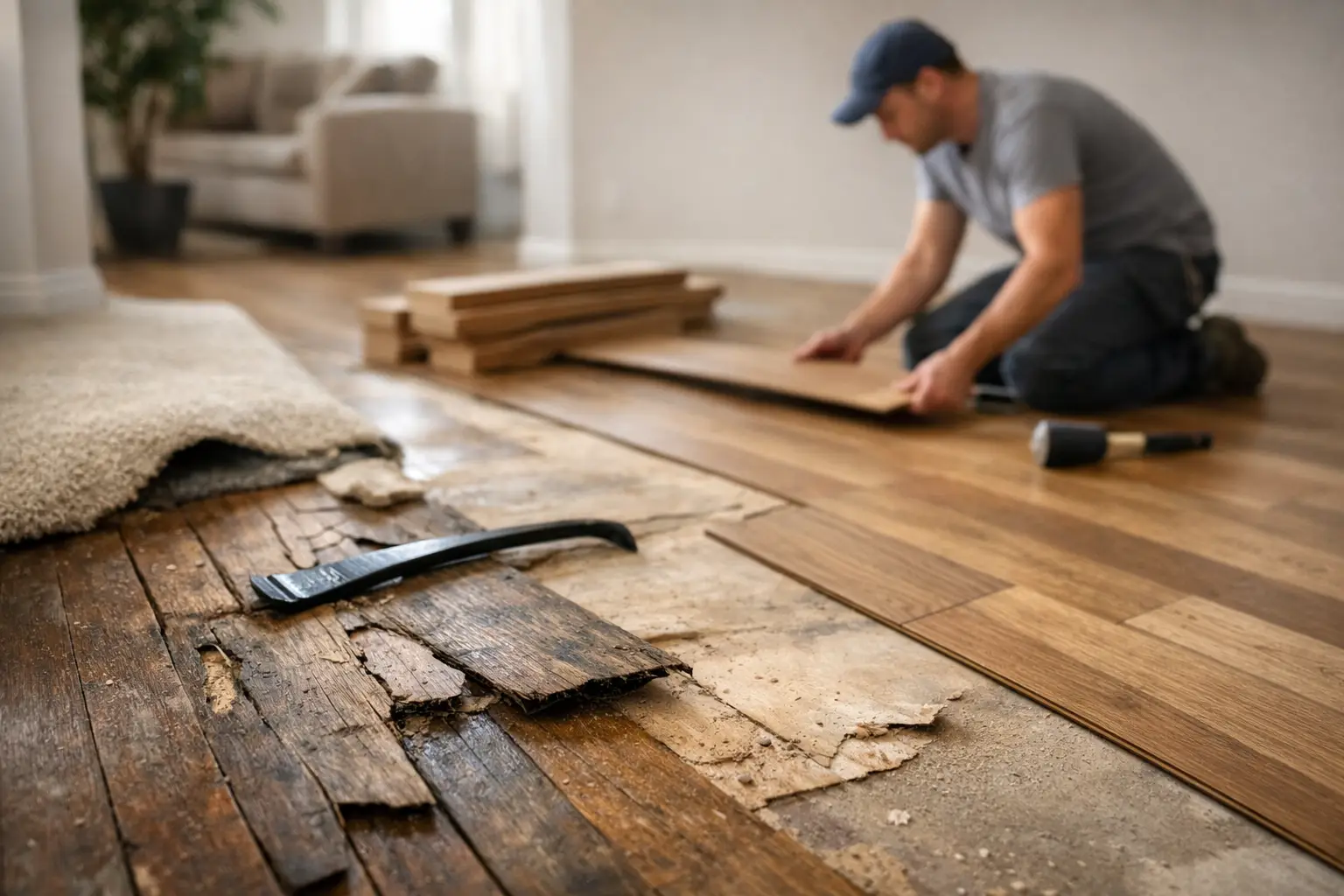
A flooring decision can either protect a turnover schedule or create another maintenance call six months after move-in. When deciding between carpet or vinyl plank for a rental property, property managers need to look beyond initial appearance. The right choice depends on the unit type, resident profile, building rules, subfloor condition, expected hold time, and the operational cost of maintaining the floor between tenants.
For Southern California multifamily and commercial properties, both materials have a place. Carpet can improve comfort and sound control in the right rooms. Luxury vinyl plank, often called LVP, can simplify cleaning and deliver a durable, consistent look across a portfolio. The best answer is rarely one material for every space.
Carpet or Vinyl Plank: Start With the Turnover Plan
A unit turnover is not just a cosmetic refresh. It is a race to return a clean, safe, rent-ready home to the market without compromising workmanship. Flooring affects that timeline because it influences demolition, surface preparation, installation, cleaning, repair options, and future maintenance.
Vinyl plank usually has an advantage in high-turnover units. It is easier to sweep, mop, inspect, and photograph for leasing. When it is installed consistently throughout a unit, maintenance teams can quickly identify damage and determine whether a plank-level repair or a larger replacement is needed. Its hard surface also avoids the drying time and uncertainty that can follow a heavily soiled carpet cleaning.
Carpet may still be the faster option in a room where the subfloor is not ready for hard-surface flooring or where noise requirements are a priority. However, the actual timeline depends on what is underneath. Installing either material over moisture-damaged concrete, uneven subfloors, adhesive residue, or unresolved leaks will create a recurring problem rather than a finished turnover.
The practical question is not simply which flooring installs faster. It is which option creates the fewest repeat visits over the life of the unit.
Where Vinyl Plank Makes the Most Sense
Vinyl plank is a strong fit for entry areas, living rooms, dining spaces, kitchens, hallways, and ground-floor units where spills, shoes, pets, and frequent cleaning are expected. Its visual consistency also helps owners create a more updated presentation across a building without relying on room-by-room carpet replacement.
For property managers, the maintenance case is straightforward. Hard-surface floors allow teams to see dirt, water, scratches, and damage quickly. They also support efficient cleaning after move-out, especially when a unit needs to be shown shortly after turnover work is complete.
Durability is a meaningful benefit, but it should be viewed realistically. Vinyl plank is water-resistant or waterproof depending on the product and installation system, yet the flooring alone does not solve moisture problems. Water can still enter at walls, transitions, damaged seams, or below the flooring. A plumbing leak, overflowing appliance, or slab moisture issue requires prompt investigation and proper drying - not just a new floor covering.
Vinyl plank is also not indestructible. Heavy furniture, rolling loads, sharp objects, and poor subfloor preparation can lead to dents, separated joints, telegraphing imperfections, or edge damage. Selecting a commercial-grade product and preparing the surface correctly matter as much as choosing the color.
Vinyl Plank for Common Areas and Commercial Spaces
In corridors, leasing offices, small retail spaces, and other commercial areas, vinyl plank can offer a clean, cohesive appearance with easier daily upkeep than carpet. It is particularly useful where the flooring must tolerate frequent foot traffic and regular wet cleaning.
That said, a commercial environment may require a product with greater wear resistance than a typical residential-grade plank. Installation details also matter at doorways, transitions, baseboards, and high-traffic entrances. These are the locations where shortcuts become visible first.
When Carpet Is Still the Better Choice
Carpet remains a practical choice for bedrooms and certain upper-floor apartments. Its main advantages are comfort, warmth, and sound absorption. In a multi-unit building, that sound control can affect resident satisfaction and reduce complaints related to footsteps, dropped items, and everyday activity overhead.
For an owner or HOA board, carpet may also help meet established flooring policies. Many condominium communities require approved underlayment or specific floor-covering standards for upper-level units to limit noise transfer. Replacing carpet with vinyl plank without reviewing HOA rules can create compliance issues, resident disputes, or costly corrective work later.
Carpet can also be a smart choice in properties serving residents who value a quieter, softer bedroom environment. It does not need to cover every room to deliver that benefit. A common portfolio strategy is vinyl plank in living areas and carpet in bedrooms, giving the unit a durable main surface while retaining comfort where residents expect it.
The trade-off is maintenance. Carpet can hold odors, stains, pet hair, allergens, and moisture. Professional cleaning can extend its useful life, but severe staining or contamination may make replacement the more reliable turnover decision. A patch is sometimes possible, although dye-lot variation, sun fading, and discontinued styles can make a repair obvious.
Noise Control, Safety, and Building Requirements
Flooring choices should be evaluated against the building, not just the unit. Upper-level apartments, condos, and mixed-use buildings often require more attention to acoustics than ground-floor rentals. Vinyl plank can transmit more impact sound than carpet unless the assembly includes suitable underlayment and meets the property’s requirements.
Do not assume that an attached pad or underlayment will solve every sound concern. Building construction, ceiling assemblies, subfloor type, and HOA regulations all influence performance. Before approving a hard-surface flooring change, confirm the applicable rules and document the specified materials.
Safety matters as well. Flooring should be secure, level, and properly transitioned between rooms. Loose edges, raised planks, curled carpet seams, and uneven thresholds create trip hazards that can expose an owner or manager to avoidable liability. The condition of the subfloor should always be part of the scope.
A Portfolio-Based Way to Decide
Rather than choosing carpet or vinyl plank based on a single vacant unit, establish a flooring standard by property type. A consistent standard improves purchasing, scheduling, maintenance training, make-ready inspections, and future repairs. It also gives leasing teams a more predictable product to market.
For a value-add apartment community, vinyl plank in common living areas with carpeted bedrooms may support an attractive, durable finish. For furnished units, pet-friendly rentals, or properties with frequent resident turnover, vinyl plank in most rooms may reduce cleaning complexity. For upper-story condos governed by strict sound rules, carpet or an approved acoustic flooring system may be necessary.
Before selecting either material, review these operational factors together:
- Expected traffic, pets, children, and likely spill exposure
- Upper-floor noise requirements and HOA or building policies
- Subfloor moisture, flatness, prior water damage, and needed repairs
- Availability of matching materials for future spot repairs
- Cleaning expectations, vacancy targets, and maintenance staffing
This approach prevents a short-term flooring decision from becoming a long-term operating issue.
Installation Quality Determines the Real Value
The most durable flooring product can still fail when preparation is rushed. Existing flooring must be removed appropriately, moisture concerns must be addressed, and the subfloor must meet the installation requirements for the selected material. Skipping these steps can lead to loose planks, gaps, visible subfloor imperfections, carpet wrinkles, odors, and early replacement.
For properties that have experienced a leak or flooding event, flooring should not be installed until the source is repaired and the affected materials are properly assessed and dried. Surface-level improvements can hide a problem temporarily, but trapped moisture can damage the flooring system and affect the unit’s condition later.
Working with a trusted general contractor that can coordinate water damage response, repairs, flooring installation, and turnover work reduces handoffs during a critical vacancy period. V&S Management Services Inc. supports this kind of single-source accountability for multifamily and commercial property teams throughout Southern California, with fully licensed, bonded, and insured service.
The right floor is the one that supports your building’s rules, your residents’ needs, and your team’s ability to turn units reliably. Choose the material with the full operating picture in mind, then make sure the installation is built to last.