A unit can look presentable at first glance and still be nowhere near ready for a new resident, a showing, or a final owner inspection. That is the operational difference behind deep cleaning versus standard cleaning. For property managers and multi-unit owners, choosing the correct scope is not a housekeeping preference. It affects turnover timelines, maintenance planning, resident satisfaction, and the long-term condition of the asset.
Standard cleaning keeps an occupied or regularly serviced property in order. Deep cleaning resets a space that has accumulated buildup, wear, odors, residue, or hidden sanitation issues. Both services matter. The right choice depends on the unit’s condition, occupancy status, building use, and what needs to happen next.
Deep Cleaning Versus Standard Cleaning: The Core Difference
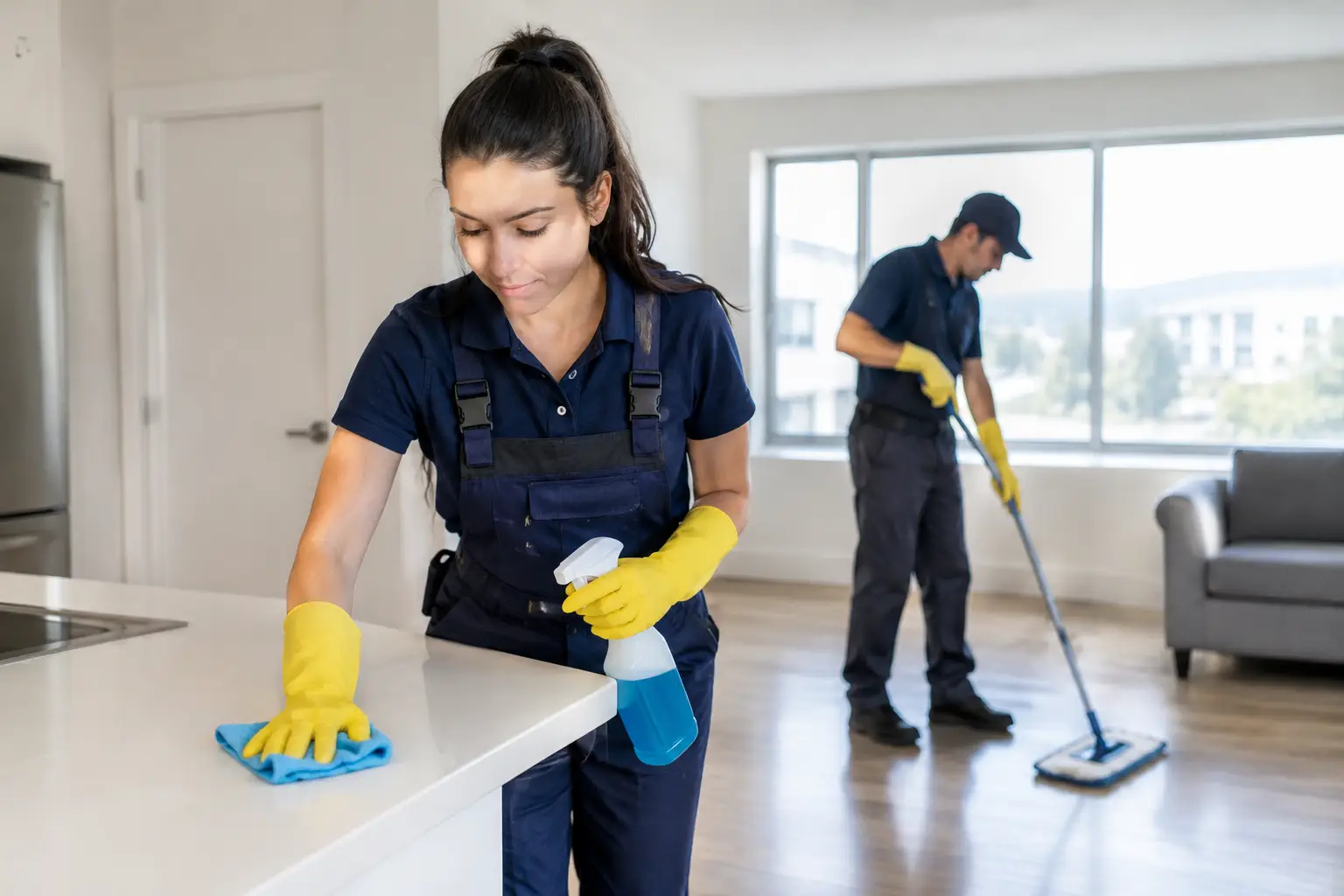
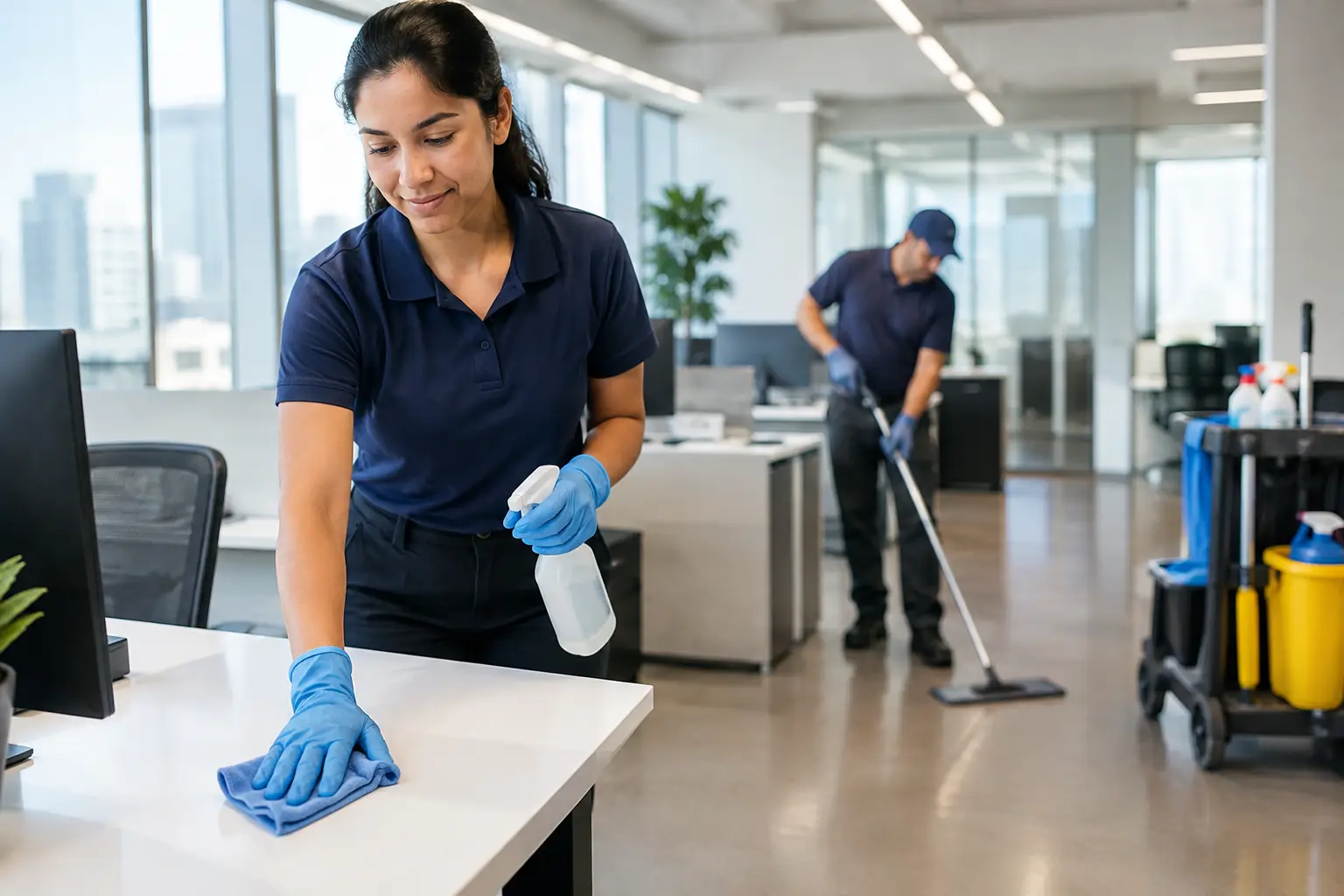
Standard cleaning is recurring maintenance. Its purpose is to maintain a consistently clean, professional environment between more intensive service visits. In an occupied apartment community, office, common area, or commercial property, this work typically addresses visible dirt and routine use.
A standard service commonly includes vacuuming and mopping accessible floors, wiping counters and surfaces, cleaning sinks and toilets, removing trash, dusting reachable areas, and addressing light kitchen and bathroom cleaning. It is an efficient approach when the property is already in good shape and needs regular upkeep.
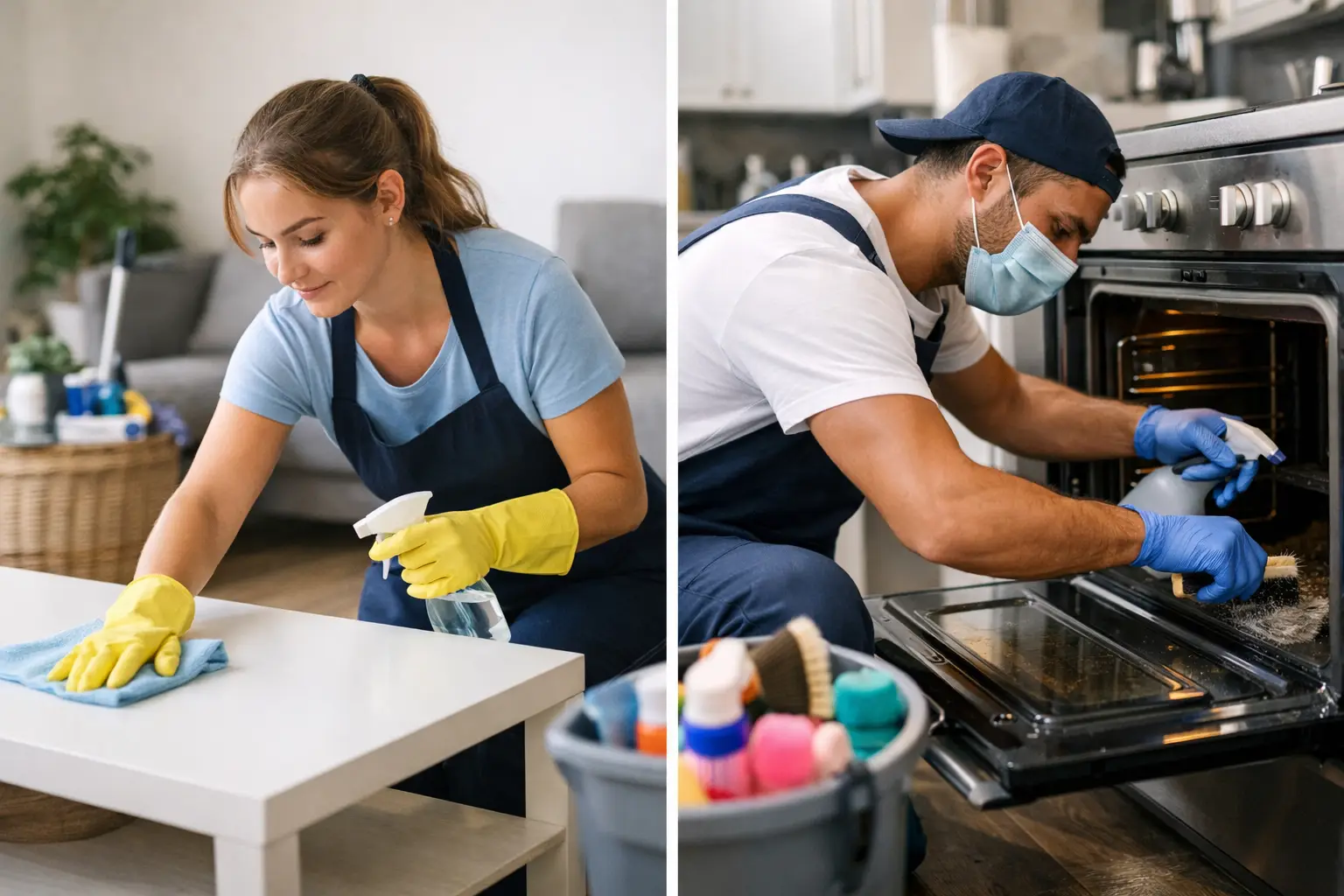
Deep cleaning is corrective and detail-focused. It reaches areas that routine service does not typically cover, especially where grease, soap scum, mineral deposits, dust accumulation, odors, and tenant turnover residue have had time to build up. The objective is to restore the space to a much higher baseline before ongoing maintenance resumes.
For example, a deep clean may include detailed cleaning inside cabinets and drawers, baseboards, doors and frames, blinds, vents, appliance interiors and exteriors, grout lines, shower walls, light fixtures, and hard-to-reach floor edges. The exact scope should always be confirmed before work begins. A vacant studio with light use requires a different plan than a multi-bedroom unit with years of deferred cleaning.
When Standard Cleaning Is the Right Operational Choice
Standard cleaning works best when the property is occupied, regularly maintained, and free of major buildup or damage. For an HOA clubhouse, leasing office, common hallway, or actively occupied commercial space, consistency often matters more than a full reset every visit.
It also makes sense after a deep clean has already brought a unit or space back to a clean baseline. Regular service helps preserve that result, making future turnovers less labor-intensive and reducing the likelihood that minor issues become larger restoration projects.
For property teams, standard cleaning should be viewed as part of preventive maintenance. Dust in vents, spills on flooring, neglected restrooms, and recurring kitchen residue can affect the appearance of a building quickly. A reliable recurring schedule keeps shared spaces ready for residents, guests, vendors, and prospective tenants without disrupting daily operations.
That said, standard cleaning is not designed to solve every problem. If a cleaner must spend most of a scheduled visit fighting grease behind appliances, scrubbing stained grout, removing heavy odors, or addressing long-neglected cabinets, the property likely needs a deep-cleaning scope first.
Signs a Unit Needs Deep Cleaning
Vacancy is often the clearest trigger, but it is not the only one. A unit may require deep cleaning after a long-term tenancy, following renovation work, before listing a property for sale, or when a routine inspection reveals conditions that standard service cannot reasonably correct.
Common signals include persistent odors, visible buildup around fixtures, grease on kitchen surfaces, dusty blinds and vents, stained grout, residue inside appliances, and dirt along baseboards or behind movable fixtures. In multi-unit properties, these details can influence how quickly a leasing team can market a unit and how confidently a new resident can move in.
Deep cleaning is also valuable after construction or flooring work, although post-construction cleanup may need a separate, more specialized scope. Fine dust can settle into vents, cabinet interiors, windowsills, and floor transitions. Cleaning should be scheduled after major work is complete, but before final quality control and turnover photos. Otherwise, one trade can undo another team’s finished work.
Water events create another exception. If a unit has experienced a leak, overflow, or flooding, cleaning alone may not be sufficient. Materials may need moisture assessment, drying, removal, or repair before the unit can be safely cleaned and returned to service. Treating water damage as a surface-cleaning issue can allow hidden conditions to worsen.
Scope Matters More Than the Service Name
The terms “standard” and “deep” are useful, but they should never replace a documented scope of work. Property managers need clarity on what is included, what condition the unit is in, and whether cleaning is being performed before or after repairs.
A practical turnover walkthrough should identify cleaning needs alongside maintenance items. A dirty oven, damaged vinyl plank, leaking supply line, stained carpet, and chipped cabinet door may all be present in the same unit. Sending separate vendors without coordination can create repeat visits, schedule conflicts, and avoidable vacancy days.
The most efficient sequence is usually assessment first, repairs and restoration second, then cleaning after dust-producing work is finished. Flooring replacement, paint touch-ups, plumbing repairs, and appliance servicing should be considered before final cleaning whenever possible. The final clean then supports a true rent-ready presentation rather than becoming an extra step that must be repeated.
This is where a single-source property partner can make a measurable difference. V&S Management Services Inc. coordinates cleaning, maintenance, flooring, remodeling, and urgent water damage restoration so property teams have one accountable point of contact across the turnover process. For busy portfolios, that means fewer handoffs and clearer responsibility from initial walkthrough to final readiness.
How Cleaning Decisions Affect Vacancy and Asset Value
A rushed cleaning decision may seem minor compared with repairs or renovations, but it has visible consequences. Prospective residents notice kitchen appliances, bathroom grout, flooring edges, cabinet interiors, and lingering odors immediately. These are often the details that signal whether a property has been cared for.
Deep cleaning can protect finishes when it is performed at the right time and with the right methods. Built-up residue can dull surfaces, stain grout, damage flooring coatings, and make appliances harder to restore. On the other hand, aggressive cleaning methods used on the wrong material can also cause harm. Property teams should ensure cleaning practices match the flooring, countertop, fixture, and appliance materials in the unit.
There is also a timing trade-off. A deep clean requires more labor than routine service, so it should be scheduled intentionally. Waiting until the day before a move-in or inspection creates unnecessary pressure. Building realistic cleaning time into turnover planning gives teams room to address findings without delaying the next resident.
A Better Way to Plan Turnover Cleaning
The strongest cleaning plan starts before the former resident has fully exited. During pre-move-out inspections, document visible conditions and separate ordinary maintenance needs from likely deep-cleaning items. This gives managers a clearer picture of the required scope and helps prioritize work after possession is returned.
Once the unit is vacant, confirm whether repairs, painting, flooring, or water-damage work must happen before cleaning. Then schedule the final clean after those tasks are complete. A final walkthrough should check not only whether the unit looks clean, but whether it is ready to show, photograph, and hand over.
For recurring common-area service, establish a standard-cleaning schedule that reflects actual traffic, not an arbitrary calendar. A quiet professional office, busy apartment lobby, shared laundry room, and HOA fitness center all experience different levels of use. Adjusting service frequency based on conditions protects appearance while using resources responsibly.
The right cleaning scope is ultimately the one that supports the next business objective: a smooth move-in, a successful showing, a safe common area, or a properly restored unit after repairs. When cleaning is planned as part of property operations rather than treated as a last-minute task, it becomes one more way to reduce turnover friction and protect the condition residents and owners expect.