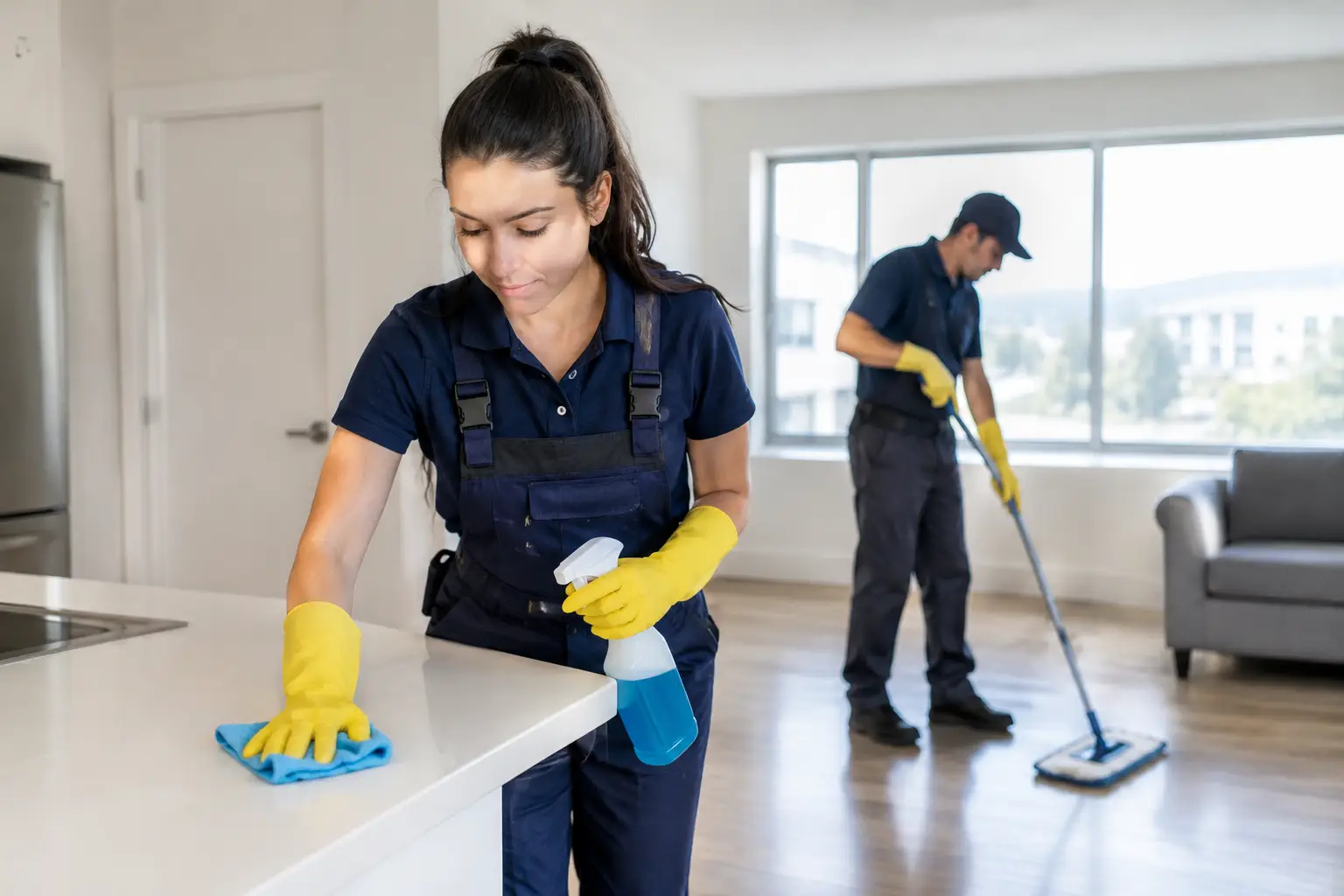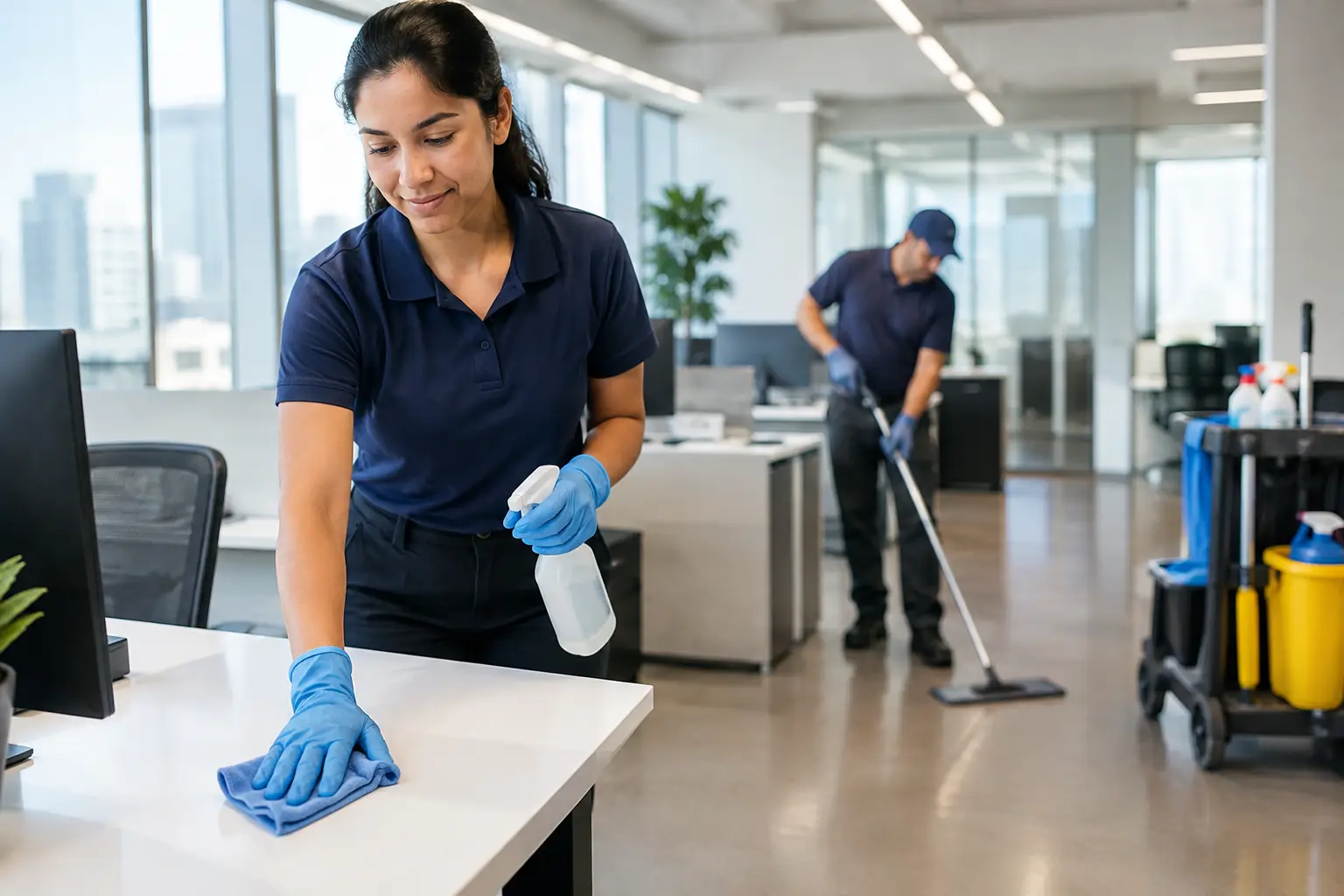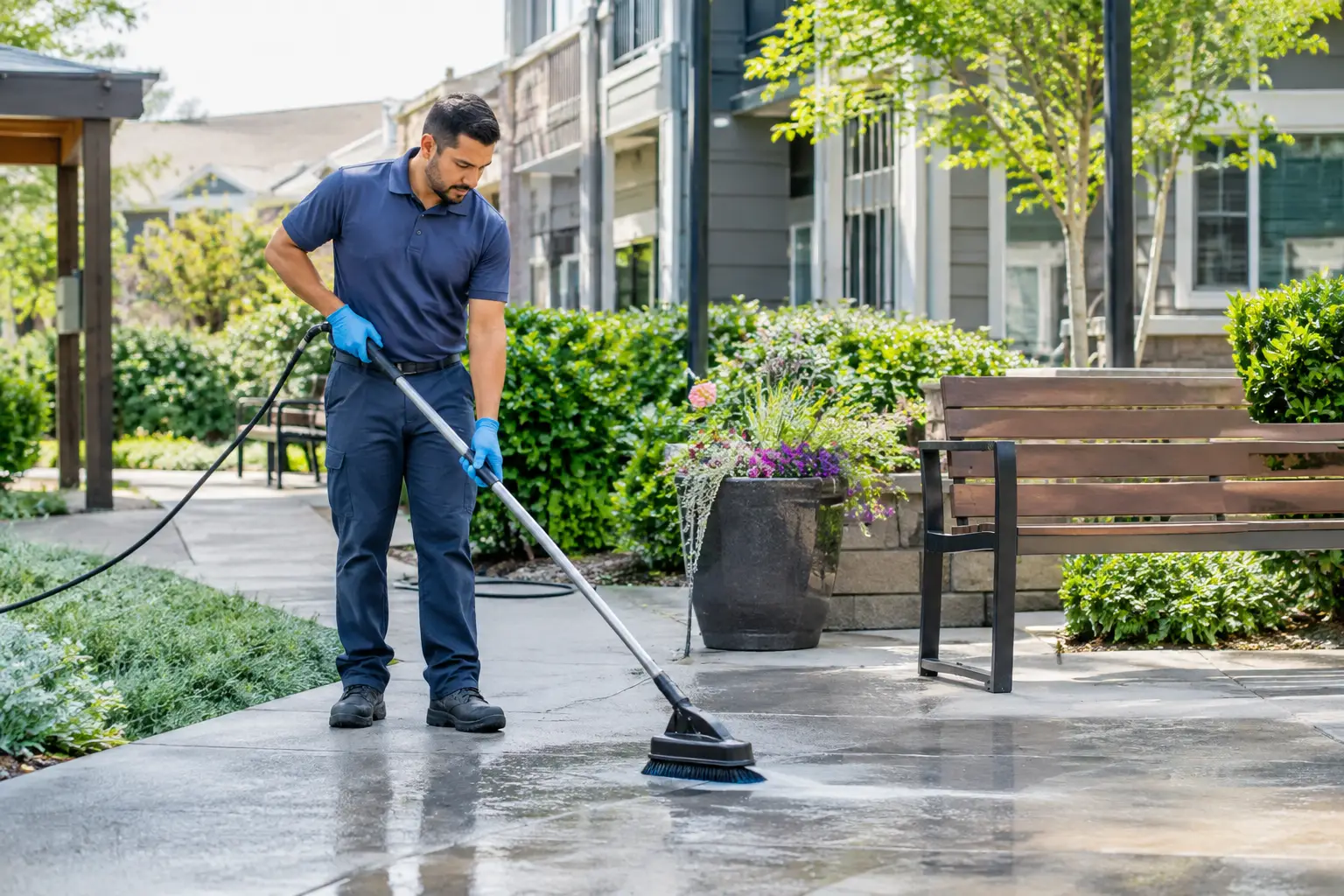
A stained entry carpet, overflowing waste enclosure, or slippery walkway can become a board issue faster than a missed landscape trimming. HOA common area cleaning is not simply a matter of appearance. It is a visible part of property stewardship that affects resident confidence, safety exposure, maintenance costs, and the long-term condition of shared assets.
For HOA boards and property managers, the challenge is rarely deciding that cleaning matters. The real work is setting a clear standard, assigning responsibility, and making sure the work is completed consistently without creating another vendor-management burden. A reliable cleaning plan protects the community while giving managers documentation and accountability when questions arise.
What HOA Common Area Cleaning Should Cover
Common areas are the spaces residents, guests, delivery providers, and prospective buyers see first. Their condition shapes the perceived value of the entire community. The right scope depends on the property, but it should be based on actual use patterns rather than a generic checklist.
In a condominium or apartment-style community, routine service may include lobbies, corridors, elevators, stairwells, laundry rooms, mail areas, clubhouses, fitness rooms, leasing areas, restrooms, parking structures, trash rooms, and exterior walkways. In townhome or single-family HOA communities, cleaning may center on clubhouses, pool decks, gates, sidewalks, community restrooms, management offices, and waste collection areas.
Each space has different demands. A high-traffic lobby may need attention several times per week, while a little-used meeting room may only need scheduled service and cleaning before events. Pool-adjacent areas require particular attention because moisture, sunscreen residue, and heavy weekend traffic can create slip hazards and wear down finishes quickly.
Cleaning should also be coordinated with maintenance. If a cleaner repeatedly finds water around a stairwell, a damp ceiling tile, or mildew near a common restroom, that is not just a cleaning issue. It may indicate a plumbing leak, roof problem, failed drainage, or ventilation concern that needs prompt correction.
Build a Cleaning Standard Residents Can See
A vague instruction such as “keep common areas clean” makes consistent results almost impossible. Boards should define what clean looks like for their property. That standard should address the condition of floors, glass, fixtures, restrooms, trash areas, touchpoints, and exterior surfaces, along with the frequency expected for each task.
The goal is not to over-service every square foot. It is to direct resources where they protect safety and property condition. A community with polished concrete corridors, for example, may need regular dust and debris removal but only periodic machine care. Carpeted hallways may require frequent vacuuming and scheduled spot treatment to prevent small stains from becoming permanent visual problems.
A practical standard also identifies tasks that require more than routine janitorial work. Pressure washing, carpet extraction, floor stripping and waxing, high-dusting, graffiti removal, odor treatment, and post-construction cleanup should be planned separately. These services often require specialized equipment, trained labor, and the right timing to avoid disrupting residents.
Match Frequency to Traffic and Risk
Cleaning schedules should respond to how residents use the community. An elevator used by dozens of households every day needs more attention than a locked storage corridor. Trash areas may require frequent inspections during move-in periods, holidays, or after landscaping work. Community rooms should be inspected before and after reservations, not only on a fixed weekly schedule.
Seasonal conditions matter across Southern California as well. Wind can quickly fill entries and walkways with dust and leaves. Rain can track dirt into lobbies and expose drainage problems. Summer pool use increases restroom and deck cleaning needs. A schedule that never changes with the season often misses the places that need the most attention.
Protect Safety, Not Just Curb Appeal
Cleaning has direct operational value when it reduces preventable hazards. Wet floors, loose debris, cluttered corridors, damaged mats, and poorly maintained stairwells can all create risks for residents and visitors. Regular inspection and prompt correction are especially important around entrances, elevators, ramps, pool areas, and parking structures.
Waste areas deserve close attention. Overflowing bins, discarded bulky items, and leaking bags can attract pests, create odors, and lead to resident complaints. They can also block access for collection crews. Cleaning personnel should know when to remove loose debris, when to report an illegal dump, and when a maintenance issue such as a broken enclosure gate needs a repair response.
A capable service partner should also understand the boundaries of cleaning work. If there is water intrusion, sewage backup, visible mold-like growth, or a hazardous spill, standard janitorial service may not be enough. The property manager needs a vendor who can communicate the condition clearly, secure the area when appropriate, and coordinate the right restoration or repair response without delay.
Create Accountability Without Micromanaging
The most effective HOA cleaning programs are built on simple, verifiable expectations. Property managers should receive service records that show when work occurred, what areas were addressed, and whether any issues need follow-up. Photos can be especially useful after special cleaning projects, storm cleanup, or recurring problem-area service.
Accountability works best when the vendor has one clear point of contact and the board or manager has one clear channel for requests. Residents should not be left trying to solve common-area issues themselves or guessing whether a concern has been reported. A consistent reporting process prevents minor conditions from turning into repeated complaints.
For recurring service, managers should periodically walk the property at different times of day. Early morning inspections can reveal overnight trash, entryway debris, and restroom conditions. Evening walks can show how common spaces hold up after resident use. These inspections do not need to become lengthy audits. They provide practical feedback on whether the current scope and frequency still fit the community.
Ask the Right Questions Before Selecting a Provider
A cleaning provider can be dependable only if its operational standards match the community’s needs. Before assigning ongoing work, boards and managers should confirm the provider is properly licensed where applicable, insured, bonded, and prepared to work within HOA rules and site requirements.
They should also ask how the provider handles staffing continuity, quality checks, after-hours access, emergency calls, resident-sensitive areas, and reports of damage or water intrusion. For communities with bilingual residents or on-site teams, English and Spanish communication can reduce misunderstandings and speed up issue resolution.
The lowest-effort arrangement is not always the lowest-quality arrangement. A provider that only cleans may be appropriate for a stable, low-maintenance property. But communities with frequent turnovers, aging infrastructure, recurring water issues, or renovation needs often benefit from a trusted general contractor that can connect cleaning observations to maintenance, restoration, flooring, or repair work. One accountable partner can reduce the handoffs that slow down property decisions.
Make Cleaning Part of Asset Protection
Deferred cleaning can quietly shorten the life of shared finishes. Dirt and grit wear down flooring. Standing water damages baseboards and surrounding materials. Neglected grout and caulking can make a space look older than it is. Trash-area buildup can stain concrete and create odors that are difficult to remove later.
The same principle applies to move-in and turnover periods. When common corridors, elevators, and entryways are not protected or cleaned after heavy moving activity, scuffs and debris accumulate quickly. Scheduling targeted service around known high-use events is often more effective than waiting for the regular cleaning day.
For HOA boards, this is where cleaning becomes part of a broader maintenance strategy. It preserves the daily experience of the community while helping protect finishes and infrastructure that are expensive to replace. It also gives management a clearer view of conditions that warrant repair before they become disruptive claims or larger projects.
V&S Management Services Inc. supports Southern California property professionals with coordinated cleaning, maintenance, restoration, and construction services backed by decades of hands-on experience. For boards managing multiple property needs, that single-source accountability can make routine care easier to manage and urgent issues faster to address.
A well-kept common area sends a practical message: this community is actively cared for. When cleaning standards are clear, service is documented, and maintenance concerns are reported early, residents see the difference long before a board meeting or inspection brings it to attention.