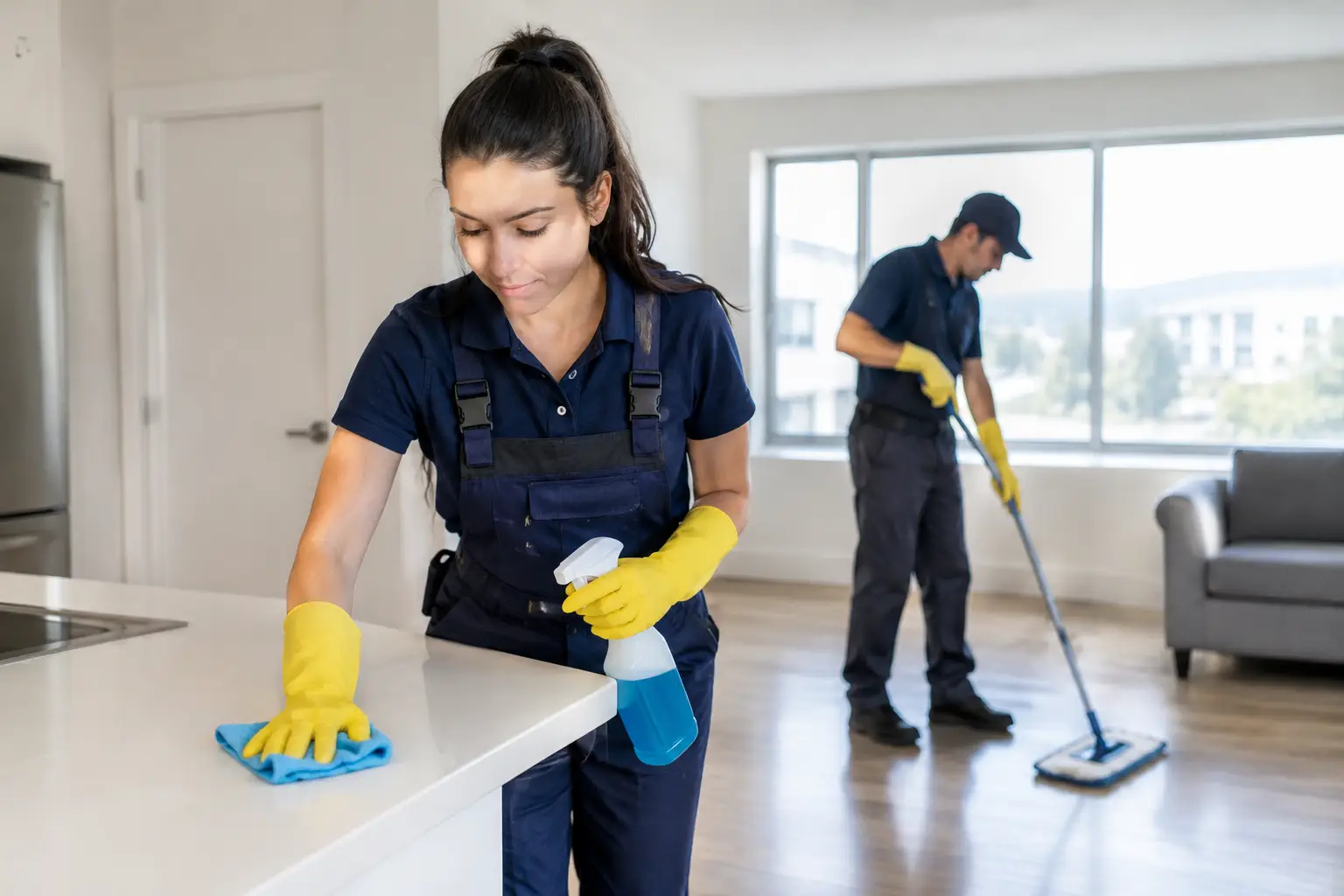

A deep clean should not begin with crews standing around, waiting for access, moving clutter, or guessing what stays and what goes. In a managed property, every hour matters. If you need to prepare home for deep cleaning, the goal is simple: remove avoidable delays, protect the unit, and create a clear path for fast, thorough work.
That matters even more in Southern California turnover cycles, where compressed schedules, vendor coordination, and rent-ready deadlines leave little room for preventable mistakes. A well-prepared unit gets cleaned more thoroughly because technicians can focus on soil, buildup, and sanitation - not basic staging issues that should have been handled before arrival.
Why preparation affects cleaning quality
Deep cleaning is not just routine housekeeping at a higher intensity. In vacant units, common areas, and commercial interiors, it usually means detailed attention to kitchens, baths, flooring edges, baseboards, interior glass, fixtures, vents, doors, and other high-touch or high-visibility surfaces. If the space is still crowded with loose items, maintenance debris, or unresolved work orders, the result is almost always slower production and inconsistent outcomes.
Preparation also affects liability. If valuables are left behind, if utilities are off, or if active leaks are still present, the cleaning scope can shift from straightforward service to a risk management problem. For property managers and real estate professionals, that creates avoidable back-and-forth and can push occupancy timelines further than expected.
Prepare home for deep cleaning by clearing the work area
The first priority is access. Deep cleaning crews need unobstructed entry to every area included in scope, especially kitchens, bathrooms, closets, appliance zones, window lines, and flooring transitions. If furniture remains, decide whether it will stay in place, be moved by another vendor, or be excluded from service. Assumptions here are what create change orders and delays.
Loose personal items should be removed before the cleaning date. That includes clothing, paperwork, small electronics, dishes, open food, and anything stored under sinks or inside cabinets if those interiors are part of the clean. In multifamily turnovers, leftover tenant belongings can turn a routine job into a disposal issue. It is better to resolve possession and disposal questions in advance than to force crews to pause on site.
Trash removal should also happen early. Heavy trash, abandoned furniture, and bagged debris take up floor space and can block corners and walls where dust and residue collect. If a unit needs both junk removal and deep cleaning, treat them as separate operational steps unless your vendor is specifically handling both.
Confirm what will be cleaned and what will not
A deep clean can mean different things depending on the property type and condition. One owner may expect wipe-downs and floor care, while another expects inside cabinets, inside appliances, hard water removal, and adhesive cleanup. Before the appointment, define the scope clearly.
This is especially important after move-outs, renovations, or maintenance work. Paint dust, drywall residue, caulk smears, and sticker adhesive require different time and materials than standard turnover cleaning. If the property has post-construction conditions, say so upfront. The right crew can plan for it, but only if they know what they are walking into.
Handle repairs before the cleaning crew arrives
Cleaning should usually come after repair work, not before it. If plumbers, electricians, flooring installers, painters, or handymen still need access, schedule those trades first whenever possible. Otherwise, freshly cleaned surfaces can be tracked over, scratched, or covered in dust within hours.
There are exceptions. In some large or phased projects, an initial clean may be needed to expose damage or prepare for inspections. But for most turnovers, the final deep cleaning belongs near the end of the sequence. If you are coordinating multiple vendors, confirm who is responsible for removing tools, hardware packaging, paint tape, and construction debris before the cleaners begin.
Pay close attention to leaks, drainage issues, and damaged fixtures. An active plumbing problem under a sink or behind a toilet can compromise sanitation work and create recurring odor or moisture issues. Cleaning around an unresolved source rarely solves the actual problem.
Check water, power, and HVAC status
Utilities should be on and functioning unless the cleaning scope specifically does not require them. Bathrooms and kitchens cannot be properly cleaned without running water. Low light can also reduce detail quality, especially in units with limited natural light or dark finishes.
HVAC matters more than many managers expect. If the system is running during and after service, airborne dust can resettle quickly, especially after nearby maintenance activity. If filters are overdue for replacement, that should be addressed before or immediately after cleaning depending on the condition of the unit and whether other work is still underway.
Protect surfaces and document special conditions
Not every surface should be treated the same way. Natural stone, specialty flooring, refinished tubs, fresh paint, and certain cabinet finishes may require limited moisture, non-acidic products, or cure time before contact. If a property has sensitive materials, let the cleaning team know in advance rather than hoping they identify every risk on site.
Documentation is equally important. If there are pre-existing scratches, broken handles, cracked tiles, or stained grout that will not improve with cleaning, note those items before service. This keeps expectations realistic and protects everyone involved. In managed portfolios, photos and written scopes reduce disputes and help standardize turnover quality from unit to unit.
Don’t overlook access logistics
One of the easiest ways to lose time is poor entry planning. Confirm lockbox codes, gate access, parking instructions, elevator rules, and any site-specific requirements before the appointment window. In HOA, condo, and mixed-use environments, access restrictions can affect not just arrival time but the order in which teams are allowed to work.
If the property is occupied, communication becomes even more important. Residents need notice about timing, pets, alarms, and areas that must remain clear. For common-area or commercial cleaning, identify the spaces that need to stay operational and the ones that can be worked on without interruption.
How to prepare home for deep cleaning after a move-out
Move-outs create a different set of challenges than occupied properties. There may be hidden damage behind furniture, kitchen grease buildup, stains in appliance cavities, or bathroom mineral deposits that routine cleaning never addressed. The best preparation starts with a quick but honest condition review.
Walk the unit and identify anything outside standard cleaning: heavy odor, pest-related residue, biohazard concerns, water damage, or excessive wall and floor contamination. These issues do not always prevent a deep clean, but they do affect crew selection, timing, and safety protocols. A trusted general contractor or property solutions partner can often coordinate the right sequence when cleaning overlaps with restoration or turnover repairs.
In vacant units, remove all remaining supplies and maintenance materials before service unless they are staged in a clearly designated area. A unit can look empty but still have enough leftover material in closets, cabinets, and patios to slow production. The cleaner the staging, the faster the finish.
Set the unit up for inspection, not just cleaning
The smartest preparation is not about making the cleaner’s job easier. It is about making the property easier to inspect, approve, and turn over. That means thinking one step ahead.
Once cleaning is complete, what still needs to happen? If final photos, leasing showings, punch-list reviews, or owner walk-throughs are scheduled immediately after, the property should be prepared with that sequence in mind. Replace burned-out bulbs, remove temporary signage, and confirm that mirrors, entry glass, and flooring are visible and presentation-ready. Deep cleaning has the most value when it supports the next decision point without rework.
For larger portfolios, consistency matters as much as cleanliness. Standardized prep checklists, clear scopes, and reliable vendor communication help property teams reduce vacancy days and avoid the stop-start rhythm that delays unit readiness. That is where experienced partners make a measurable difference - not just by cleaning well, but by fitting into the broader turnover operation with speed and accountability.
V&S Management Services Inc. works with the reality property professionals face every day: tight timelines, multiple trades, and no patience for avoidable delays. Preparing properly before a deep clean is one of the simplest ways to protect that schedule.
A clean unit starts before the crew arrives. When the space is cleared, repaired, accessible, and clearly scoped, deep cleaning stops being a bottleneck and starts doing what it should - moving the property closer to rent-ready condition with fewer surprises.