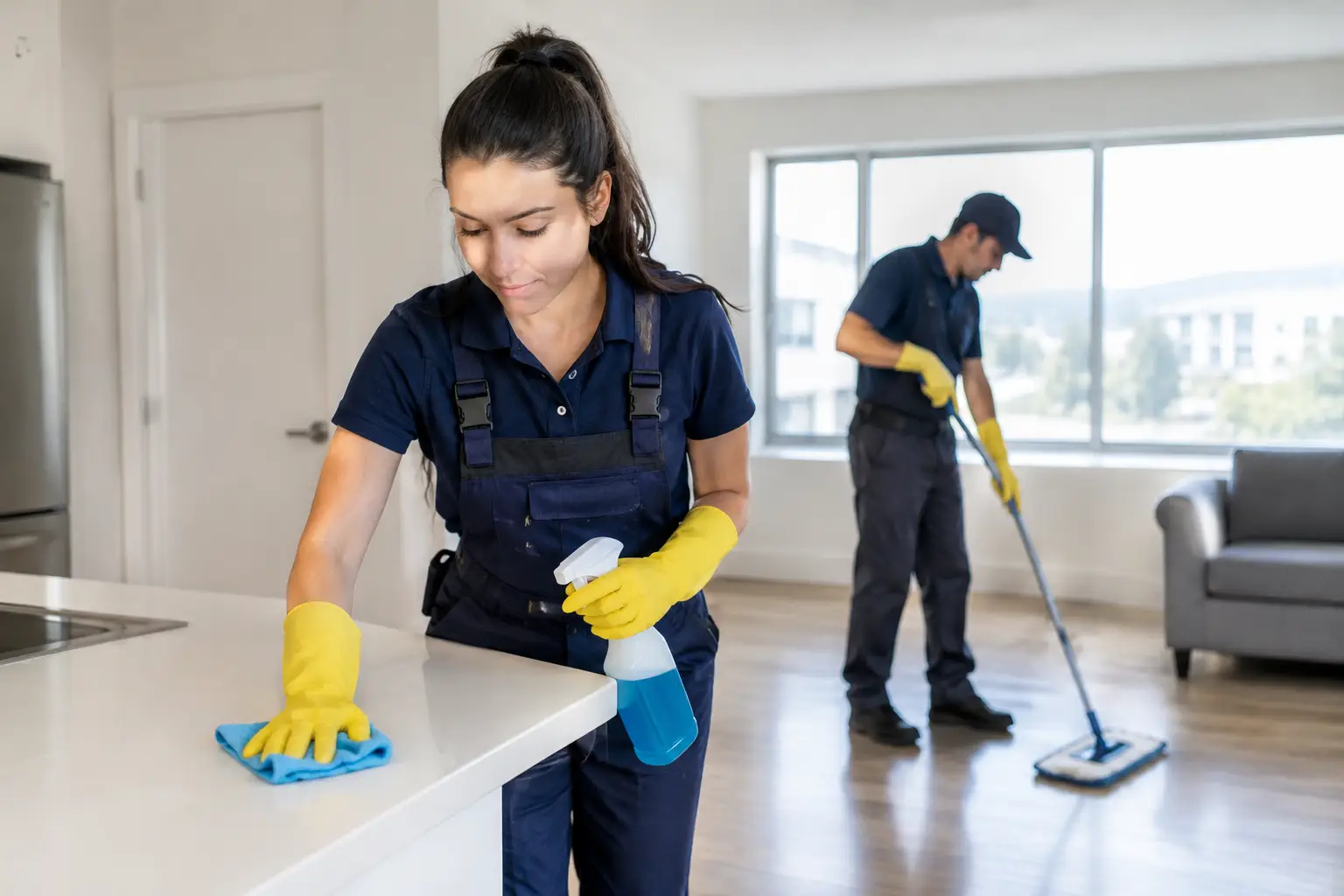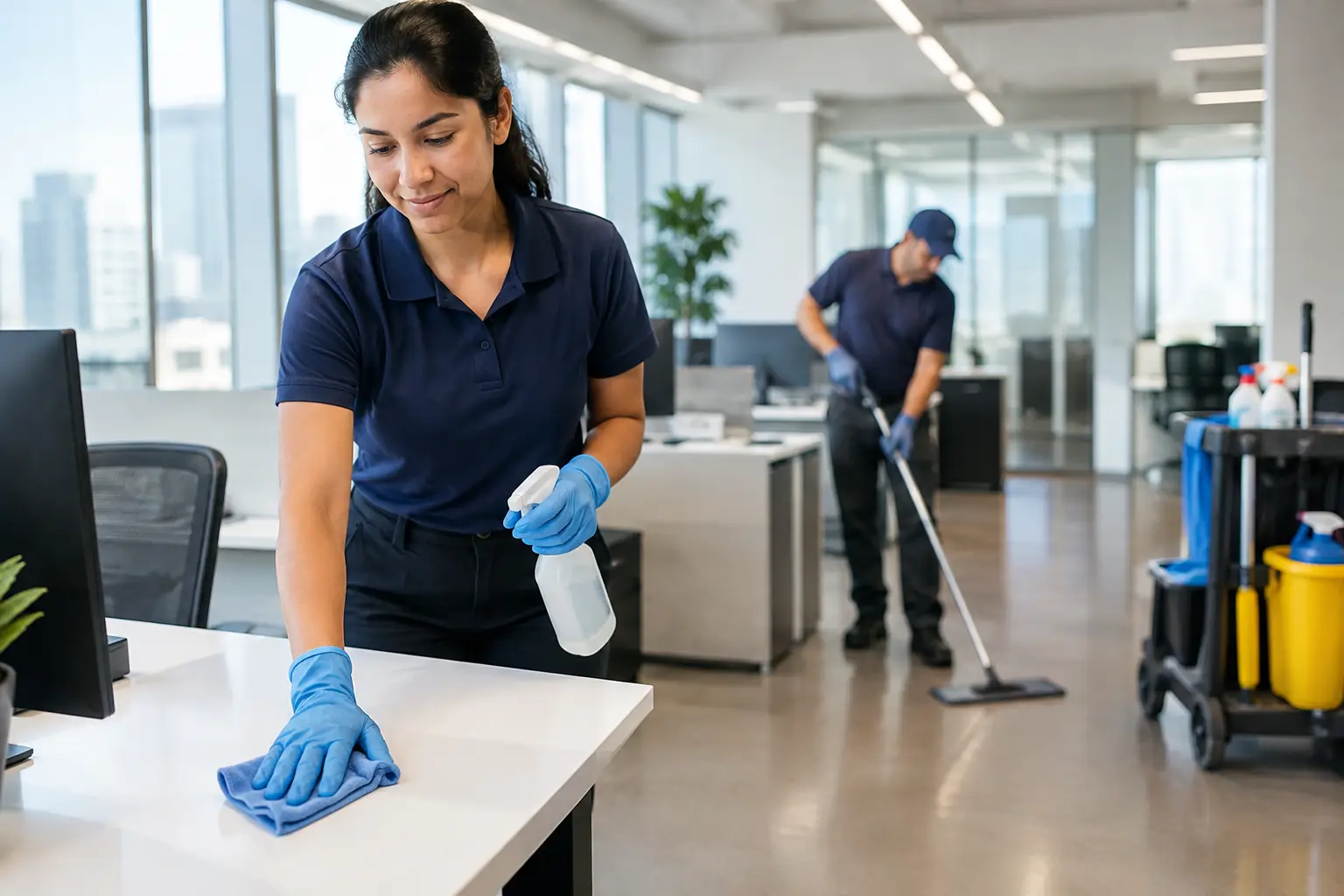

A missed spill in a lobby, neglected restroom supplies, or dust collecting around HVAC vents can quickly become more than a housekeeping issue. For property managers and commercial owners, a dependable office cleaning checklist protects tenant satisfaction, supports a professional image, and helps prevent avoidable maintenance calls.
The right checklist should not treat every office like a single-tenant suite. It must account for shared restrooms, high-traffic entrances, break rooms, elevator areas, conference rooms, and the operational details that shape a tenant’s daily experience. It also needs clear ownership: who completes each task, how often it is performed, and how issues are reported before they become larger property problems.
An Office Cleaning Checklist Built for Property Operations
A useful cleaning program is organized by frequency, not by a vague instruction to “clean as needed.” Daily tasks protect health and presentation. Weekly work addresses buildup that tenants notice over time. Monthly and seasonal inspections help identify conditions that may require maintenance, restoration, or deeper cleaning.
For multi-tenant and commercial properties, document completed work through a cleaning log or digital work order system. This gives property teams a record of service, makes vendor accountability easier, and helps identify recurring concerns in specific areas.
Daily cleaning priorities
Daily cleaning should focus on the spaces that receive the most tenant and visitor traffic. Entrances, restrooms, break rooms, and shared corridors set the standard for the entire property. A clean lobby cannot offset an empty soap dispenser or overflowing trash bin in a common-area restroom.
At minimum, daily service should include the following:
- Empty trash and recycling containers, replace liners, and remove waste from common areas, kitchens, and restrooms.
- Vacuum entry mats and high-traffic carpeted areas; sweep and damp mop hard-surface floors where needed.
- Clean and disinfect high-touch points, including door handles, elevator buttons, handrails, light switches, shared appliances, and reception counters.
- Restock restroom supplies such as hand soap, paper products, and sanitary disposal liners; clean fixtures, mirrors, partitions, and floors.
- Wipe down break room counters, tables, sinks, microwave handles, refrigerator exteriors, and other shared surfaces.
The exact scope depends on building occupancy and tenant use. A professional office with limited visitors may require a lighter daytime touch-up schedule than a medical-adjacent, retail-office, or public-facing property. The goal is not to over-service every area. It is to keep critical spaces clean, safe, and consistently ready for the people who use them.
Weekly cleaning that prevents visible buildup
Weekly tasks address the details that may not demand immediate attention but can undermine the condition of an office over time. These are the items tenants often notice when they have been skipped for several weeks: dusty ledges, stained carpet edges, smudged glass, and neglected kitchen appliances.
Schedule weekly cleaning for interior glass, window sills, baseboards, ledges, vents within reach, chair rails, and furniture surfaces. Vacuum under accessible desks and conference tables, not only open walking paths. Spot clean walls, doors, and upholstery as needed, especially near reception areas, copy rooms, and break rooms.
Restrooms deserve an additional weekly review beyond daily service. Check grout lines, floor corners, partitions, drains, and wall surfaces for buildup or damage. Persistent odors are rarely solved by fragrance alone. They can point to a drain issue, water intrusion, ventilation concern, or cleaning gap that should be reported promptly.
Kitchen and break room cleaning should include the interior of shared microwaves, refrigerator shelves where permitted, coffee stations, and cabinet fronts. Property teams should clarify whether tenant employees are responsible for personal food storage and dishes. Clear expectations prevent a shared amenity from becoming a recurring source of complaints.
Monthly Office Cleaning Checklist and Inspection Items
Monthly work is where cleaning and property maintenance begin to overlap. A cleaning crew may be the first team to notice water staining, loose flooring transitions, damaged caulking, pest activity, or unusual moisture around fixtures. That is why a strong monthly checklist should include a visual condition review, not just deeper cleaning.
Clean behind and beneath movable furniture, detail baseboards and corners, dust high surfaces, and address cobwebs around ceilings, light fixtures, and vents. Shampoo or extract carpet in targeted high-use zones when soil cannot be resolved through routine vacuuming and spot treatment. For hard flooring, inspect for dullness, scratches, lifting edges, or worn finish that may call for professional floor maintenance rather than another round of mopping.
Monthly inspections should also flag these conditions for the property manager or maintenance partner:
- Water stains on ceilings, walls, or flooring, including discoloration around restrooms, kitchens, and utility spaces.
- Loose tiles, torn carpet seams, buckling flooring, damaged thresholds, or trip hazards at transitions.
- Mold-like staining, persistent dampness, peeling paint, or recurring odors.
- Damaged restroom fixtures, leaking faucets, slow drains, loose dispensers, or failed exhaust ventilation.
- Cracked window seals, broken blinds, damaged door hardware, or entry areas that no longer present well to visitors.
Cleaning professionals should report these conditions with location details and photos when possible. Waiting until a tenant submits a complaint often means the issue has already affected the workspace, lease relationship, or building finish.
Periodic deep cleaning and turnover preparation
Quarterly or semiannual deep cleaning is especially valuable for common areas and suites preparing for a new tenant. This work may include full carpet cleaning, floor stripping and refinishing where appropriate, detailed interior glass cleaning, high dusting, upholstery cleaning, and deep restroom sanitation.
For vacant office suites, cleaning should be coordinated with turnover work rather than scheduled in isolation. Paint touch-ups, flooring replacement, repairs, and final cleaning need to follow the right sequence. Cleaning a suite before contractors finish can create duplicate work, delay the turnover, and leave the space less presentable at the final walk-through.
A practical turnover sequence starts with a condition assessment and repair scope. After maintenance, flooring, and construction-related work are complete, conduct a detailed final clean that removes dust, adhesive residue, fingerprints, debris, and odors. Finish with a walk-through checklist that confirms lights, plumbing fixtures, doors, surfaces, appliances, and floors are ready for marketing or occupancy.
Assign responsibility before problems arise
An office cleaning checklist only works when responsibilities are specific. Property managers should establish who handles routine janitorial work, who responds to spills or after-hours incidents, and who has authority to approve deeper cleaning or repair recommendations.
For shared commercial properties, consider a simple escalation process. Routine cleaning concerns can be corrected during scheduled service. A minor maintenance issue can be entered as a work order. Active leaks, flooding, sewage backups, or suspected water damage require immediate action, not placement on the next cleaning schedule.
This distinction matters in Southern California properties where a small plumbing failure can affect multiple suites, flooring systems, drywall, and tenant operations. A qualified partner with 24/7 emergency response can contain the damage, document conditions for insurance coordination, and move from restoration to repair without passing responsibility between unrelated vendors.
V&S Management Services Inc. supports this kind of coordinated approach through cleaning, property maintenance, flooring, restoration, and multi-unit remodeling services. For managers overseeing busy portfolios, single-source accountability can reduce handoffs and keep routine work from turning into a vacancy or claims issue.
How to Keep the Checklist Working
Review your cleaning checklist after tenant complaints, building inspections, water incidents, or a change in occupancy. Those moments reveal whether the schedule is realistic and whether cleaning staff have enough time and access to complete the assigned scope.
Avoid measuring performance only by whether trash was removed. A well-managed program looks at recurring odors, supply outages, floor condition, inspection results, tenant feedback, and the number of maintenance concerns caught early. If the same issue appears repeatedly, adjust the frequency, scope, or reporting process rather than asking the team to work around it.
The best checklist is not the longest one. It is the one your team can verify, your vendor can execute consistently, and your property can rely on when tenants, prospective clients, or inspectors walk through the door.