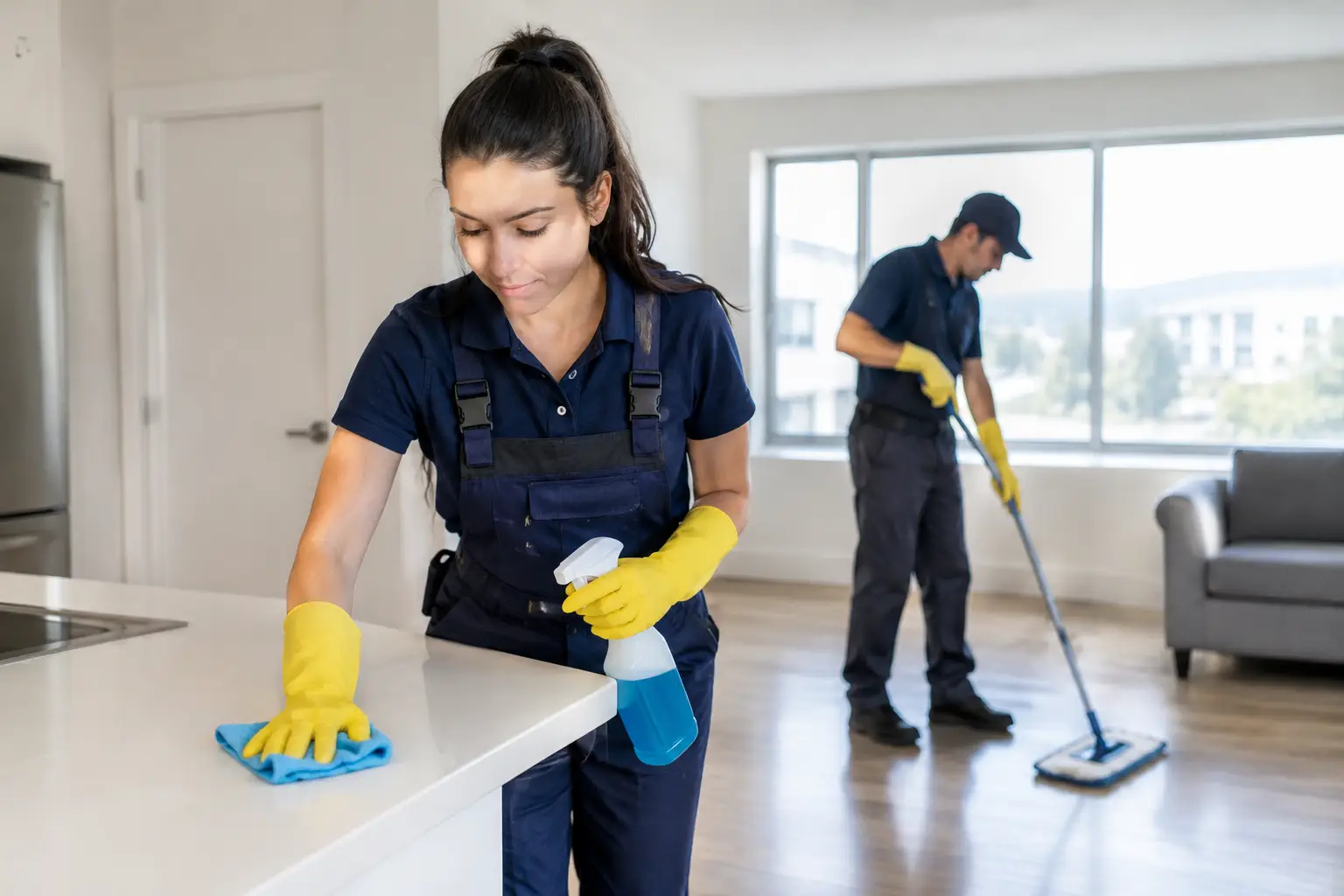

A vacant unit is not simply an empty apartment. It is a deadline with carrying costs, leasing pressure, maintenance exposure, and a prospective resident forming an opinion before they ever apply. A disciplined turnover cleaning process helps property teams move from move-out to rent-ready condition without missed details, duplicate vendor calls, or preventable delays.
For multifamily owners, property managers, realtors, and HOA teams, the goal is not merely a clean-looking space. The goal is a documented, inspection-ready unit that can be shown with confidence while protecting the long-term condition of the asset.
What a Turnover Cleaning Process Should Accomplish
Cleaning is often scheduled late in the turnover cycle, after maintenance, painting, flooring, and repairs are already competing for access. That approach can create rework. Dust from a repair lands on cleaned surfaces, a flooring crew tracks debris through a finished unit, or a discovered water issue stalls the entire schedule.
A better process treats cleaning as part of coordinated unit readiness. It begins with an accurate assessment, follows the right trade sequence, and ends with a quality-control review. Every party should know what has been completed, what remains open, and who owns the next step.
A strong process should accomplish three practical things: reduce vacancy days, present a consistent standard across the portfolio, and catch conditions that could become larger maintenance or liability issues. The exact scope will depend on the unit's condition, lease requirements, and upcoming resident expectations, but accountability should not change from one turnover to the next.
Start With a Move-Out Assessment, Not a Cleaning Appointment
The most efficient turnovers begin as soon as access is available. Before sending a cleaning crew, conduct a room-by-room assessment with photos and clear work notes. This is the point to separate ordinary cleaning needs from maintenance concerns, resident-caused damage, and conditions that require licensed repair work.
Look beyond visible dust and debris. Test plumbing fixtures, appliances, switches, outlets, windows, locks, exhaust fans, smoke and carbon monoxide detectors, and HVAC operation where applicable. Check under sinks, around toilets, behind refrigerators, and near water heaters for signs of active leaks, moisture, staining, or mold-like growth. A unit may appear ready for cleaning while hiding a water issue that needs immediate attention.
This early review also makes scheduling more realistic. A lightly used studio may need a detailed cleaning and touch-up work. A larger unit with damaged flooring, heavy grease buildup, wall repairs, or moisture intrusion may need several trades before final cleaning can begin. Treating both units as identical creates missed deadlines and frustrated leasing teams.
Define the scope in writing
A vague request such as “clean the unit” leaves too much open to interpretation. The scope should identify the required areas, known damage, access instructions, completion date, and whether the job includes interior cabinets, appliances, window tracks, blinds, patios, garages, or storage areas.
It should also clarify the condition standard. Is the unit being prepared for an immediate showing, a final move-in inspection, or a renovation phase? The answer affects the order of work and prevents a crew from performing final-detail cleaning before construction activity is complete.
Sequence the Work to Avoid Rework
Turnover cleaning is most effective when it is scheduled after dusty, disruptive work and before final inspection. In most units, the practical order is assessment, repairs, wall preparation and painting, flooring work, debris removal, detailed cleaning, punch-list corrections, and final quality control.
That order can change. If a water leak has damaged flooring or drywall, restoration and dry-out work come first. If a unit requires a full remodel, cleaning may happen in phases: an initial construction cleanup, a detailed post-construction clean, and a final touch-up before possession. The key is not following a rigid formula. It is identifying what will dirty, damage, or block the work that follows.
For property teams managing multiple vacancies, a single source of accountability can make a measurable difference. Rather than coordinating separate companies for maintenance, flooring, cleaning, and restoration, an integrated contractor can manage the handoffs and flag conflicts early. This is especially valuable when an urgent issue appears mid-turnover, such as a leaking supply line, failed appliance connection, or water damage behind a wall.
Clean for Inspection, Not Just Appearance
A quick surface clean may look acceptable during a brief walkthrough, but it often fails at move-in. New residents notice the inside of cabinets, refrigerator seals, bathroom corners, baseboards, vents, and window tracks. They also notice odors. These details influence maintenance calls, online reviews, and the resident's confidence in management from day one.
A professional turnover clean should address the entire unit, including kitchens, bathrooms, living spaces, bedrooms, closets, fixtures, and high-touch surfaces. Appliances require special attention because grease, food residue, and spills can be missed during a rushed clean. Bathrooms should be cleaned and sanitized thoroughly, with attention to grout, caulking, drains, mirrors, vanities, toilet bases, and ventilation areas.
Floors should be evaluated before they are cleaned. Carpet may need more than routine service if there are odors, heavy wear patterns, pet contamination, or visible staining. Hard-surface flooring should be checked for loose planks, cracked tile, failing transitions, or moisture-related damage. Cleaning can improve presentation, but it cannot correct a flooring system that needs repair or replacement.
Do not ignore odor and moisture
Odor is often a symptom, not the problem itself. Air fresheners and temporary masking products may make a showing easier for an hour, but they do not resolve smoke residue, pet contamination, sewer gas, mold-related moisture, or standing water beneath a fixture.
When an odor persists after normal cleaning, investigate before turning the unit. Check drains, garbage disposals, appliance pans, carpets, subfloors, wall cavities, and plumbing connections. If moisture is involved, prompt action protects both the unit and the surrounding building areas. Delaying a water issue can increase repair scope and disrupt occupied residents nearby.
Build Quality Control Into the Turnover Cleaning Process
The final walkthrough should never be the first time anyone checks the completed work. A practical quality-control system includes a supervisor review, a documented punch list, and a final verification after corrections are made.
During the walkthrough, inspect the unit as a prospective resident would, but also as a property manager responsible for risk and asset condition. Open cabinets and drawers. Run faucets. Flush toilets. Confirm that lights operate. Inspect corners, closet shelves, appliance interiors, and floor edges. Check that debris has been removed from balconies, patios, garages, and entry areas when included in the scope.
Photos are valuable here. They provide a record of completed condition, help resolve questions between teams, and give leasing staff a current reference before showing the unit. For larger portfolios, standardized inspection forms make it easier to compare unit readiness across properties and identify recurring issues, such as frequent drain backups or premature flooring failure.
Set Expectations With the Right Vendor Partner
The lowest-effort turnover is rarely the one that relies on unclear scopes, unverified contractors, and last-minute scheduling. Property professionals need a partner that understands occupied buildings, access protocols, insurance requirements, safety expectations, and the cost of a delayed ready date.
Confirm that the contractor is properly licensed for applicable work, insured, bonded, and capable of documenting completion. Ask how urgent water damage is handled, who communicates progress, and whether the provider can coordinate related needs such as repairs, flooring, remodeling, or post-construction cleaning. These questions matter most when a routine turnover becomes an unexpected restoration or construction project.
For Southern California property teams, V&S Management Services Inc. provides this type of coordinated support as a fully licensed, bonded, and insured general contractor. With 24/7 emergency response and bilingual English/Spanish communication, the focus is on resolving the immediate issue while keeping the broader turnover schedule moving.
Turn Clean Units Into Reliable Turnovers
A clean unit is the visible result. The real value comes from the process behind it: early assessment, correct work sequencing, detailed cleaning, documented quality control, and clear responsibility from start to finish.
When a unit is approaching vacancy, schedule the assessment early enough to uncover what cleaning alone cannot fix. That small step gives your team time to make sound decisions, protect the property, and hand the next resident a home that feels properly prepared.