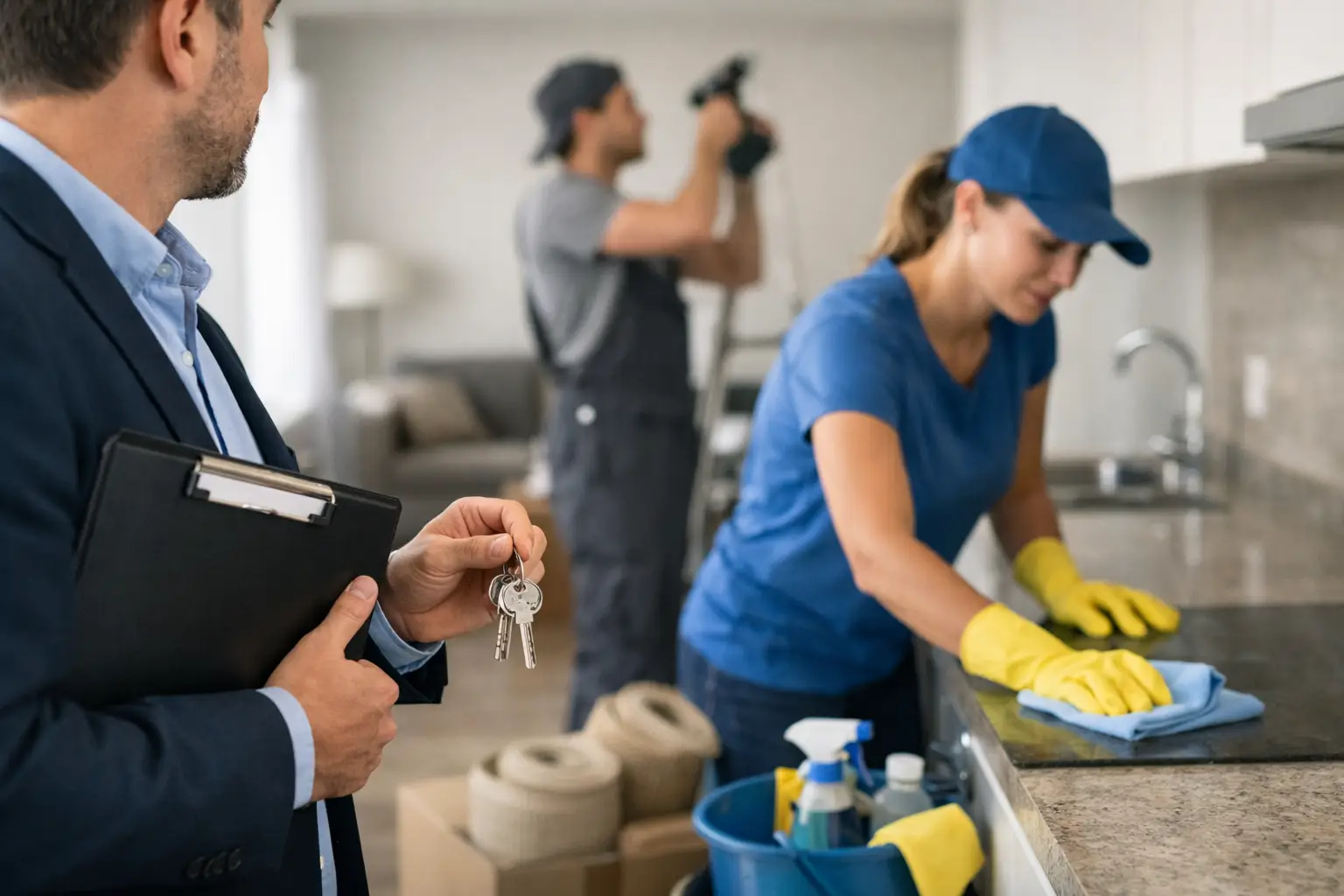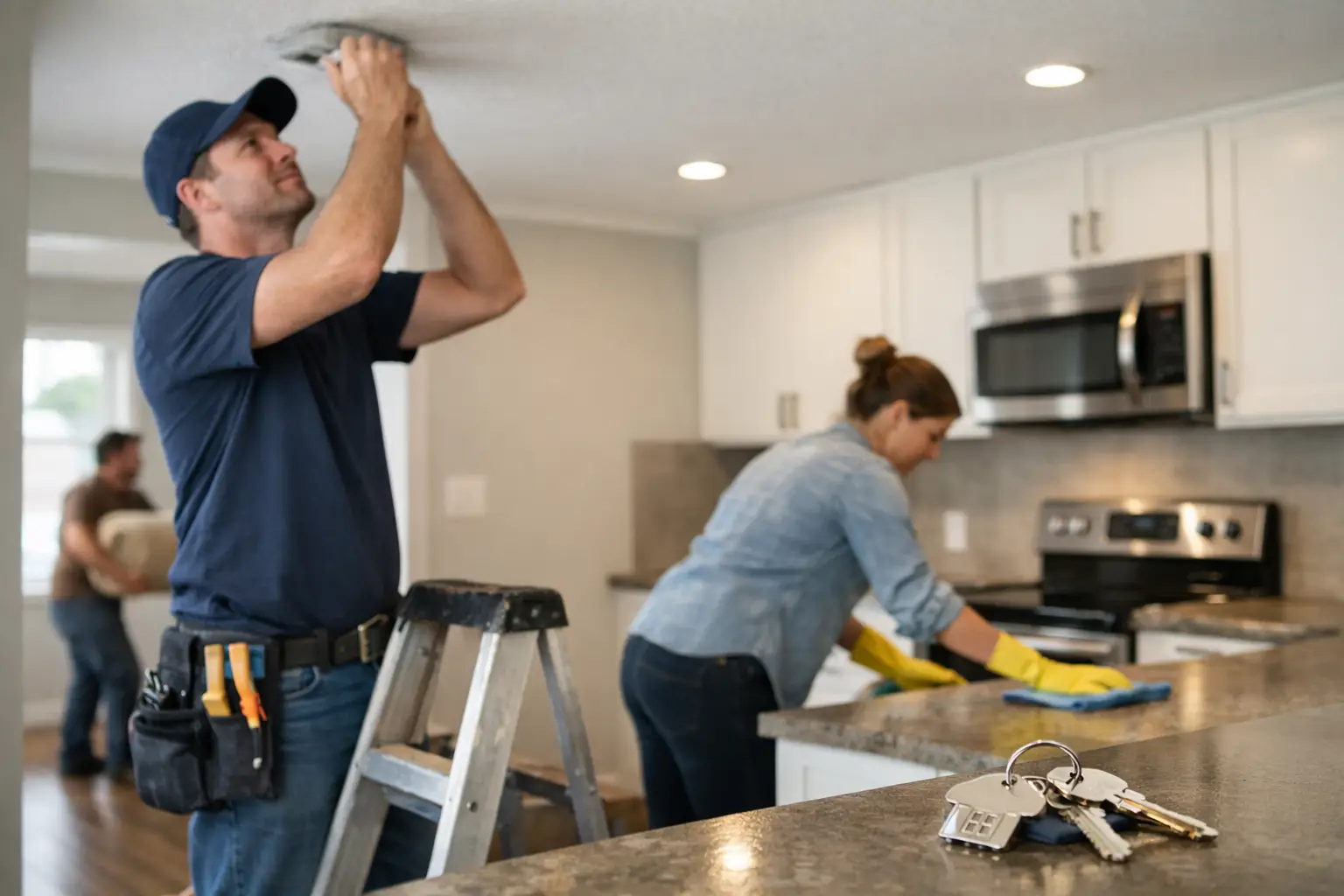
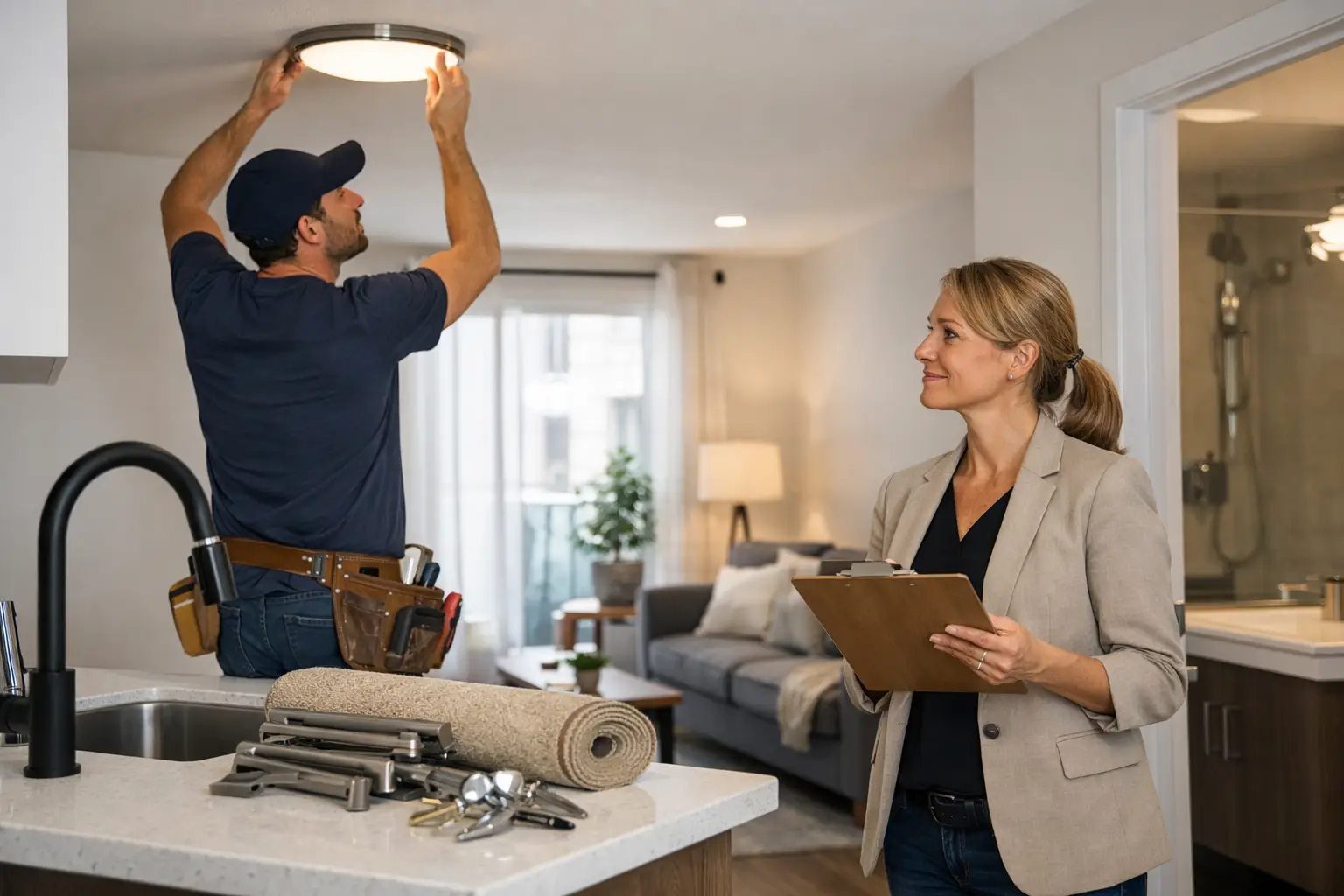
Every extra day a unit sits offline costs money, but rushed turnover work can cost even more when callbacks, premature wear, and resident complaints start stacking up. The best upgrades for apartment turnovers are not always the flashiest ones. They are the improvements that shorten make-ready timelines, hold up under heavy use, and help leasing teams put a clean, reliable product on the market fast.
For property managers and owners, the real question is not which finishes look best in a showroom. It is which upgrades keep performing after multiple move-ins, service requests, and vendor visits. In multifamily, the right turnover scope needs to balance durability, speed, and consistency across the portfolio.
How to choose the best upgrades for apartment turnovers
A strong turnover upgrade plan starts with operational reality. If a material looks impressive but delays occupancy, requires specialized maintenance, or varies too much from unit to unit, it can work against your leasing and maintenance goals.
The best turnover upgrades usually do three things at once. They improve first impression, reduce future repair frequency, and simplify ongoing service. That is why experienced property teams tend to favor standardized, repeatable upgrades over highly customized finishes.
There is also an asset-level decision to make. A heavy-value-add renovation calls for one strategy. A rent-ready turn on a tight schedule calls for another. Not every vacancy needs a full remodel, but almost every turnover benefits from a few smart improvements that raise baseline quality.
1. Durable flooring that installs fast and wears well
Flooring has an outsized effect on both visual appeal and maintenance performance. In most apartment turnovers, replacing worn, stained, or mismatched flooring gives the unit an immediate reset. It also reduces the chance that a prospect walks in and sees the apartment as dated before they notice anything else.
For many multifamily properties, hard-surface flooring in key living areas is one of the safest upgrade decisions. It is easier to clean between residents, less likely to hold odor, and generally more forgiving under daily use than older flooring systems. In bedrooms or select unit classes, carpet can still make sense, especially when noise control or property positioning matters. The point is not to force one material into every unit. The point is to standardize around products that support quick turnover and predictable maintenance.
The trade-off is upfront scope. Flooring touches transitions, base details, and sometimes subfloor repairs. That is why installation quality matters as much as product selection.
2. Fresh paint with a portfolio-wide color standard
Paint is one of the simplest ways to make a unit feel clean and market-ready, but only when it is handled consistently. A standardized color palette speeds up touch-ups, simplifies purchasing, and helps maintenance teams avoid the patchwork effect that happens when every building uses slightly different shades.
Neutral tones remain the most practical choice for apartment turnovers because they photograph well, appeal to a broad renter pool, and make future repairs easier. They also give leasing teams a cleaner backdrop when showing the unit.
This is one area where cutting corners usually shows. Poor prep, uneven coverage, and missed repairs around trim and wall damage can make a recent turnover look unfinished. A professional result is less about choosing a trendy color and more about delivering a crisp, uniform finish that holds up under repeated use.
3. Cabinet and hardware upgrades that refresh without overbuilding
Full cabinet replacement is not necessary in every turnover. In many units, refinishing or repainting existing cabinets and replacing worn hardware can modernize kitchens and baths without expanding scope unnecessarily. That kind of selective upgrade is often where the best return lives.
Hardware matters more than many teams expect. Loose pulls, dated knobs, and corroded hinges signal age even when the rest of the unit is in decent condition. Swapping in durable, consistent hardware across units creates a cleaner look and helps maintenance stock fewer replacement parts.
If cabinets are structurally failing, replacement may be the right move. But if the boxes are sound, targeted improvements can preserve schedule and still elevate the resident experience.
4. Countertop and vanity surfaces built for turnover cycles
Countertops and vanity tops take constant abuse. Burns, chips, swelling, stains, and failed seams all show up quickly in occupied units, which is why surface selection should be based on turnover cycles, not just initial appearance.
The most reliable options are those that clean easily, resist routine damage, and can be installed without creating delays across other trades. A consistent countertop specification also helps when one damaged section needs replacement later. If every unit has a different material, every repair becomes a sourcing problem.
For classic rent-ready improvements, kitchen counters and bath vanities are often among the best visible upgrades. Residents notice them right away, and they influence whether the unit feels maintained or neglected.
5. Lighting and electrical updates that improve perceived quality
A dim unit feels tired even when it is technically clean. Updated lighting is one of the most cost-effective ways to improve first impression during a turnover, especially in kitchens, bathrooms, entries, and dining areas.
Simple fixture replacements can make a unit feel more current, but this category goes beyond appearance. Reliable switches, grounded outlets where appropriate, and properly functioning fixtures reduce service calls and safety concerns after move-in. For older properties, turnover periods are often the best time to address recurring electrical issues before they become resident complaints.
It depends on the condition of the asset. Some units need cosmetic fixture swaps. Others need deeper electrical corrections to support long-term reliability. The right scope comes from inspection, not assumption.
6. Plumbing fixture replacements that prevent callbacks
Turnovers are a smart time to replace aging faucets, shower trim, angle stops, supply lines, and other plumbing components that are close to failure. A fixture that looks acceptable at move-out may still become a leak risk a month after the next resident moves in.
That is why plumbing upgrades often pay off less in marketing appeal and more in avoided disruption. Fewer emergency calls, less water damage exposure, and better resident satisfaction all matter. In multifamily, preventing one avoidable leak can protect not just one unit, but multiple units below or adjacent.
This is especially important in older Southern California properties where piecemeal repairs over the years have created inconsistent fixture conditions. Standardizing plumbing components during turnovers makes future maintenance more efficient and lowers the risk of last-minute failures.
7. Bathroom improvements that make the unit feel truly rent-ready
Bathrooms carry a lot of weight in leasing decisions. Even if the kitchen is modest, a clean, bright, functional bathroom gives prospects confidence that the property is maintained properly.
The best bathroom turnover upgrades are often practical rather than dramatic. Replacing a worn vanity top, reworking damaged caulking, updating fixtures, correcting ventilation issues, and restoring surrounding surfaces can transform the room without turning the turnover into a full construction project.
If tile, tubs, or shower surrounds are failing, delaying repair usually creates a bigger issue later. Water intrusion, mold risk, and recurring resident complaints tend to follow. A bathroom that is just barely passable at make-ready often becomes a maintenance problem faster than expected.
8. Entry, trim, and door improvements that signal quality immediately
Residents notice the front door, baseboards, casing, and interior doors before they notice many larger investments. If those surfaces are chipped, misaligned, or heavily scarred, the unit can feel rough even after a full cleaning.
Replacing damaged door hardware, repairing trim, improving door operation, and repainting these high-contact areas creates a more finished result. These details also support security, noise control, and everyday function.
This category is often overlooked because it is spread across smaller line items. But from a turnover standpoint, details at the entry and along the unit perimeter shape the first impression in a very direct way.
9. Deep cleaning and final make-ready work that protects every other upgrade
Even the right upgrades fall flat if the final unit presentation is weak. Turnover cleaning is not an afterthought. It is the last quality-control step before leasing, inspection, and occupancy.
A proper make-ready clean does more than remove dust. It highlights missed punch work, reveals finish defects, and ensures the unit shows well under real lighting conditions. This is one reason many property teams prefer a single accountable partner for cleaning, flooring, repairs, and remodel work. When trades work in isolation, final condition issues are easier to miss and harder to assign.
V&S Management Services Inc. has built its reputation around that kind of coordinated execution, helping property professionals reduce vacancy days while maintaining control over quality, compliance, and scheduling.
What matters more than the upgrade itself
The best upgrades for apartment turnovers only create value when they are planned around speed, scope control, and long-term maintenance. A premium finish is not automatically the better choice if replacement times are inconsistent or if future repairs require specialty sourcing. On the other hand, going too cheap can increase wear, resident dissatisfaction, and repeat labor.
That is why experienced property managers look beyond product samples. They evaluate how an upgrade performs across multiple turns, how quickly it can be installed, and whether it supports a cleaner handoff between trades. The goal is not to make every unit look expensive. It is to make every unit dependable, attractive, and ready to lease without unnecessary delay.
The smartest turnover upgrades are the ones that keep working after the keys change hands.