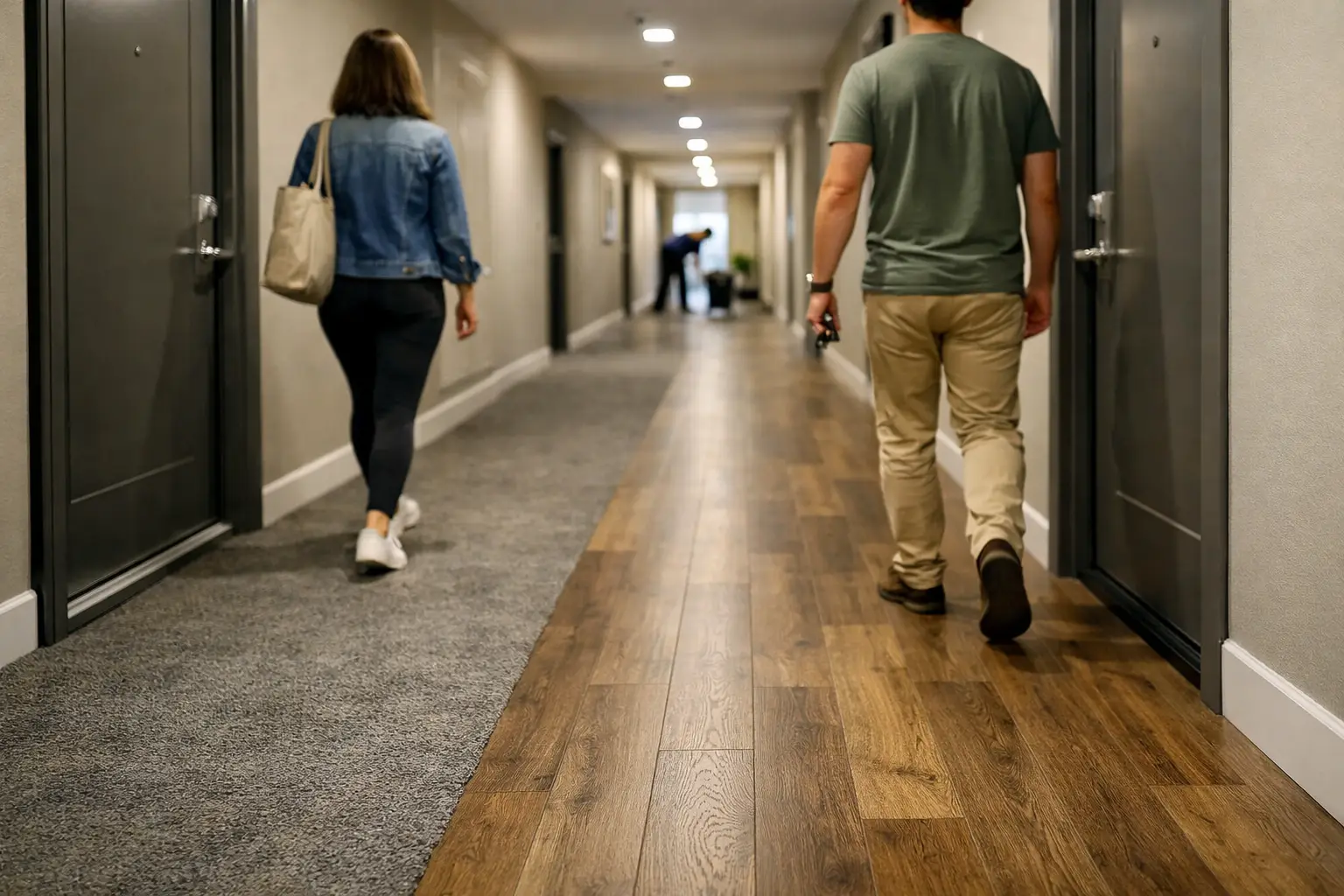
A scuffed entryway, stained carpet tile, or lifting vinyl plank can change how tenants, customers, and inspectors view an entire property. Knowing how to maintain commercial flooring is not simply a janitorial concern. It is an asset-protection process that affects safety, tenant retention, operating costs, and the time required to turn a space back over.
For property managers and commercial owners, the goal is not to keep every surface looking brand new every day. The goal is to build a consistent system that catches damage early, uses the right methods for the material, and avoids disruptive replacement projects before they become necessary.
Start With the Flooring Type and Traffic Pattern
Commercial flooring maintenance should never follow a one-size-fits-all schedule. A lobby that receives wet foot traffic from a parking area needs a different routine than an upstairs office suite, a retail aisle, or a multifamily corridor. Before setting cleaning frequencies, identify the flooring material, the expected traffic volume, and the conditions that create wear.
Carpet, luxury vinyl tile, sheet vinyl, ceramic tile, concrete, epoxy, and hardwood all respond differently to moisture, chemical cleaners, abrasion, and heavy equipment. The wrong cleaning product can dull a finish, leave a slippery residue, weaken adhesive, or void a manufacturer warranty.
Look beyond visible dirt. Track where damage begins. Entry points collect grit and water. Elevator landings receive concentrated traffic. Break rooms see spills and chair movement. Restrooms face moisture and chemical exposure. Loading areas may have rolling carts, pallet jacks, and oil residue. These zones deserve more frequent attention than lower-use areas.
Build a Routine for Daily, Weekly, and Periodic Care
A maintenance plan works when it is simple enough for onsite teams to follow and detailed enough for vendors to perform consistently. Daily care removes the debris that acts like sandpaper under shoes, wheels, and furniture. Periodic deep cleaning restores the surface before embedded soil and wear become permanent.
Daily care protects the finish
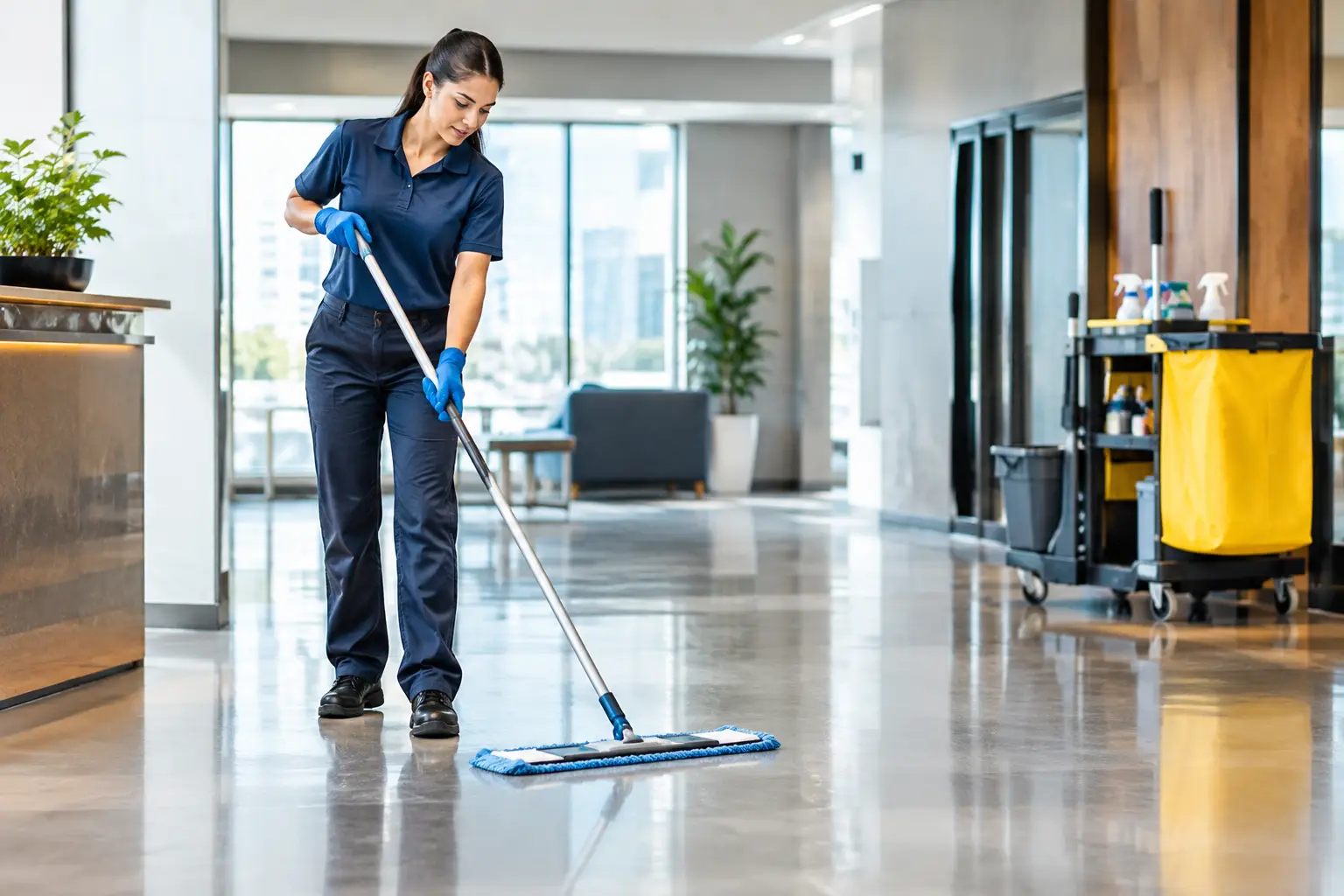
Hard-surface floors should be dust mopped or vacuumed regularly, especially near entrances and high-traffic paths. Fine grit is one of the most common causes of premature scratching and dulling. Wet mop only when needed, using clean water and a cleaner approved for the specific surface.
Carpeted areas should be vacuumed with commercial-grade equipment that reaches embedded debris, not just surface dust. Promptly address spills with the correct spotting method. Waiting until the end of the day can allow stains, odors, and moisture to penetrate backing materials.
Entry mats are part of the flooring system, not an afterthought. Clean and replace them as needed. A properly maintained mat captures dirt and moisture before it reaches finished flooring, reducing both slip hazards and cleaning labor.
Weekly and monthly tasks address buildup
Schedule more detailed cleaning for restrooms, kitchens, corridors, lobbies, and other high-use areas. This may include machine scrubbing for resilient flooring, grout-line cleaning for tile, or low-moisture carpet cleaning in busy commercial spaces.
Do not over-wet flooring. Excess water can seep into seams, under edges, or into carpet backing, creating conditions for adhesive failure, mold concerns, odor, and subfloor damage. This is particularly important in multi-unit properties where moisture can travel beyond the original area of concern.
Plan periodic restorative maintenance
Even well-maintained floors need scheduled restorative service. Depending on the material and use level, this can include carpet extraction, buffing, burnishing, scrub-and-recoat service, grout restoration, concrete sealing, or refinishing. The timing depends on traffic and surface condition, not a generic calendar.
For example, a heavily used vinyl floor may need a protective finish refreshed well before it looks severely worn. Waiting for bare spots, deep scratches, or permanent discoloration often turns a manageable maintenance task into a replacement project.
Control Moisture Before It Reaches the Subfloor
Water is one of the fastest ways commercial flooring fails. A small leak under a sink, a slow toilet supply-line drip, a roof intrusion, or a flood from an upper unit can damage flooring long before the surface shows obvious signs.
Train onsite staff to report soft spots, curling edges, dark grout, loose tile, unexplained odors, and changes in floor level. These can indicate moisture below the finished surface. If a water event occurs, respond immediately. Surface drying alone may not be enough when water has reached underlayment, baseboards, walls, or adjacent units.
Professional water damage restoration becomes especially valuable when the source, spread, or drying needs are unclear. Fast documentation, moisture testing, and controlled drying help protect the building and support a smoother insurance claim process when coverage is involved.
Use the Right Products and Equipment
Many flooring problems begin with well-intended cleaning. Harsh degreasers, abrasive pads, bleach-heavy products, and unapproved polish can permanently affect the color, texture, or protective coating of a floor.
Keep manufacturer guidance accessible for each flooring type in the property. If product records are missing after a turnover or remodel, have a flooring professional identify the material before starting aggressive cleaning or refinishing work. This is a practical safeguard for older buildings with multiple flooring types installed over time.
Pay attention to equipment as well. Dirty mop heads spread soil. Worn vacuum brushes can damage delicate finishes. Excessively stiff pads can remove protective coatings. A cleaner that works on ceramic tile may be inappropriate for luxury vinyl or sealed concrete.
For facilities with in-house cleaning teams, standardize approved supplies and provide clear instructions. For outsourced service, define expectations in writing: areas covered, frequency, products used, spill response procedures, and who reports visible damage. Accountability is easier when the maintenance scope is specific.
Inspect for Safety Risks and Early Damage
Floor maintenance is closely tied to liability prevention. Slippery residue, loose transitions, torn carpet, cracked tile, lifting edges, and uneven surfaces create trip-and-fall risks that should be addressed promptly.
During regular property walks, inspect entrances, stairs, hallways, common areas, restrooms, kitchens, and accessible routes. Check transition strips, cove base, door thresholds, and flooring around plumbing fixtures. These smaller components often reveal larger issues, such as movement in the substrate or repeated moisture exposure.
Document what you find with dates, photos, and location details. A clear record helps prioritize repairs, establish recurring problem areas, and demonstrate reasonable maintenance practices. It also gives ownership a more accurate view of capital needs before a unit turnover, inspection, or tenant move-in.
Know When Repair Is Better Than Replacement
Replacing an entire floor is not always the best response to damage. A few cracked tiles, isolated carpet stains, a damaged vinyl plank, or worn flooring at a doorway may be repairable if matching material is available and the underlying cause has been corrected.
Repair is often the efficient choice when the damage is contained, the substrate is sound, and the existing floor still has useful life. Replacement may be smarter when failures are widespread, moisture has compromised the subfloor, the material is discontinued, or repeated patching creates a poor appearance.
The key is to avoid cosmetic repairs that conceal an active problem. Replacing a lifted plank without addressing slab moisture or a plumbing leak only delays the next failure. A qualified contractor should evaluate both the finished surface and what is happening beneath it.
Coordinate Flooring Care With Turnovers and Renovations
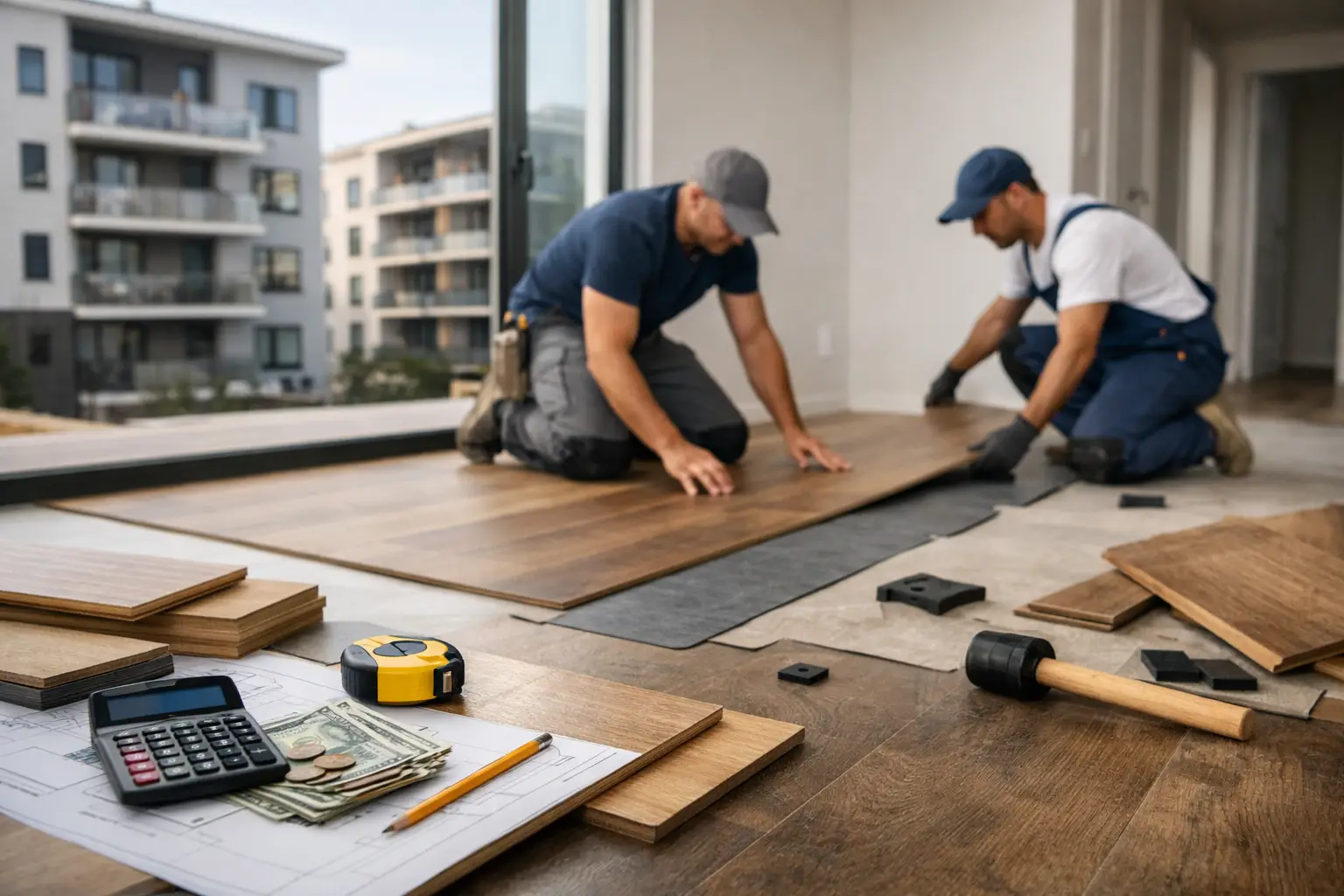
Commercial and multi-unit flooring lasts longer when maintenance, cleaning, and renovation teams work from the same plan. During turnovers, inspect floors before other trades begin. Paint, drywall dust, moving equipment, and appliance installation can all create avoidable damage after a floor has been cleaned or replaced.
Sequence work carefully. Complete dusty construction tasks first, protect finished surfaces during installations, and schedule final floor cleaning near the end of the turnover. If flooring replacement is required, confirm moisture conditions, subfloor preparation, transitions, and cure times before the space is released for occupancy.
For Southern California portfolios, a single licensed, bonded, and insured partner can reduce delays when flooring concerns overlap with water damage, repairs, cleaning, or full unit renovation. V&S CORPORATIONS helps property professionals coordinate those connected needs without handing off responsibility across multiple vendors.
Create a Maintenance Record That Supports Better Decisions
A simple flooring log can prevent recurring problems from being forgotten between inspections. Record installation dates, material types, warranties, deep-cleaning schedules, water incidents, repairs, and replacement areas. Include notes about traffic patterns and tenant-related damage when relevant.
Over time, these records show whether a product is performing as expected and whether maintenance frequency needs to change. They also help managers forecast replacements rather than being forced into emergency decisions during a vacancy or inspection.
Commercial flooring performs best when it is treated as a working building system, not a finish to notice only when it looks worn. Consistent cleaning, fast moisture response, documented inspections, and timely repairs keep spaces safer, more presentable, and easier to operate - one well-managed floor at a time.