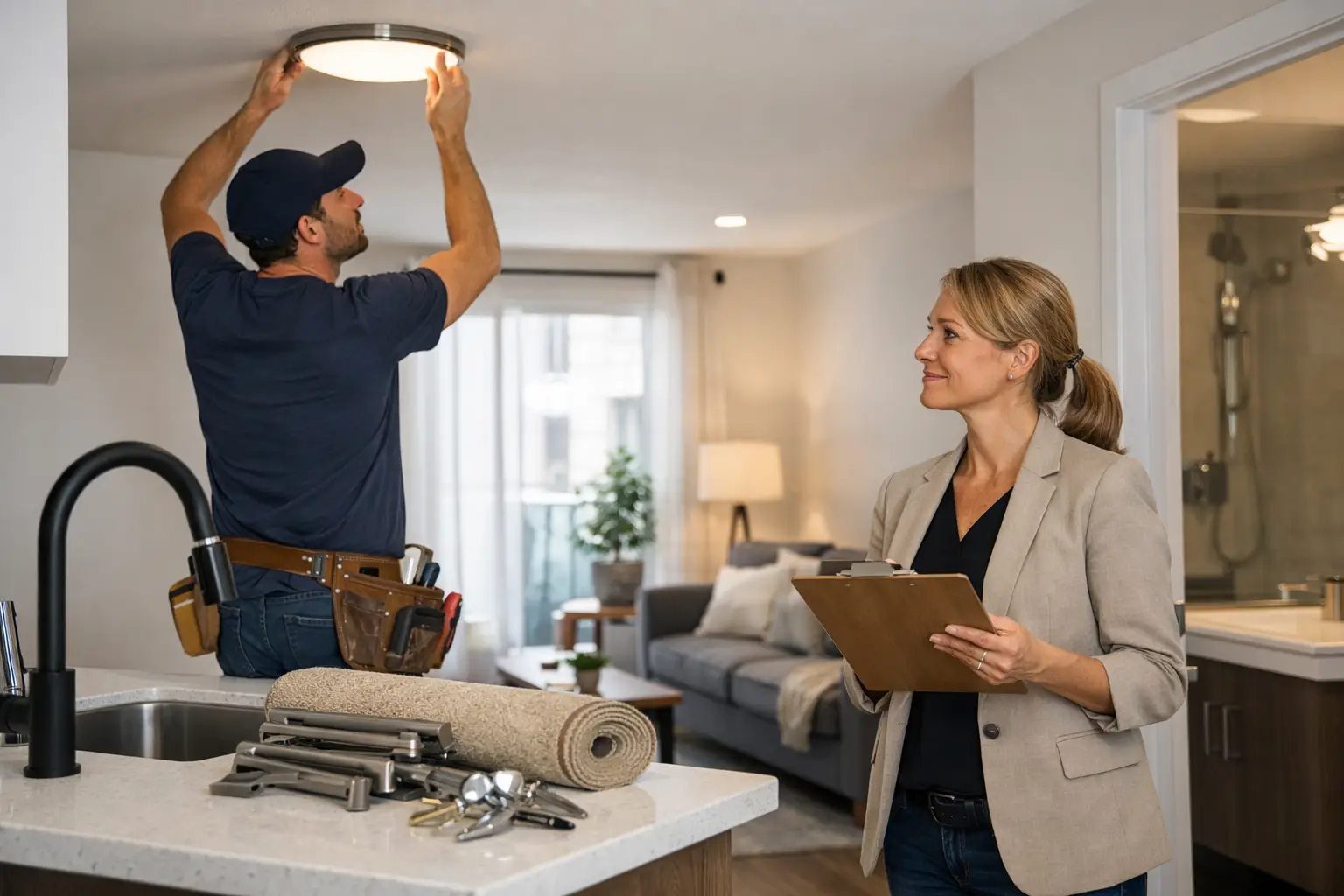

A leaking supply line in one occupied unit can become a portfolio-level problem before the workday ends. A delayed turnover can push back leasing, frustrate ownership, and add avoidable vacancy days. That is why Los Angeles property maintenance cannot be treated as a series of isolated work orders. It needs to operate as a coordinated system that protects the building, supports residents and tenants, and keeps assets performing.
For property managers, HOA boards, and commercial owners, the challenge is rarely finding someone who can complete a basic repair. The challenge is finding a qualified partner who can respond quickly, communicate clearly, document the work, and take responsibility from the first call through final completion. In a market with aging infrastructure, high occupancy demands, and tight renovation schedules, consistency is a real operational advantage.
What Los Angeles Property Maintenance Must Cover
Effective maintenance begins with a clear understanding of the asset. A 40-unit apartment community, a retail center, and a condominium association may all need plumbing, flooring, cleaning, and repairs, but the risks and priorities are different. Multifamily properties often depend on fast unit turns and reliable resident communication. Commercial properties may need work scheduled around business hours, access restrictions, and tenant operations. HOA boards must balance immediate repairs with long-term reserve planning and common-area accountability.
The right maintenance plan connects routine work with larger property goals. That includes keeping common areas safe and presentable, identifying moisture issues before mold or structural damage develops, repairing wear before it becomes a tenant complaint, and preparing vacant units for the next resident without unnecessary gaps. The work may look ordinary on a daily basis, but its impact reaches lease renewals, operating costs, insurance exposure, and asset value.
A dependable provider also recognizes when a repair is no longer just a repair. Repeated ceiling stains may point to a plumbing failure above. Damaged flooring may require moisture testing before replacement. A unit with accumulated turnover needs may be better served by a coordinated refresh than by multiple small vendor visits. Sound judgment prevents temporary fixes from becoming recurring expenses.
Faster Turnovers Start With One Accountable Team
Every vacant day carries consequences. Leasing teams need a clear move-in date, owners need predictable performance, and incoming residents expect a clean, functional home. Turnovers become difficult when cleaning, patching, painting, flooring, appliance coordination, and repairs are divided among vendors who do not share a schedule or a single point of accountability.
A coordinated turnover process starts with a documented unit walk. The scope should separate immediate health and safety concerns from cosmetic work, identify materials with lead times, and establish the order of operations. Cleaning should not be scheduled before dusty repairs are complete. New flooring should not be installed before a suspected water issue is resolved. Small sequencing decisions can determine whether a unit is ready on time or sits vacant waiting for rework.
For larger portfolios, standardizing turnover scopes also brings discipline to budgeting and reporting. Similar unit conditions can be assessed consistently, while unique damage or upgrade needs are clearly documented. This gives property teams a more accurate view of what is happening across the portfolio instead of relying on scattered invoices and last-minute updates.
Water Damage Requires Immediate, Organized Action
Water is one of the most time-sensitive maintenance issues in Southern California properties. A failed angle stop, roof intrusion, overflowing fixture, or slab-related leak can affect drywall, flooring, electrical components, neighboring units, and personal property. Waiting until regular business hours may turn a contained incident into a major restoration project.
A 24/7 emergency response matters, but speed alone is not enough. The response should include source control, moisture assessment, mitigation, documentation, and a clear plan for restoration. Property managers also need communication they can rely on while making decisions for residents, ownership, insurers, and vendors. Photos, job records, and a defined scope can make insurance-claim coordination far less stressful when the situation is already urgent.
There is a practical trade-off to consider. Not every water event requires extensive reconstruction, but underreacting is costly when moisture is hidden behind walls or under flooring. An experienced team can distinguish between a limited repair and a situation that needs drying equipment, material removal, or follow-up reconstruction. That assessment protects both the property and the budget.
Preventive Maintenance Protects More Than Appearance
Reactive work orders will always be part of property operations. The goal of preventive maintenance is not to eliminate every unexpected issue. It is to reduce the failures that can be anticipated and to catch small conditions before they interrupt occupancy or damage building systems.
At multifamily and commercial properties, preventive attention often focuses on common areas, plumbing fixtures, doors and hardware, exterior surfaces, drainage, flooring transitions, lighting, and signs of moisture. These details affect safety and presentation, but they also reveal larger problems. A loose handrail, a recurring drain backup, or a soft area of flooring deserves attention before it creates a claim, a complaint, or a more extensive scope of work.
Maintenance should be scheduled around the actual condition and use of the property, not a generic checklist alone. A high-traffic corridor needs different attention than a lightly used office suite. Older buildings may need closer monitoring of plumbing and electrical components. Properties with frequent turnovers benefit from regular inspections of materials that commonly need replacement. The plan should reflect the asset, its residents or tenants, and its operating demands.
Vendor Compliance Is Part of Property Protection
Property maintenance partners often enter occupied units, work in common areas, handle emergency conditions, and perform repairs that affect building systems. That makes vendor compliance a management responsibility, not a paperwork detail. A low-cost, uncertified repair can create much larger exposure if the work fails, causes additional damage, or is not properly documented.
Before assigning ongoing work, property professionals should confirm that their contractor can provide the essentials:
- Current licensing appropriate to the scope of work
- Active insurance and bonding documentation
- Clear work orders, estimates, and completion records
- Reliable emergency communication and site coordination
- A demonstrated ability to work safely in occupied multifamily and commercial settings
Single-source accountability is especially valuable when a property needs cleaning, repairs, flooring, restoration, and remodeling support at different times. Rather than coordinating separate vendors for each step, managers can work with one qualified team that understands the site history, standards, and expectations. That does not mean every project should receive the same scope. It means the communication, documentation, and responsibility remain consistent.
V&S Management Services Inc. has served Southern California since 1989 with this integrated approach, supporting property professionals with licensed, bonded, and insured general contracting, maintenance, restoration, turnover cleaning, flooring, and multi-unit remodeling. Bilingual English and Spanish communication can also help keep site coordination clear for residents, teams, and stakeholders.
Know When Maintenance Becomes a Capital Improvement
One of the most useful decisions a property team can make is recognizing when repeated maintenance is no longer the best answer. Replacing the same damaged flooring in multiple units, repairing cabinets beyond their useful life, or repeatedly patching deteriorated surfaces may cost more over time than a planned upgrade.
This is where a trusted general contractor adds strategic value. A broader assessment can identify whether selective remodeling will improve durability, shorten future turnovers, modernize worn finishes, or address building conditions that keep generating work orders. The right answer depends on occupancy plans, ownership goals, available reserves, and the remaining life of the materials. Not every property needs a full renovation, but every recurring issue deserves an honest evaluation.
For occupied buildings, phasing is equally important. Work should be organized to minimize disruption, maintain safe access, and give managers clear visibility into what will happen next. A well-managed scope protects the resident experience while allowing ownership to improve the asset in a controlled way.
The strongest maintenance programs make daily operations easier because they create fewer surprises. Choose partners who respond when conditions are urgent, plan carefully when the work is complex, and stand behind the details that keep your property ready for the next resident, tenant, inspection, or opportunity.