A small roof leak above a vacant unit can look manageable on Monday and become stained drywall, damaged flooring, mold concerns, and a delayed move-in by Friday. That is the operational difference behind preventive versus deferred maintenance. For property managers, HOA boards, and commercial owners, the question is not whether every issue deserves an immediate repair. It is how to act early on the work that protects safety, occupancy, and long-term asset value.
Deferred work is sometimes necessary when budgets, access, weather, or tenant schedules limit options. But when deferral becomes the default, minor deficiencies tend to turn into urgent projects, unplanned claims, resident complaints, and longer vacancy periods. A disciplined maintenance strategy gives teams a clearer way to decide what needs attention now, what can be scheduled, and what should never be postponed.
What Preventive and Deferred Maintenance Mean
Preventive maintenance is planned work performed before a building component fails. It includes regular inspections, cleaning, testing, adjustments, and small repairs that extend the useful life of systems and reduce disruption. Examples include clearing roof drains before rain, servicing HVAC equipment, inspecting irrigation leaks, sealing exterior openings, checking common-area lighting, and addressing early signs of plumbing corrosion.
Deferred maintenance is work intentionally postponed beyond the point when it would normally be completed. The reason may be a constrained capital budget, a lack of access to an occupied unit, a pending renovation plan, or a belief that the issue is cosmetic. Deferral is not automatically poor management. It becomes a problem when the risk, scope, and future cost are not documented and actively managed.
The practical distinction is simple: preventive maintenance is scheduled to avoid failure; deferred maintenance accepts a known condition and its associated risk for a period of time.
Why Preventive Versus Deferred Maintenance Affects Operations
For a portfolio, maintenance decisions rarely stay inside a single unit or line item. A failed water supply line can affect adjacent units. An ignored roof issue can damage insulation, electrical components, and finishes. A poorly performing HVAC system can create comfort complaints, increase utility use, and complicate lease renewals.
Preventive work is usually easier to schedule around tenants, vendor access, and building operations. It also gives property teams time to obtain proper documentation, coordinate materials, and complete repairs with less disruption. This matters especially for multi-unit properties where one unresolved issue can affect several residents or common areas.
Deferred maintenance often appears less expensive because the immediate invoice is avoided. Yet the actual cost may include emergency response, overtime access coordination, remediation, tenant accommodations, lost rent, insurance administration, and replacement of materials that could have been preserved. The longer a condition remains unaddressed, the more likely it is to cross from routine maintenance into restoration or capital work.
The Hidden Cost of Waiting
Not every delayed repair causes a major loss, but certain systems are unforgiving. Water intrusion, electrical concerns, structural movement, gas-related issues, fire-life-safety components, and trip hazards require a faster response because their consequences can escalate quickly.
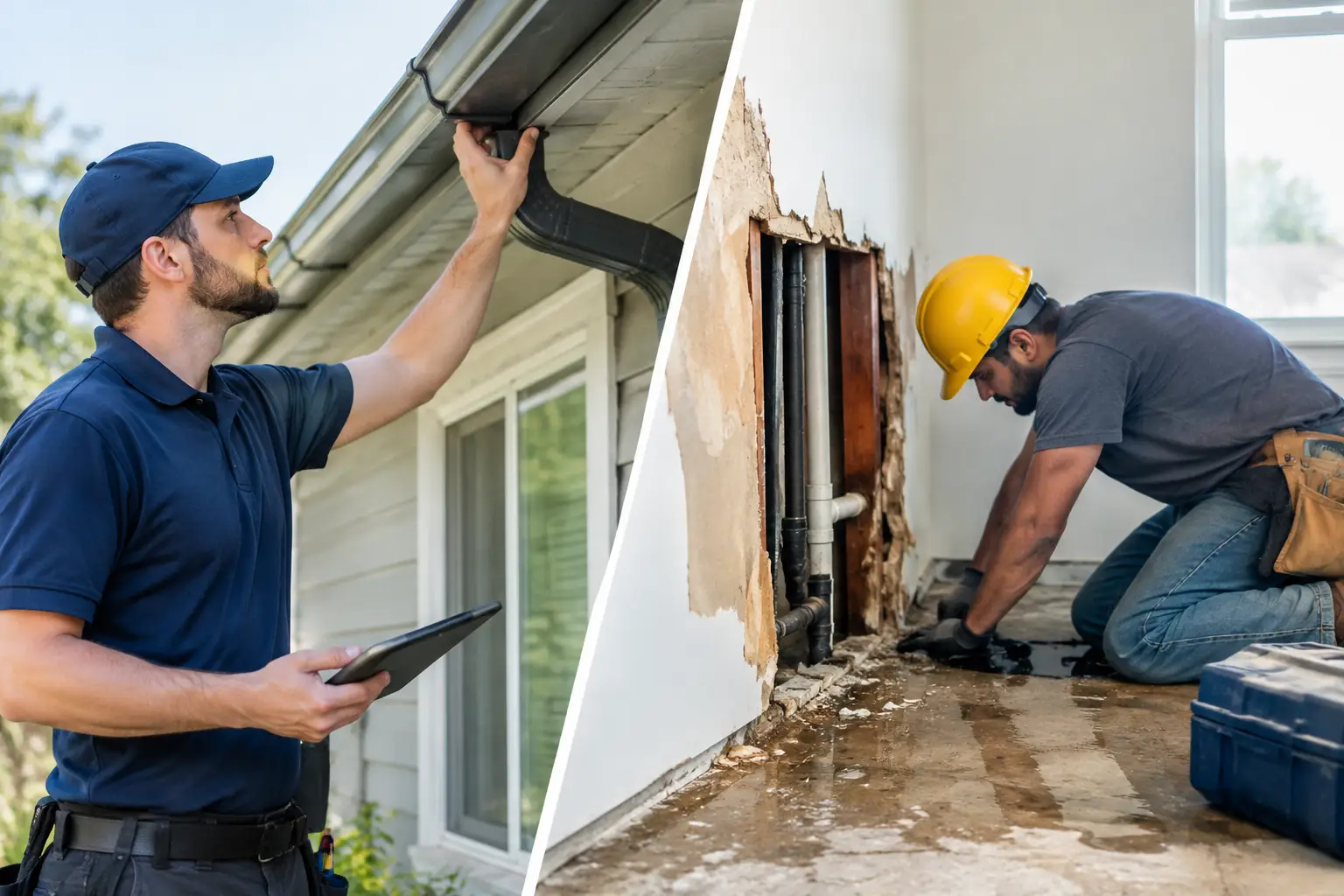
A clogged drain line may initially present as a slow sink. If it is ignored, the same condition can become a backup that damages cabinets, flooring, and neighboring spaces. A cracked exterior seal may look cosmetic until seasonal rain drives moisture behind the wall assembly. A worn common-area stair tread can become a safety concern before it becomes a visible capital project.
There is also a staffing cost. Emergency maintenance consumes attention from property managers and site teams who should be focused on leasing, resident communication, inspections, and planned improvements. Every avoidable urgent call pulls the operation away from predictable work.
How to Decide What Can Wait
The strongest maintenance plans do not treat every issue with the same urgency. They evaluate each condition based on risk, impact, and timing. Ask whether the issue affects life safety, active water intrusion, building security, code compliance, habitability, or the ability to rent a unit. If the answer is yes, postponement may create more exposure than savings.
Next, consider whether the condition can worsen rapidly. A faded interior paint finish may be suitable for a planned turnover scope. A loose toilet, active plumbing drip, damaged subfloor, or deteriorated balcony surface deserves a different timeline.
Finally, look at the operational window. Some work is best completed during a vacancy, while other tasks should be handled before a unit turns because waiting can extend make-ready time. If a repair could delay occupancy, it should be considered part of the turnover schedule rather than a future project.
Build a Maintenance Plan That Supports the Budget
A useful preventive program begins with an accurate condition baseline. Property teams should know the age, prior repair history, service intervals, and current condition of major building systems. This does not require an overly complicated process, but it does require consistent records.
Document recurring issues by building and system. If the same plumbing stacks, roof sections, gates, flooring areas, or irrigation zones repeatedly generate service calls, the pattern may point to a larger repair need. Repeated patching can be appropriate for a limited period, but it should not conceal a predictable replacement decision.
Set recurring inspections around the property calendar. Roofs and drainage should be reviewed before heavy rain. HVAC maintenance should be planned before peak heating or cooling demand. Vacant units should be inspected early enough to identify flooring, water damage, drywall, appliance, and safety work before leasing deadlines become urgent.
It also helps to separate routine maintenance from capital planning. Routine maintenance keeps existing systems operating as intended. Capital planning addresses major replacements, renovations, or upgrades when components approach the end of their useful life. When these budgets are blurred together, necessary long-term work is more likely to be deferred without a clear plan.
Use Qualified Vendors for High-Impact Work
Maintenance decisions are only as reliable as the work performed. For repairs involving water damage, electrical systems, structural conditions, building envelopes, flooring, or multi-unit remodels, property professionals need a vendor who can assess the full scope rather than simply address the visible symptom.
Vendor compliance matters as much as response time. Licensed, bonded, and insured contractors help protect the property owner and support clearer accountability when work involves occupied units, common areas, or insurance documentation. A single qualified partner can also reduce the delays that come from coordinating separate cleaning, restoration, flooring, maintenance, and construction vendors.
For Southern California properties, rapid response is particularly valuable after plumbing failures, storms, or unexpected unit damage. V&S CORPORATIONS supports property teams with 24/7 emergency response and coordinated property solutions, helping reduce the handoffs that can extend downtime after an issue is discovered.
When Deferring Maintenance Is Reasonable
Deferral can be a sound decision when the condition is stable, documented, and unlikely to affect safety, habitability, or building performance before a scheduled project. For example, replacing dated but functional cabinetry may reasonably wait until a planned unit renovation. A cosmetic common-area refresh may be phased by building or budget year.
The key is to assign ownership and a date. A deferred item without a target inspection date, budget category, or responsible decision-maker is not a strategy. It is simply an unresolved risk.
When a repair is deferred, record the current condition, why it was delayed, what could cause the condition to worsen, and the trigger that will move it into active work. This gives managers and boards a defensible decision trail and prevents items from disappearing between inspections.
Turn Maintenance Into a Portfolio Advantage
The goal is not to eliminate every repair call. Buildings age, residents report issues, and unexpected failures happen. The goal is to make urgent work the exception rather than the operating model.
A practical maintenance program protects occupancy, gives owners better budget visibility, and helps property teams respond with confidence when conditions change. Start with the next inspection, identify the issues most likely to create damage or delay a turnover, and assign a clear path forward. Small decisions made early are often what keep a property operating smoothly when the next urgent call arrives.