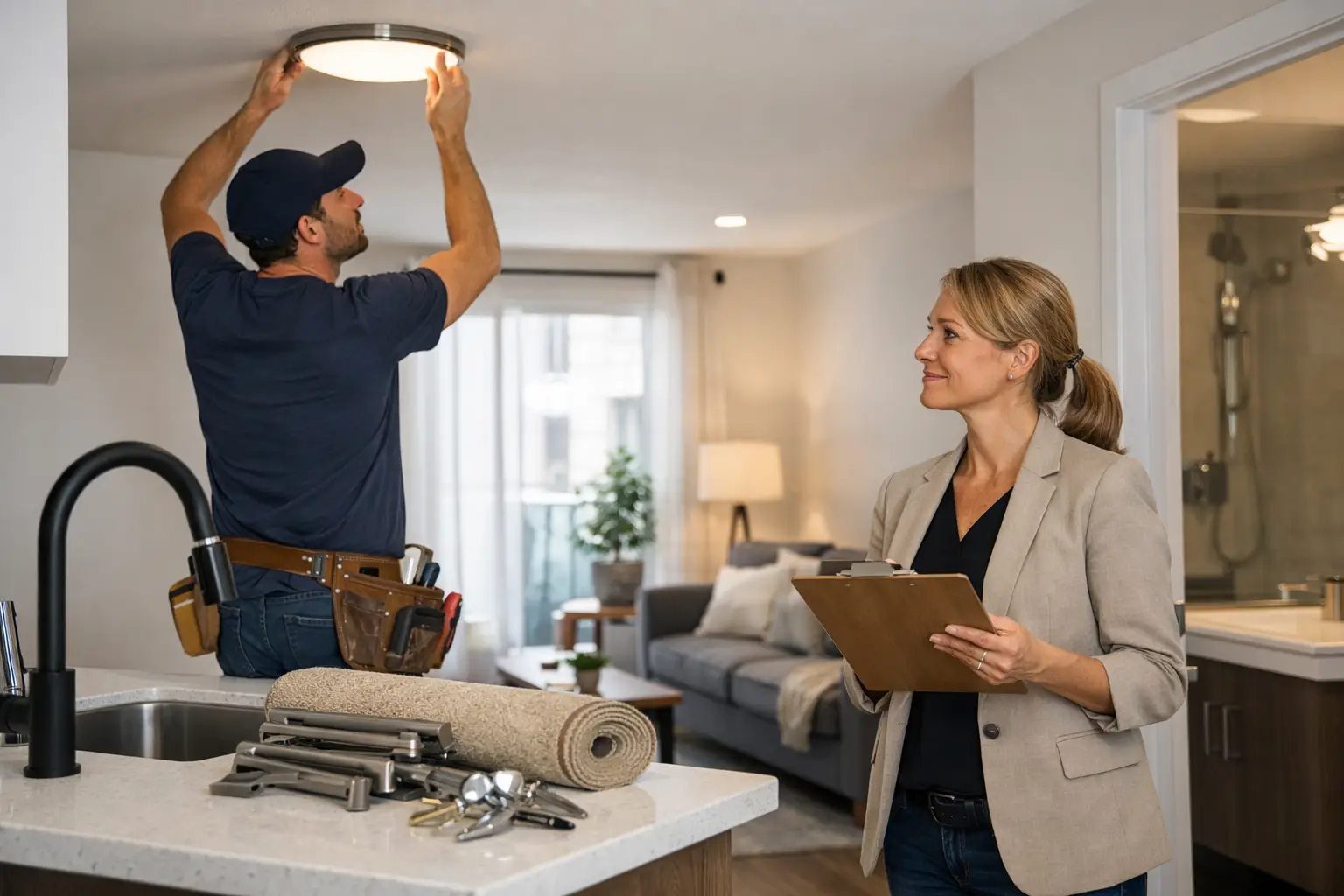

A vacant unit starts costing money the moment keys change hands. Yet the most common cause of extended vacancy is not one major repair. It is a chain of small delays: an incomplete move-out inspection, an unapproved scope, a flooring crew waiting on painters, or cleaning scheduled before construction dust has settled.
A reliable unit turnover timeline turns that chain into a controlled process. For property managers and owners, the goal is not to rush work at the expense of quality. It is to sequence inspections, repairs, cleaning, and leasing readiness so the unit is returned to market quickly, safely, and in condition that protects the asset.
What a Realistic Unit Turnover Timeline Looks Like
A standard, well-maintained rental unit can often be made rent-ready in five to 10 business days. A unit requiring paint, flooring replacement, appliance work, water damage repairs, or code-related corrections may need two to four weeks or longer. The timeline depends on the unit’s condition, material availability, approval process, access, and whether multiple trades are involved.
The key distinction is between a fast turnover and a predictable one. A unit can appear ready in a few days, only to generate move-in complaints because caulking, appliance testing, or final cleaning were skipped. A disciplined schedule includes quality control at the end, not just a target date at the beginning.
For multi-unit portfolios, turnover planning should begin before the resident leaves whenever possible. A pre-move-out walkthrough can identify likely charges, maintenance needs, and long-lead items. That early visibility gives your team time to request approvals and reserve qualified vendors before the unit is vacant.
Day 0-1: Secure the Unit and Document Conditions
The move-out inspection is the foundation of every turnover. Complete it as soon as possession is returned, using consistent documentation that records walls, flooring, fixtures, appliances, windows, plumbing, smoke and carbon monoxide detectors, and any signs of moisture intrusion.
Photos and detailed notes matter. They support security-deposit decisions, but they also give maintenance teams a clear scope of work. A vague instruction such as “touch up walls and clean unit” creates rework. A defined scope identifies the rooms, materials, damage, repairs, and acceptance standards before anyone arrives on site.
This is also the right time to secure the property. Rekey or change locks according to your policy, confirm vacant-unit utilities, and check for leaks, pest activity, or electrical concerns. A slow drip beneath a sink or a failed water heater can turn a routine turnover into an urgent restoration project if it sits unnoticed.
Day 1-2: Build the Scope and Make Decisions Quickly
Once the inspection is complete, organize work by priority. Health, safety, habitability, and water-related issues come first. Then address repairs that affect the schedule, such as drywall replacement, flooring, painting, cabinetry, or appliance installation. Cosmetic items should be planned around those trades rather than assigned independently.
Fast approvals are a major factor in reducing vacancy days. Property managers need a vendor that can provide a clear scope, communicate what is urgent versus optional, and explain the effect each decision has on the timeline. Owners should know whether replacing worn flooring now will prevent another turnover disruption in a year, or whether a targeted repair is the more sensible choice for the property’s current condition.
This is where single-source accountability is especially valuable. When one qualified general contractor coordinates cleaning, maintenance, flooring, repairs, and remodeling, there are fewer handoffs and fewer opportunities for crews to blame one another for delays. The work still requires careful scheduling, but the responsibility stays in one place.
Day 2-6: Complete Repairs in the Right Order
The most efficient turnover work follows the physical order of construction. Resolve water damage, plumbing leaks, electrical issues, and drywall repairs before cosmetic finishes. Complete patching and sanding before painting. Install or repair flooring after the dustiest work is done, unless a specific flooring system requires a different sequence.
A typical repair phase may include patching wall damage, replacing damaged blinds or hardware, repairing cabinet doors, testing appliances, servicing plumbing fixtures, replacing worn flooring, and repainting. The exact work varies, but a thorough approach protects both the next resident and the building owner.
Do not treat every repair as equal. A loose outlet cover is quick to correct. A recurring moisture stain may signal a roof, plumbing, or exterior-envelope issue that requires investigation. The latter deserves immediate attention, especially in multi-unit buildings where water can travel behind walls or affect neighboring units.
For units with significant damage, the best timeline is one that accounts for drying, inspections, and insurance documentation rather than forcing finish work before the underlying problem is resolved. When water damage occurs, a 24/7 emergency response can limit the extent of demolition and help keep an unexpected event from creating weeks of vacancy.
When Flooring Can Change the Schedule
Flooring is often one of the biggest variables in a unit turnover timeline. Carpet cleaning may be appropriate when the material is in good condition and odors or staining are manageable. Replacement becomes the better option when wear, pet damage, moisture exposure, or extensive staining will compromise the unit’s presentation or durability.
Material availability matters as much as installation time. Standardizing approved flooring and paint colors across a portfolio can shorten decision-making and reduce delays caused by special orders. It also helps maintenance teams keep replacement materials on hand for future turns.
Day 5-8: Finish, Clean, and Prepare for Leasing
Cleaning should happen after repair and finish work is substantially complete. Scheduling cleaners too early often leads to duplicate work after painters, flooring installers, or maintenance technicians return to the unit. Final cleaning should address kitchens, bathrooms, cabinets, appliances, fixtures, baseboards, windows, interior glass, and flooring, along with removal of all construction debris.
At this stage, leasing teams should be preparing marketing materials and showing plans. If local policies and unit condition allow, professional photos and pre-leasing activity can begin before every final detail is complete. However, showings should never interfere with active work or give prospects a poor impression of the finished product.
The unit should not be considered rent-ready simply because it looks clean. Appliances need testing. Toilets, faucets, drains, outlets, lighting, locks, HVAC operation, and required safety devices should be verified. A final walkthrough catches the small items that can undermine an otherwise successful turnover.
Day 8-10: Conduct Final Quality Control
Final quality control is the last protection against avoidable callbacks. Ideally, the person performing the inspection did not complete all of the work. Fresh eyes are more likely to notice paint inconsistencies, cabinet adjustments, missing hardware, dust on vents, uneven flooring transitions, or a fixture that was replaced but not tested.
Use the same inspection standard for every unit, whether it is a basic apartment turnover or a higher-end rental renovation. Consistency protects your reputation, improves resident experience, and helps identify recurring building issues across the portfolio.
A turnover is complete when the unit is safe, clean, functional, documented, and ready for a resident to move in without an immediate maintenance request. That standard may add a few hours at the end of the process, but it can save days of reactive scheduling after move-in.
How to Keep Turnovers From Slipping
The best way to shorten turnovers is not to pressure every vendor for faster work. It is to remove predictable points of delay. Establish standard finish specifications, approve common repair thresholds in advance, maintain a documented inspection process, and assign one accountable point of contact for the full scope.
Communication also matters. Property managers need timely updates when hidden damage, unavailable materials, or access constraints affect the schedule. A dependable contractor should identify those risks early and present practical options, not wait until the promised completion date has passed.
For properties across Southern California, vendor compliance should remain part of the schedule conversation. Hiring licensed, bonded, and insured professionals may seem like an administrative detail during a vacancy rush, but it protects owners, residents, and management teams when work involves construction, water damage, electrical components, or occupied neighboring units.
V&S Management Services Inc. supports property professionals with coordinated turnover cleaning, maintenance, flooring, restoration, and remodeling services backed by decades of local experience. The right partner does more than complete a work order. They help your team keep each vacant unit moving toward a confident, well-prepared move-in.
A clear schedule, quick decisions, and one accountable team can turn a stressful vacancy into a repeatable operating process - and give your next resident the right first impression from day one.