CALL US NOW:

How to Handle Burst Pipe Damage Fast
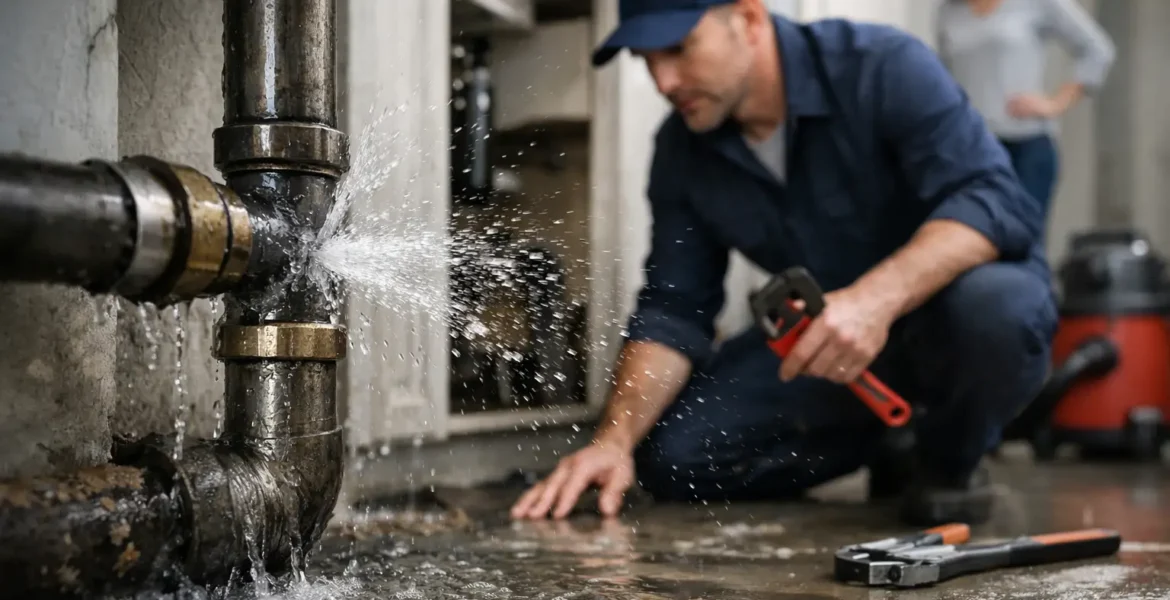
A burst pipe at 2 a.m. does not stay a plumbing issue for long. In a multi-unit property, it becomes a tenant safety issue, a building systems issue, a restoration issue, and often an insurance issue within minutes. That is why knowing how to handle burst pipe events quickly matters so much for property managers, HOA boards, and commercial owners trying to protect occupied units and reduce avoidable loss.
The first priority is simple: stop the water, protect people, and contain the spread. Everything after that depends on how fast those first decisions happen.
How to handle burst pipe emergencies in the first hour
When a pipe bursts, every minute adds more water to drywall, flooring, cabinets, electrical areas, and neighboring units. If the leak is active, shut off the nearest water supply immediately. In some buildings that means isolating a unit shutoff valve. In others, especially older multifamily properties, it may require closing the main line for part of the building.
At the same time, keep occupants away from any area where water is approaching electrical outlets, panels, appliances, or lighting. If there is any chance water has reached energized systems, treat it as a safety event first and bring in qualified professionals before anyone starts moving through standing water.
Once the water source is off, document what you can without slowing down mitigation. Take clear photos and short videos of the pipe failure, affected rooms, visible saturation, and any damaged finishes or contents. For property professionals, that early documentation often helps with claims handling, tenant communication, and scope verification later.
Then call a qualified emergency restoration team. This is where experience matters. A burst pipe is rarely solved by mopping up visible water alone. Moisture moves behind baseboards, under flooring, inside wall cavities, and between levels. If the response is partial or delayed, what looked like a small event can turn into a much larger rebuild.
The biggest mistakes after a burst pipe
One common mistake is assuming the situation is under control once the active leak stops. In reality, the water you can see is often only part of the problem. Carpet pad, subfloor, insulation, drywall, and shared wall assemblies can hold moisture long after surfaces appear dry.
Another mistake is waiting until morning or until regular business hours. For occupied buildings, that delay can increase tenant displacement, damage common areas, and create more complicated insurance discussions. In Southern California, many property teams are balancing tight turnover windows and occupied-unit logistics. Lost time usually means higher cost.
A third mistake is separating the emergency response from the repair strategy. If one vendor handles extraction, another handles demolition, and another handles reconstruction, accountability can get blurry fast. That may work in some situations, but in multi-unit or commercial settings, single-source coordination often saves time and reduces confusion.
What a professional burst pipe response should include
A proper response starts with emergency mitigation, not cosmetic cleanup. The affected area needs water extraction, moisture mapping, and a plan for drying structural materials. Depending on the loss, crews may need to remove saturated drywall, detach baseboards, lift flooring, or open contained areas where water migrated.
This is also where building type matters. A burst pipe in a single office suite is handled differently than one in a condominium stack or apartment building with units above and below. The right team should evaluate how water traveled vertically and horizontally, not just where the pipe failed.
Drying equipment placement should be deliberate. Air movers and dehumidifiers are not there to make a property sound busy. They need to be sized and positioned based on affected materials, square footage, and humidity conditions. If the drying plan is weak, secondary damage becomes more likely.
For property managers and HOA boards, communication is part of the response. Occupants need clear direction on access, noise, safety, and next steps. Ownership needs updates on scope, timelines, and likely restoration paths. Insurance stakeholders may also need prompt documentation and coordination. A trusted general contractor with emergency restoration capability can keep those tracks moving together instead of creating three separate projects out of one incident.
How to handle burst pipe losses in occupied properties
Occupied properties require a more controlled approach because the emergency response affects residents, staff, and neighboring units. The immediate goal is still stopping the loss, but operational planning becomes just as important.
Start by identifying all potentially affected units and common areas. Water does not respect lease lines or HOA boundaries. Ceiling cavities, shared walls, corridor transitions, and lower-level penetrations all need review. If the event happened above another tenant or owner, inspect below even if there is no dramatic ceiling collapse yet.
Next, establish a communication chain. Residents and commercial tenants need accurate updates, not guesswork. Let them know what was shut off, what areas are restricted, whether electrical safety is a concern, and when crews will be entering spaces. Fast, consistent communication helps limit complaints and protects your record of response.
It also helps to think ahead to habitability and business continuity. Some units can remain occupied during drying and repair. Others cannot, especially if water reached electrical systems, contaminated materials, or key living areas. There is no one-size-fits-all answer. The right call depends on the extent of damage, access needs, and safety conditions.
Insurance, liability, and documentation
Burst pipe claims can become messy when documentation starts late or the handoff between mitigation and repair is fragmented. Property professionals should keep a clean record from the beginning: when the leak was reported, when water was shut off, what units were impacted, what emergency services were authorized, and what visible damage existed at first inspection.
Photos matter, but so do moisture readings, daily drying logs, and written updates on demolition or containment work. Insurance carriers often want a clear chain showing why emergency services were necessary and how the scope developed. If that record is weak, approvals can slow down.
This is one reason experienced claim coordination is so valuable. A vendor that understands both restoration urgency and insurance process can help owners avoid preventable delays. That does not mean every claim will be simple. Some losses involve maintenance history questions, coverage limitations, or disputes over what counts as sudden versus long-term damage. But organized documentation always puts the property in a stronger position.
Preventing the next burst pipe event
Most property professionals are not just asking how to survive the current loss. They want to reduce the chance of another one next quarter. Prevention usually comes down to inspection, maintenance, and knowing where your vulnerabilities are.
Older supply lines, poorly protected exterior piping, failed pressure regulators, deferred plumbing upgrades, and vacant-unit temperature fluctuations can all increase risk. So can prior patchwork repairs. In multifamily settings, one weak point can affect multiple units before anyone realizes there is a problem.
A practical prevention plan includes regular plumbing review in older buildings, clear shutoff valve labeling, staff knowledge of emergency controls, and rapid reporting procedures for leaks, pressure changes, or unexplained water staining. If your portfolio includes frequent turnovers, plumbing inspection should be part of the turnover process, not an afterthought once the next tenant moves in.
It is also worth reviewing vendor readiness before an emergency happens. During a burst pipe event is the worst time to start checking license status, insurance compliance, and response capability. Property managers usually benefit most from partners who can handle emergency mitigation, damage assessment, reconstruction, and communication under one roof. That model tends to shorten downtime and reduce finger-pointing.
For Southern California properties, speed and coordination are often the difference between a manageable interruption and a major operational setback. Companies like V&S Management Services Inc. are built around that reality, providing 24/7 emergency response along with the broader repair and property support services that help managers move from damage control to full recovery without juggling multiple vendors.
When a pipe bursts, the goal is not just to dry a room. It is to protect occupants, preserve building value, keep documentation clean, and get the property back under control as fast as possible. The teams that handle these events best are the ones that act early, document carefully, and treat water damage as a building-wide risk, not a minor maintenance call.

YOU MAY ALSO LIKE
May 17, 2026
Need commercial office cleaning services near me? Learn what to look for, what affects cost, and how to choose a reliable local team.

May 17, 2026
What is home cleaning services? Learn what it includes, who needs it, typical tasks, and how to choose a reliable local provider with confidence.

May 17, 2026
Learn how to plan flooring replacement project steps, budget, timing, materials, and prep so your home or property upgrade stays on track.
May 17, 2026
Learn the top signs of hidden water damage in walls, ceilings, and floors before small leaks turn into costly repairs, downtime, and claims.
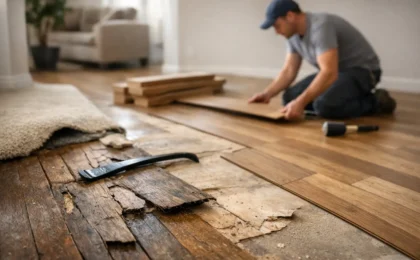
May 16, 2026
Learn when should flooring be replaced in rentals and commercial spaces. Spot wear, water damage, safety issues, and timing to reduce downtime.

March 15, 2026
Lorem ipsum dolor sit amet, consectetur adipiscing elit. Suspendisse vitae ligula quis

March 9, 2026
Lorem ipsum dolor sit amet, consectetur adipiscing elit. Suspendisse vitae ligula quis

March 8, 2026
Lorem ipsum dolor sit amet, consectetur adipiscing elit. Suspendisse vitae ligula quis

March 14, 2019
Lorem ipsum dolor sit amet, consectetur adipiscing elit. Suspendisse vitae ligula quis

Cleaning /
March 13, 2019
Lorem ipsum dolor sit amet, consectetur adipiscing elit. Suspendisse vitae ligula quis

March 12, 2019
Lorem ipsum dolor sit amet, consectetur adipiscing elit. Suspendisse vitae ligula quis

March 10, 2019
Lorem ipsum dolor sit amet, consectetur adipiscing elit. Suspendisse vitae ligula quis