CALL US NOW:

When Should Flooring Be Replaced?
A floor rarely fails all at once. More often, it starts costing you in quieter ways – longer turn times, recurring repairs, resident complaints, trip hazards, and units that simply do not show well. For property managers and owners, the real question is not just when should flooring be replaced, but when replacement becomes the smarter operational decision than one more patch.
In multifamily and commercial properties, flooring is a performance surface. It takes daily traffic, furniture movement, moisture, cleaning chemicals, pet damage, and sunlight. At some point, appearance, safety, and maintenance costs stop lining up with another repair. That is usually the moment to act.
When should flooring be replaced instead of repaired?
The short answer is this: replace flooring when damage is widespread, when the subfloor may be compromised, when the finish no longer supports safe use, or when repeated repairs are extending vacancy instead of reducing it.
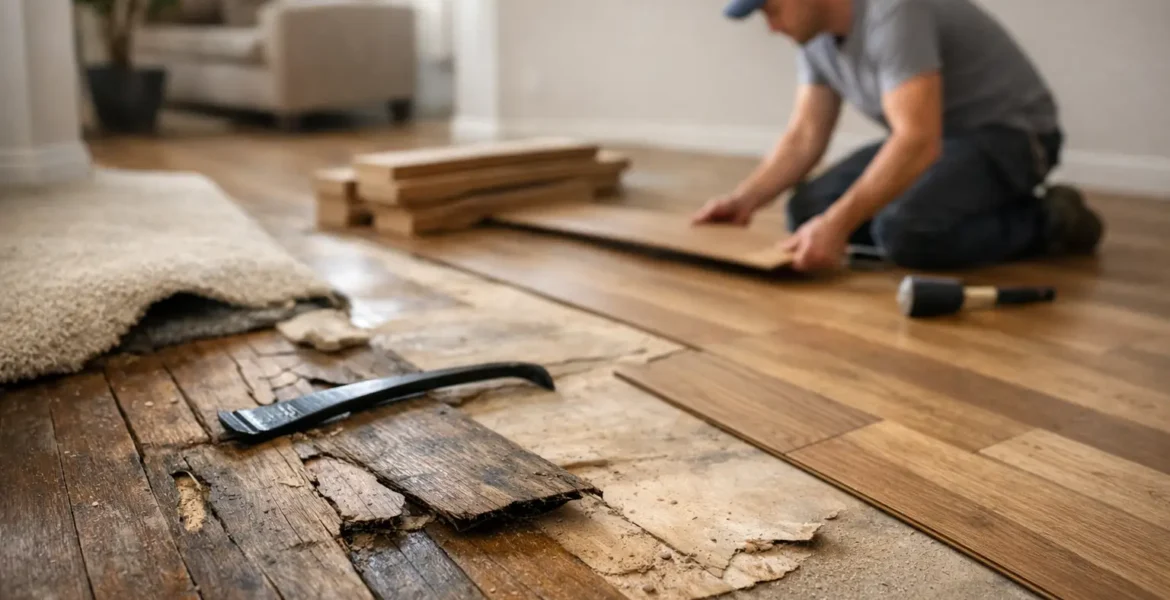
A single torn carpet seam in an otherwise clean unit is usually a repair issue. A series of ripples, stains, odors, and matted traffic lanes across multiple rooms is not. The same logic applies to hard surfaces. One chipped plank may be manageable. A pattern of swelling, delamination, lifting edges, or moisture intrusion usually points to replacement.
For portfolio operators, there is also a timing factor. If crews are returning multiple times for touch-ups, if flooring delays make-ready schedules, or if old finishes are hurting lease-up, replacement often saves more than it costs.
The clearest signs flooring is at the end of its useful life
Visible wear is the obvious signal, but it should not be the only one you watch. The stronger indicator is whether the floor still supports safe, efficient occupancy.
Carpet usually reaches replacement territory when stains are set, backing is exposed, padding has collapsed, or odors remain after professional cleaning. In rental turns, old carpet can also become a leasing problem even when it is technically usable. If a prospect reads the unit as dated or poorly maintained, the flooring is no longer doing its job.
Luxury vinyl plank, laminate, and sheet vinyl often need replacement when joints start separating, edges curl, water causes swelling, or the wear layer has broken down in traffic paths. Surface scratches alone may not justify a full replacement. But once moisture gets under the material or sections begin shifting underfoot, the problem tends to spread.
Tile tends to last longer, but failures become serious when cracks repeat, grout deterioration allows water intrusion, or hollow spots suggest bond failure. Broken tile in high-traffic common areas is not just cosmetic. It can become a liability issue quickly.
Hardwood has more range because it can sometimes be refinished. Even so, replacement becomes more likely when boards cup, rot, split deeply, or show repeated moisture damage. If the subfloor has movement or water exposure beneath the finish floor, refinishing will not solve the underlying issue.
Water damage changes the timeline fast
In Southern California properties, flooring decisions often shift after plumbing failures, appliance leaks, roof leaks, or slab-related moisture events. Once water gets into porous materials, the timeline compresses.
Carpet and pad exposed to contaminated water generally should not be saved. Clean water losses are more nuanced, but speed matters. If drying is delayed, odors, microbial growth, and material breakdown can follow. With vinyl, laminate, and wood-look products, the visible surface may appear fine while moisture remains trapped underneath.
That is why flooring replacement after a water event should never be based on appearance alone. Soft spots, cupping, lifting, hidden moisture, and subfloor deterioration can keep developing after the initial incident. For managers balancing insurance, tenant communication, and turnover schedules, this is where working with a trusted general contractor matters. The right call is not always the cheapest short-term option. It is the one that protects the structure and prevents a second loss.
Safety and liability matter as much as appearance
Property teams sometimes delay flooring replacement because the damage seems minor. But flooring issues turn into liability issues faster than many operators expect.
Loose transitions, torn carpet, cracked tile, buckling planks, and slick worn finishes all increase fall risk. In occupied buildings, that risk applies to residents, guests, vendors, and staff. In common areas, it is even harder to justify waiting once a defect is visible.
There is also a compliance and reputation side to this. HOA boards, commercial owners, and professional managers are expected to maintain safe conditions. If flooring defects are documented and unresolved, what looked like a routine maintenance delay can become a much bigger problem.
Age matters, but condition matters more
Many owners want a firm replacement schedule. That is understandable, especially across larger portfolios. But flooring lifespan depends heavily on product quality, installation standards, traffic level, cleaning practices, and moisture exposure.
As a general benchmark, builder-grade carpet in rental units may show functional decline much sooner than premium carpet in low-traffic office space. Vinyl plank can perform very well in turns and occupied units, but lower-grade material in wet areas may fail early. Tile can last for decades, yet still need partial or full replacement if substrate issues were never addressed.
So yes, age matters. But a seven-year-old floor in a high-turn unit may be a bigger replacement priority than a twelve-year-old floor in a stable, well-maintained space. Smart replacement planning comes from site conditions, not just a spreadsheet date.
What property managers should assess before making the call
Before deciding whether to repair or replace, look at four things: scope, cause, downtime, and asset impact.
First, determine how far the damage extends. Is it isolated to one area, or does it continue into adjoining rooms and thresholds? Second, identify the cause. Cosmetic wear is one thing. Moisture, subfloor movement, or installation failure is another. Third, consider downtime. A series of repairs can drag out a turn longer than a coordinated replacement. Fourth, think beyond the current tenant issue. Will this flooring support the next lease cycle, or are you buying a temporary fix?
For realtors and listing professionals, there is also marketability to weigh. Fresh, consistent flooring can materially improve showings, photos, and buyer perception. Mixed patches, mismatched materials, and visible wear often do the opposite.
Replacement timing is often a portfolio decision
The best time to replace flooring is not always when it finally fails. In managed properties, the better strategy is often planned replacement during a vacancy, remodel, or insurance-backed restoration window.
That timing reduces disruption, avoids emergency scheduling, and gives you more control over material selection and labor coordination. It also makes it easier to align flooring with paint, cleaning, cabinetry, and other turn items. When one vendor can manage multiple scopes, execution is typically faster and accountability is clearer.
This is especially relevant in multifamily operations where vacancy days directly affect revenue. Flooring that is technically still usable but repeatedly slowing rent-ready work may already be too expensive to keep.
Choosing replacement materials with turnover in mind
When replacement is necessary, product choice should reflect how the space is actually used. That means looking at traffic, moisture exposure, cleaning demands, acoustics, resident expectations, and speed of installation.
In many rental and commercial settings, low-maintenance hard surface products outperform carpet over time. But there are trade-offs. Hard surfaces may improve durability and simplify cleaning, yet they can increase sound transmission in some building types. Carpet may still make sense in certain bedrooms, offices, or upper-floor environments where noise control matters.
The right answer depends on the asset, not trends. A good replacement plan balances appearance, lifecycle cost, and operational realities.
When should flooring be replaced in occupied units?
Occupied units require a tighter standard because waiting creates resident inconvenience and risk. If flooring presents a trip hazard, persistent odor, water damage concern, or daily usability problem, replacement should move up quickly.
That does not mean every worn surface demands immediate action. But once the floor affects habitability, safety, or sanitation, it is no longer just a cosmetic line item. In those cases, speed, communication, and clean execution matter just as much as the material itself.
For Southern California operators, that often means partnering with a contractor who can assess damage accurately, coordinate restoration if moisture is involved, and keep the project moving without creating more disruption than necessary. V&S Management Services Inc. has built long-term trust in this market by handling exactly those high-pressure property situations with speed and accountability.
A reliable floor should support leasing, safety, and daily operations without demanding constant attention. When it stops doing that, replacement is not an upgrade for the sake of appearances. It is a practical step to protect the asset, reduce downtime, and keep the property performing the way it should.

YOU MAY ALSO LIKE
May 17, 2026
Learn how to handle burst pipe damage fast to protect units, reduce downtime, and limit insurance issues with the right emergency response steps.
May 17, 2026
Need commercial office cleaning services near me? Learn what to look for, what affects cost, and how to choose a reliable local team.

May 17, 2026
What is home cleaning services? Learn what it includes, who needs it, typical tasks, and how to choose a reliable local provider with confidence.

May 17, 2026
Learn how to plan flooring replacement project steps, budget, timing, materials, and prep so your home or property upgrade stays on track.
May 17, 2026
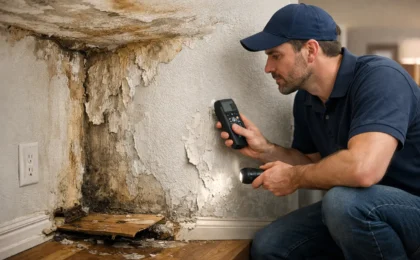
Learn the top signs of hidden water damage in walls, ceilings, and floors before small leaks turn into costly repairs, downtime, and claims.

March 15, 2026
Lorem ipsum dolor sit amet, consectetur adipiscing elit. Suspendisse vitae ligula quis

March 9, 2026
Lorem ipsum dolor sit amet, consectetur adipiscing elit. Suspendisse vitae ligula quis

March 8, 2026
Lorem ipsum dolor sit amet, consectetur adipiscing elit. Suspendisse vitae ligula quis

March 14, 2019
Lorem ipsum dolor sit amet, consectetur adipiscing elit. Suspendisse vitae ligula quis

Cleaning /
March 13, 2019
Lorem ipsum dolor sit amet, consectetur adipiscing elit. Suspendisse vitae ligula quis

March 12, 2019
Lorem ipsum dolor sit amet, consectetur adipiscing elit. Suspendisse vitae ligula quis

March 10, 2019
Lorem ipsum dolor sit amet, consectetur adipiscing elit. Suspendisse vitae ligula quis