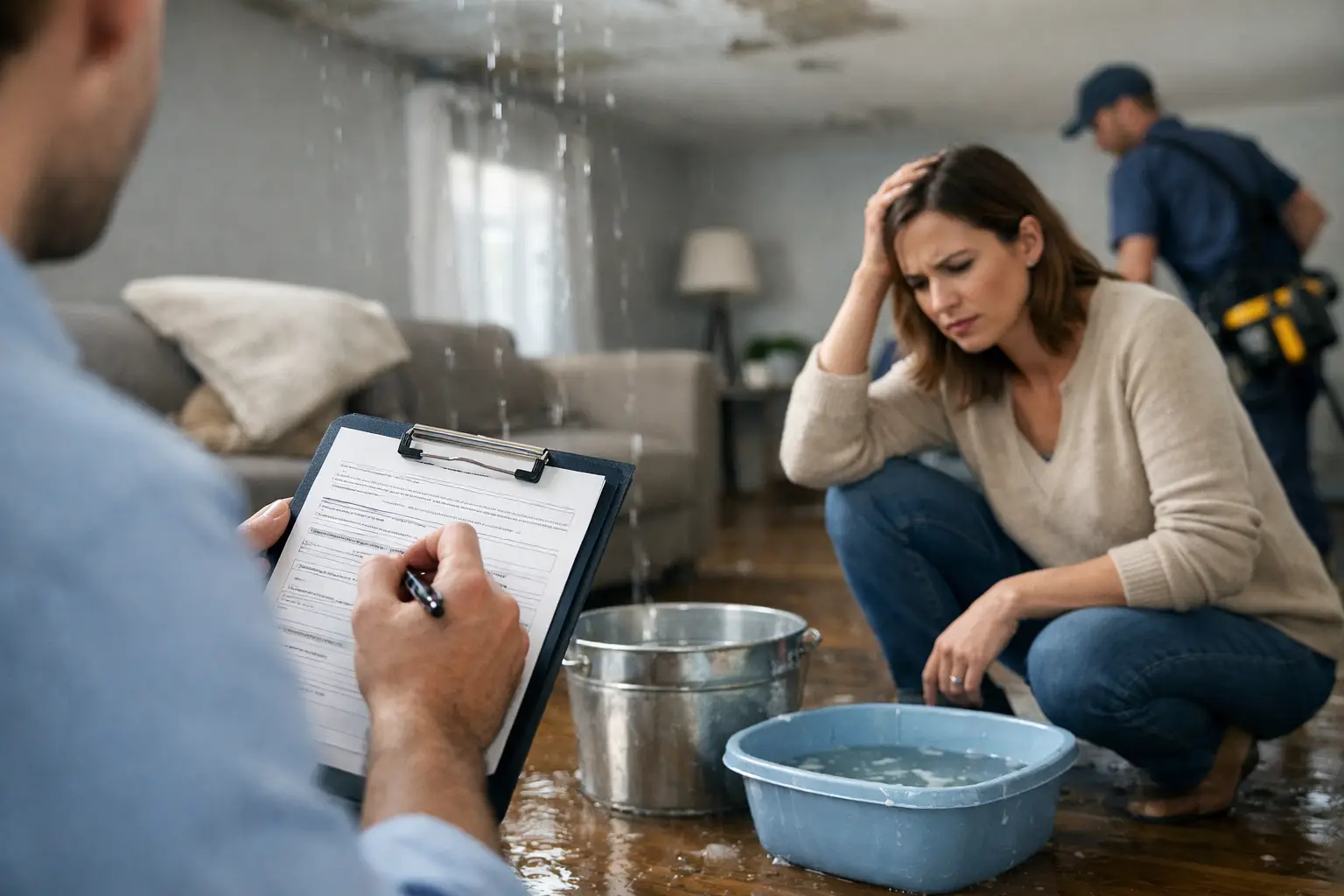
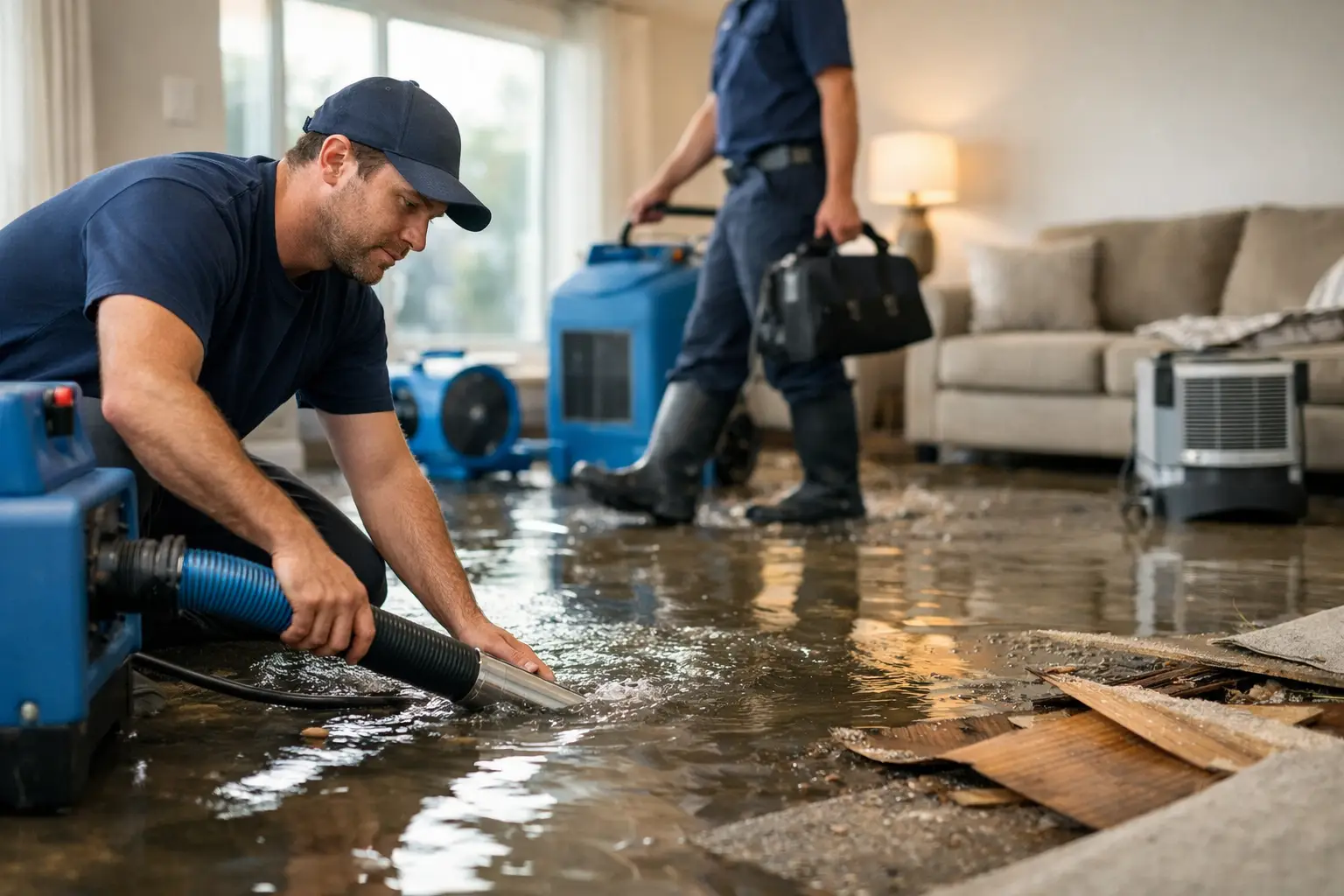
A supply line fails at 2:10 a.m. By 6:00 a.m., water has moved from one unit into the hallway, down a wall cavity, and into the suite below. For property managers, that is not just a maintenance issue. It is a vacancy risk, a tenant relations problem, and a potential insurance claim that gets more expensive by the hour. That is why 24 hour water removal services matter - not as a convenience, but as an operational safeguard.
When water sits, the damage rarely stays where it started. Flooring absorbs it. Baseboards wick it. Drywall softens. Odors begin. If the source came from a contaminated line or overflow, the health and liability concerns increase fast. The value of an emergency response team is not simply showing up quickly. It is knowing how to contain loss, document conditions, and move a property from emergency to recovery without creating delays between vendors.
What 24 hour water removal services actually need to accomplish
In commercial and multi-unit environments, water removal is only the first job. A wet extraction crew that leaves without a drying plan, moisture readings, containment, and clear next steps does not solve the real problem. Professional 24 hour water removal services should stabilize the property, protect unaffected areas, and create a path toward restoration.
That means locating and addressing the source, removing standing water, evaluating how far moisture migrated, and setting up proper drying equipment. It also means documenting damage in a way that supports internal reporting and, when needed, insurance claim coordination. For a property manager overseeing multiple units or buildings, speed matters, but clarity matters just as much.
The difference shows up in the days that follow. A rushed response can leave hidden moisture in subflooring, cabinets, wall assemblies, or common area finishes. That tends to become a second emergency later, often with a higher repair scope. A disciplined response reduces that risk and gives owners a better chance of preserving materials that do not need full replacement.
Why response time changes the outcome
Water damage gets discussed in terms of categories and classes, but most decision-makers care about a simpler question: how much more damage happens if no one acts right away? The answer depends on the source, the building materials, and how long the moisture remains in place.
Clean water from a broken line can still become a much larger issue if it saturates porous materials and sits overnight. In multi-unit buildings, the spread pattern is often worse than expected because water follows framing, penetrations, elevator-adjacent shafts, and floor transitions. What begins in one kitchen can affect neighboring units, corridors, and lower levels.
Fast extraction usually gives you more options. Carpet may be salvageable in one case and a total loss in another, simply because one property got immediate service and the other waited until business hours. The same is true for vinyl plank edges, drywall cuts, cabinetry bases, and tenant disruption. Every hour does not produce identical damage, but delays consistently narrow your best-case outcome.
The real cost is downtime, not only repairs
For owners and managers, water damage is expensive because it interrupts operations. A vacant unit may stay off-market longer. An occupied unit may become partially unusable. Common areas can trigger resident complaints, access restrictions, or safety concerns. In commercial properties, water damage can affect tenant operations and increase pressure for immediate communication.
That is where an integrated contractor has an advantage over a patchwork response. If one vendor extracts water, another handles demolition, another manages drying verification, and another later performs reconstruction, handoff delays can add days or weeks. That fragmented model often creates confusion about responsibility, scheduling, and documentation.
A single accountable partner can move from emergency mitigation to repairs with less friction. For property professionals managing portfolios rather than one-off incidents, that matters. It keeps decisions centralized, reduces administrative back-and-forth, and helps protect occupancy timelines.
What property managers should expect from 24 hour water removal services
A serious emergency vendor should arrive prepared to make decisions, not just set equipment. In practice, that means clear communication from the first call, a disciplined site assessment, and visible control over the loss environment.
Immediate stabilization
The first priority is safety and damage control. That may include isolating the source, identifying electrical hazards, restricting access, and protecting adjacent finishes. In a multi-unit property, the team should also think beyond the origin point and inspect for migration into neighboring spaces.
Water extraction and moisture mapping
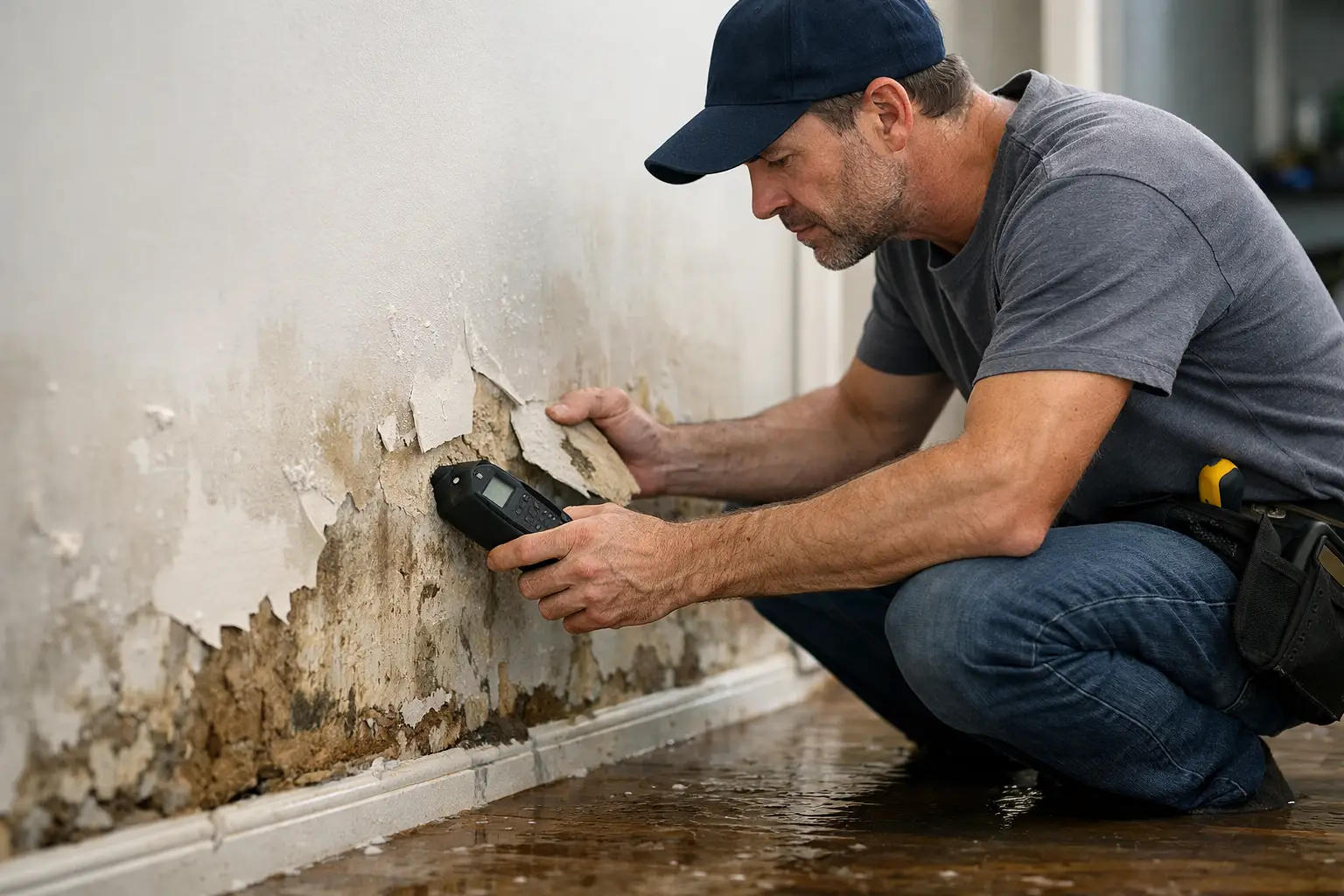
Standing water must be removed quickly, but surface extraction alone is not enough. A qualified team should check how deeply moisture has moved into flooring, wall assemblies, and structural materials. Moisture mapping helps determine whether materials can be dried in place or need removal.
Drying strategy and monitoring
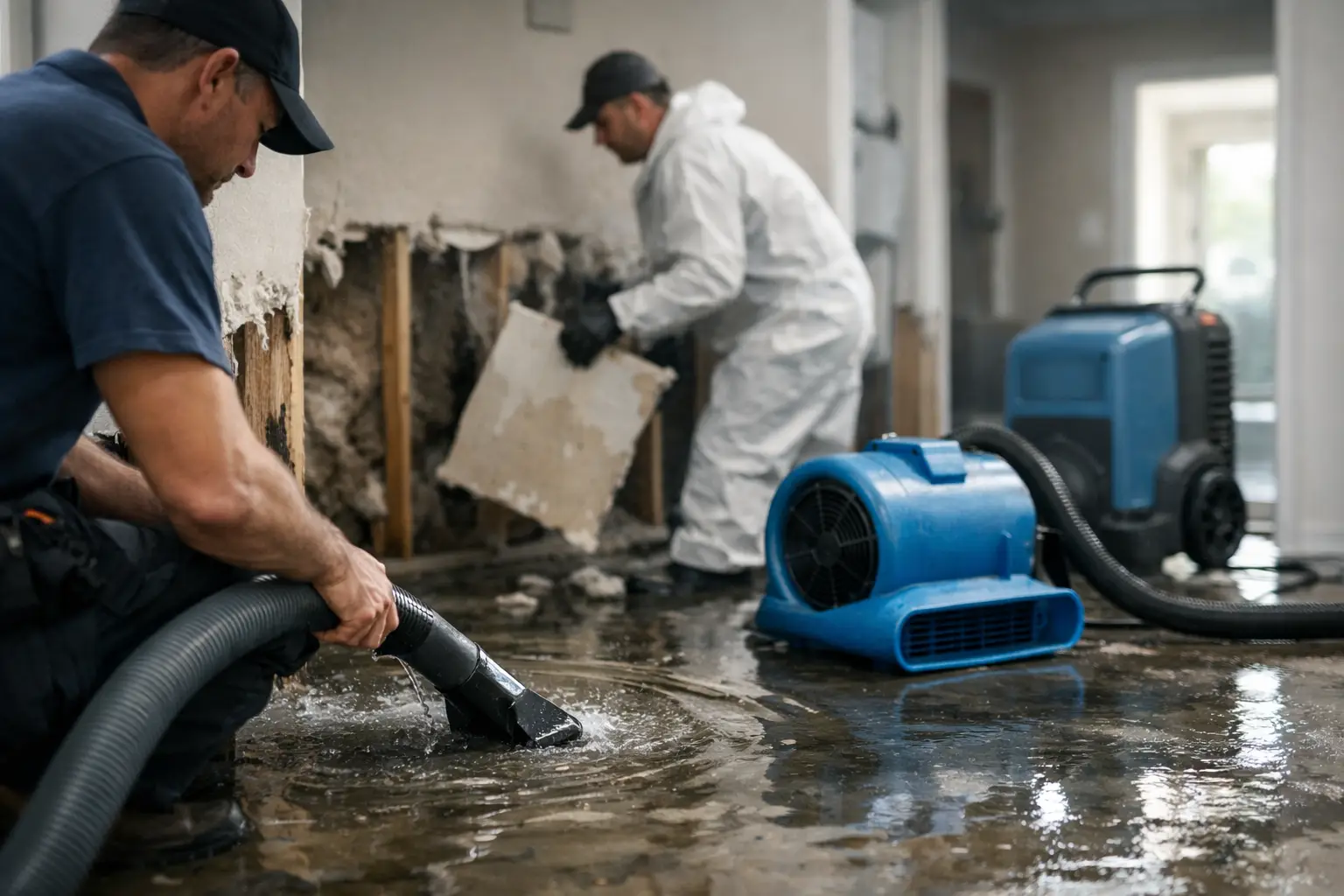
Drying is not a one-visit task. Equipment placement, airflow, dehumidification, and follow-up readings all matter. Buildings with shared walls, older construction, or layered renovations can behave differently than newer units, so the drying plan should reflect real site conditions rather than a generic setup.
Documentation and insurance support
Photos, readings, job notes, and scope records are not paperwork for its own sake. They help owners, managers, and carriers understand what happened and why certain mitigation steps were necessary. This is especially useful when multiple units are affected or when repair decisions need approval quickly.
Why compliance matters during an emergency
In urgent situations, it is tempting to focus only on who can arrive first. But for professional property stakeholders, speed without compliance is a gamble. Emergency work inside occupied buildings carries liability, access concerns, and downstream construction implications.
A fully licensed, bonded, and insured contractor provides more than a credential checklist. It reduces exposure. It gives boards, ownership groups, and management teams confidence that the responding vendor is equipped to work within professional standards. In regulated property environments, that is not optional. It is part of risk management.
This is also where communication can make or break the experience. Managers need updates they can share with owners and residents. Realtors and asset teams need realistic timelines. Bilingual communication can be especially valuable in Southern California properties where resident coordination must happen quickly and clearly.
It depends on the building, and that is the point
Not every water loss should be handled the same way. A small overnight leak in an unoccupied unit is different from a burst line in a busy multi-family building. A ground-floor commercial suite with concrete and tile presents different drying challenges than a second-floor residential unit with laminate, drywall, and cabinetry.
The right response should match the building type, occupancy status, and business impact. Sometimes selective demolition is the best path to accelerate drying and prevent wider damage. Other times, careful in-place drying preserves finishes and shortens reconstruction. Good emergency service is not about using the biggest equipment package. It is about making the right call early.
That practical judgment is often what separates experienced partners from reactive crews. Since 1989, V&S Management Services Inc. has worked with the kind of property professionals who need more than a quick arrival time. They need a contractor that understands turnover pressure, tenant coordination, compliance, and what it takes to get units and common areas back into service.
Choosing a partner before the emergency happens
The best time to evaluate 24 hour water removal services is before your next loss. Once water is moving through multiple units, every unanswered call adds pressure. Property managers benefit from having an emergency partner already vetted for licensing, insurance, responsiveness, and restoration capability.
Ask practical questions. Can the contractor support both mitigation and rebuild? Do they understand multi-unit operations? Can they document thoroughly for insurance purposes? Will they communicate clearly with management, residents, and stakeholders? Those answers often matter more than flashy promises.
A dependable partner should help protect more than the damaged area. They should help protect schedules, occupancy, resident confidence, and asset value. In that sense, emergency water removal is not separate from broader property performance. It is part of it.
Water losses never arrive at a convenient time, and they rarely stay small on their own. The right response is not just fast arrival. It is disciplined action that limits spread, supports recovery, and keeps the property moving forward with as little disruption as possible.