A pipe bursts at 2 a.m., a tenant calls about a ceiling leak, or a water heater gives out right before an open house. In those moments, a solid water damage restoration guide matters because the first few hours can decide whether you are dealing with a manageable cleanup or a much bigger repair.
Water spreads fast, and it does not stay where it starts. It moves into drywall, baseboards, subflooring, insulation, cabinetry, and adjacent rooms before the visible damage tells the full story. For homeowners, property managers, real estate professionals, and business owners in Orange County and Los Angeles County, the priority is simple - act quickly, protect the property, and avoid choices that make the damage worse.
What to do first when water damage is discovered
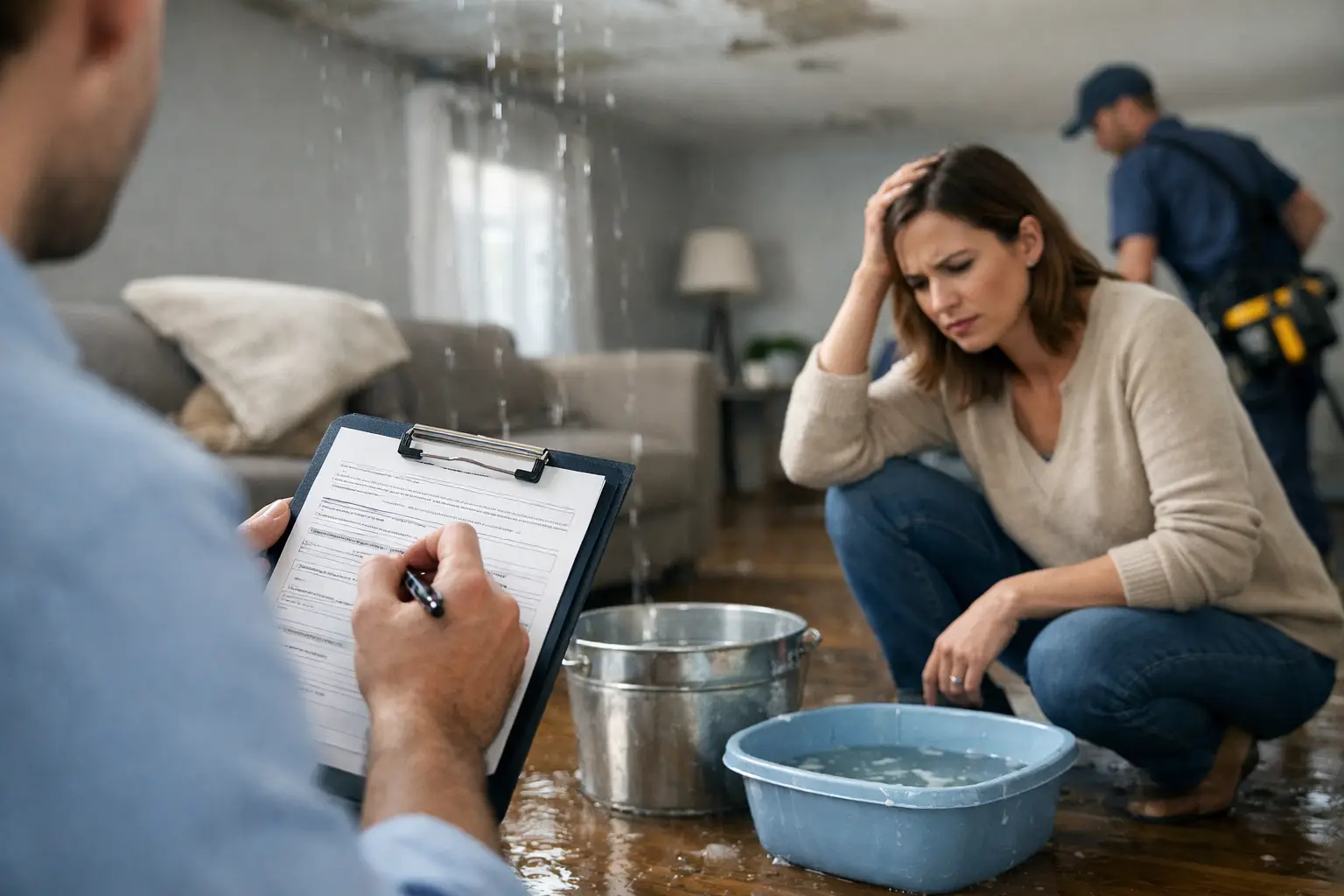
Start with safety. If water is near outlets, appliances, or your electrical panel, do not step into standing water until power to the affected area is safely shut off. If the leak involves a ceiling bulge, do not assume it will hold. If the source is not obvious, shut off the main water supply if you can do so safely.
Once the area is safe to enter, stop the source if possible. That may mean turning off a supply line, shutting down an appliance, placing a container under an active drip, or temporarily protecting an exposed opening in the roof. The goal is not a perfect fix. It is to keep additional water from entering the structure.
After that, document what you see. Take photos and video of affected rooms, damaged materials, furniture, flooring, and visible water lines. This step helps with insurance claims and gives a clear record of the condition before cleanup begins. It is also useful when multiple parties are involved, such as landlords, tenants, adjusters, or maintenance teams.
Then remove what you can from the wet area. Move rugs, electronics, paperwork, inventory, and furniture to a dry space if it is safe to do so. The longer items sit in moisture, the lower the chances of salvage. Even small actions taken early can reduce replacement costs.
A practical water damage restoration guide to the next 24 hours
The next day is about mitigation, not cosmetic cleanup. People often want to mop the floor, run a few fans, and get back to normal. Sometimes that works for a minor spill on a sealed surface. More often, the water has already moved below the surface.
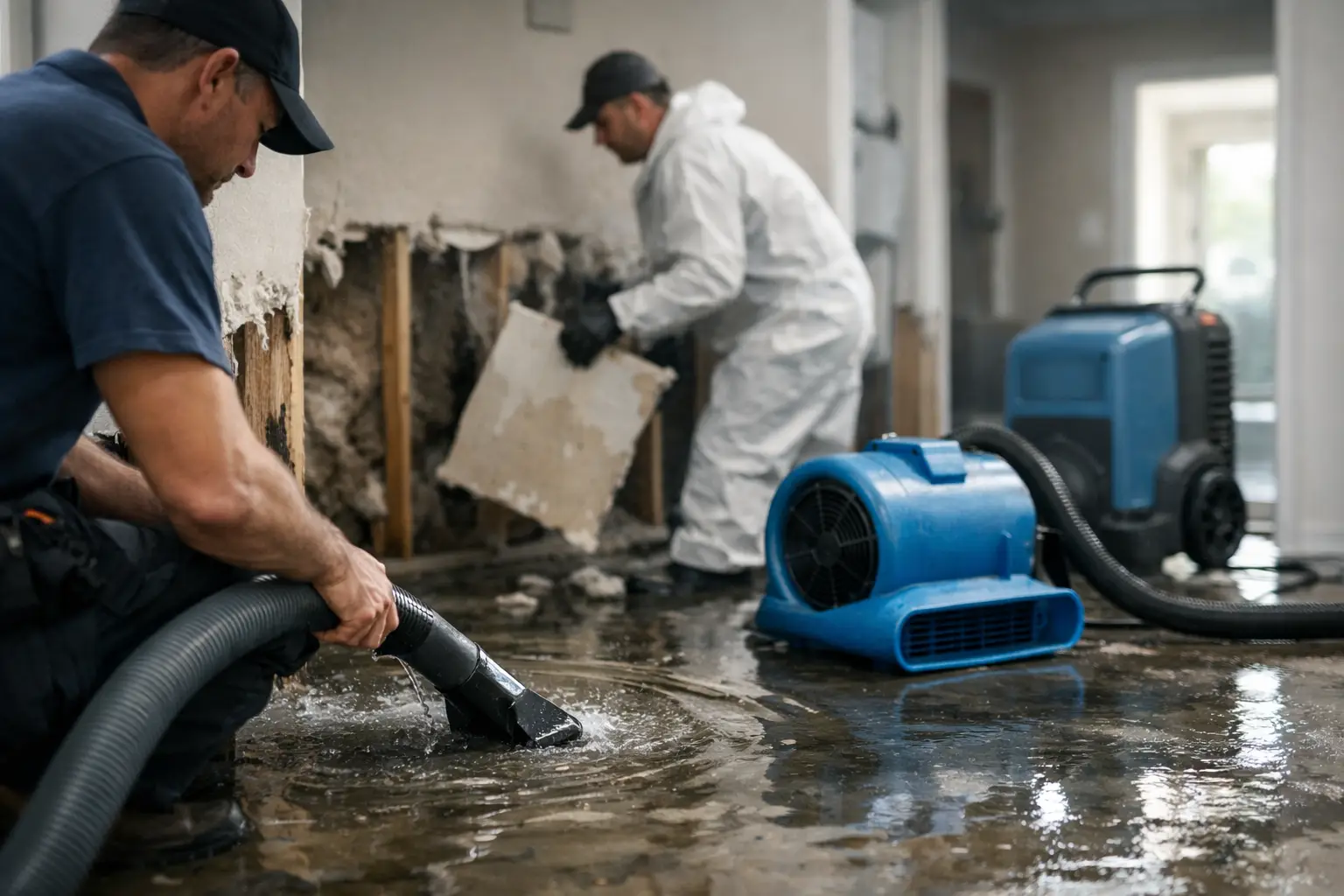
Professional water extraction is usually the turning point. Standing water and trapped moisture need to be removed quickly with the right equipment. Towels and a household wet vacuum can help in a pinch, but they are not designed for larger losses or hidden saturation. Drywall can wick water upward, laminate can trap moisture underneath, and flooring systems can hold water long after the surface feels dry.
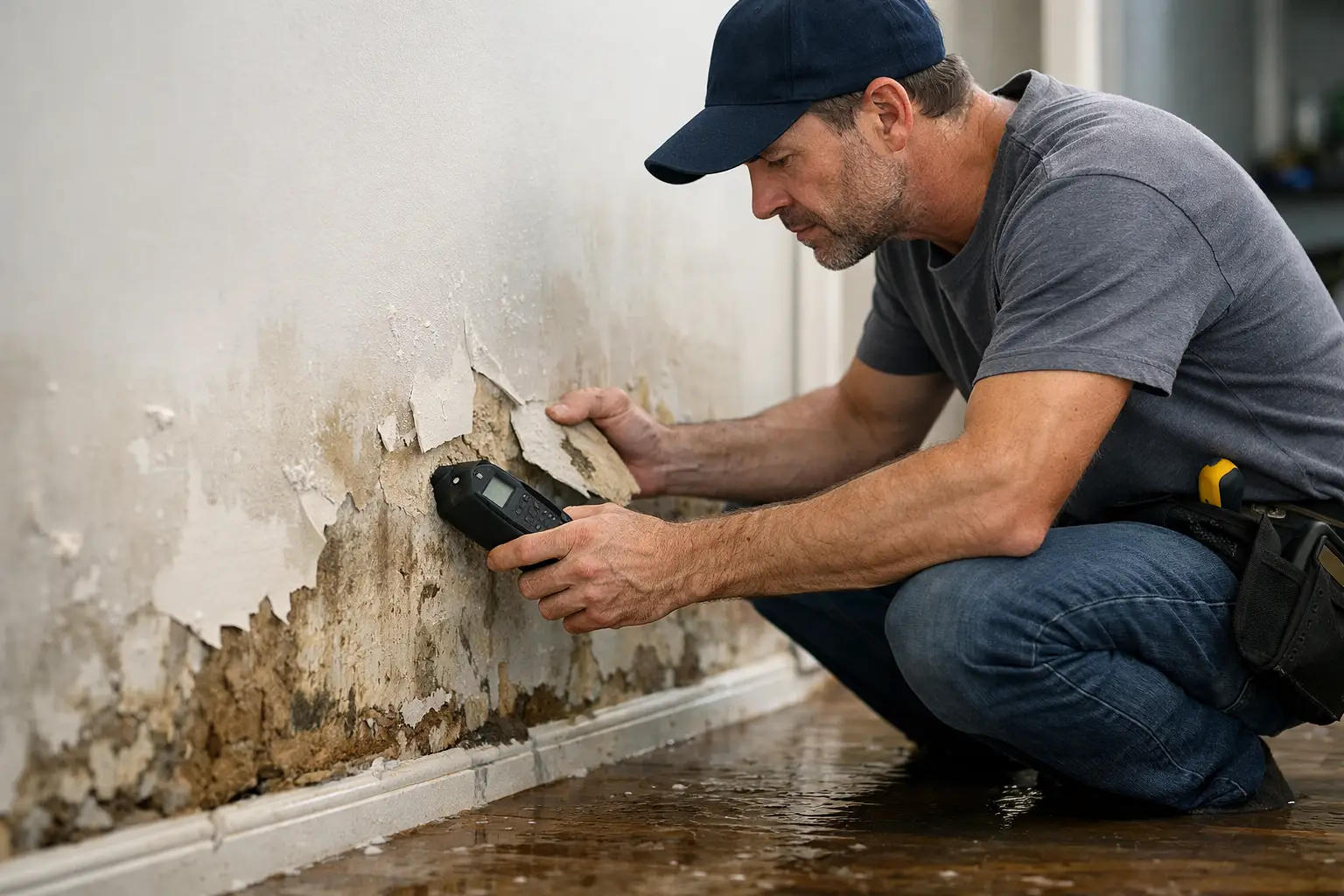
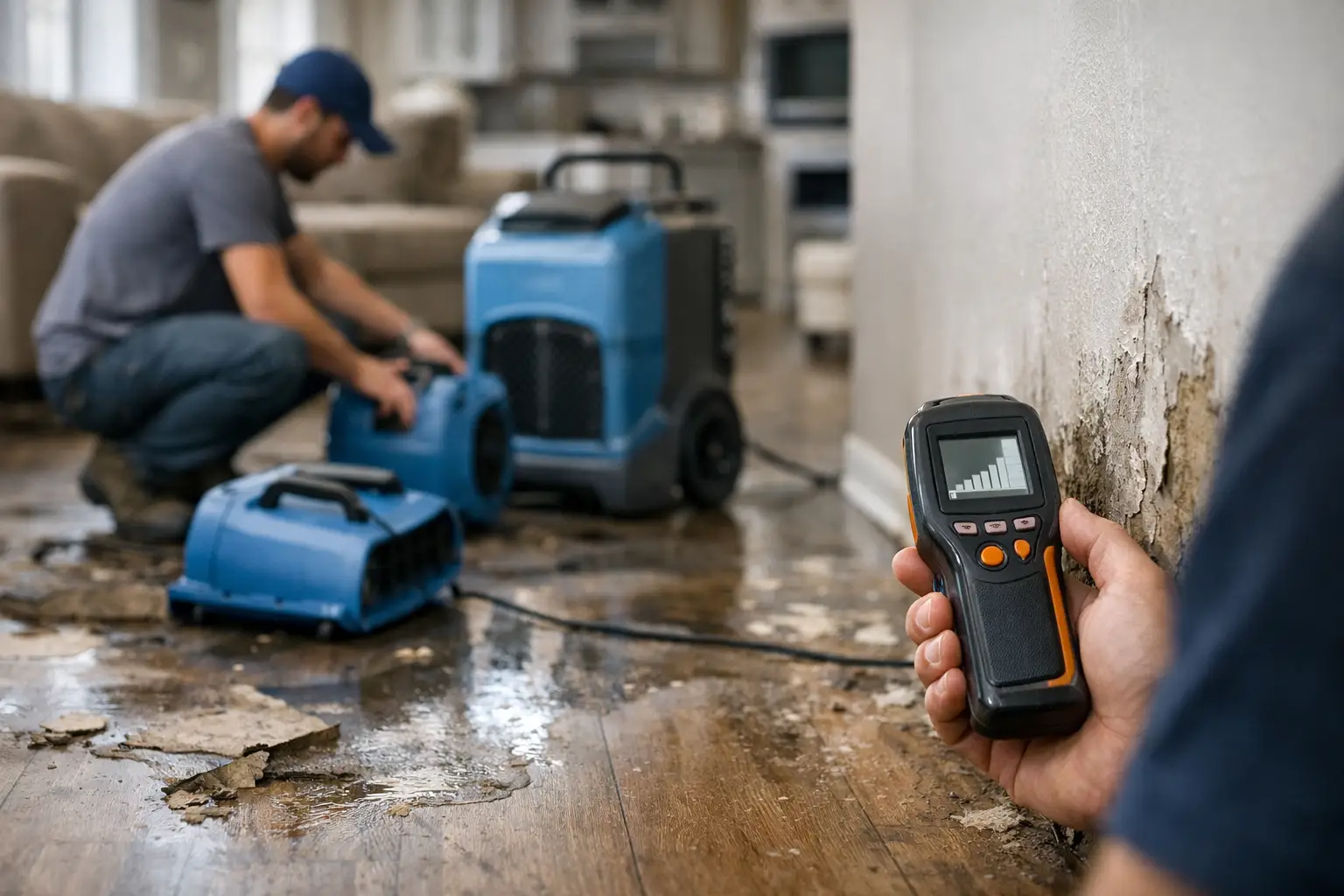
Drying is also more precise than many people realize. The process may involve air movers, dehumidifiers, moisture meters, and targeted removal of materials that cannot dry properly in place. A dependable contractor will not guess. They will measure moisture, identify affected areas, and build a drying plan based on the actual conditions in the property.
This is where trade-offs come in. If the damage is limited to a small area and caught immediately, drying in place may be enough. If water has been sitting for hours or longer, or if it reached walls, insulation, or wood framing, selective demolition may be the safer and more cost-effective choice. Saving everything is not always the best outcome if trapped moisture leads to swelling, odor, or mold.
What not to do after a leak or flood
One common mistake is waiting to see if things dry on their own. In Southern California, people sometimes assume warm weather will solve the problem. It helps, but it does not remove moisture hidden behind walls or under floors.
Another mistake is replacing materials too soon. New flooring or fresh paint put over damp subfloors or wet drywall can fail quickly. The property may look better for a short time, but the unresolved moisture problem stays in place.
It is also risky to treat all water losses the same. Clean water from a fresh supply line is different from water involving drain backups, roof contamination, or long-standing intrusion. The cleanup approach, safety concerns, and material decisions can change depending on the source.
Finally, do not throw away damaged materials before they are documented, unless they create an immediate health or safety issue. Insurance carriers often need clear evidence of loss, and a rushed disposal can complicate the claim.
How water damage affects different parts of a property
Flooring is often the first thing people notice, but it is not always the main issue. Hardwood can cup or buckle. Laminate may separate at the seams. Carpet can hold water in both the pad and subfloor. Tile may seem unaffected while moisture remains trapped beneath it.
Drywall and insulation are especially vulnerable. Water can travel behind the painted surface and collect lower in the wall cavity. By the time staining appears, the affected area may be wider than expected. Ceiling damage can also spread farther than the leak point because water follows framing and other hidden paths.
Cabinets, trim, doors, and built-ins can swell or lose finish quality. In commercial spaces, water can affect inventory, office furniture, equipment, and tenant improvements. In rental properties, delayed response can also mean longer vacancy, disrupted occupancy, and more complicated coordination with tenants and insurance.
When to call a professional restoration team
A good rule is this: if water affected more than a very small, fully visible area, or if the source was not immediately stopped, professional help is the smart move. The same applies if water reached walls, ceilings, flooring systems, or multiple rooms.
Professional restoration is not only about drying. It is about finding the full extent of the damage, reducing the chance of secondary issues, and planning repairs in the right order. For many property owners, there is real value in working with one trusted general contractor that can handle emergency water extraction, damaged material removal, drying, repairs, flooring replacement, and follow-up improvements without passing the job between vendors.
That continuity saves time and reduces confusion. It also matters when insurance is involved. A contractor experienced with restoration documentation and insurance-claim support can help keep the process organized, especially when the situation is already stressful.
Choosing the right help in Orange County and Los Angeles County
Response time matters, but so does range of service. A fast crew that only extracts water may still leave you searching for separate help with drywall, flooring, painting, or reconstruction. Ask whether the company can manage the full scope from mitigation through repairs.
You should also look for proof of reliability. A fully licensed, bonded, and insured contractor with long local experience brings more accountability than a temporary cleanup crew. Clear communication matters too, especially for occupied homes, managed properties, and bilingual households that need updates in English or Spanish.
V & S Management Services Inc has served Orange County and Los Angeles County since 1989 with 24/7 emergency response and practical support that extends beyond the immediate cleanup. For many clients, that means one dependable partner instead of several disconnected vendors.
The water damage restoration guide mindset that saves money
The most cost-effective response is usually the fastest informed response. That does not mean rushing into full reconstruction before the property is assessed. It means stopping the source, documenting the loss, starting mitigation quickly, and making repair decisions after moisture conditions are understood.
There is a big difference between visible dryness and actual dryness. There is also a big difference between a cleanup that looks finished and a restoration process that is truly complete. The right approach protects not only the appearance of the property, but also its structure, function, and long-term value.
If you are responsible for a home, rental unit, office, retail space, or managed property, treat water damage like a time-sensitive building issue, not a housekeeping problem. Fast action, clear documentation, and the right restoration partner can keep a stressful event from turning into a much larger setback.
When water shows up where it should not, the best next step is not to hope for the best. It is to move quickly, ask the right questions, and make sure the property is dried and repaired the right way the first time.