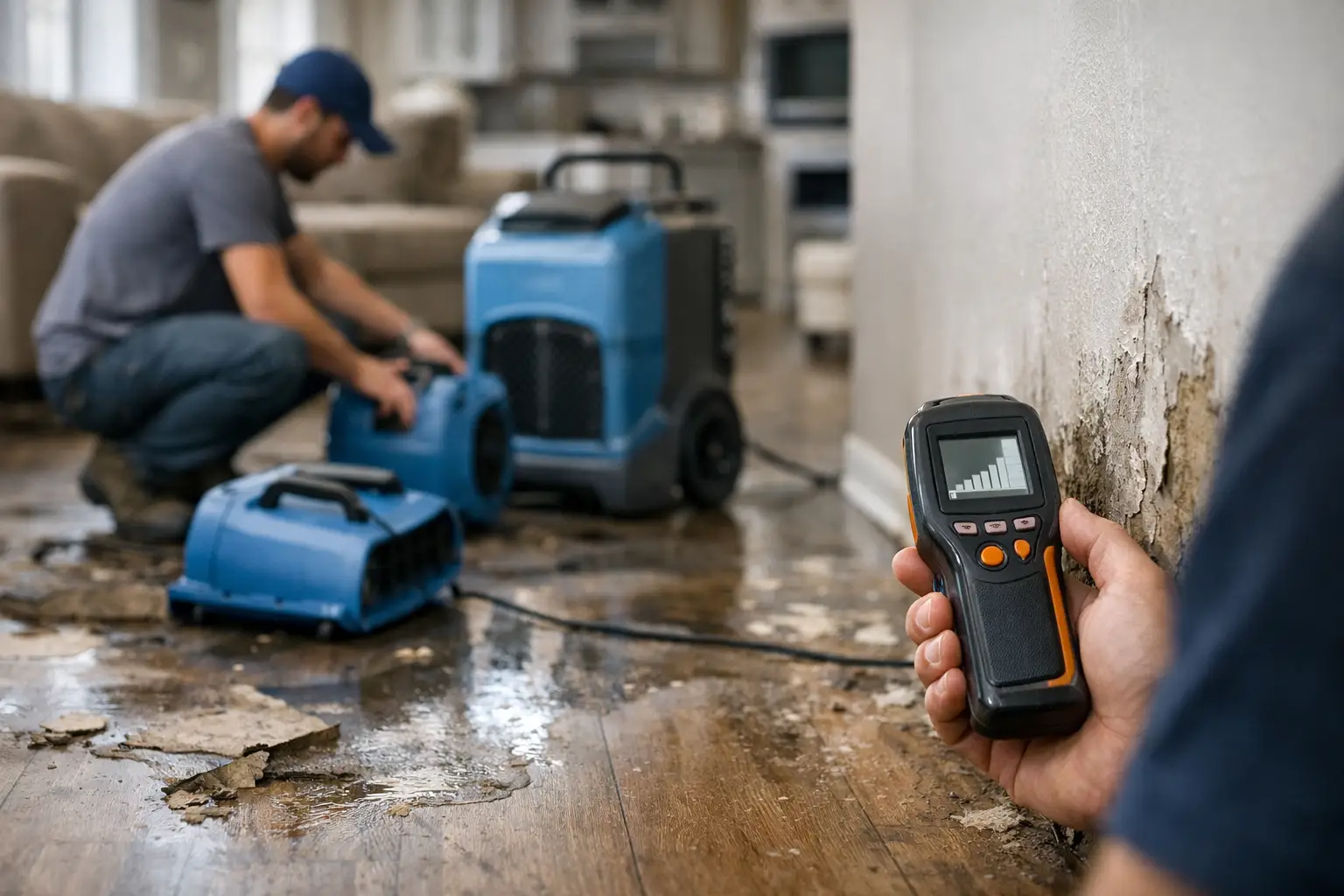
A unit looks dry long before it is actually dry. That gap is where property damage gets expensive.
For property managers and building owners, the real question behind how long does drying take is not just about waiting on wet carpet or damp drywall. It is about when a unit can move forward to repairs, when tenants can safely return, and whether hidden moisture is still putting walls, flooring, and insurance claims at risk.
In most water damage situations, professional structural drying takes anywhere from 3 to 5 days. That said, some losses dry faster, while others take a week or more depending on the source of the water, the materials involved, the weather, and how quickly mitigation begins. In Southern California, where response speed often determines whether a manageable issue becomes a major repair, those variables matter.
How long does drying take in a typical property loss?
For a small, clean-water incident caught early, drying may be completed in 48 to 72 hours. A supply line leak in a hard-surface kitchen, for example, can sometimes be stabilized quickly if extraction starts right away and moisture has not spread behind cabinets or into adjacent rooms.
A more typical multi-room loss takes 3 to 5 days. This is common when water has affected drywall, baseboards, subflooring, carpet pad, and lower wall cavities. Even when surfaces seem dry by day two, deeper materials often continue releasing moisture for several more days.
More severe losses can take 5 to 7 days or longer. That usually happens when water sat unnoticed, migrated between units, entered insulation, affected dense materials like concrete or plaster, or came from a contaminated source that requires removal instead of simple drying.
This is why experienced restoration teams do not rely on appearance alone. Drying is measured, not guessed.
What actually affects drying time?
The biggest factor is how fast mitigation begins. Water that is extracted within hours is far easier to control than water that sits overnight, seeps under flooring, and gets pulled into framing and insulation. Delays almost always increase both drying time and repair scope.
The category of water also matters. Clean water from a broken supply line is very different from gray water or black water coming from sewage backups, roof intrusion with contaminants, or long-standing standing water. With contaminated water, some materials cannot be saved and must be removed, which changes the timeline from pure drying to drying plus demolition and sanitation.
Material type is another major variable. Carpet and pad can hold a surprising amount of moisture. Drywall wicks water upward. Engineered wood and laminate often trap moisture beneath the surface. Concrete takes longer than many owners expect because it may feel dry on top while still releasing moisture from below. In multi-unit and commercial properties, layered assemblies slow everything down.
Weather and building conditions also play a role. Southern California generally offers favorable drying conditions, but coastal humidity, limited ventilation, shaded units, and poor HVAC circulation can extend the process. A sealed vacant unit without active airflow will not dry at the same pace as a well-ventilated space with proper equipment placement.
Finally, the size and complexity of the loss changes the equation. A single affected bathroom is one thing. A leak that moved through two floors, entered shared walls, and impacted multiple occupied units is another.
Why visible dryness is not enough
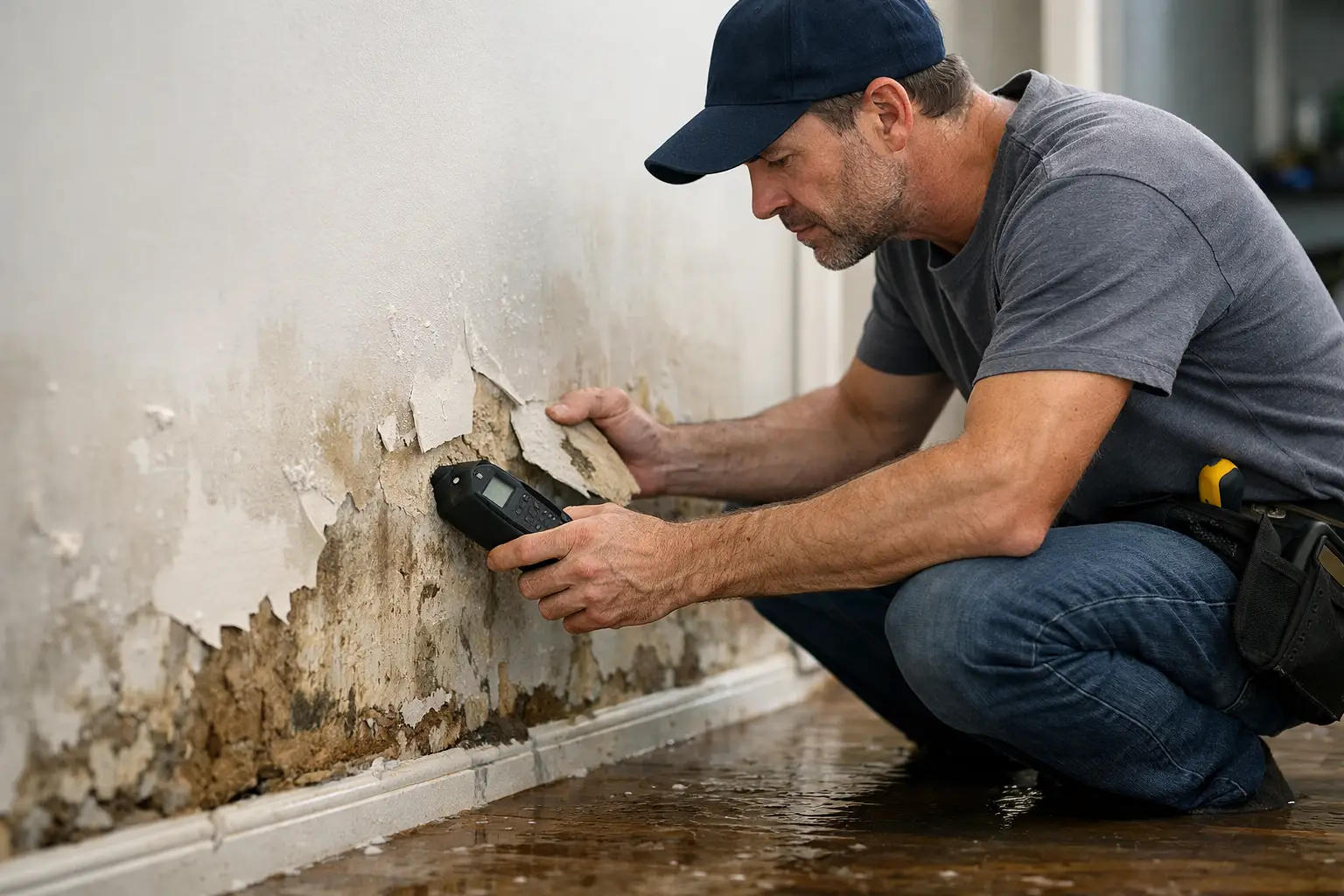
One of the most common and costly mistakes in property restoration is assuming a surface is dry because it no longer feels wet. Moisture does not work that neatly.
Drywall can retain moisture inside wall cavities after paint and texture feel normal. Subfloors can remain wet under vinyl plank or carpet. Cabinets may dry unevenly, with hidden swelling or trapped moisture against the wall. In multi-family buildings, water can also migrate laterally and affect neighboring units even when the originating space looks under control.
That is why professional drying is tracked with moisture readings and documented progress, not visual checks. A property should move to repairs only after materials meet dry standards based on the affected assembly and surrounding conditions. Starting reconstruction too early can lock in moisture, leading to odors, material failure, and future claims.
The stages of professional drying
Drying is a process, not a single event.
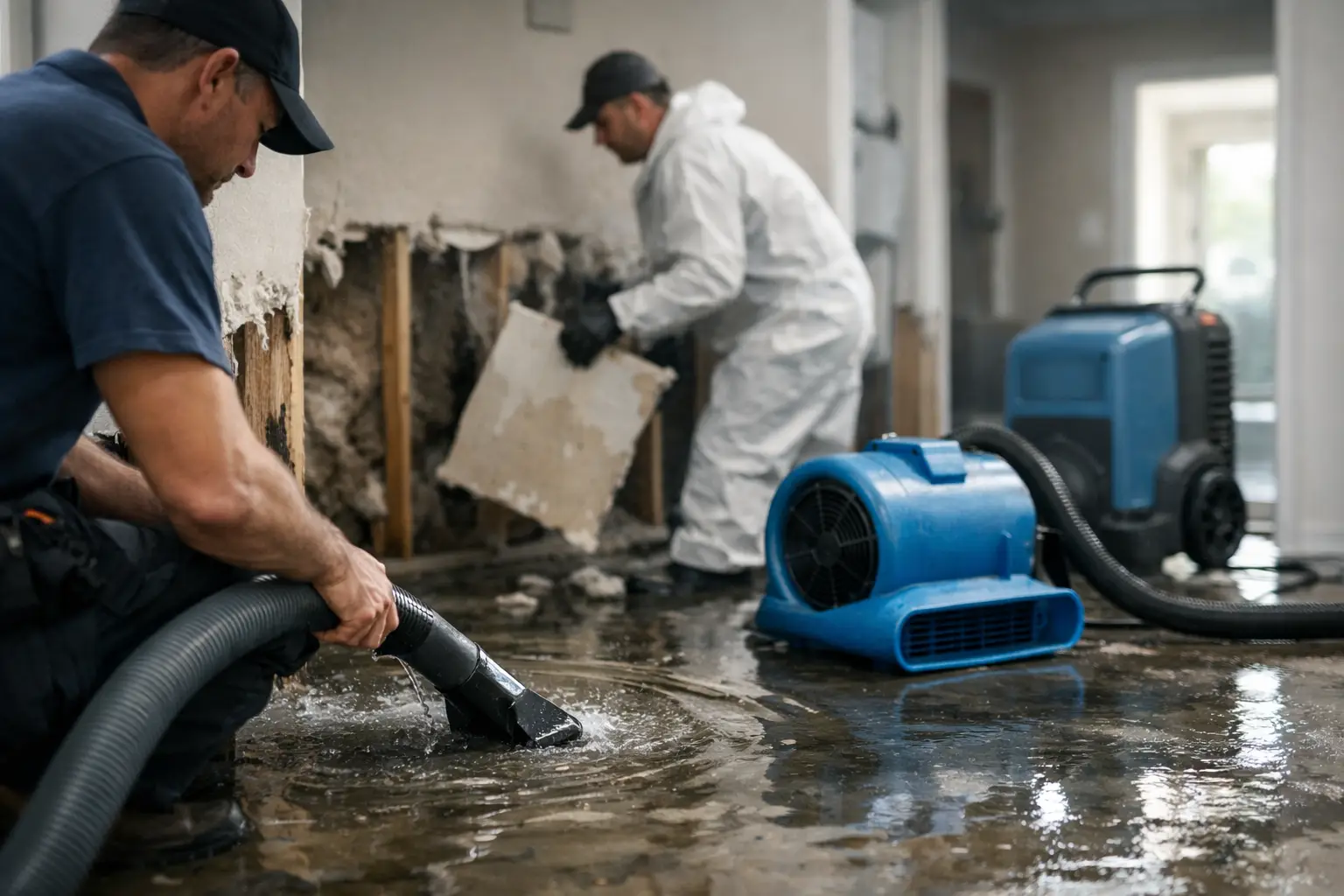
First comes emergency mitigation. This includes locating the source, stopping active water intrusion, extracting standing water, and identifying the full spread of moisture. Fast extraction is critical because every hour water remains in place increases absorption into building materials.
Next comes setup. Air movers, dehumidifiers, and in some cases air scrubbers are placed strategically based on the structure, material type, and contamination level. If needed, small access points may be created to dry wall cavities or enclosed areas more effectively.
Then comes monitoring. This is where many timelines either stay efficient or drift. Equipment should be adjusted based on daily moisture readings, humidity levels, and drying progress. Good drying plans are responsive. If a subfloor is lagging or a wall assembly is not releasing moisture as expected, the setup changes.
The final stage is clearance for repairs. Once moisture levels return to acceptable ranges, demolition can be finalized if needed and reconstruction can begin with more confidence.
How long does drying take before repairs can start?
In many cases, repairs can begin shortly after drying is confirmed, but not always the same day a surface looks normal. If materials were removed during mitigation, reconstruction planning may begin during drying, yet actual installation should wait until moisture readings support it.
For property managers trying to reduce vacancy days, this distinction matters. Pushing carpet installation, flooring replacement, or paint too early may create callbacks, failed materials, or trapped moisture that delays turnover even more.
A clean handoff between mitigation and reconstruction is where experienced vendors save time. When the same trusted general contractor understands both the emergency drying phase and the repair scope that follows, the transition tends to be faster, clearer, and easier to document for ownership and insurance stakeholders.
Common reasons drying takes longer than expected
Hidden spread is the biggest one. Water often travels farther than the visible stain suggests, especially in upstairs leaks, slab-adjacent areas, and wall-to-wall flooring systems.
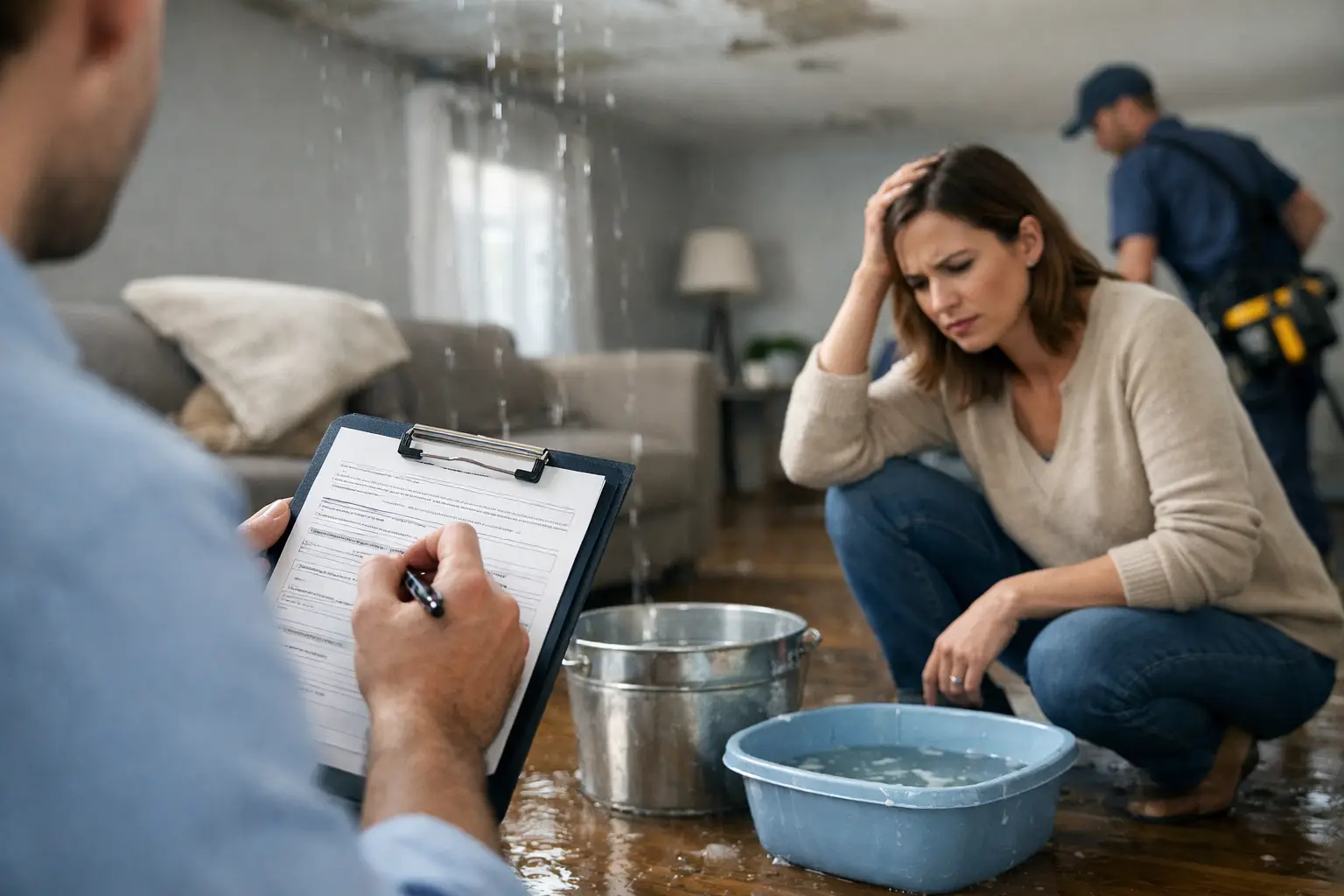
After-hours losses also tend to expand before action starts. A pipe break at 2 a.m. that is not fully addressed until morning can turn a minor event into a multi-day drying project.
Equipment limitations can also slow things down. Underpowered or poorly placed equipment may move air without removing enough moisture from the structure. Drying is not about making the room feel windy. It is about changing the moisture balance inside materials.
Another issue is incomplete documentation. If moisture mapping is inconsistent, decisions get delayed. That affects not only drying progress but also insurance communication and repair approvals.
What property professionals should watch during the drying process
The first priority is response time. The faster extraction and drying begin, the better the chance of limiting demolition and shortening vacancy loss.
The second is verification. Ask how drying progress is being measured and documented. A professional team should be able to explain what is still wet, what is trending dry, and what thresholds must be met before repairs begin.
The third is coordination. In occupied communities and commercial properties, drying is rarely just a technical exercise. It affects access, tenant communication, after-hours entry, insurance reporting, and reconstruction scheduling. The smoother that coordination is, the less operational disruption your property team carries.
For that reason, many Southern California portfolio managers prefer a single-source partner that can manage emergency response, mitigation, insurance coordination, and repairs under one accountable scope. For firms like V&S Management Services Inc., that model is about more than convenience. It helps control downtime and reduce handoff errors when properties are under pressure.
The practical answer to how long does drying take
If you need a planning number, use 3 to 5 days as the most common range for professional drying after water damage. Smaller losses may dry in 2 to 3 days. Larger, more complex, or contaminated losses can take a week or longer.
But the better answer is this: drying takes as long as the materials require, and not a day less. The goal is not speed by itself. The goal is a dry, documented, repair-ready property that does not circle back into a second loss.
When water hits a unit, every decision after that affects timeline, cost, and tenant impact. Fast response helps. Accurate moisture tracking helps more. And a contractor who understands both emergency mitigation and the realities of property operations can make the difference between a quick recovery and a prolonged disruption.
If a space looks dry, that is a good sign. If it tests dry, that is when you can move forward with confidence.