A burst supply line at 2 a.m. can turn a normal week into a scramble of wet carpet, damaged drywall, and urgent phone calls. If you need to file insurance claim water damage, the first few hours matter more than most people realize. What you do right away can affect both the condition of your property and how smoothly your claim moves forward.
For homeowners, property managers, and business owners in Orange County and Los Angeles County, the challenge is usually twofold. You need to stop the damage fast, and you need to document everything carefully enough for the insurance company to review it. Those goals work together. Quick action helps reduce further loss, and good records help show that you handled the situation responsibly.
When to file insurance claim water damage
Not every water problem leads to the same insurance outcome. A sudden and accidental event, like a broken pipe, overflowing appliance line, or unexpected plumbing failure, is often treated differently from long-term leaks, deferred maintenance, or unresolved moisture issues. That distinction matters because insurance carriers usually look closely at whether the damage happened suddenly or developed over time.
That means you should not wait until every detail is clear before reporting the issue. If the damage appears significant, if multiple materials are affected, or if the source involves plumbing, roofing, or appliances, it is usually smart to notify your carrier promptly. Waiting too long can create questions about whether the loss got worse because of delay.
At the same time, filing a claim is not automatic in every case. If the damage is minor and likely falls near your deductible, it may make sense to compare repair costs before moving forward. The practical answer depends on your policy, deductible, loss history, and the extent of restoration needed.
What to do before the adjuster arrives
Your first priority is safety. Shut off the water source if possible. If electrical systems are affected, avoid standing water near outlets or appliances and call the appropriate professionals right away. Water can move behind walls, under flooring, and into insulation quickly, so visible surface drying is rarely enough.
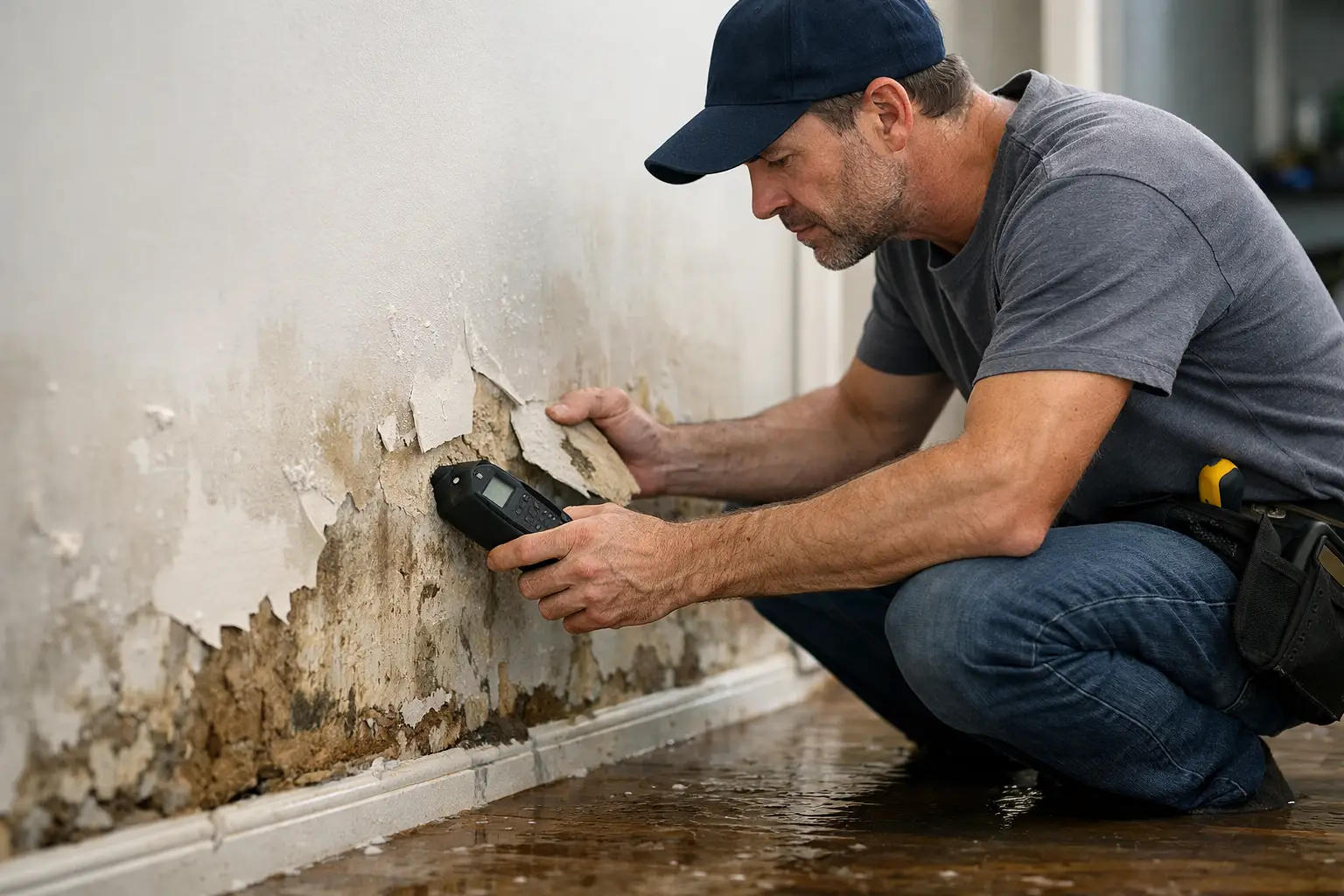
Once the immediate risk is under control, start documenting the loss. Take clear photos and video of every affected area before major cleanup begins. Capture wide shots of rooms and close-up images of damaged materials, furniture, equipment, and personal belongings. If water came from a failed hose, pipe, or fixture, document that too.
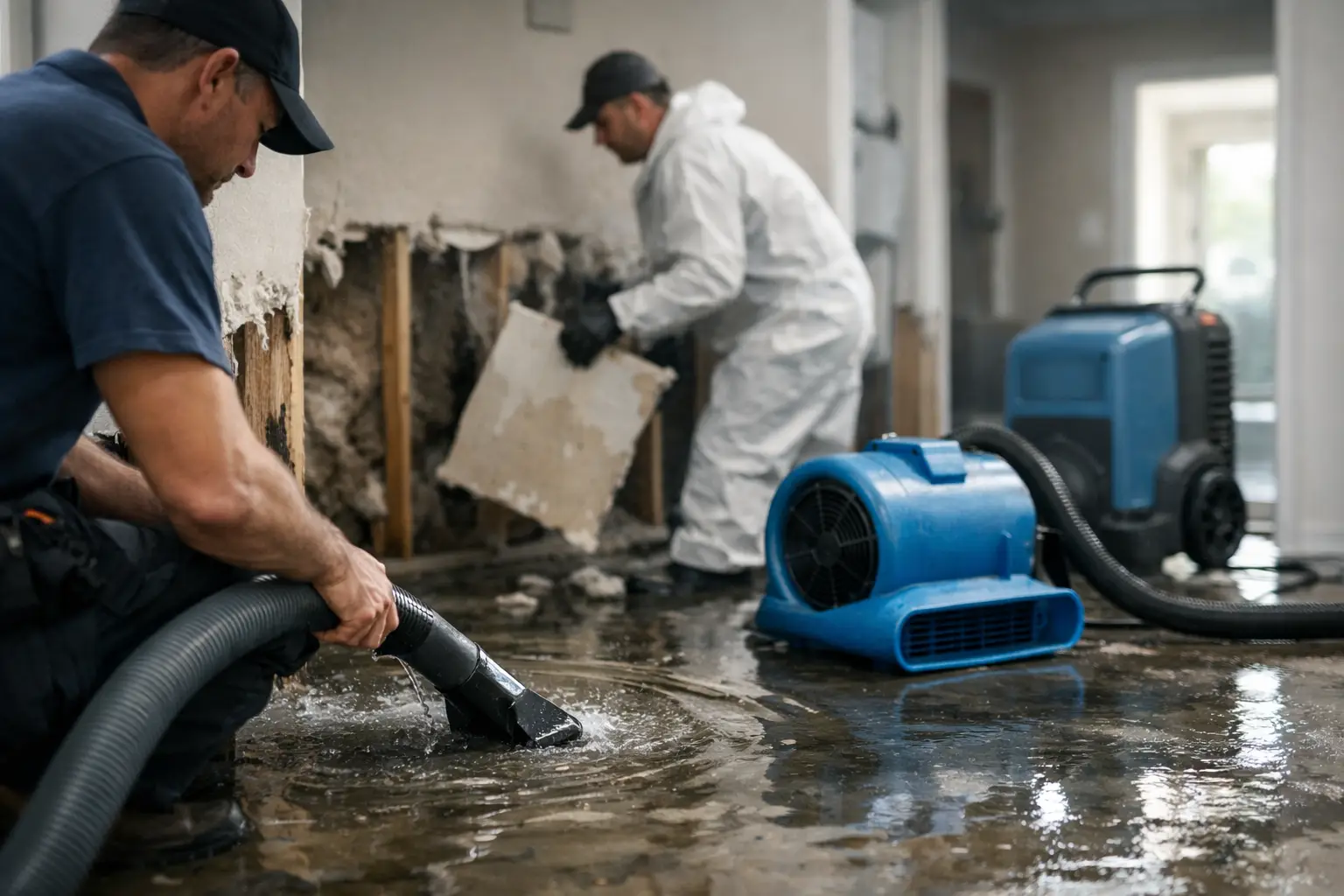
Then make reasonable efforts to prevent more damage. This is a key part of most insurance policies. You may need emergency water extraction, drying equipment, tarping, or temporary protection of unaffected areas. Keep all receipts and notes related to those emergency services, because mitigation costs may be relevant to the claim.
Do not throw away damaged items too quickly unless they create a health or safety issue. If something must be removed, photograph it first and make a simple list that includes what it was, where it was located, and the visible damage.
How to file insurance claim water damage step by step
The claims process is less stressful when you treat it like a job file. You do not need perfect paperwork, but you do need consistent records.
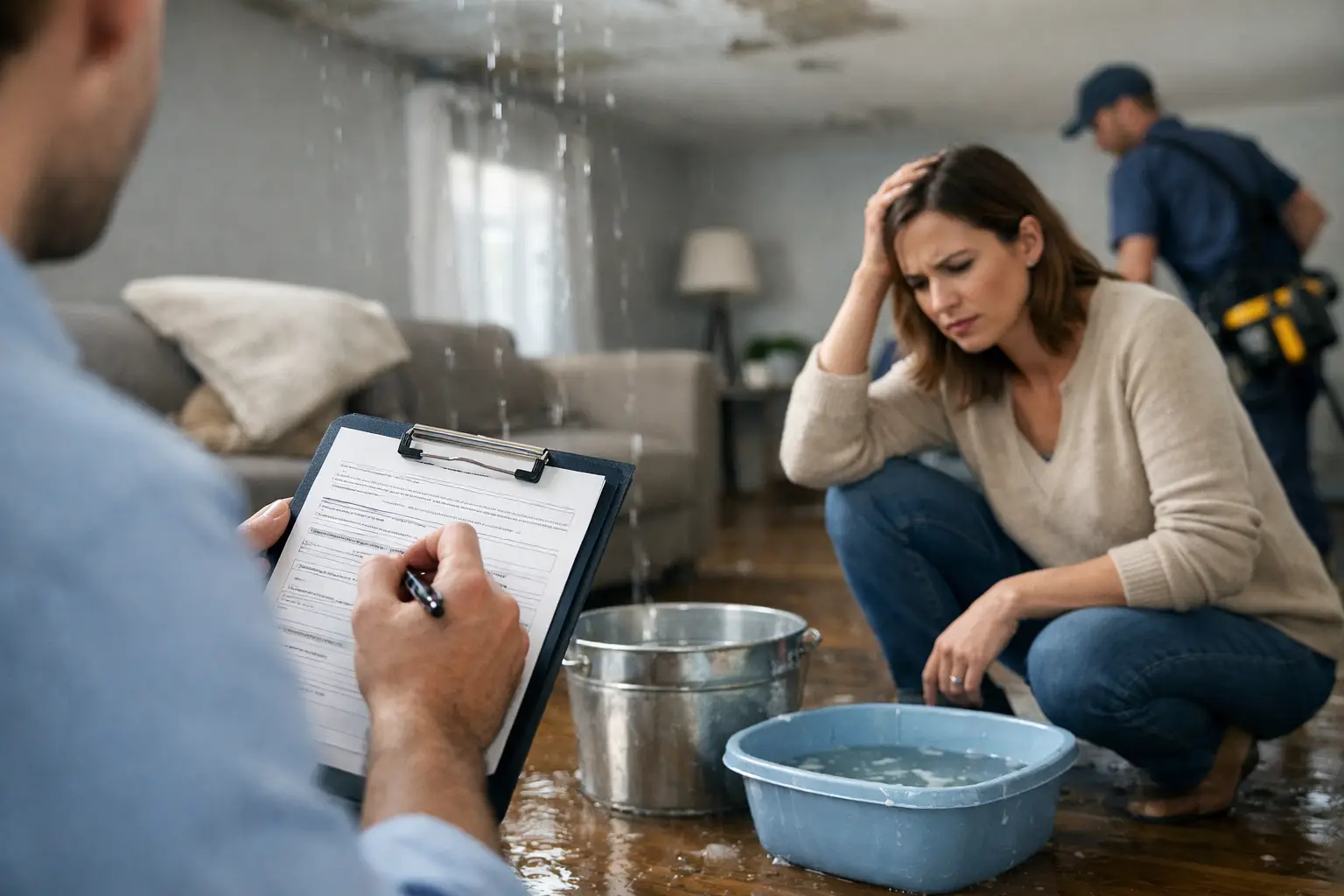
Start by contacting your insurance company as soon as practical. Be ready to provide the date of loss, the suspected cause, and a basic description of what was affected. Keep your explanation factual. If you do not know the full extent yet, say that. Guessing can create confusion later.
Next, ask for the claim number and the adjuster’s contact information. Write down the name of every representative you speak with, the date, and what was discussed. If the carrier requests forms, estimates, inventories, or photos, send them promptly and keep copies for yourself.
You should also build a simple damage file. Include photos, videos, receipts, emergency service invoices, repair estimates, and a running log of conversations. If you are managing a rental or commercial property, add tenant notices, maintenance records, and any operational impact such as unit downtime or business interruption concerns.
When the adjuster schedules an inspection, be prepared to walk through all affected spaces. Show not only the obvious damage, but also adjoining areas where water may have traveled. Flooring, baseboards, cabinets, drywall, insulation, and subflooring can all be impacted even when only one section looks wet.
Common mistakes that can hurt a water damage claim
One of the biggest problems is waiting too long to act. Water damage does not stay in one place. A small leak can become warped flooring, microbial growth, and damaged framing faster than many owners expect. Insurance carriers may ask whether the damage was worsened by delayed mitigation.
Another common issue is incomplete documentation. People often photograph the main room but forget closets, hallways, lower cabinets, adjacent walls, or stored contents. In a commercial setting, they may document the building damage but miss inventory, equipment, or tenant improvements.
There is also the mistake of assuming all water damage is covered. Policies vary. Sewer backups, flood-related losses, and repeated seepage may fall under different rules or exclusions. It is better to read the policy language carefully and ask direct questions than rely on assumptions.
Finally, avoid authorizing major reconstruction before the scope of loss is properly documented, unless emergency work is necessary for safety or to prevent further damage. Mitigation should happen quickly, but the permanent repair scope should be supported by clear records.
Why mitigation and claim support go hand in hand
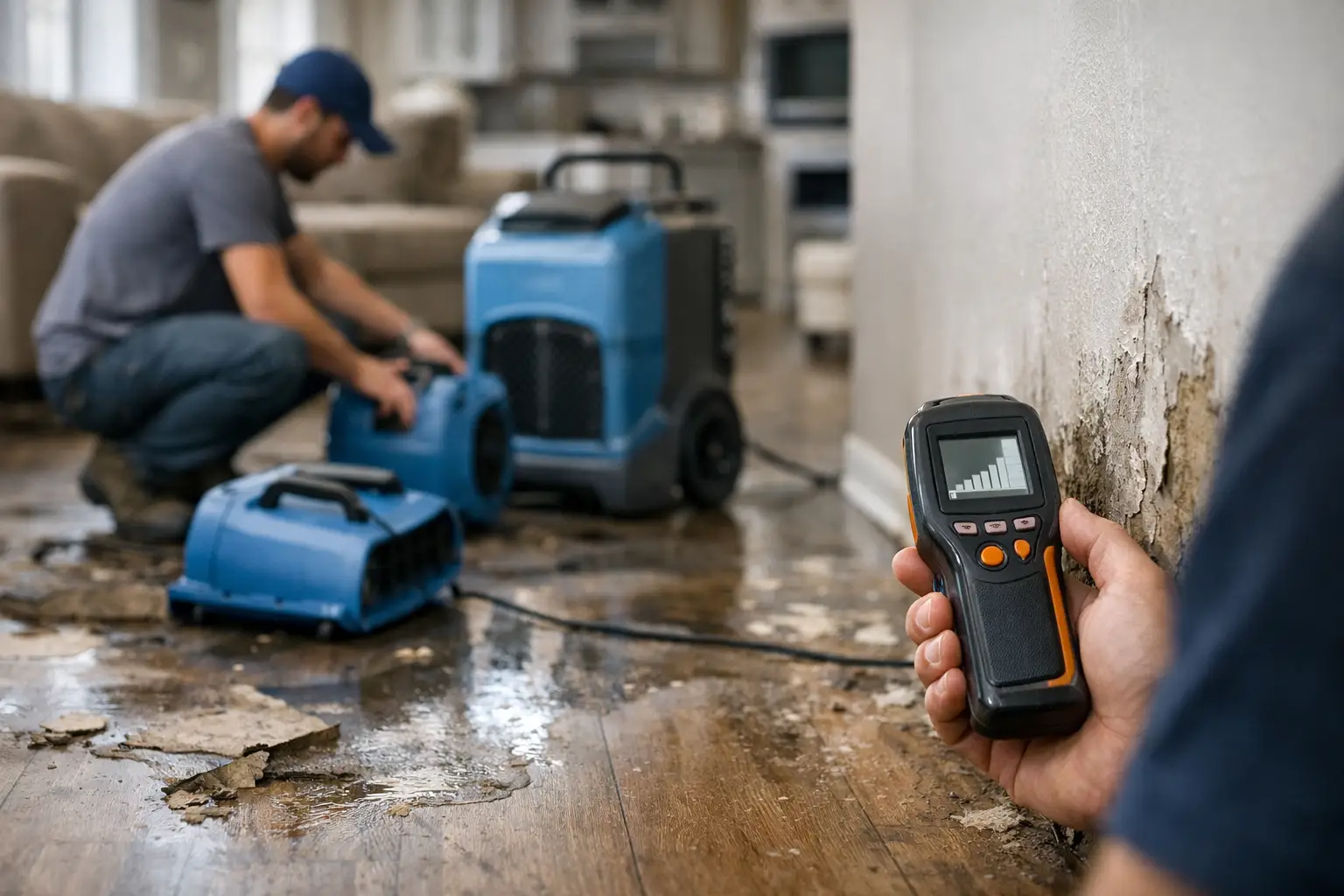
Insurance companies expect property owners to take reasonable steps after a loss. That is where experienced restoration support can make a real difference. Fast water extraction, moisture mapping, structural drying, and careful documentation help protect both the property and the claim.
This is especially important with wood flooring, laminate, drywall, cabinetry, and commercial finishes. Some materials can be dried and saved. Others need removal and replacement. Knowing the difference affects cost, timeline, and the claim conversation. A contractor who understands both restoration and rebuild work can often identify hidden damage earlier and create a clearer path forward.
For local owners who want one accountable team from emergency response through repairs, that continuity reduces handoff problems. It also helps keep communication cleaner when insurers, adjusters, tenants, and property stakeholders are all involved. Companies like V & S Management Services Inc often support clients through both emergency mitigation and the follow-up repair phase, which can be valuable when timing matters.
Filing a water damage claim for rental or commercial property
Property managers and business owners face extra layers of responsibility. In addition to documenting the building damage, they often need to track occupancy impact, vendor coordination, tenant communication, and access scheduling. The claim itself may involve questions about common areas, lease responsibilities, or whether damaged improvements belong to the owner or tenant.
In those situations, organized records matter even more. Keep a timeline of when the loss was discovered, who reported it, what emergency steps were taken, and when vendors arrived. If units or workspaces become temporarily unusable, document that clearly. The more complete the file, the easier it is to explain the real effect of the loss.
Commercial claims can also involve a different pace. Carriers may request more documentation, and repairs may need to be phased around operations. That does not mean the process has to stall. It means the claim should be managed actively from the start.
What happens after you file
After the claim is opened, the carrier typically investigates the cause, reviews the damage, and determines what the policy covers. The adjuster may inspect once, or there may be follow-up visits if hidden damage appears during demolition or drying. This is normal, especially when water has affected multiple layers of the building.
You may receive payment in stages rather than all at once. Initial payments can cover emergency mitigation or the first portion of repairs, while supplemental amounts may be addressed later if the scope grows. That is one reason detailed documentation remains important even after the first inspection.
If you disagree with part of the estimate or scope, stay calm and specific. Point to photos, measurements, material damage, moisture findings, or contractor documentation that supports your position. Clear facts usually carry more weight than frustration.
A practical mindset during a stressful claim
The best approach is simple: move fast, document thoroughly, and keep communication organized. Water damage claims rarely feel convenient, but they are easier to manage when you separate the emergency from the paperwork and handle both with urgency.
If you are staring at soaked flooring, stained ceilings, or a tenant space that cannot function as usual, do not try to solve it in your head all at once. Stop the source, protect the property, record the damage, and start the claim. A steady response in the first day often makes the next few weeks far more manageable.