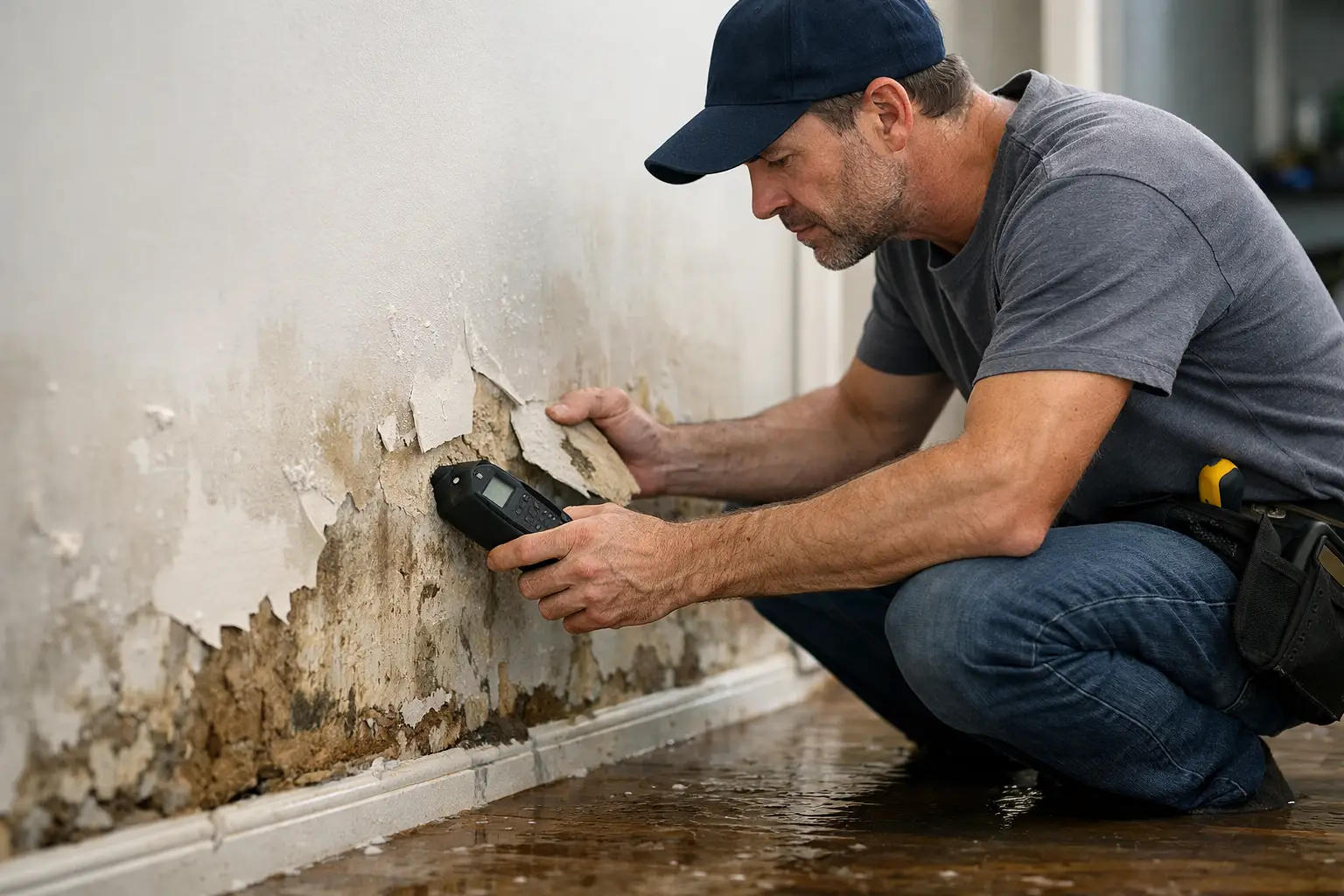
A ceiling stain after a roof leak or a soggy wall after a plumbing backup raises the same question fast - can wet drywall be saved, or are you already looking at demolition and replacement? The honest answer is that sometimes it can, but timing, water source, and the extent of saturation matter more than most people think.
Drywall is not a finish material that handles moisture well. It has a gypsum core wrapped in paper, and that paper is where mold often starts if drying is delayed. In homes, offices, rental units, and commercial spaces across Orange County and Los Angeles County, the difference between saving drywall and replacing it often comes down to what kind of water hit it and how quickly the area is dried.
Can wet drywall be saved in every situation?
No. Some wet drywall can be dried and kept in place, but some should be removed right away. If the drywall was exposed to clean water from a small supply line leak and the area was dried quickly, there is a reasonable chance it can be saved. If it was soaked by gray water or black water, such as sewage, toilet overflow with contamination, or floodwater entering from outside, replacement is usually the safer choice.
The amount of water matters too. A small damp patch is very different from drywall that feels soft, swells at the seams, bows outward, or crumbles when touched. Once the gypsum core starts breaking down, the wall may no longer hold its shape or provide a stable surface for paint and texture.
There is also a time factor. If drywall stays wet for more than a day or two, the risk of microbial growth rises quickly, especially in warm interiors with limited airflow. That is why a slow response can turn a repairable situation into a larger restoration job.
The three factors that decide if drywall can be saved
The first factor is the water category. Clean water from a broken pipe, a sink supply line, or a rain intrusion caught early is the most favorable scenario. Gray water from appliances or dirty overflow carries more contamination. Black water, including sewage or floodwater, should be treated as unsafe. In those cases, porous materials like drywall usually need removal.
The second factor is how wet the drywall actually is. Surface dampness is one thing. Full saturation is another. If water has wicked upward from the baseboard, soaked insulation behind the wall, or spread across multiple rooms, the damage may be deeper than it looks from the outside.
The third factor is response time. Fast extraction and controlled drying can save materials that would otherwise fail. Waiting until the next day, or worse, several days, gives moisture time to travel inside the wall cavity and into framing, insulation, flooring, and trim.
Signs wet drywall may be salvageable
Drywall has a better chance of being saved when the wet area is limited, the water was clean, and the wall still feels firm. You may see light discoloration or minor dampness without swelling, sagging, or peeling joints. In these cases, moisture testing, air movement, and dehumidification can sometimes dry the wall successfully.
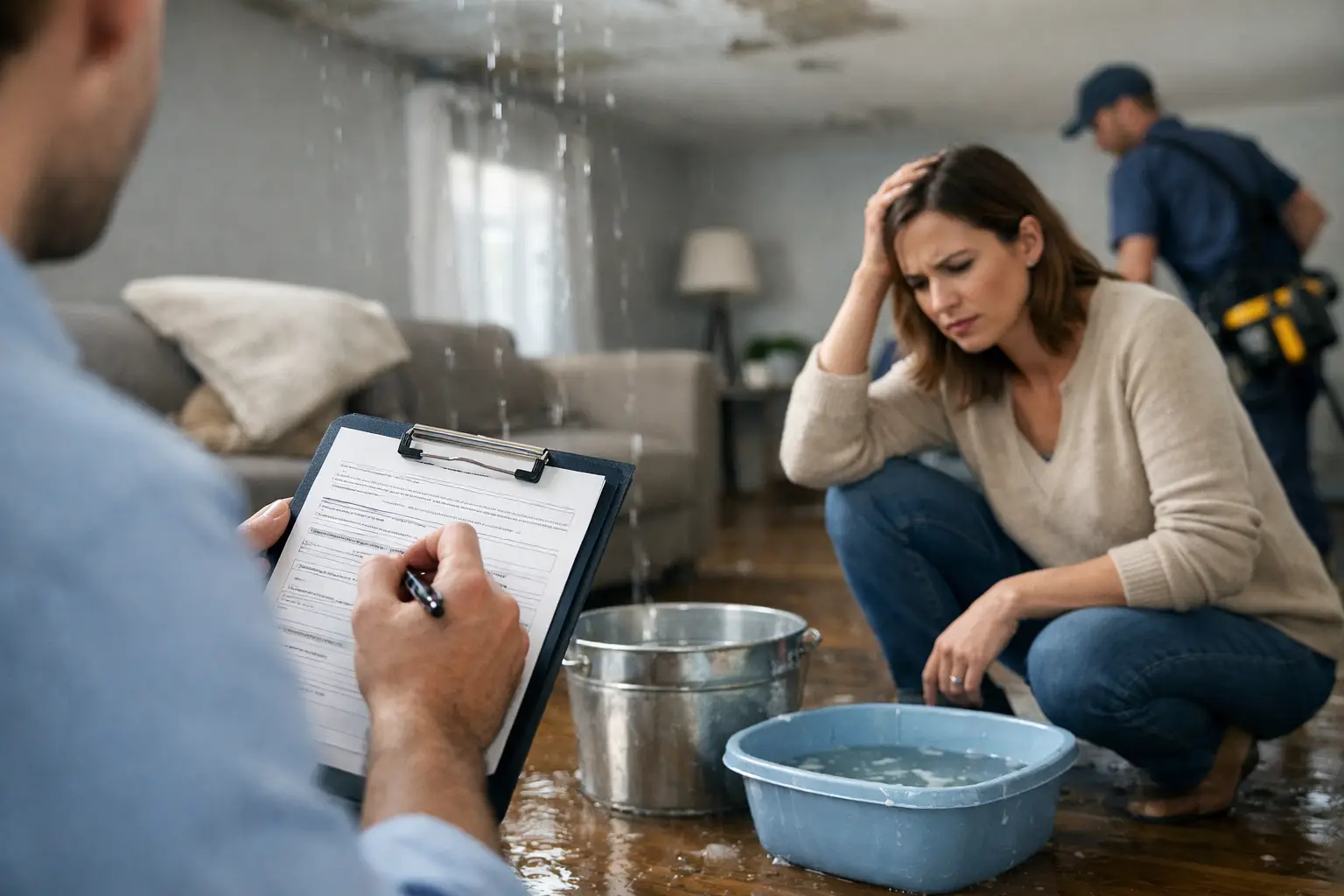
Walls often fare better than ceilings because gravity works against ceiling drywall. Even with clean water, a wet ceiling can lose strength fast and become a safety hazard. If a ceiling is bulging, sagging, or actively dripping, keep people out from underneath it until it is evaluated.
Another good sign is when the insulation behind the drywall is dry or absent. If insulation has been soaked, it can trap moisture inside the cavity and make proper drying much harder. That is one reason professionals often inspect beyond the painted surface before deciding what can stay.
When drywall should be removed
If the drywall has been contaminated, softened, or structurally compromised, removal is typically the right move. The same goes for drywall with visible mold growth, strong musty odor, delamination of the paper facing, or repeated wetting from an unresolved leak.
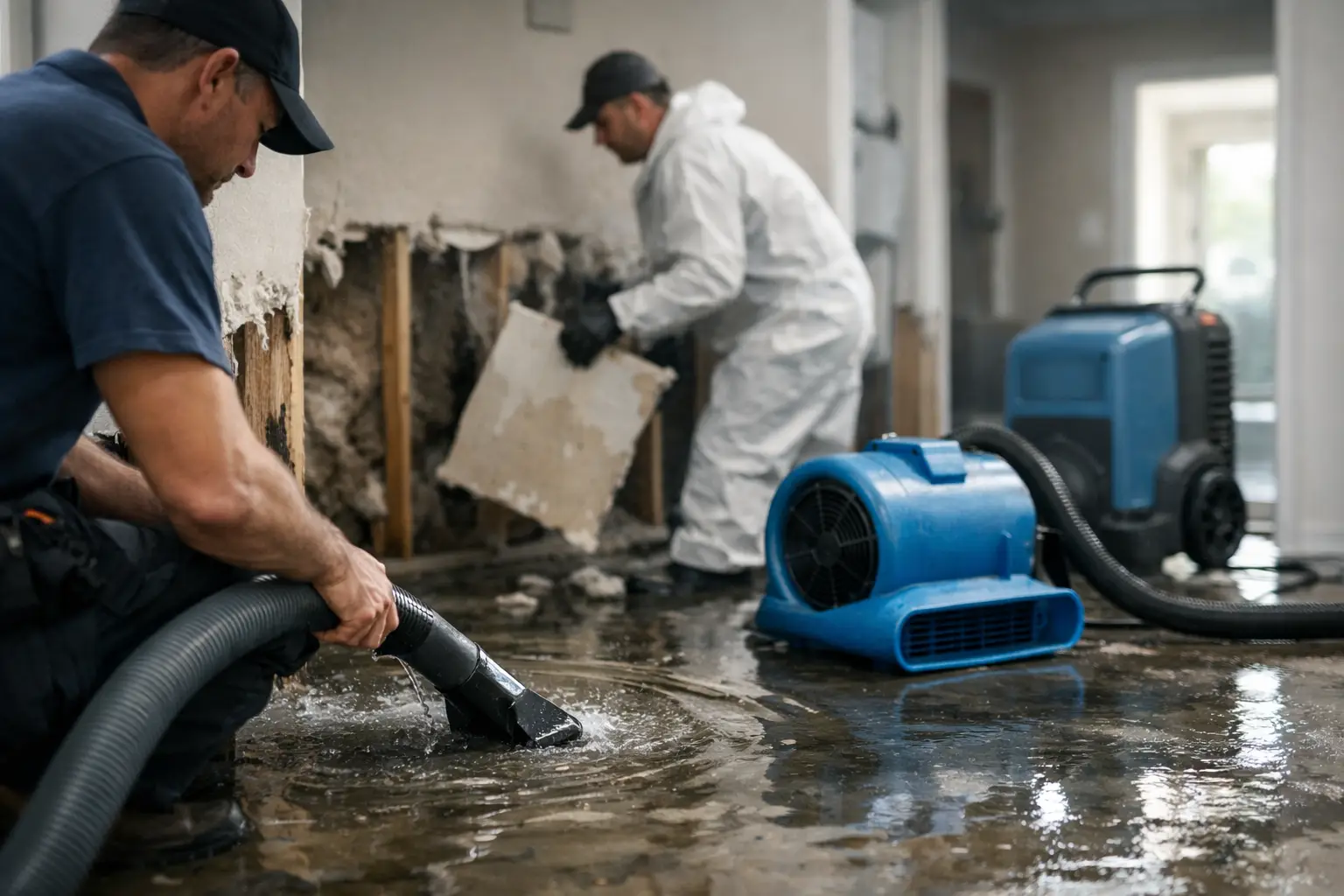
Lower wall sections are commonly cut out after water damage because moisture travels downward and collects near the base. In many cases, the damaged portion can be removed while the upper section remains in place. That approach can make repairs more controlled and cost-effective than tearing out an entire wall.
There are also situations where removal is the fastest path to protecting the property. If water is trapped in a wall cavity, opening the wall may reduce drying time, prevent hidden mold, and allow damaged insulation or framing to be addressed right away.
How professionals assess whether wet drywall can be saved
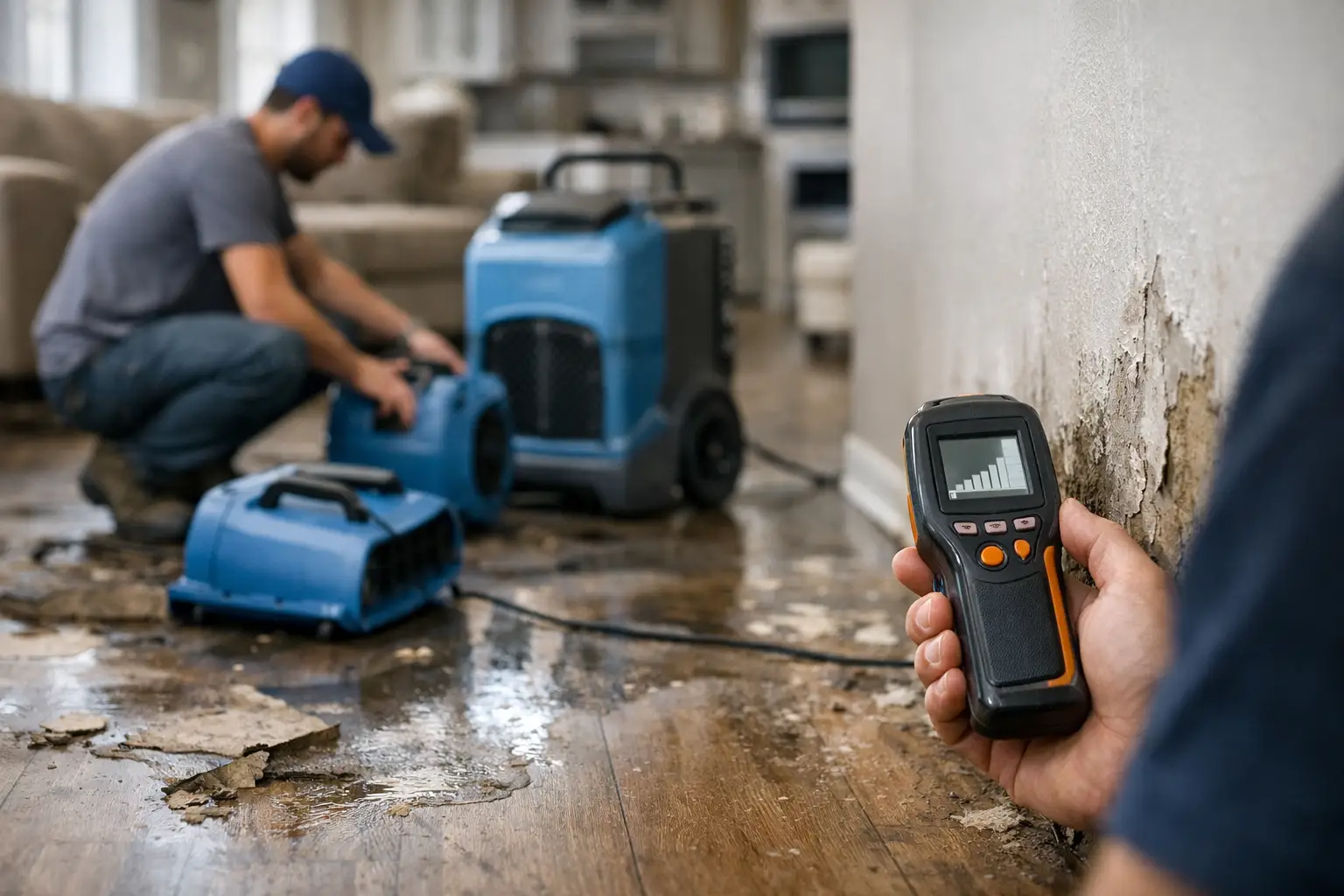
A proper inspection goes beyond what is visible. Moisture meters help identify how far water has traveled and whether the drywall is still retaining elevated moisture. Infrared tools can help locate hidden damp areas. Technicians also look at source, duration, room conditions, and what materials are behind the wall.
That matters because paint can hide a problem temporarily. A wall may look almost normal while the cavity behind it stays wet. By the time bubbling paint or odor shows up, the damage is often more advanced.
An experienced restoration team also considers the full assembly, not just the drywall sheet. Baseboards, insulation, wood framing, flooring edges, cabinets, and nearby trim all affect the decision. Saving drywall only makes sense if the surrounding materials can also be dried safely.
What to do right away after drywall gets wet
The first priority is stopping the water source if it is safe to do so. Shut off the supply line, contain the leak, or move contents away from the affected area. If there is any chance of electrical exposure, turn off power to the area before touching wet surfaces.
Next, remove standing water and increase airflow. Fans and dehumidifiers can help, but home equipment has limits, especially when moisture is behind walls or above ceilings. If the damage is more than minor, quick professional drying usually gives you the best chance of saving materials.
Avoid painting over stains or closing up a wall before moisture levels return to normal. That does not solve the problem. It traps it. The result is often peeling finishes, odor, or mold that reappears later.
Can wet drywall be saved after a flood or sewage backup?
Usually, no. When floodwater or sewage is involved, drywall is considered contaminated because it is porous and difficult to disinfect all the way through. Even if it dries, that does not mean it is sanitary or safe to keep.
This is where property owners can lose time by trying to save too much. Cleaning the surface is not enough when dirty water has moved into the paper facing and gypsum core. Removal, disinfection of the structure, and controlled rebuilding are usually the safer and more reliable route.
For rental properties, commercial spaces, and homes being prepared for sale, that decision also protects future occupants and reduces the risk of odor or hidden damage coming back after turnover.
The cost question: save it or replace it?
Trying to save drywall is not always the cheaper option. If the wall can be dried quickly and remain stable, keeping it may reduce repair costs. But if drying takes too long, requires repeated treatment, or still leaves staining, odor, or loss of integrity, replacement may be more practical.
There is also the cost of doing the job twice. A wall that seems fine now but develops mold or joint failure later can lead to a second round of demolition, reconstruction, and repainting. For many owners and managers, the better value is making the right call early instead of stretching a questionable material past its limit.
That is why water damage restoration should be treated as both a drying issue and a building-material decision. You are not just trying to make the wall look dry. You are trying to confirm it is dry, clean, and sound enough to stay in service.
A practical rule of thumb for property owners
If the water was clean, the damage was caught fast, the drywall is still firm, and professional drying begins right away, there is a fair chance the drywall can be saved. If the water was contaminated, the wall is soft or swollen, insulation is wet, or the area sat damp for too long, replacement is usually the safer path.
For homeowners, business owners, and property managers, speed matters. A trusted general contractor with water damage restoration experience can assess the damage, coordinate drying, and handle the repair work if removal is needed. Companies like V & S Management Services Inc are built for that kind of response, especially when you need one reliable team to move from emergency mitigation to reconstruction without delays.
When drywall gets wet, the goal is not to hope for the best. It is to act quickly enough to protect the structure, the indoor environment, and everyone who uses the space.