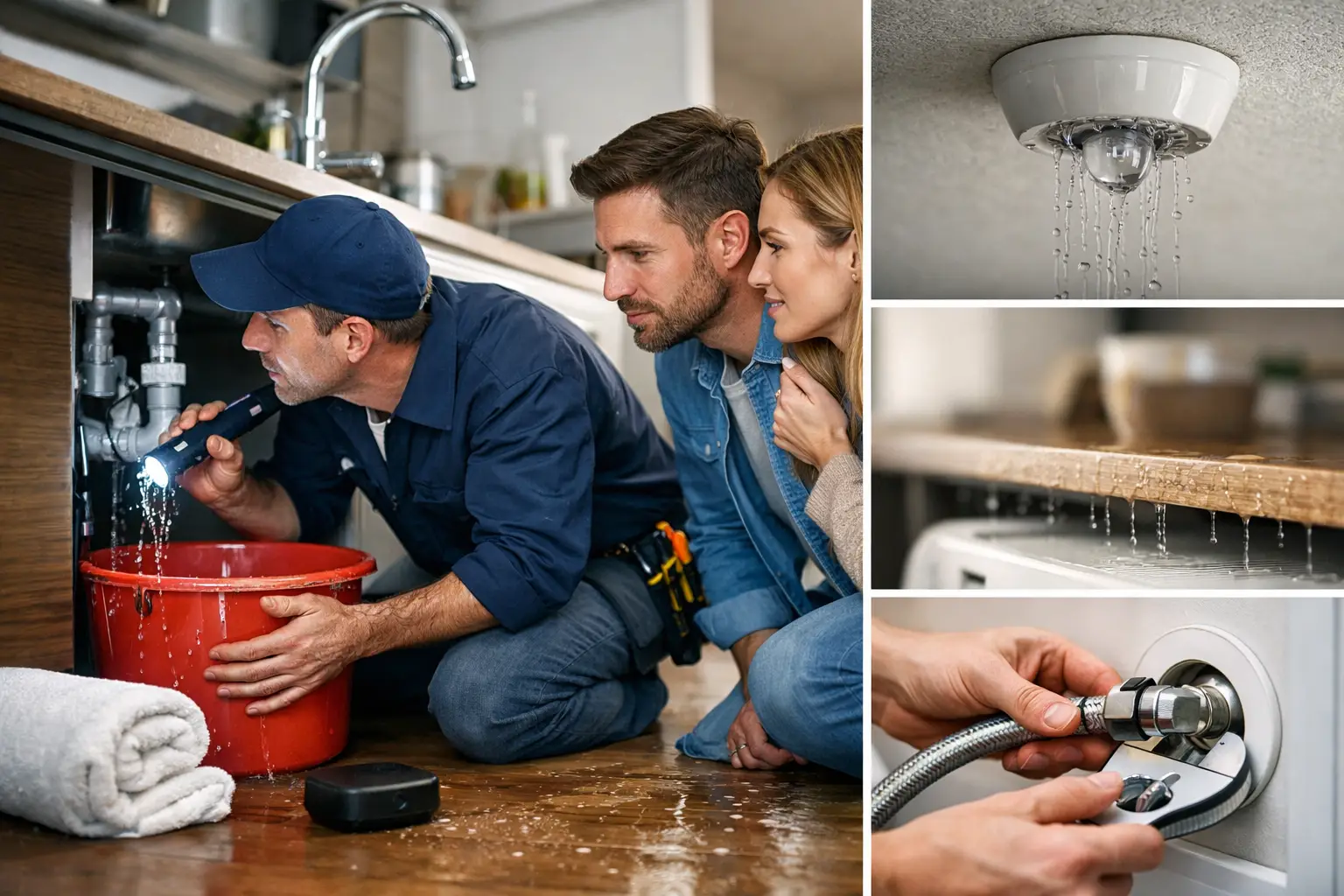
A failed supply line in one upstairs unit can become a flooring claim, a drywall project, a tenant-relations issue, and a vacancy problem before the day is over. For property managers and owners, the best ways to prevent water damage are not limited to reacting faster after a flood. They are built into a consistent maintenance plan that identifies small failures before they affect multiple units, common areas, or building systems.
Water intrusion is especially disruptive in Southern California multi-family and commercial properties, where shared plumbing lines, aging infrastructure, dense occupancy, and tight turnover schedules can magnify a minor leak. The goal is not to eliminate every risk. It is to reduce the likelihood of loss, limit the spread when something fails, and ensure the right response starts immediately.
Best Ways to Prevent Water Damage Across Your Property
1. Schedule proactive plumbing inspections
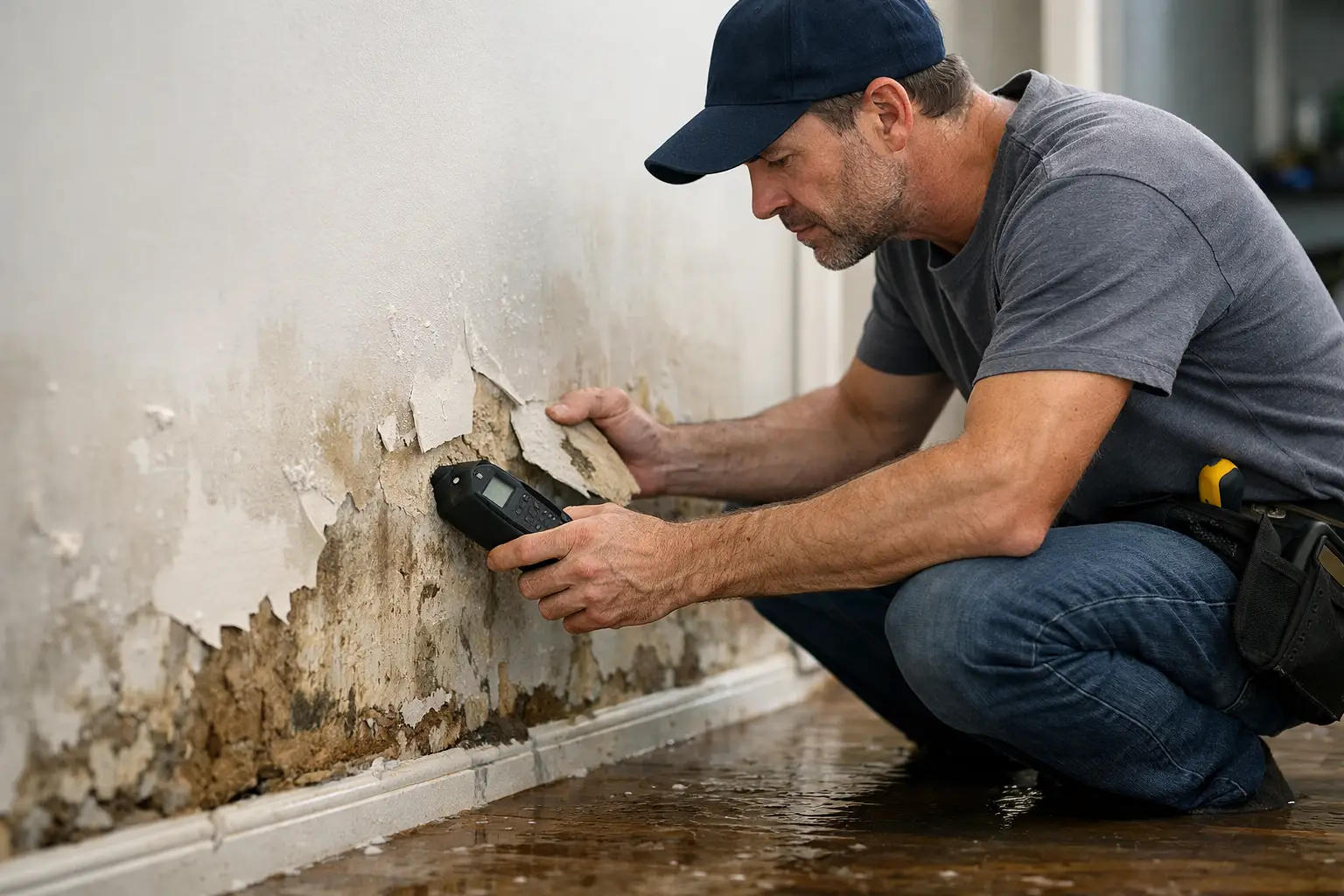
Most costly water events begin with warning signs: corrosion around valves, a loose toilet connection, a slow drip below a sink, discolored ceiling areas, or declining water pressure. These issues are easy to defer when they are not affecting occupancy, but delay often turns a manageable repair into an emergency restoration project.
Establish a recurring inspection schedule for supply lines, shutoff valves, water heaters, toilets, faucets, drains, and exposed plumbing in mechanical rooms. Older buildings may need more frequent reviews, particularly if records show repeated leaks in certain stacks or units. Document findings by unit and repair history so recurring issues are treated as system concerns, not isolated service calls.
2. Replace aging supply lines and water heater components
Flexible supply hoses, angle stops, water heater connectors, and washing machine hoses have a limited service life. They may look acceptable until they suddenly fail under pressure. Replacing these components on a planned schedule is far less disruptive than waiting for an after-hours rupture.
Water heaters deserve particular attention. Inspect tanks for rust, pooling, damaged drain pans, and signs of leakage at fittings. Verify that pressure-relief components, drain connections, and pan drains are functioning as intended. In multi-unit properties, a failed water heater on an upper floor can damage several spaces below, so preventive replacement should be part of capital planning rather than an emergency-only decision.
3. Protect roofs, flashing, and exterior drainage
Not every water loss comes from plumbing. Roof penetrations, worn flashing, blocked gutters, cracked sealant, and poor grading can allow rainwater to enter slowly and remain hidden behind walls or above ceilings. By the time tenants report staining or odor, moisture may already have affected insulation, framing, flooring, or electrical areas.
Inspect roofs and drainage systems before the rainy season and after major storms. Clear leaves, sediment, and debris from gutters and downspouts. Check that downspouts move water away from the building foundation, not toward it. Pay close attention to roof-mounted equipment, skylights, parapet walls, and previous repair areas, where seal failures are common.
For commercial sites, review drainage around loading areas, exterior doors, utility rooms, and low points in parking structures. A drain that clogs during a storm can shut down access and create a liability concern quickly.
4. Test drains before they become backups
Slow drains are not merely a tenant inconvenience. They can signal buildup, improper slope, root intrusion, or developing blockage in a shared line. When a main drain backs up, wastewater can spread through ground-floor units, hallways, and common areas with little warning.
Include drain testing and cleaning in your property maintenance calendar, especially in buildings with older sewer lines, frequent kitchen use, or a history of backups. Kitchen drains, laundry connections, floor drains, and exterior catch basins all need regular attention. If a property experiences repeat blockages, camera inspection may be more useful than repeatedly clearing the symptom without identifying the source.
5. Know exactly where shutoff valves are located
Minutes matter after a supply-line break. A manager, maintenance technician, or onsite representative should be able to locate and operate the shutoff valve for each unit, floor, and building. If the person on site has to search for a valve while water continues to run, the affected area can expand dramatically.
Create a current valve map and keep it accessible to authorized staff. Clearly label valves where possible, and test them periodically to confirm they still operate. Include shutoff procedures in maintenance training and turnover checklists. For vacant units, confirm the water status and inspect the unit regularly, particularly during extended periods between tenants.
6. Use leak detection where the exposure is highest
Water sensors and automatic shutoff devices can provide meaningful protection in high-risk locations. They are particularly useful near water heaters, laundry equipment, janitor closets, mechanical rooms, under sinks, and in vacant units where a leak may go unnoticed for days.
Technology is not a substitute for inspections, and the right system depends on the property. A small apartment building may benefit from simple sensors that send alerts, while a larger commercial or multi-unit portfolio may justify monitored detection and automatic shutoff controls. The key is to match the investment to the likely loss exposure and ensure someone is assigned to respond to alerts.
7. Make water checks part of every turnover
A unit turnover is one of the best opportunities to find hidden water issues. Because cabinets are emptied, appliances are moved, and flooring is evaluated, maintenance teams can inspect areas that tenants may not see or report.
Before releasing a unit, run faucets, flush toilets, test appliance connections, inspect supply lines, check under sinks, and verify that drains flow properly. Look for soft flooring near bathrooms and kitchens, staining inside vanity cabinets, musty odors, peeling caulk, and loose toilet bases. These conditions do not always mean an active leak, but they deserve investigation before a new resident moves in.
A documented turnover process also creates accountability. It confirms the condition of the unit at handoff and helps prevent a small maintenance item from becoming an avoidable claim during the next tenancy.
8. Set clear resident and tenant reporting expectations
Residents often wait to report a drip because they do not want to inconvenience management. Commercial tenants may assume a ceiling stain is an old issue. That hesitation can be expensive.
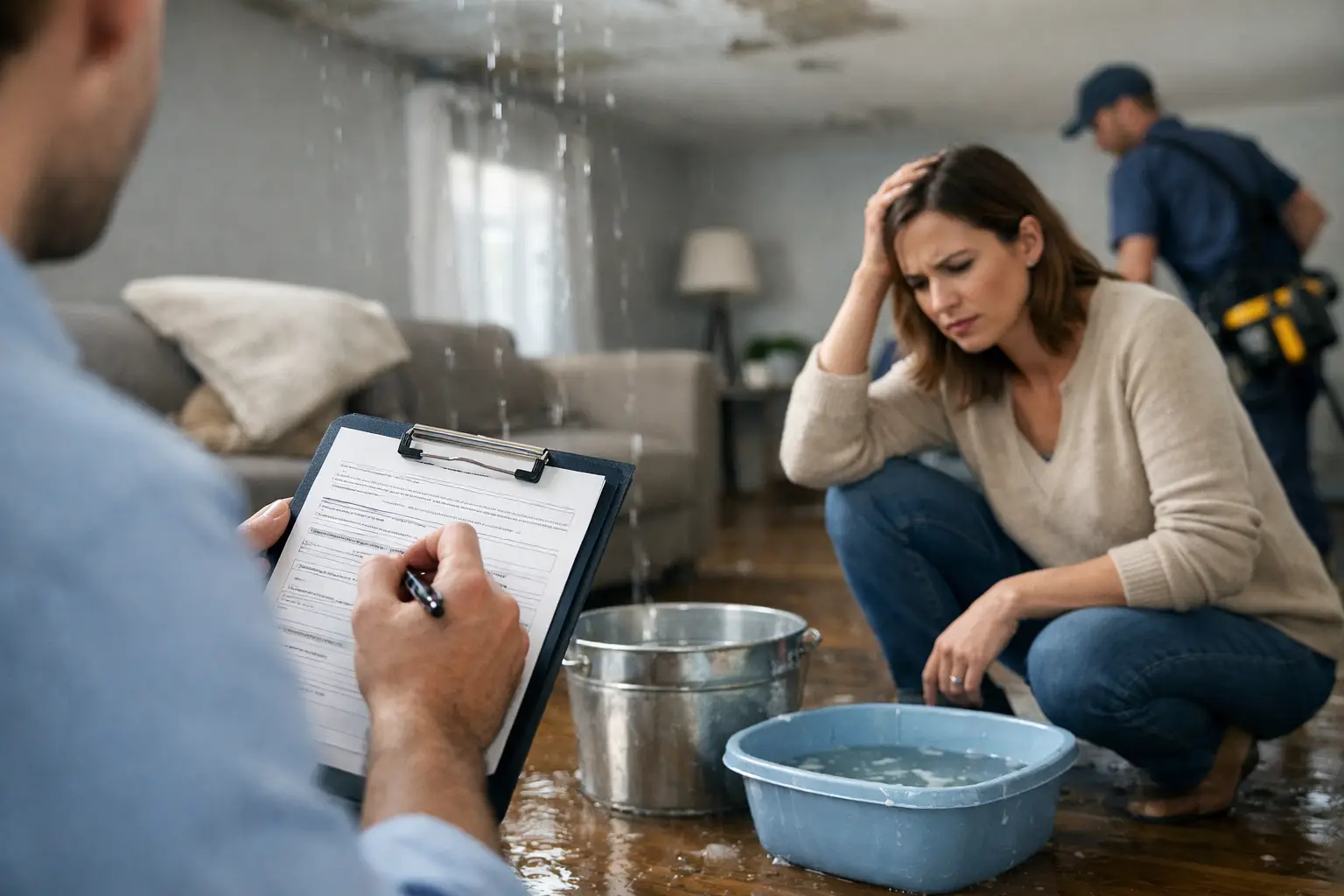
Provide clear instructions on what requires immediate reporting: active leaks, water around appliances, overflowing fixtures, ceiling discoloration, damp carpet, sewage odors, and unexplained increases in water use. Make the reporting path simple, including after-hours procedures. The faster a leak is reported, the more likely your team can contain it before mold conditions or structural damage develop.
It also helps to communicate what tenants should not do. They should not attempt complex plumbing repairs, remove wet drywall, or ignore a recurring backup. Their role is early reporting; your team's role is safe, documented resolution.
9. Build an emergency response plan before you need it
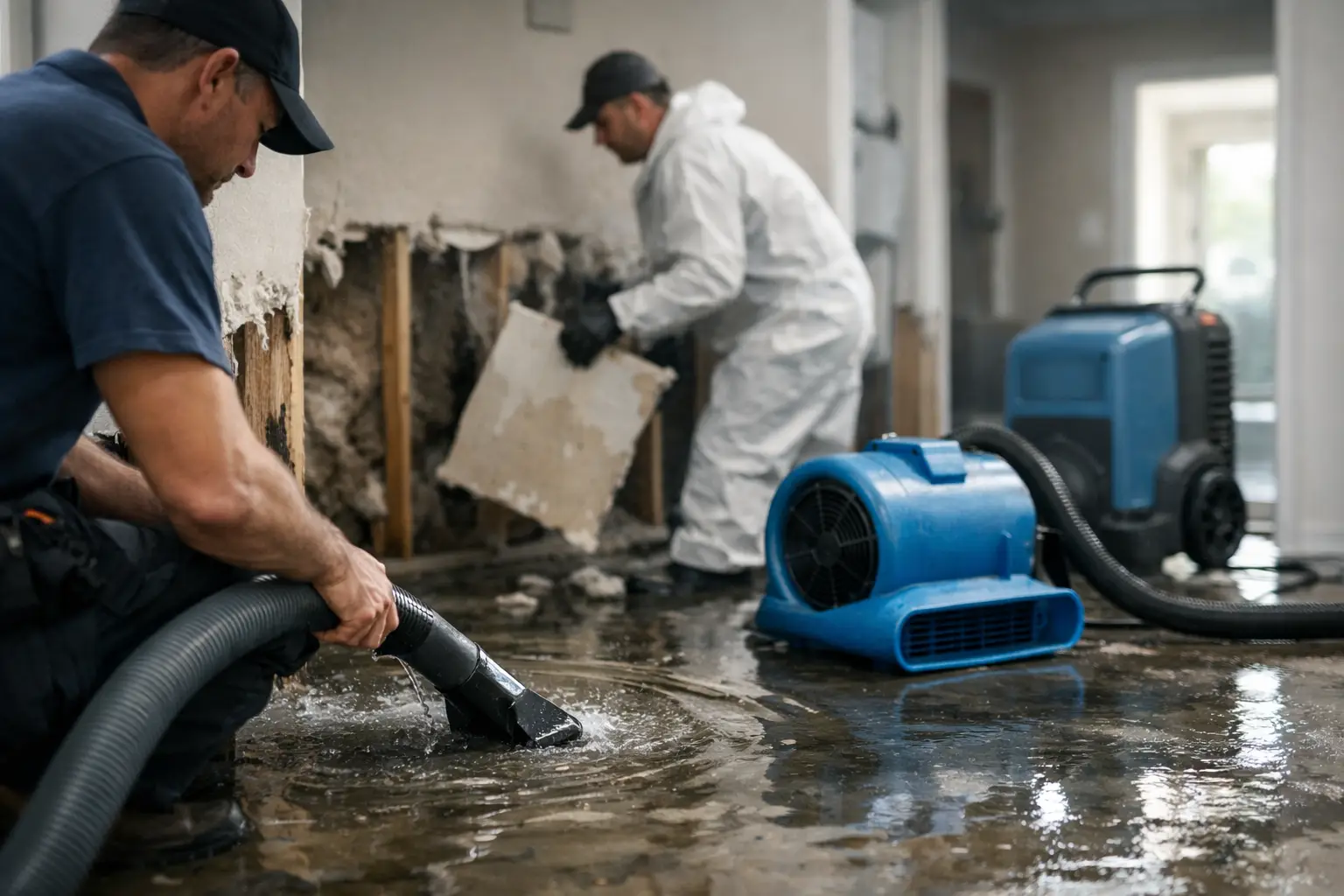
Even the strongest prevention program cannot stop every pipe break, storm intrusion, or appliance failure. The difference between a limited loss and a major restoration often comes down to the first response: shutting off the source, extracting water, protecting unaffected areas, documenting damage, and beginning drying quickly.
Your plan should identify who receives emergency calls, who has building access, where shutoffs are located, and which qualified vendor can respond at any hour. Confirm that your restoration partner is licensed, insured, and prepared to coordinate documentation needed for insurance claims. For portfolio operators, one accountable partner can reduce delays caused by calling separate plumbers, mitigation teams, cleaners, and flooring installers after the event.
V&S Management Services Inc. supports Southern California property professionals with 24/7 urgent water damage response and integrated repair services, helping teams move from containment to restoration without unnecessary vendor handoffs.
Prevention Works Best When It Is Measurable
A water-damage prevention plan should be reviewed like any other operational program. Track leak locations, repair types, response times, repeat incidents, and units with recurring moisture concerns. Patterns can reveal aging plumbing lines, tenant-use issues, drainage failures, or maintenance gaps that would otherwise remain hidden in individual work orders.
Not every property needs the same level of monitoring or replacement. A recently renovated building with modern plumbing has different risks than an older multi-unit community with original lines. Still, every property benefits from a documented inspection routine, a trained response team, and a reliable emergency plan. The practical next step is to walk the property with your maintenance records in hand and address the small warning signs while they are still small.