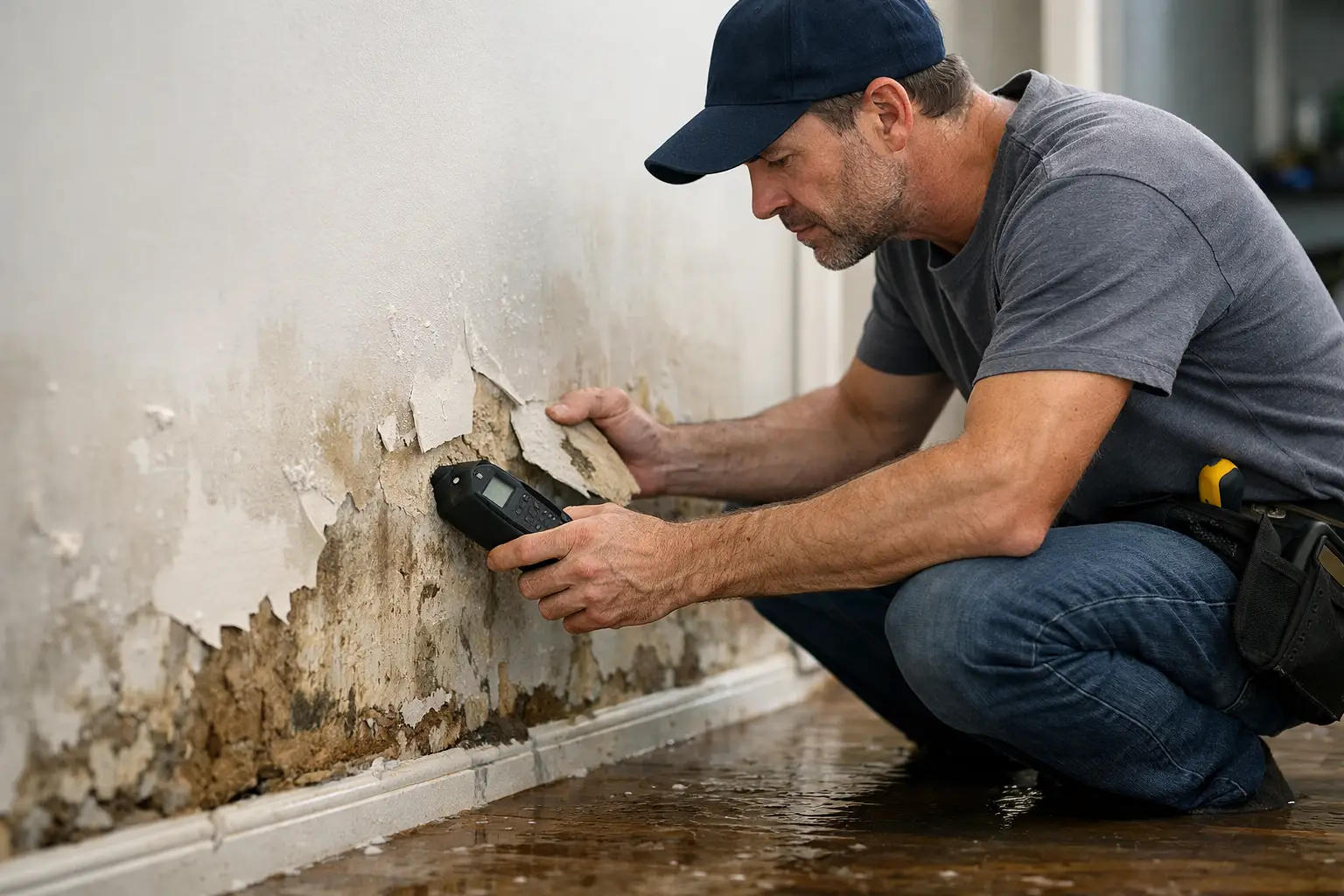
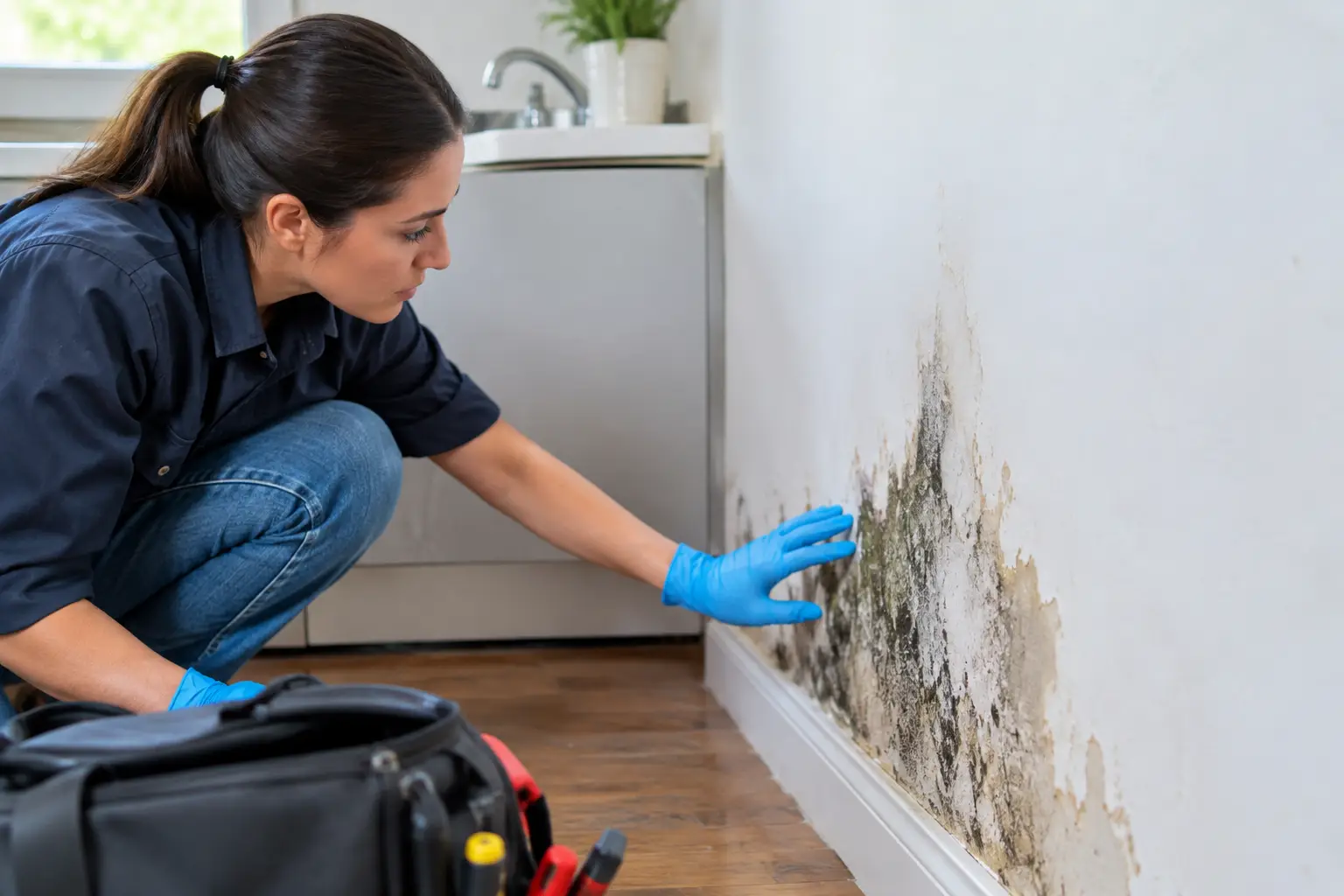
A drip under a kitchen sink, a small toilet supply-line leak, or a ceiling stain after a brief roof intrusion can look like a minor maintenance item. But can mold grow after minor leaks? Yes. If building materials stay damp long enough, even a limited water event can create conditions for mold growth behind finishes, under flooring, or inside a wall cavity.
For property managers and owners, the issue is not just whether a visible spot of mold appears. It is whether a small leak quietly damages drywall, baseboards, subflooring, insulation, or adjacent units while the property remains occupied. Fast, documented action protects the asset, supports tenant safety, and helps prevent a simple repair from turning into a larger restoration project.
Why a Minor Leak Can Become a Mold Problem
Mold needs moisture, a food source, and time. Many common building materials provide the food source: paper-faced drywall, wood framing, dust, carpet backing, padding, and some adhesives. A leak does not need to flood a room to wet those materials.
In favorable indoor conditions, mold can begin developing within 24 to 48 hours after materials become wet. That does not mean every damp surface will grow mold on the second day. The outcome depends on the amount of water, airflow, indoor humidity, material type, and how completely the area dries. Still, waiting for a musty odor or visible discoloration is not a sound property-management strategy.
A slow leak is often more concerning than a dramatic, quickly discovered water event. A burst supply line demands immediate attention, so it is usually identified and addressed fast. A pinhole leak inside a cabinet wall or a small roof penetration may release water for days or weeks before anyone notices. By then, the visible damage may represent only a portion of the affected area.
Can Mold Grow After Minor Leaks Behind Walls?
Yes, and concealed moisture is where minor leaks create the most operational risk. Drywall can look dry at the surface while its paper backing, insulation, or bottom plate remains wet. Likewise, a vinyl or laminate floor may appear unaffected while moisture is trapped underneath, where evaporation is slow.
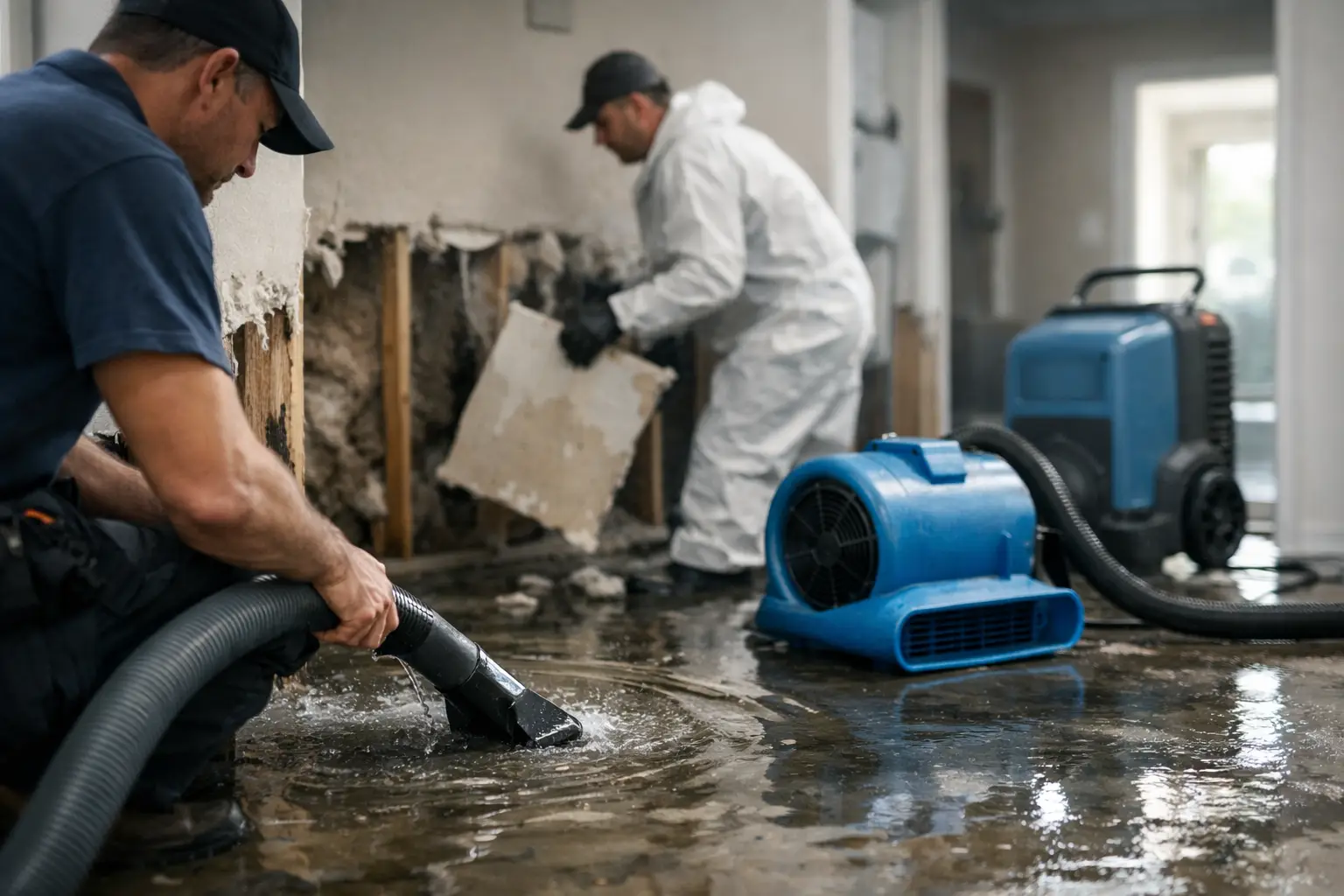
A properly equipped water-damage response does more than remove standing water. It identifies the source, checks surrounding materials for moisture, establishes drying conditions, and confirms whether affected materials have returned to an acceptable dry standard. Surface fans alone can be helpful in limited situations, but they do not prove that moisture inside a wall, beneath a cabinet toe-kick, or under flooring has been addressed.
This matters especially in multi-unit properties. Water commonly travels along plumbing lines, framing, and slab or floor assemblies before it becomes visible. The unit below or next door may be affected even when the original leak seems contained. A coordinated inspection can help managers avoid repeat work, tenant complaints, and preventable disruption.
The First 24 Hours Matter Most
The goal after a minor leak is straightforward: stop the water, document the event, and dry affected materials quickly and completely. The exact response depends on the source and scope. A clean-water drip caught immediately is different from a sewer backup, appliance discharge, or water that has moved through multiple building materials.
Start by shutting off the water source when possible and protecting people from slip, electrical, or ceiling-collapse hazards. Photograph the source and visible impact before repairs conceal the condition. This documentation can be valuable for maintenance records, owner communication, and insurance-claim coordination.
Then, do not assume that a dry-looking room is a dry room. Moisture checks should extend beyond the obvious stain or puddle. Cabinets, baseboards, nearby flooring, the opposite side of a shared wall, and the ceiling below should all be considered based on the plumbing route and construction type.
For a small, accessible spill on a nonporous surface, prompt cleaning and ventilation may be enough. For water that has entered drywall, carpet padding, wood-based flooring, insulation, or enclosed structural cavities, professional drying is often the more responsible choice. The trade-off is simple: a measured response early may cost less and cause less disruption than opening finished materials after mold or deterioration is discovered later.
Warning Signs That the Area Did Not Dry Properly
Visible mold is a late indicator, not the only one. Maintenance teams and onsite staff should report changes promptly, particularly after plumbing repairs, storms, or tenant water incidents.
Watch for these signs:
- A persistent musty or earthy odor near the affected area
- New bubbling paint, peeling baseboards, warped flooring, or swollen cabinets
- Soft drywall, staining that grows or returns, or a ceiling that sags
- Unexplained increases in indoor humidity or recurring condensation
- Tenants reporting irritation, odors, or dampness in the same location
None of these signs alone confirms the full extent of mold growth. They do, however, justify a closer assessment. Avoid simply painting over a stain or replacing a baseboard without identifying why the material became wet. Cosmetic repairs can hide evidence while the underlying moisture condition continues.
When Cleaning Is Enough and When Removal Is Needed
Not every minor leak requires demolition. Hard, nonporous materials that were wet briefly and dried promptly can often be cleaned and monitored. The situation changes when porous materials remain wet, show deterioration, or have visible mold growth.
Drywall, carpet padding, cellulose insulation, particleboard cabinetry, and swollen laminate products may not return to a reliable condition once heavily saturated. In those cases, selective removal can be the practical route to reach hidden areas, dry the structure, and complete repairs correctly. The goal is not to remove more material than necessary. It is to remove what cannot be effectively cleaned or dried and prevent an ongoing moisture problem from being sealed back into the building.
If the water source was contaminated, such as a sewage-related backup, the response requires added care. Contaminated water can create health and sanitation concerns beyond ordinary moisture damage. Property managers should isolate the area, limit unnecessary access, and use qualified restoration professionals who can address cleanup, drying, and disposal appropriately.
A Better Leak Protocol for Multi-Unit Properties
The strongest protection is a repeatable process, not a last-minute scramble. Train onsite teams to treat even small leaks as events that require a source check, documented inspection, and confirmation of drying. Clear communication with residents also matters. Tenants are more likely to report a slow drip or faint ceiling stain early when they know it will be handled promptly and professionally.
A practical protocol should identify who receives the call after hours, who can shut off water, how affected units are evaluated, and how repairs are coordinated once drying is complete. For HOAs, apartment communities, and commercial properties, this consistency reduces confusion when the original source and the visible damage are in different spaces.
Single-source accountability can be especially valuable when a water event requires more than plumbing. The work may involve emergency mitigation, moisture assessment, selective demolition, flooring replacement, drywall repair, repainting, and insurance documentation. Coordinating those steps through separate vendors can extend downtime and create gaps in responsibility.
V&S Management Services provides 24/7 emergency response for Southern California properties, helping managers move from water mitigation through repair with one fully licensed, bonded, and insured contractor. For a portfolio under pressure to protect occupancy and minimize downtime, speed is valuable only when it is paired with proper documentation and complete execution.
A minor leak does not automatically mean mold, but it deserves more than a quick visual check. Treat the first signs of moisture as a chance to protect the unit before hidden damage has time to become a larger problem.