
A burst supply line can affect far more than the unit where water first appears. Moisture may travel behind walls, through ceilings, and into adjacent apartments before anyone sees the full scope. So, can tenants stay during restoration? Sometimes - but the decision must be based on documented safety conditions, the work required, and the property's legal habitability obligations, not simply the desire to avoid relocation.
For property managers, owners, and HOA boards, the objective is to protect residents while limiting disruption, additional damage, and unnecessary vacancy days. That takes an experienced restoration plan, direct tenant communication, and a licensed contractor that can coordinate drying, repairs, and insurance documentation without creating avoidable gaps between trades.
Can Tenants Stay During Restoration? Start With Safety
A tenant may be able to remain in place during limited restoration work when the affected area is isolated, essential services remain available, and the work does not expose occupants to unsafe conditions. A small, contained plumbing leak in a kitchen cabinet is very different from a Category 3 water loss, widespread ceiling saturation, fire damage, or suspected microbial growth behind multiple walls.
The first question is not whether repairs can be performed around a resident. It is whether the unit remains safe and functional while those repairs happen. In Southern California, property teams should also consider applicable local requirements, the lease, insurance guidance, and California habitability standards. A restoration contractor can document conditions and recommend a work plan, but property ownership and management should seek appropriate legal or insurance guidance when habitability or relocation questions arise.
Four conditions usually drive the occupancy decision:
- The affected area can be safely contained from occupied spaces.
- Water, electricity, gas, ventilation, sanitation, and safe access remain available as required.
- Drying equipment, demolition, cleaning agents, noise, and construction activity do not create an unreasonable health or safety risk.
- The tenant can reasonably use the unit without entering active work zones or living with exposed building materials.
If any of these conditions cannot be met, temporary relocation may be the safer and more responsible route. Moving a resident is disruptive, but leaving them in a compromised unit can create a larger operational, legal, and claims problem.
The Type and Scope of Damage Matter
Not every restoration event follows the same playbook. Property managers should evaluate the source of damage, how long it was present, which materials were affected, and whether neighboring units or common areas are involved.
Clean-water events may allow limited occupancy
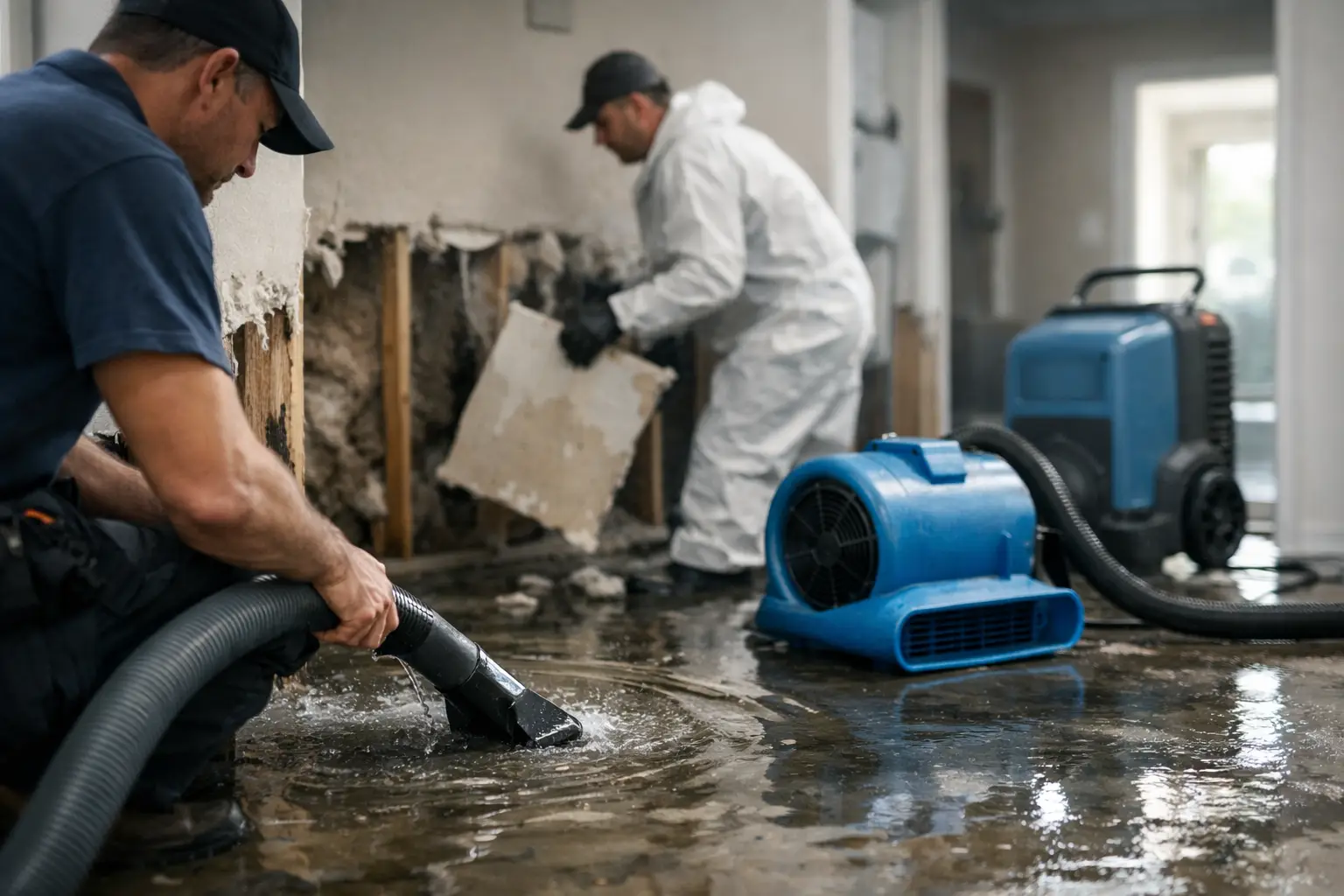
A clean-water loss from a recently failed supply line may be manageable while a tenant remains in the unit, particularly if the damage is confined to a bathroom, laundry area, or small portion of a kitchen. The contractor may establish containment, remove affected materials, place drying equipment, and complete repairs in phases.
Even then, management should account for noise, access needs, and the reality that air movers and dehumidifiers can be disruptive. A tenant who works from home, has a medical condition, or cares for young children may not be able to tolerate an otherwise manageable restoration environment. A practical decision considers the resident's circumstances as well as the physical condition of the unit.
Contaminated water changes the equation
Sewage backups, toilet overflows involving waste, flooding from exterior sources, and other contaminated-water events require a more conservative response. These losses may call for removal of porous materials, specialized cleaning, and controlled access. Keeping tenants in an affected unit while this work is underway is often not appropriate.
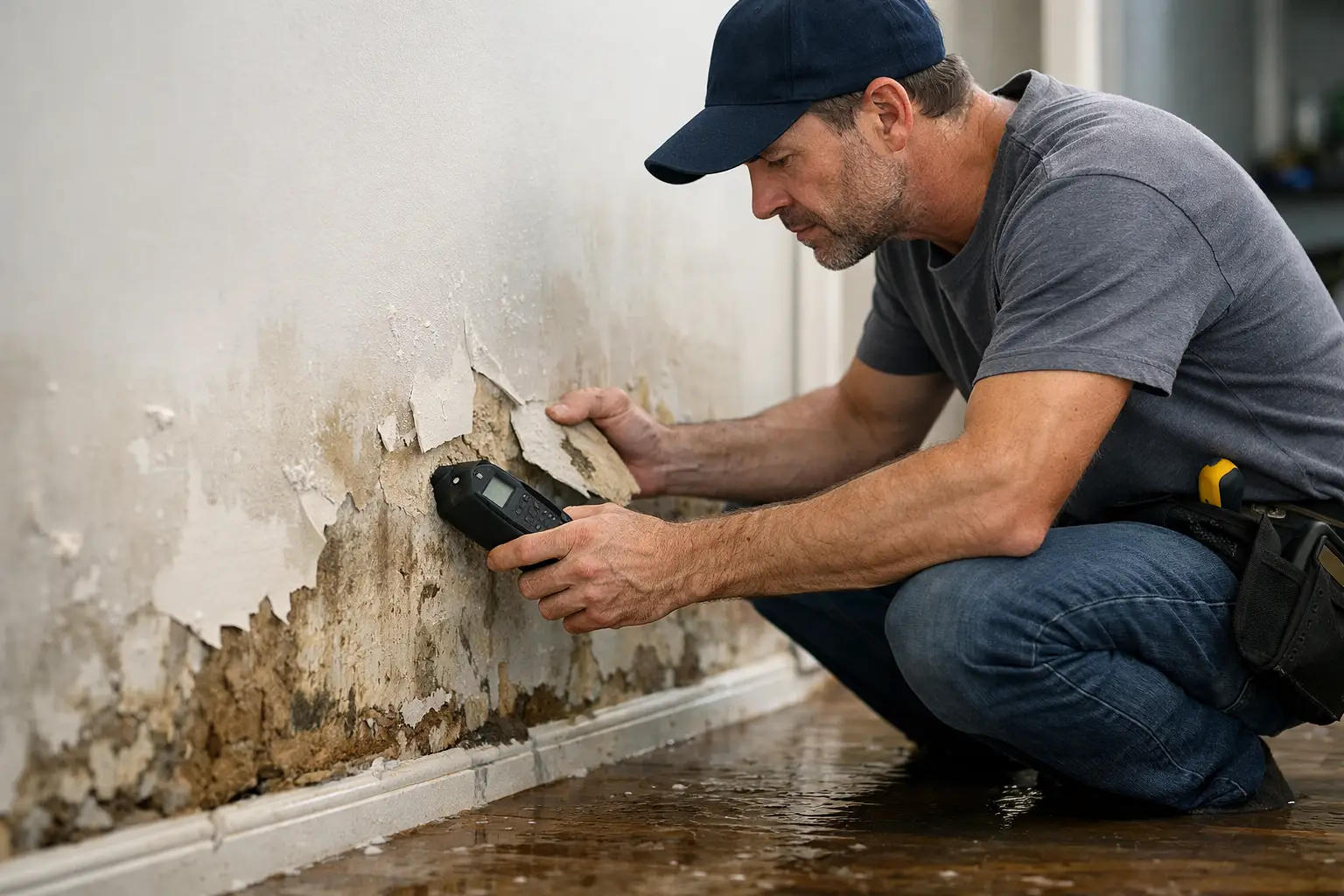
The same caution applies when water has traveled through multiple building assemblies. What looks like a wet patch in one unit may involve insulation, framing, flooring, ceilings, electrical components, and shared plumbing infrastructure. Fast moisture mapping and professional drying help management make decisions based on evidence rather than appearances.
Fire, smoke, and structural damage require careful controls
After a fire, smoke residue and odor can extend well beyond the burn area. Damaged drywall, compromised ceilings, exposed wiring, and impaired egress routes can make occupancy unsafe even when the unit appears mostly intact. Structural concerns, significant demolition, or extensive reconstruction generally point toward relocation until the space is restored and cleared for normal use.
Habitability Is More Than Whether the Lights Work
A unit can have power and running water yet still be unsuitable for occupancy. Restoration often affects basic use of kitchens, bathrooms, bedrooms, entrances, and ventilation. If a tenant cannot safely sleep, prepare food, bathe, access the unit, or avoid a work area, the property team should treat the situation seriously.
This is where rushed decisions tend to create friction. A manager may see a repair that will take only several days, while the tenant experiences constant equipment noise, dust controls across a hallway, limited bathroom access, and workers entering throughout the day. The better approach is to document the work sequence and explain what the tenant can realistically expect.
When restoration is limited to one room, phased work can sometimes preserve occupancy. For example, a contractor may complete drying and reconstruction in an unoccupied bedroom while the remainder of the apartment remains functional. When damage affects the only bathroom, kitchen, primary access route, or several connected living areas, the margin for safe occupancy narrows quickly.
Build an Occupancy Plan Before Work Begins
The best restoration outcomes are organized before demolition starts. Once a tenant is told they can remain, reversing that decision without clear evidence can damage trust. Before authorizing work, property management should coordinate with the restoration contractor, insurer where applicable, and onsite staff to establish the scope, controls, and communication plan.
A useful occupancy plan identifies the affected rooms, source category, moisture readings, required demolition, equipment placement, anticipated work hours, access requirements, and essential services that may be interrupted. It should also address whether containment barriers will affect exits, whether residents need to move belongings, and how common areas will be protected.
For multi-unit properties, map potential migration to adjoining units early. A ceiling leak on one floor can become a flooring, drywall, and electrical concern below. Inspecting only the original unit may delay drying and turn a contained incident into a wider loss.
Document conditions with the insurer in mind
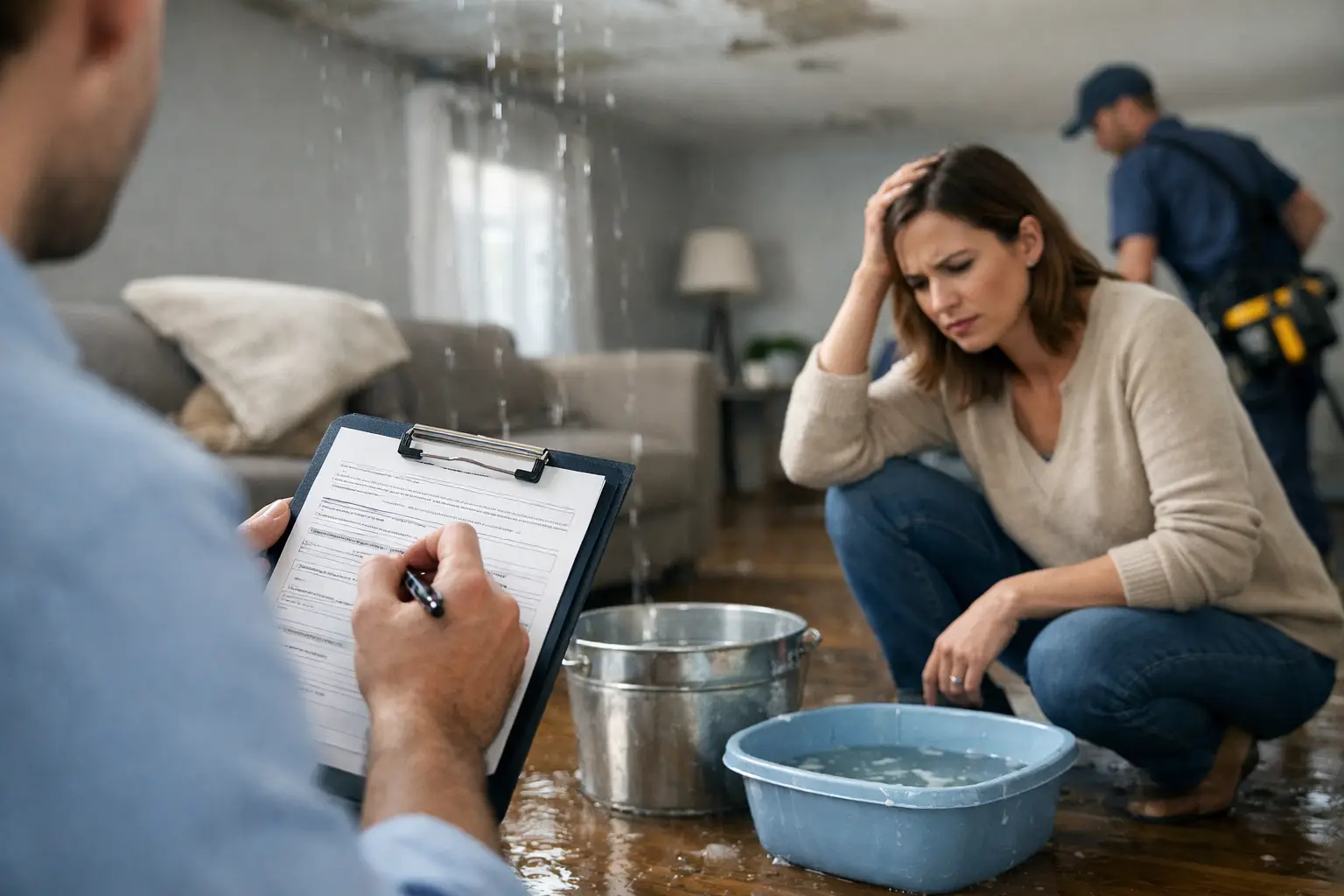
Insurance claims move more smoothly when mitigation begins quickly and the record is clear. Photos, moisture documentation, equipment logs, daily updates, and a defined scope help support the claim while showing why certain occupancy decisions were necessary.
Do not allow insurance uncertainty to delay emergency mitigation. Standing water, elevated moisture, and damaged materials do not wait for claim approval. A qualified 24/7 restoration team can stabilize the property, preserve documentation, and coordinate with the claims process while management focuses on resident communication and portfolio operations.
Communicate With Tenants Like a Professional Partner
Tenants do not need vague assurances. They need clear information about what happened, what will occur next, when workers will need access, and who to contact if conditions change. Early, factual communication reduces complaints and makes access coordination far easier.
Explain the work in plain language: where drying equipment will be placed, whether water or power will be interrupted, how long active work is expected to last, and what residents should do with personal property. Provide practical instructions for pets, parking, access, and emergency contacts. For communities with Spanish-speaking residents, bilingual communication can prevent confusion at the moment it matters most.
Avoid promising a finish date before the full extent of damage is known. Instead, share the current schedule, identify the next decision point, and commit to updates if conditions change. That approach feels more dependable than an optimistic timeline that has to be withdrawn after hidden moisture or damaged materials are discovered.
Choose a Contractor That Can Manage the Full Sequence
Restoration is rarely one task. Water extraction may lead to drying, selective demolition, cleaning, mold-related remediation where warranted, flooring replacement, drywall repair, paint, and final turnover cleaning. Each handoff creates another opportunity for delay, inconsistent documentation, or tenant confusion.
A single-source partner helps property teams maintain accountability from emergency response through reconstruction. V&S Management Services Inc. brings licensed, bonded, and insured general contracting capability together with 24/7 urgent water damage response, insurance-claim coordination, flooring, cleaning, maintenance, and multi-unit remodeling support. That means the team assessing the damage can coordinate the path back to a safe, rent-ready unit instead of leaving management to assemble separate vendors after the emergency has passed.
For occupied buildings, contractor professionalism is part of the safety plan. Crews should protect common areas, maintain clean work zones, respect scheduled access, communicate changing conditions quickly, and close out the work with documentation that management can retain.
Make the Decision That Protects the Property and the Resident
Keeping a tenant in place can reduce disruption and preserve rental operations when damage is contained and the unit remains safe, functional, and accessible. Relocation is the better choice when essential living conditions, safety controls, or the scope of restoration make normal occupancy unrealistic.
The strongest property teams do not treat this as a simple yes-or-no question. They respond quickly, verify conditions, document the facts, and give tenants a clear plan. That disciplined approach protects people first while helping the property recover with fewer delays and fewer surprises.