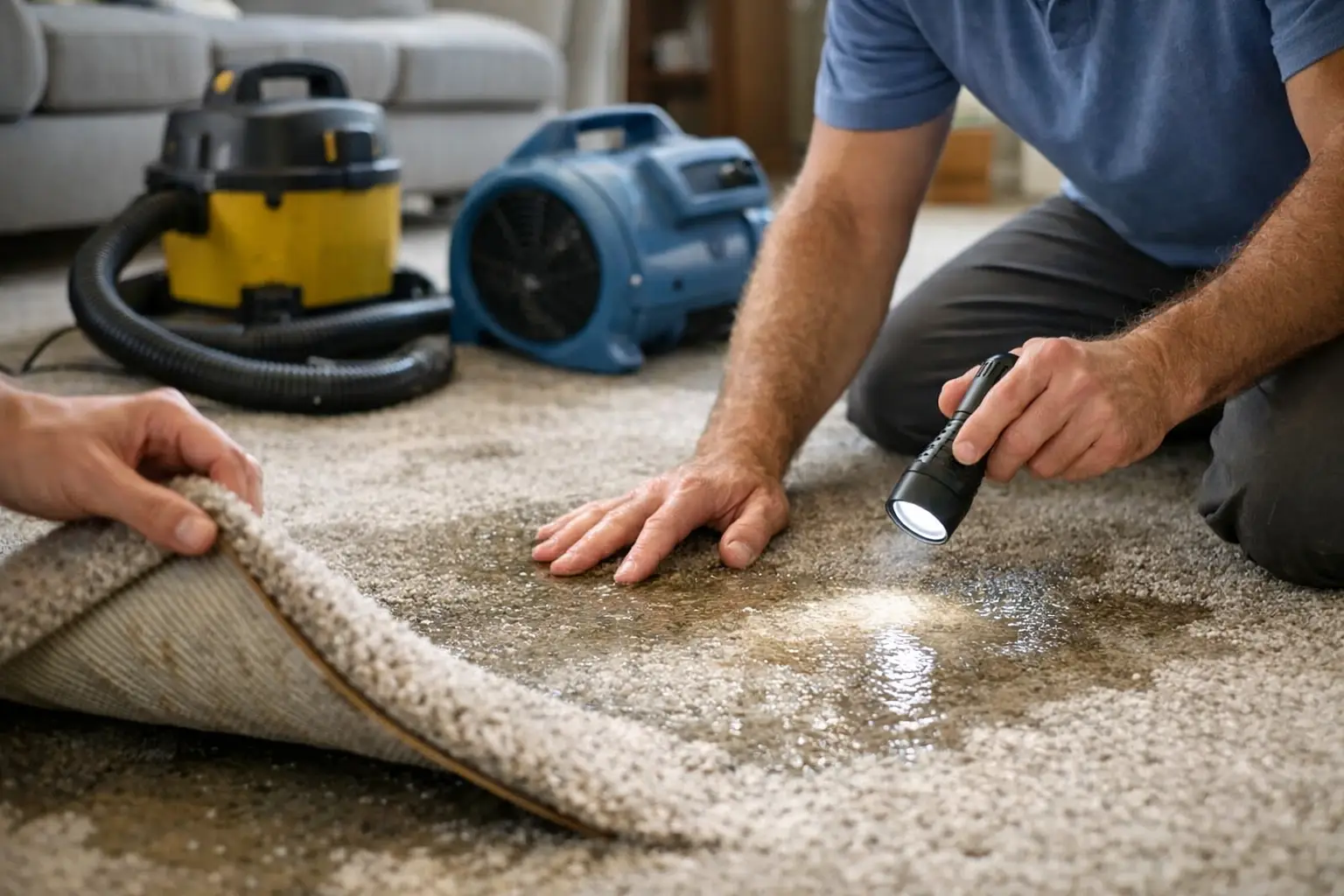
A maintenance call about a soaked unit carpet usually sounds small at first. Then you realize the water may have been sitting overnight, the pad is saturated, and the subfloor could already be at risk. For property managers and building owners, the real question is not just can wet carpet be saved - it is whether saving it protects the asset, limits liability, and keeps the unit on schedule.
The short answer is yes, sometimes. But the outcome depends on what caused the water, how long the carpet stayed wet, what materials are underneath, and how quickly proper drying begins. In multi-unit and commercial properties, speed matters because carpet problems rarely stay isolated. Moisture can migrate into baseboards, walls, pad, tack strips, and adjacent units if the response is delayed.
Can wet carpet be saved in every situation?
No. Some wet carpet can be restored successfully, and some should be removed without hesitation. The difference comes down to contamination level, exposure time, and whether the backing, pad, and surrounding building materials can be dried to a safe standard.
If the source is clean water from a supply line, an overflowing sink caught early, or a small appliance leak addressed right away, the carpet may be salvageable. If the source involves sewage backup, toilet overflow with contamination, or ground water intrusion, replacement is usually the safer and more defensible decision. For property professionals, that matters not only for occupant health but also for insurance documentation and long-term asset protection.
The timeline is just as important as the source. A carpet wet for a couple of hours is a different situation from one that has remained damp for 24 to 48 hours in a closed unit. Once moisture lingers, microbial growth becomes a serious concern, especially in Southern California properties where units can sit vacant between inspections or turns.
The first factors that determine whether wet carpet can be saved
The first factor is the water category. Clean water gives you the best chance of restoring the carpet if the response is immediate. Gray water from dishwashers, washing machines, or other used-water sources creates more risk because it may contain contaminants. Black water from sewage or storm intrusion generally moves the job from restoration to removal.
The second factor is the pad. Even if the visible carpet surface looks recoverable, the pad often traps moisture and loses structural integrity. In many cases, the carpet itself can potentially be cleaned and dried, but the pad cannot. On a turnover timeline, replacing pad while evaluating the carpet can be the most practical path.
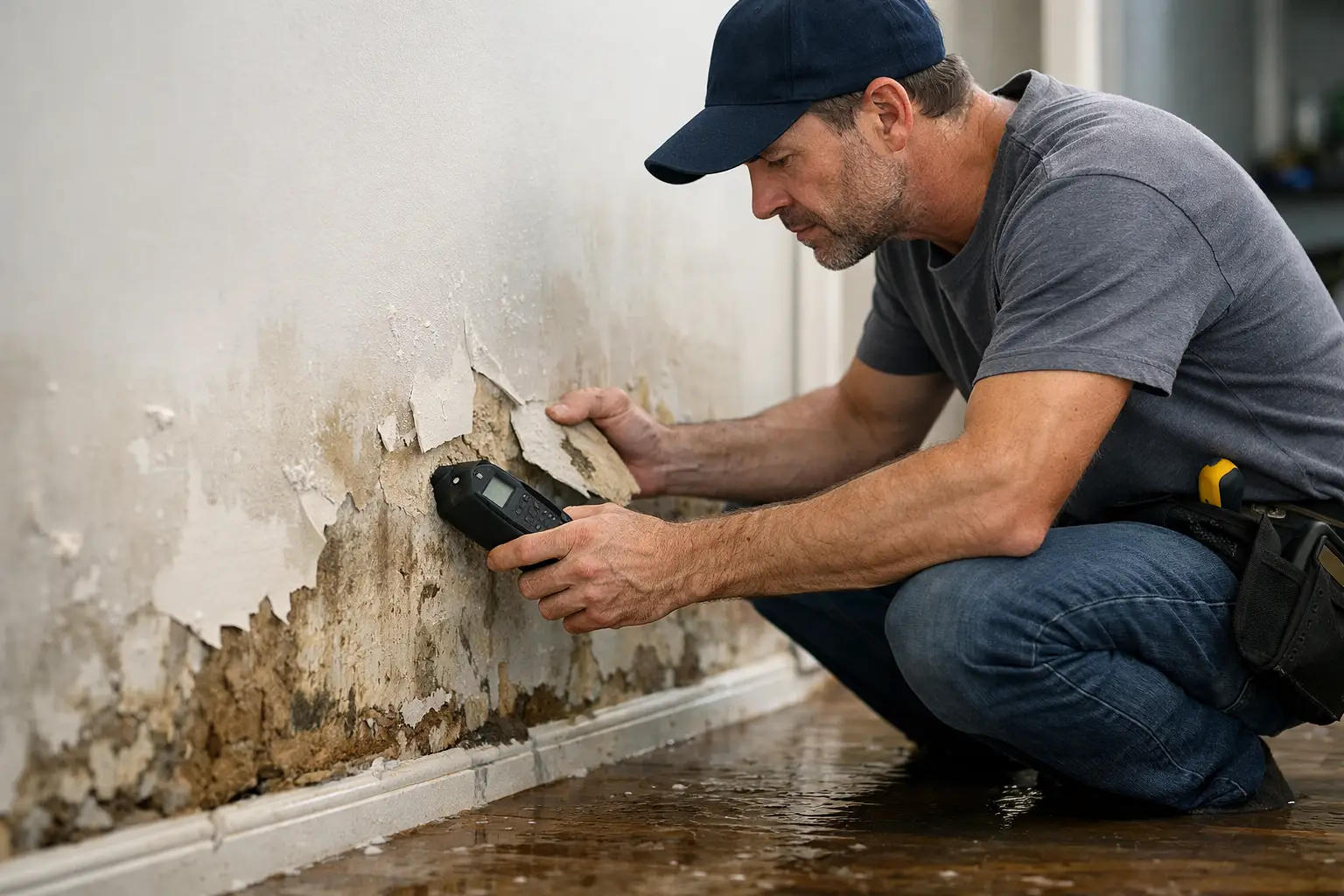
The third factor is the subfloor and adjacent materials. In apartment buildings, condominiums, HOA common areas, and commercial suites, water does not respect boundaries. A wet carpet over concrete may behave differently than one installed over wood subfloor. Wood framing, baseboards, drywall, cabinetry toe-kicks, and wall cavities may all need moisture testing before anyone can confidently say the flooring is safe to keep.
What property managers should do immediately
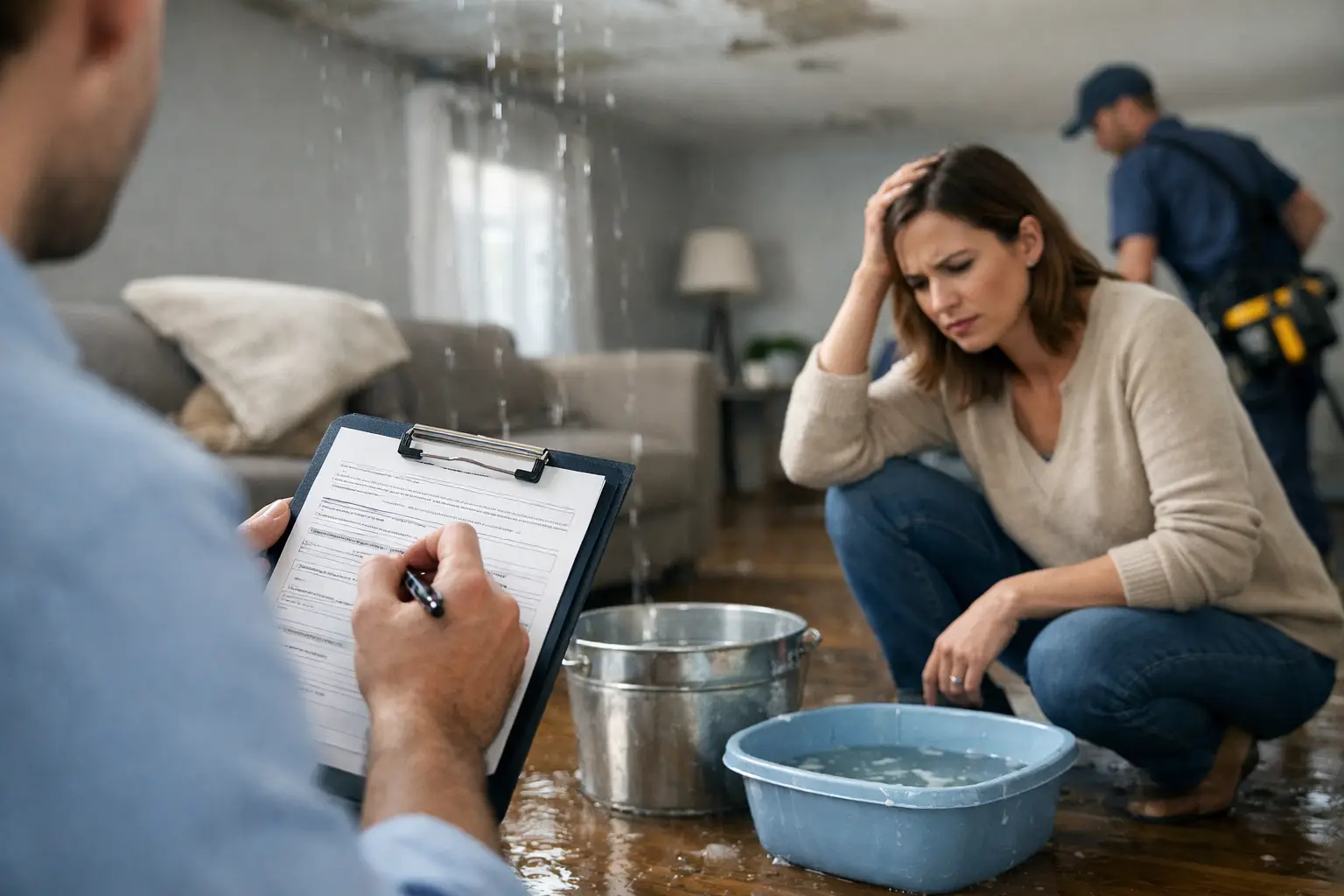
The first priority is stopping the source. If the leak is active, every minute adds to the drying load and the scope of damage. Once the source is controlled, the next step is documenting the loss with photos, affected areas, and timing. That record helps with internal reporting, owner communication, and insurance coordination.
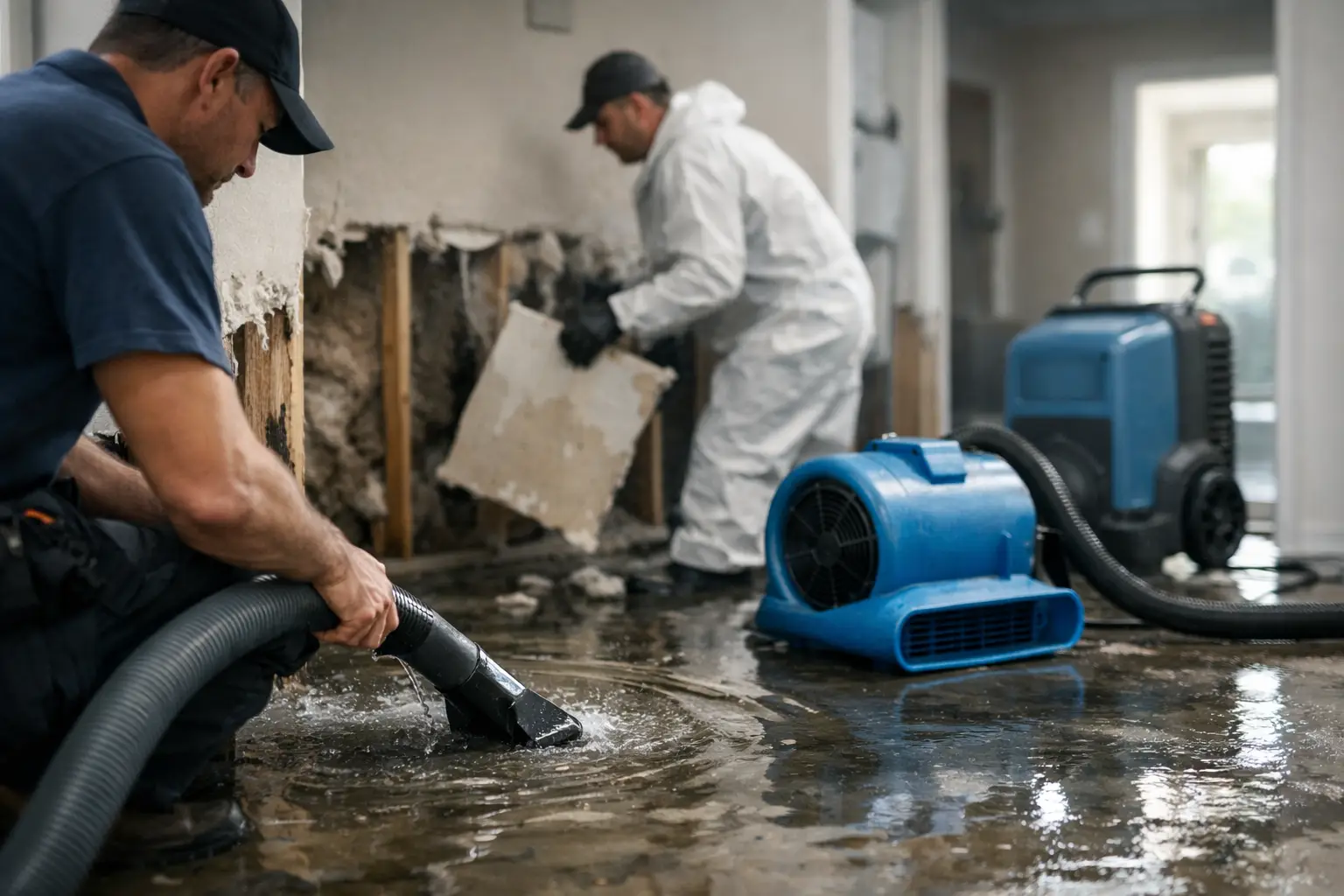
After that, extraction needs to happen fast. Surface vacuuming is not enough. Wet carpet requires professional water extraction, moisture readings, airflow, and dehumidification designed for the actual load in the room. Opening windows and setting out box fans may make it feel like progress is happening, but it rarely delivers the controlled drying needed to protect the carpet, pad, and building materials underneath.
In occupied or shared properties, quick response also reduces secondary issues such as odor complaints, slip hazards, tenant disruption, and the spread of moisture into neighboring units. That is why a 24/7 emergency response partner is not just convenient - it is operationally smart.
When saving the carpet makes sense
Saving the carpet usually makes sense when the water source was clean, the response started quickly, and the contamination did not spread into other porous materials beyond practical recovery. Newer carpet with strong backing and limited saturation often has a better chance than older material already showing wear, delamination, or odor retention.
This is especially true in commercial spaces and rental units where matching existing flooring matters. If replacement means hunting for a discontinued color or redoing adjoining rooms to maintain consistency, restoration may be the more cost-effective option - but only if drying goals are achievable and verified.
A professional assessment should confirm moisture levels in the carpet, pad, baseboards, and subfloor before any save decision is finalized. Visual dryness is not the same as dry. Carpet can feel almost normal on top while holding enough moisture below to create odor, adhesive failure, or hidden deterioration later.
When replacement is the better business decision
Sometimes replacement is not a worst-case scenario. It is the cleaner, faster, lower-risk choice.
If the carpet sat wet too long, if contamination is questionable, if the pad is compromised throughout, or if there is already a strong odor, replacement may save time compared with prolonged drying and repeated cleaning attempts. For vacancy-sensitive properties, there is a point where trying to preserve damaged carpet actually extends downtime.
Replacement also makes sense when the carpet is near the end of its useful life. Property managers know this calculation well. If the flooring was already due for turnover replacement within the next cycle, investing in intensive restoration may not be the best use of budget. The right decision is not always the cheapest line item today. It is the one that best protects rent readiness, resident safety, and future maintenance costs.
Why hidden moisture changes the answer
One of the biggest mistakes after a wet carpet event is focusing only on the visible floor covering. Water travels under walls, along slab edges, into underlayment, and beneath cabinets. In multi-story buildings, it can affect the unit below before the original room even looks seriously damaged.
That is why experienced restoration teams rely on moisture mapping and targeted drying plans. The goal is not simply to make the carpet look dry enough for reoccupancy. The goal is to return the affected assembly to an acceptable moisture condition so the problem does not reappear as odor, staining, buckling, or mold growth weeks later.
For owners and managers, this is where vendor quality matters. A rushed clean-and-go approach can create a second claim, tenant complaints, and avoidable dispute over whether the flooring was properly handled in the first place.
Insurance, documentation, and compliance considerations
Wet carpet losses often sit at the intersection of maintenance, risk management, and insurance. If a carrier is involved, detailed documentation matters from the start. That includes source identification, affected materials, photos, equipment logs, moisture readings, and a clear record of mitigation steps.
This is another reason the answer to can wet carpet be saved should not be guessed at on site without evidence. If you choose restoration, the file should support why that approach was appropriate. If you choose removal and replacement, the documentation should show why salvage was not the responsible option.
For property managers overseeing multiple units or HOA assets, working with a fully licensed, bonded, and insured partner helps reduce administrative friction. It also creates cleaner accountability when emergency mitigation connects to reconstruction, flooring replacement, or broader repairs. That single-source coordination is often what keeps a small water event from turning into a drawn-out vacancy problem.
A practical standard for decision-making
If the water was clean, the event was caught early, professional extraction began quickly, and moisture testing shows the surrounding materials can be dried effectively, the carpet may be worth saving. If the water was contaminated, the exposure was prolonged, the pad and subfloor are heavily affected, or the carpet is already aged and difficult to restore confidently, replacement is usually the better call.
In either case, delay is what causes the most expensive outcomes. The longer wet carpet sits, the fewer good options remain. For Southern California property teams balancing tenant satisfaction, turnover deadlines, and budget pressure, that means fast response is not just about drying carpet. It is about protecting the entire asset.
At V&S Management Services Inc., we have seen the difference that immediate mitigation and clear decision-making make across multi-unit and commercial properties. The best results come from treating wet carpet as a building issue, not a cosmetic one. When the right team is on site early, you can make a confident save-or-replace decision before a manageable problem starts affecting schedules, budgets, and occupancy.