A roof drain backs up during a Southern California storm. A tenant reports a ceiling stain. A vacant unit needs flooring, paint, and final cleaning before the next showing. None of these issues are unusual, but each can become expensive when maintenance is reactive, records are incomplete, or vendors are not ready to respond. This commercial property maintenance guide is built for managers and owners who need fewer surprises, faster resolutions, and stronger protection for every asset in the portfolio.
Commercial Property Maintenance Guide: Start With Priorities
Commercial maintenance is not simply a checklist of repairs. It is an operating system for protecting buildings, supporting tenants, meeting safety obligations, and keeping turnover schedules on track. The best plan separates urgent risks from routine upkeep, then assigns clear responsibility for both.
Start by identifying the systems that can cause the greatest disruption if they fail. In most commercial and multi-unit properties, that includes plumbing, roofing and drainage, electrical systems, HVAC equipment, common-area surfaces, life-safety components, and building access points. A failed exhaust fan is inconvenient. An active water leak above occupied suites can damage finishes, interrupt operations, create a mold concern, and lead to a complicated insurance claim.
Prioritize work according to impact, not just visible condition. A property may look clean and well managed while aging supply lines, clogged drains, or deteriorating sealant create hidden exposure. Routine inspections give managers the information needed to schedule repairs before they become emergencies.
Build a Property-Specific Maintenance Calendar
A calendar should reflect the age, use, and condition of each building. A high-traffic retail center needs more frequent attention to flooring, restrooms, lighting, and exterior walkways than a lightly occupied office property. Older buildings may require closer monitoring of plumbing and electrical components, while newer properties may be focused on warranty tracking and preventive servicing.
Monthly walk-throughs are a practical baseline for common areas, exterior conditions, drains, doors, lighting, visible plumbing, and housekeeping concerns. Quarterly reviews can address HVAC service, fire-safety coordination, irrigation, roofing observations, and vendor performance. Annual planning should cover larger capital needs such as flooring replacement, exterior painting, roof repairs, accessibility improvements, and remodel scopes.
Keep the calendar realistic. An overbuilt plan that no one follows does not protect the property. A focused schedule with documented completion dates, photographs, work orders, and follow-up notes creates accountability and helps identify patterns over time.
Protect the Building Envelope Before Water Finds a Way In
Water intrusion remains one of the most disruptive maintenance issues in commercial and multi-unit properties. It can begin at a roof penetration, failed window seal, overflowing drain, broken supply line, or poorly maintained exterior joint. By the time staining is visible inside, moisture may have already affected insulation, drywall, flooring, or neighboring spaces.
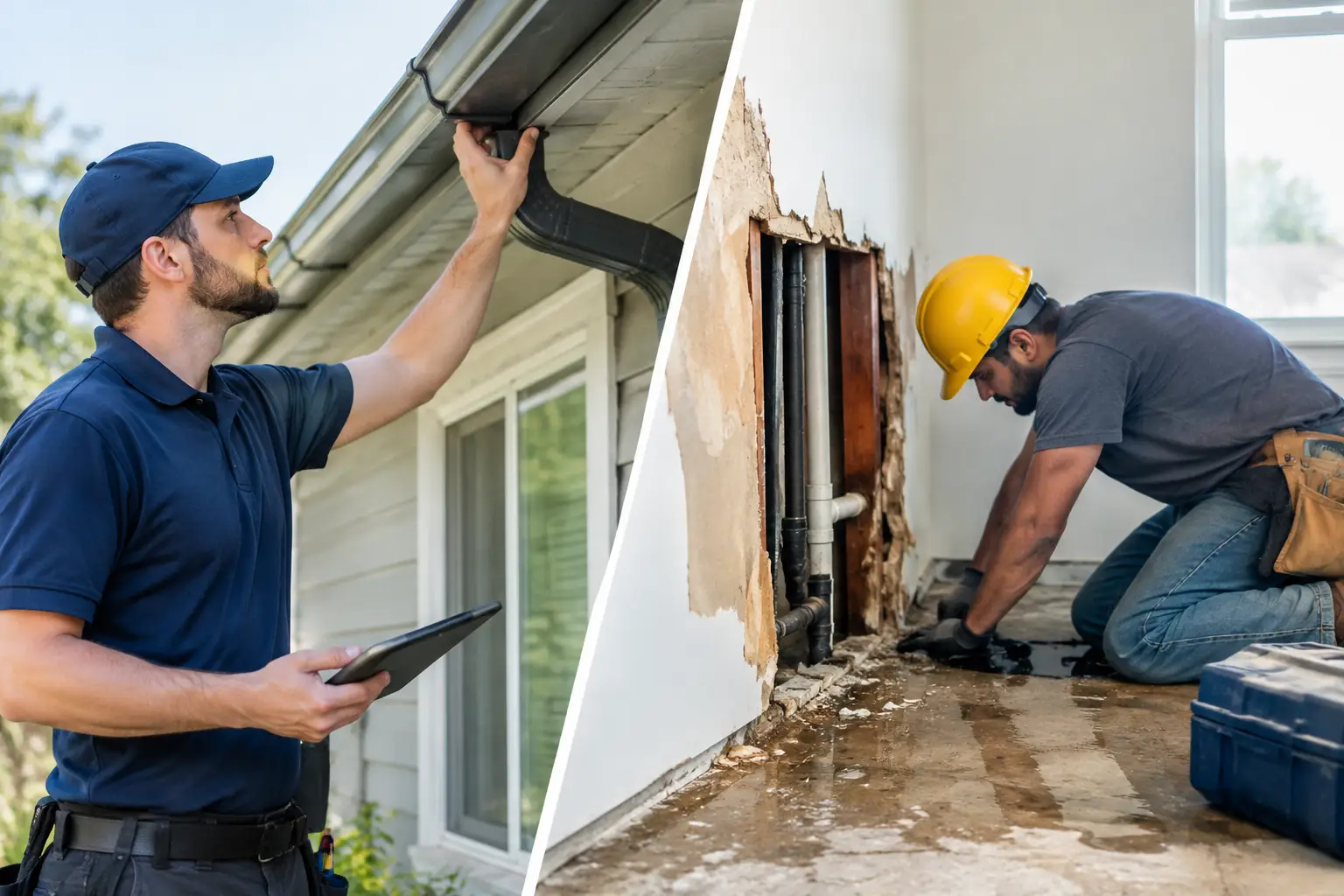
Roof and drainage inspections should be scheduled before the rainy season and repeated after significant storms. Check for ponding water, blocked drains, loose flashing, damaged sealant, and debris that prevents proper flow. Ground-level drainage matters too. Standing water near foundations, damaged gutters, and improperly directed downspouts can create long-term problems that are easier to prevent than repair.
When an active leak occurs, speed matters more than a perfect diagnosis in the first hour. Stop the source when possible, protect occupants and electrical hazards, document the damage, and bring in qualified restoration support. A 24/7 emergency response partner can help stabilize the property, begin drying, and coordinate the documentation needed for an insurance claim. Delays can turn a contained incident into a longer closure and a larger repair scope.
Treat Tenant Turnovers as a Maintenance Process
Vacancy days affect more than rent collection. They create scheduling pressure, increase exposure to deferred repairs, and can strain relationships with owners, leasing teams, and incoming tenants. A turnover should be managed as a defined process rather than a series of disconnected vendor calls.
Begin with a thorough pre-turn inspection as soon as notice is received, when access allows. Identify cleaning needs, flooring condition, paint touchups, drywall repairs, appliance or fixture issues, plumbing concerns, and any work that could affect the next move-in date. Early scope development gives managers time to order materials, coordinate access, and avoid last-minute decisions.
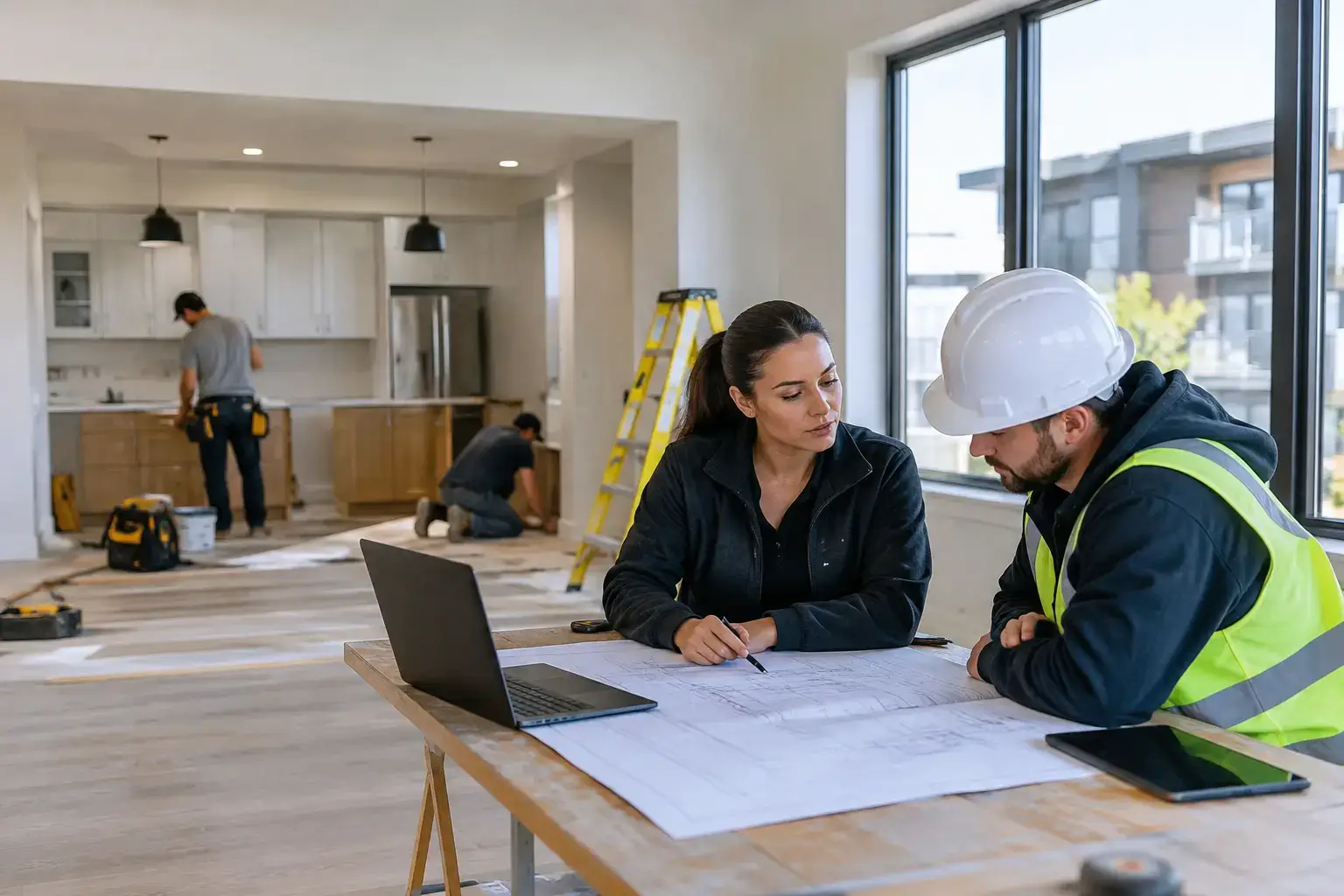
The most effective turnover plans group related work together. For example, complete drywall and painting before installing new flooring, then schedule final cleaning after all trade work is finished. If each vendor arrives without coordination, crews can undo one another's work or create unnecessary gaps in the schedule.
For multi-unit portfolios, standardizing approved finishes, paint colors, flooring selections, and inspection forms can reduce delays without making every unit identical. The right approach depends on the property's market position and condition. A premium renovation may be justified for a long-term asset strategy, while a targeted rent-ready refresh may be the smarter move for a unit that needs to return to service quickly.
Maintain Safety, Access, and Common Areas
Common areas shape tenant confidence and create some of the property's most visible liability exposure. Uneven walkways, loose handrails, poor lighting, damaged doors, and worn flooring should be addressed before they result in an incident or complaint.
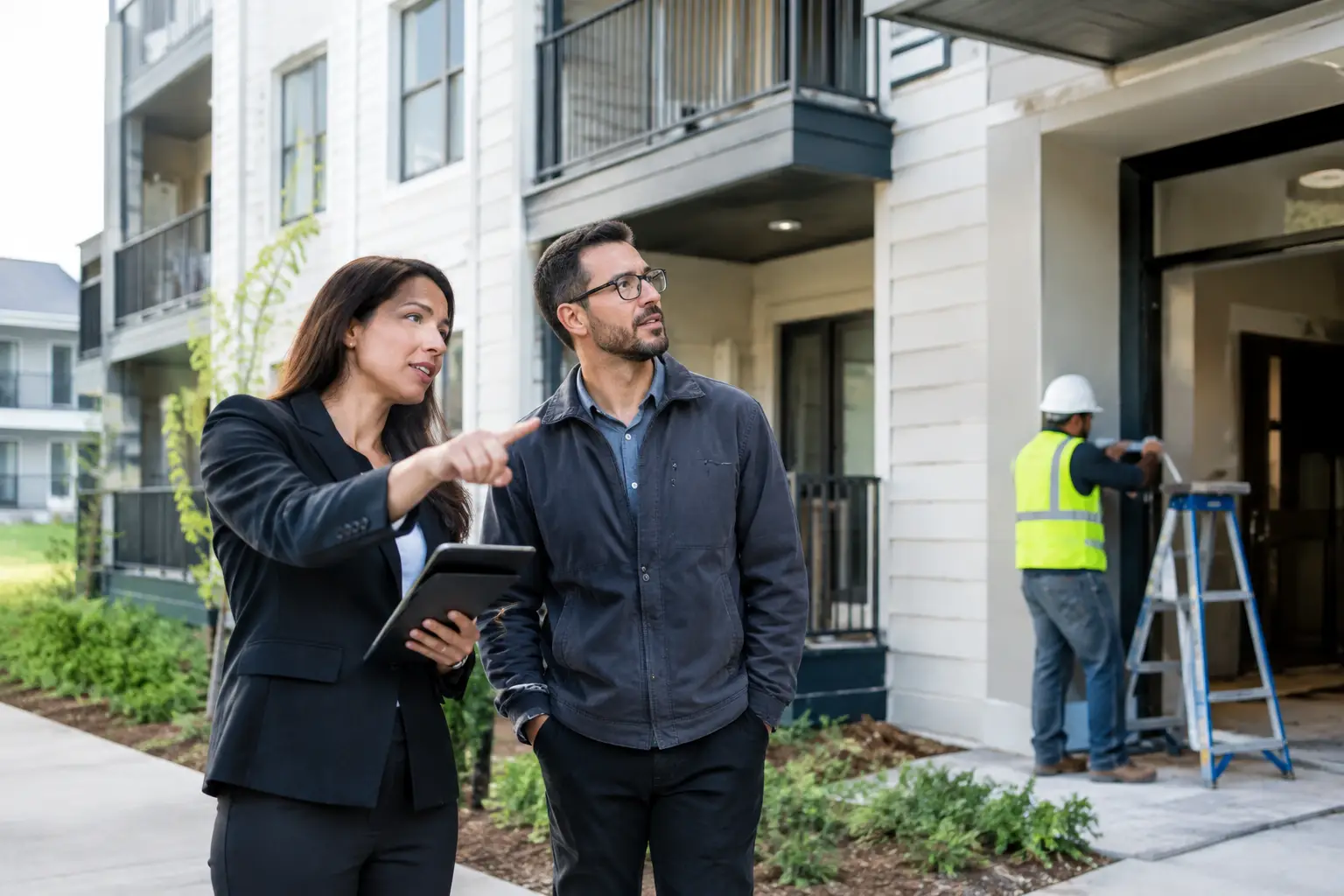
Walk these areas from the tenant's perspective. Are entrance doors closing and locking properly? Are stairwells clean and adequately lit? Is flooring secure at transitions? Are parking areas free of trip hazards and visible drainage issues? Small details often signal whether a building is being actively cared for.
Life-safety requirements should be handled with special care. Fire extinguishers, exit pathways, emergency lighting, alarms, and required inspections must be coordinated with qualified providers and maintained according to applicable building and local requirements. Property managers should retain service records and promptly correct deficiencies. This is not an area to defer because a building appears otherwise operational.
Choose Vendors for Accountability, Not Just Availability
When a maintenance request comes in, the quickest available vendor can be tempting. But a lower-friction decision at the start can lead to repeat repairs, incomplete documentation, safety concerns, or finger-pointing when work overlaps between trades.
A dependable commercial maintenance partner should be properly licensed for the work performed, insured, bonded where appropriate, responsive in an emergency, and equipped to communicate clearly with managers, tenants, adjusters, and ownership. For projects involving multiple scopes, a single accountable contractor can reduce coordination gaps between cleaning, restoration, flooring, repairs, and remodeling.
Ask vendors how they document work, handle change conditions, communicate completion, and respond after hours. Also confirm who will be on site and whether they understand occupied-property protocols. Professional conduct matters. Crews should respect tenant operations, protect work areas, maintain clean sites, and communicate access requirements before arriving.
For Southern California managers balancing large portfolios or complex turnovers, V&S CORPORATIONS provides one fully licensed, bonded, and insured point of accountability across maintenance, restoration, cleaning, flooring, remodeling, and construction needs.
Use Documentation to Make Better Decisions
Maintenance records are not paperwork for its own sake. They help managers identify recurring issues, demonstrate responsible oversight, support budget planning, and provide a clearer history when ownership changes or an insurance claim arises.
Each work order should include the reported issue, location, date, photos when relevant, diagnosis, completed repair, materials used, and recommended follow-up. For water damage or other significant events, preserve before-and-after photos, moisture records, mitigation notes, invoices, and communications related to the loss.
Documentation also reveals where preventive maintenance is paying off. If the same drain line requires repeated service, a camera inspection or repair may be more cost-effective than continued emergency calls. If carpet replacement is happening repeatedly in the same corridor, evaluate traffic patterns, material selection, and cleaning practices rather than treating each replacement as an isolated event.
Plan Capital Work Before It Becomes Urgent
Not every maintenance need is a repair. Some are capital decisions that deserve advance planning, competitive scope review, and scheduling around occupancy. Flooring upgrades, exterior improvements, plumbing repipes, unit remodels, and ADU construction can strengthen asset value, but they require clear priorities and realistic sequencing.
Set aside time during annual budget planning to review major components nearing the end of their useful life. Consider tenant impact, permit requirements, access limitations, material lead times, and the value of completing related work together. Replacing flooring during a planned turnover, for instance, may be far less disruptive than doing it after a new tenant has moved in.
The goal is not to replace everything early. It is to make decisions before a failure forces the most expensive option. A well-maintained property gives managers more control over timing, scope, and tenant communication.
A dependable maintenance program is built one documented inspection, one timely repair, and one accountable vendor relationship at a time. Begin with the highest-risk systems, set a schedule your team can consistently manage, and act early when building conditions change. That discipline protects both the property and the people who rely on it every day.