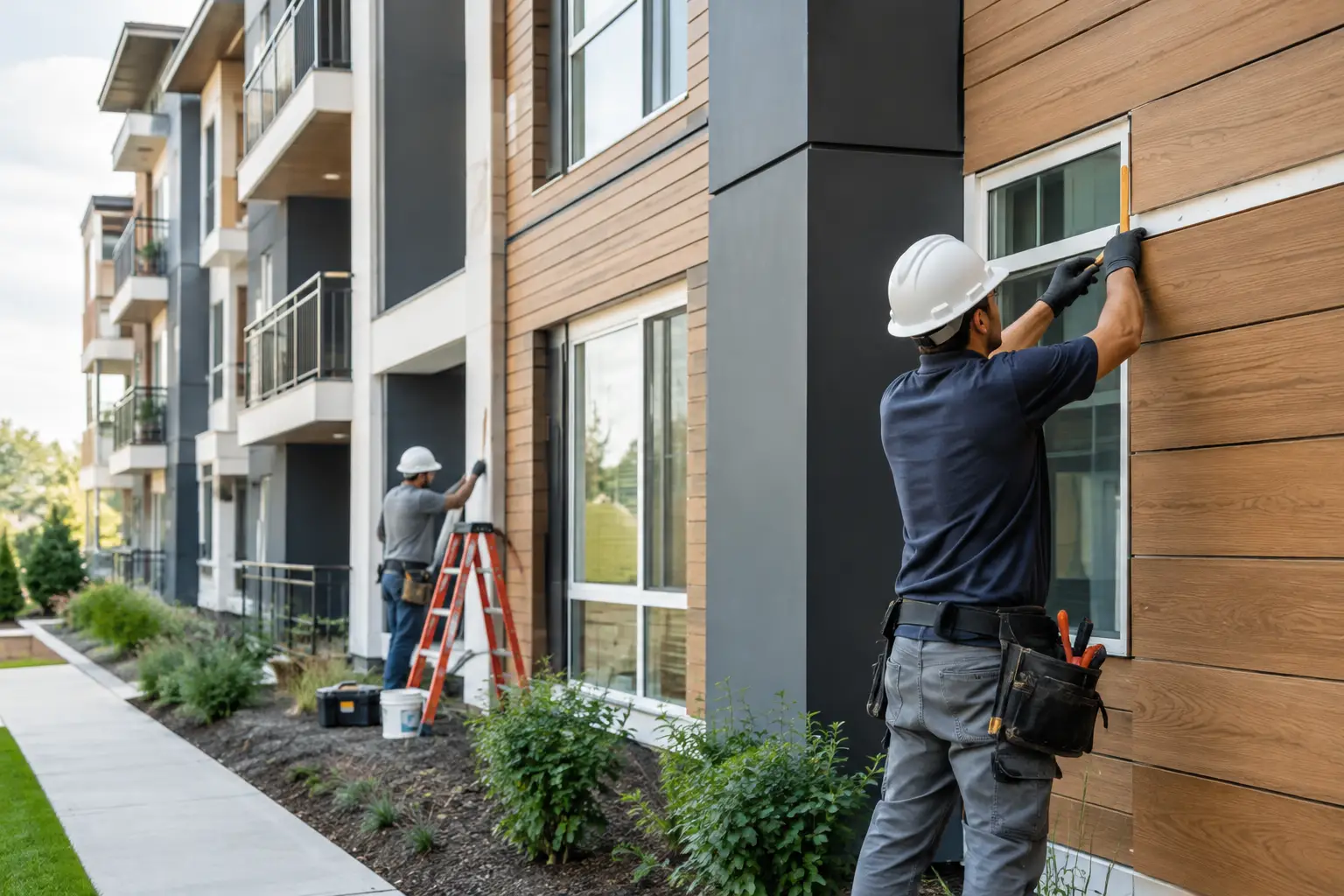
A vacant unit is not simply an empty apartment. It is a missed revenue opportunity, a scheduling challenge, and, in some cases, a sign that deferred maintenance is starting to affect the entire property. This multifamily remodeling project guide is built for property managers, owners, HOA boards, and asset managers who need to improve units and common areas without losing control of timelines, compliance, or resident communication.
The best remodeling projects are not defined only by new finishes. They are defined by fewer surprise costs, clear responsibility, safer work areas, and a property that returns to service in better condition than before. Whether the work involves a single turnover unit, a phased renovation across an occupied building, or a major repositioning effort, preparation determines whether the project supports operations or disrupts them.
Start With the Business Case, Not the Finish Selections
Before choosing flooring, cabinets, or paint colors, define what the project needs to accomplish. A turnover remodel may be focused on reducing vacancy days and bringing a unit to rent-ready condition. A broader renovation may be intended to address aging plumbing, recurring water damage, accessibility needs, or declining resident satisfaction. These are different projects and should be scoped differently.
Start by identifying the property problem, the desired operating result, and the level of disruption the building can absorb. For example, replacing damaged flooring in vacant units can often move quickly. Replacing plumbing risers, repairing structural damage, or remodeling occupied kitchens requires a staged plan, resident notices, access coordination, and more contingency.
A clear business case also helps prevent scope drift. If the objective is to standardize turnover units, every upgrade should support durability, cleanability, availability, and repeatable installation. If the property is being repositioned for a different market segment, finishes may carry more weight, but they still need to work within long-term maintenance demands.
Build a Reliable Scope of Work
A vague scope is where avoidable delays begin. “Remodel the unit” leaves too much open to interpretation. A useful scope states what will be removed, repaired, installed, tested, cleaned, and documented. It also identifies what is excluded.
For each unit or common-area phase, document existing conditions before work begins. Photos, measurements, moisture readings where appropriate, and notes on visible damage create a baseline. This matters when a simple cabinet replacement reveals subfloor damage, mold concerns, outdated wiring, or a prior leak that was never fully corrected.
Separate Cosmetic Work From System Repairs
Cosmetic improvements and building-system repairs often appear together, but they should not be treated as the same category. New paint, fixtures, flooring, and countertops may be straightforward. Electrical upgrades, plumbing repairs, water intrusion remediation, fire-rated assemblies, or structural changes can require permits, inspections, specialized trades, and more time.
Separating these categories helps managers make better decisions. A unit may be rent-ready after a focused cosmetic turnover, while a deeper system issue should be addressed through a dedicated repair plan. Trying to bury major repairs inside a fast turnover schedule can create risk for residents and the asset.
Standardize Where It Makes Operational Sense
Standardized materials reduce decision fatigue and support faster turns. Maintaining approved selections for paint, flooring, cabinet hardware, lighting, and plumbing fixtures makes ordering simpler and creates a more consistent property appearance.
Standardization should not mean using the same product everywhere without thought. Ground-floor units, pet-friendly buildings, coastal properties, and high-traffic common areas may need different materials. The goal is to create a limited, proven set of options that fits the property’s operating reality.
Plan the Schedule Around Occupancy
In multifamily work, the construction schedule and the occupancy schedule are inseparable. A contractor may be ready to start, but access, resident notices, elevator reservations, parking limitations, quiet-hour rules, and utility shutdowns can determine whether work actually progresses.
For vacant units, sequence trades to avoid rework. Repairs behind walls need to happen before drywall and paint. Flooring usually belongs after major wet work and paint preparation. Final cleaning and punch-list corrections should be scheduled before the leasing team receives the unit, not after a prospect is scheduled to tour it.
For occupied units, consider a phased approach. Grouping similar work by floor, stack, or building can reduce repeated mobilization and make resident communication easier. It may also allow management to coordinate temporary access windows and limit the number of units affected at one time.
Build realistic buffer time into the plan. Older properties frequently reveal hidden conditions once walls, flooring, or cabinets are opened. A schedule with no room for inspections, material lead times, weather issues, or unexpected repairs is not an efficient schedule. It is a schedule that transfers risk into vacancy days and resident frustration.
Confirm Compliance Before Work Starts
Professional property managers need more than a contractor who can perform the work. They need a partner who can operate responsibly in an occupied, regulated environment. Confirm licensing, insurance, bonding, workers’ compensation coverage, permits, and trade qualifications before the project begins.
Compliance also includes site practices. Ask how the work area will be secured, how debris will be handled, what dust-control measures are planned, and who will communicate with onsite staff. In older buildings, the plan may also need to address potentially hazardous materials and required testing before demolition.
This is especially important for HOA boards and commercial owners. A remodeling project can affect common areas, parking, building access, insurance requirements, and the association’s obligations to residents. Clear documentation protects everyone involved and creates a dependable record if questions arise later.
Protect Residents, Staff, and the Property
A well-run project respects the people living and working around it. Residents do not need construction jargon. They need timely, specific information about when work will occur, whether access is required, how long disruptions may last, and whom to contact with concerns.
Provide notices early enough for residents to prepare, then repeat critical information as the work date approaches. If water, power, or gas will be interrupted, the notice should be especially clear. For work that affects elderly residents, families, or residents with mobility needs, management may need additional planning around access and accommodations.
Onsite teams also need a single point of contact. When the maintenance supervisor, property manager, leasing staff, and contractor receive conflicting instructions, the project slows down. Establish who can approve changes, who receives daily updates, and who handles resident escalations.
Manage Changes Without Losing Control
Change orders are not always a sign of poor planning. In multifamily remodeling, concealed damage and code-related corrections can be discovered after demolition. The issue is not whether a change occurs. The issue is whether it is identified, priced, approved, and documented before the work proceeds.
Set a clear change-control process at the start. The contractor should explain the condition, provide photos when helpful, describe the operational impact, and obtain written authorization. Property management should respond quickly enough to prevent crews from sitting idle or moving on in a way that extends the schedule.
Managers should also distinguish between necessary changes and preference changes. Replacing damaged subflooring may be necessary to complete the project correctly. Upgrading a finish because a different option now looks better is a choice that can affect timing and material availability. Both may be valid, but they should be evaluated differently.
Use Closeout to Improve the Next Project
The project is not complete when tools leave the site. Before turnover, verify that the work matches the approved scope, systems function properly, debris is removed, and the unit or area is ready for its next use. A final walkthrough should cover visible finish quality as well as doors, fixtures, appliances, outlets, plumbing connections, ventilation, and safety items.
Keep records of completed work, approved changes, permits, warranties, and maintenance recommendations. These records support future budgeting, insurance coordination, unit turns, and capital planning. They also help identify patterns across the portfolio. If several units show the same moisture damage or flooring failure, the solution may need to be broader than a one-unit repair.
For Southern California portfolios, a single accountable partner can be particularly valuable when remodeling work overlaps with turnover cleaning, flooring installation, maintenance needs, or urgent water damage response. V&S CORPORATIONS supports that kind of coordinated work with a fully licensed, bonded, and insured approach built around keeping properties operational.
The most useful remodeling plan is one your onsite team can actually execute. Start with a documented scope, protect time for unknown conditions, communicate early with residents, and choose qualified partners who understand that every day of delay affects the property’s performance.