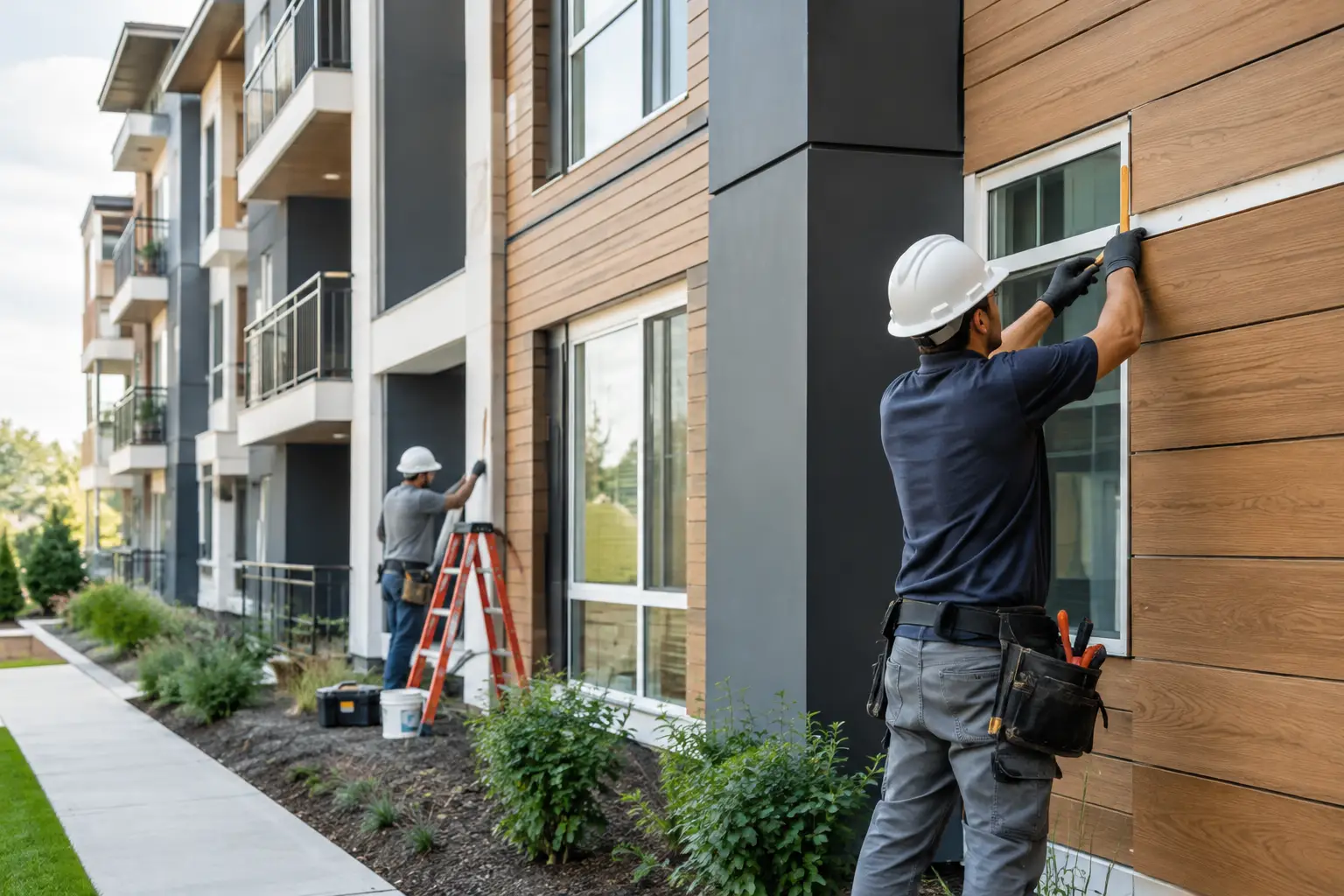
A vacant unit that sits for an extra week is not simply a construction delay. It affects leasing momentum, operating income, resident experience, and the workload of your onsite team. Knowing how to schedule multifamily renovations means building a plan around occupancy, materials, inspections, and labor before the first demolition day - not reacting to each surprise as it appears.
For property managers and owners, the goal is not to rush work at the expense of quality. It is to create a predictable path from scope approval to rent-ready turnover, while keeping occupied residents safe and minimizing disruptions across the property.
Start with the occupancy and turnover picture
The right renovation calendar begins with the building, not the contractor's availability. Map every affected unit and common area by occupancy status, lease end date, expected move-out date, current condition, and priority level. A vacant unit with water-damaged flooring may need immediate attention. A cosmetic kitchen update in an occupied unit may be better planned around a resident's schedule or grouped with similar work elsewhere in the property.
Separate projects into three tracks: vacant-unit turns, occupied-unit improvements, and capital work in shared areas. Each has a different level of urgency and a different tolerance for disruption. Combining them in one undifferentiated schedule often creates avoidable conflicts, especially when crews, elevators, parking areas, or material staging space are limited.
For a larger portfolio, rank projects by revenue impact and risk. Units that cannot be leased, safety-related repairs, active water damage, and code-driven corrections generally move to the front of the line. Planned upgrades can follow in a phased sequence that protects cash flow and keeps crews productive.
Build a complete scope before assigning dates
A calendar cannot solve an incomplete scope of work. Before setting a start date, confirm what is being replaced, repaired, refinished, or remodeled in each unit. Document existing conditions with photos, measurements, and clear finish selections. This prevents the familiar mid-project question: “Are we replacing the vanity too?” from stopping a crew after work has already begun.
A dependable scope also identifies dependencies. Flooring may need to wait until drywall repairs, paint, cabinet installation, plumbing work, and final moisture testing are complete. If a bathroom renovation requires permit review, specialty tile, or an electrical panel upgrade, those items belong in the preconstruction timeline rather than being treated as field surprises.
Standardizing finishes where appropriate can make scheduling more reliable. Using approved flooring, paint colors, fixtures, and cabinet packages across a property reduces decision time and simplifies material ordering. That does not mean every unit must receive the same level of renovation. It means the scope should match the unit's condition, rental strategy, and expected return without introducing unnecessary complexity.
How to schedule multifamily renovations in the right sequence
Once the scope is clear, organize work in the order it must happen, not merely the order that seems convenient. Demolition, rough repairs, inspections, wall restoration, paint, flooring, fixtures, final cleaning, and punch work have natural dependencies. Scheduling a flooring crew before the painting is complete may save a day on paper but can create rework and damage in the field.
For full unit renovations, allow time for four distinct phases: preconstruction and procurement, active construction, inspections and corrections, then final turnover preparation. The final phase includes deep cleaning, appliance checks, smoke and carbon monoxide detector verification, final touch-ups, and a documented walk-through. A unit is not truly ready when the construction crew leaves. It is ready when leasing can confidently show it.
The critical path deserves the most attention. These are the tasks that, if delayed, delay the entire completion date. Permit approvals, custom materials, cabinet delivery, specialty trades, and inspection windows are frequent critical-path items. Shorter tasks can often move around them. Critical-path tasks cannot.
A practical renovation schedule also includes realistic handoff time between trades. Crews need access, completed work needs time to cure or dry, and site conditions need to be checked before the next phase begins. In Southern California, local permit requirements and inspection availability can vary by jurisdiction, so avoid promising completion dates based only on labor duration.
Phase work to protect operations and residents
Phasing is one of the strongest scheduling tools available to multifamily operators. Rather than opening ten units at once, complete a manageable group, confirm the process is working, then move to the next group. This approach gives the property team better visibility, limits material exposure, and makes it easier to respond when an unexpected condition appears.
The ideal phase size depends on vacancy levels, building layout, crew capacity, and the type of work. A property with strong vacancy may be able to renovate several units simultaneously. A highly occupied community may need smaller, carefully coordinated phases to reduce resident disruption and preserve access to parking, hallways, laundry rooms, and common areas.
For occupied-unit work, resident communication is part of the schedule, not an administrative afterthought. Provide clear notices that explain the work window, expected access needs, preparation instructions, and a contact for questions. For communities serving Spanish-speaking residents, bilingual communication can prevent misunderstandings that delay access or increase frustration.
Avoid scheduling noisy demolition, water shutoffs, or access-intensive work during periods that create unnecessary hardship when possible. There will be situations where urgent repairs cannot wait. In those cases, prompt, direct communication and a qualified team matter even more.
Add contingency where it actually matters
Every renovation schedule needs contingency time, but it should be placed strategically. Adding vague extra days to every task can conceal poor planning. Instead, build buffers around the areas most likely to change: permit reviews, material deliveries, hidden damage, mold or moisture findings, inspection corrections, and resident access in occupied units.
Older buildings deserve additional investigation before major work begins. Opening walls or removing flooring can reveal outdated plumbing, damaged subfloors, electrical issues, or prior water intrusion. A thorough pre-work assessment reduces surprises, but it cannot eliminate them completely. The best schedule makes room for responsible decisions when conditions change.
Keep a short list of approved alternates for common materials. If a selected fixture or flooring product becomes unavailable, a pre-approved substitute can protect the timeline without forcing rushed design decisions. This is particularly valuable for turnover renovations, where a missing transition strip or delayed vanity can hold up an otherwise complete unit.
Run the schedule with regular field updates
A schedule is only useful if it reflects actual site conditions. Establish a regular cadence for progress updates, ideally with a point person who can make timely decisions on scope questions, access issues, and material substitutions. For active projects, brief daily updates and a more detailed weekly review are usually more effective than waiting for a problem to become visible at the end of the week.
Track planned versus actual completion dates for each phase. When a task slips, identify whether it affects the critical path. A delayed backsplash installation may not change the move-in date if other work can continue. A delayed plumbing inspection may stop everything that follows. Knowing the difference helps property managers focus attention where it protects the turnover date.
Documentation matters as much as speed. Maintain approved scopes, change authorizations, progress photos, inspection records, and final punch lists. Clear records support accountability, simplify owner reporting, and help identify patterns across the portfolio. If the same flooring failure or plumbing issue appears repeatedly, the renovation schedule may reveal a larger maintenance need worth addressing.
Choose a partner built for multi-unit coordination
Multifamily renovation schedules work best when one accountable team can coordinate the moving parts. A trusted general contractor should be fully licensed, bonded, and insured, understand occupied-property protocols, and have the capacity to handle both routine turns and urgent conditions that interrupt the plan.
For properties that need cleaning, flooring, maintenance, water-damage response, and remodeling support, using separate vendors for every phase can create gaps in communication and handoffs. A single-source partner can reduce those gaps by coordinating the work from initial assessment through final turnover. V&S CORPORATIONS has supported Southern California property professionals since 1989 with that practical, portfolio-focused approach.
The strongest renovation schedule is not the one with the fewest days on a spreadsheet. It is the one your team can execute with clear expectations, timely decisions, safe job sites, and units that are genuinely ready for the next resident.