A pipe bursts on the third floor, water runs through two units, and the first question is usually about cleanup. The second is financial: does homeowners insurance cover flooding? For property owners and managers, that answer matters fast because the wrong assumption can delay mitigation, complicate a claim, and increase repair costs.
The short answer is usually no - at least not for flooding as insurers define it. Standard homeowners insurance often covers certain types of sudden and accidental water damage inside the structure, but it typically does not cover flood damage caused by rising water entering from the outside. That distinction is where many claims get disputed.
Does homeowners insurance cover flooding or water damage?
This is the key separation to understand. In most cases, homeowners insurance may cover water damage from an internal event such as a broken supply line, an overflowing appliance, or a sudden plumbing failure. It generally does not cover flood damage tied to external water movement, such as heavy rain overwhelming drainage, runoff entering the building, or water rising from streets, creeks, or saturated ground.
Insurance carriers are very specific here. If water touches the ground before entering the structure, that often points to a flood-related loss rather than a standard water damage claim. If the source starts inside the property and is sudden, coverage is more likely, subject to policy terms, exclusions, deductibles, and documentation.
For Southern California property professionals, this difference is not academic. A slab leak in a condo unit, stormwater intrusion in a common area, and a sewer backup affecting multiple units may all look similar at first glance. On paper, though, they can fall into very different claim categories.
Why the confusion happens so often
Most owners use the word flooding loosely. They may describe any major water event as a flood, even when the insurer would classify it as accidental discharge, rain intrusion, backup, or surface water damage. That language gap creates trouble early in the claim process.
A tenant might say the apartment flooded because a supply line behind the washing machine burst. In practical terms, that makes sense. In insurance terms, it may not be flood damage at all. On the other hand, if rainwater pools outside a building and enters ground-floor units, many carriers will treat that as a flood exclusion under a standard homeowners policy.
That is why experienced documentation matters. The exact source, path, and timing of the water event can affect whether the loss is covered, partially covered, or denied.
What standard homeowners insurance usually covers
Most standard homeowners policies are designed to cover sudden and accidental damage, not every water-related event. While each carrier and policy form is different, coverage may apply to interior water losses involving plumbing, HVAC systems, appliances, or other covered building systems.
For example, a sudden pipe break behind a wall may be covered for resulting damage to drywall, flooring, and personal property, though the pipe repair itself may be limited or excluded depending on the cause. An overflow from a malfunctioning dishwasher may also be covered if it was accidental and not the result of long-term neglect.
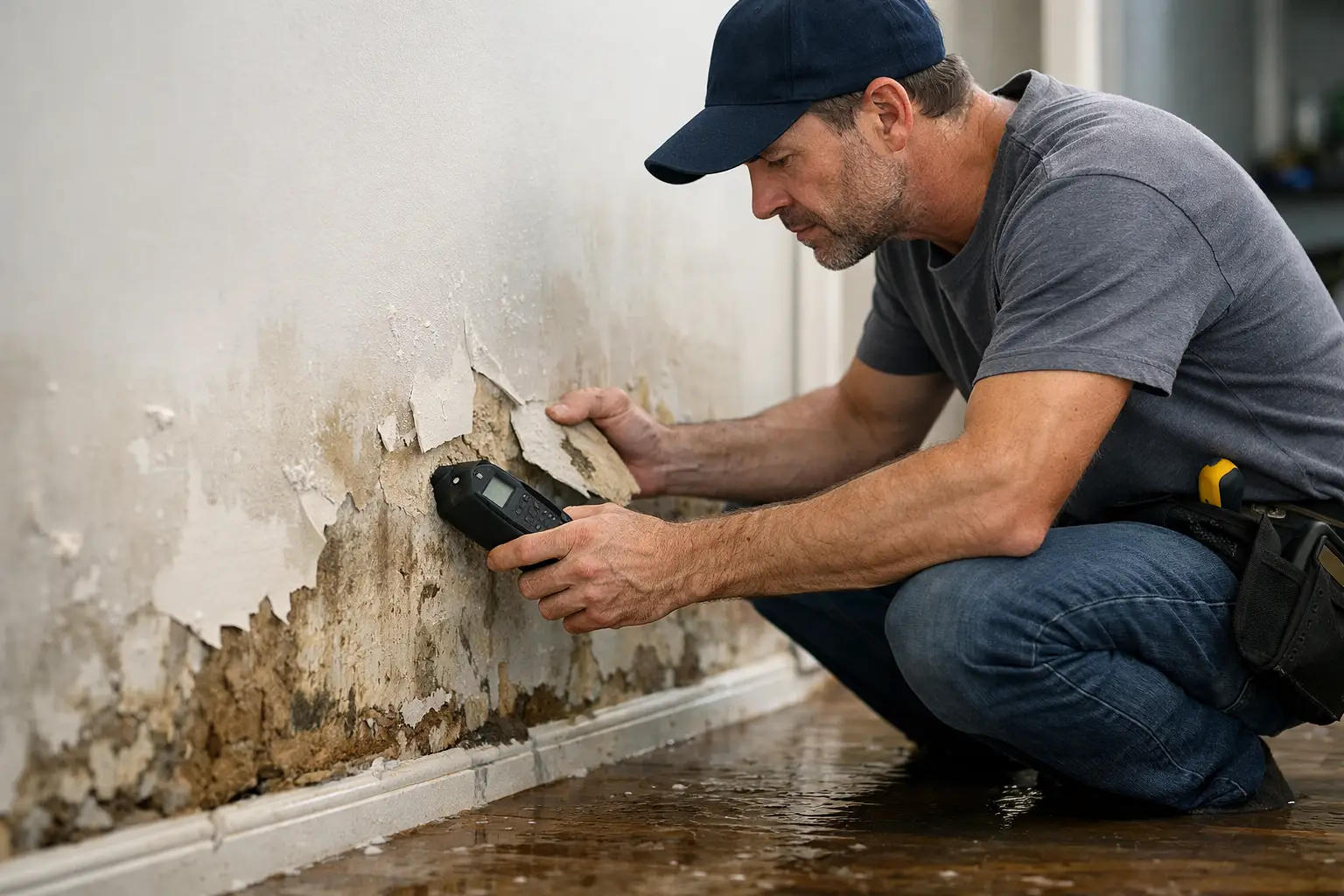
This is where maintenance history becomes important. Insurance is less likely to respond favorably when the damage reflects ongoing deterioration, deferred repairs, or a problem that should have been addressed earlier. Slow leaks, long-term seepage, and unresolved moisture issues are common claim friction points.
What homeowners insurance usually does not cover
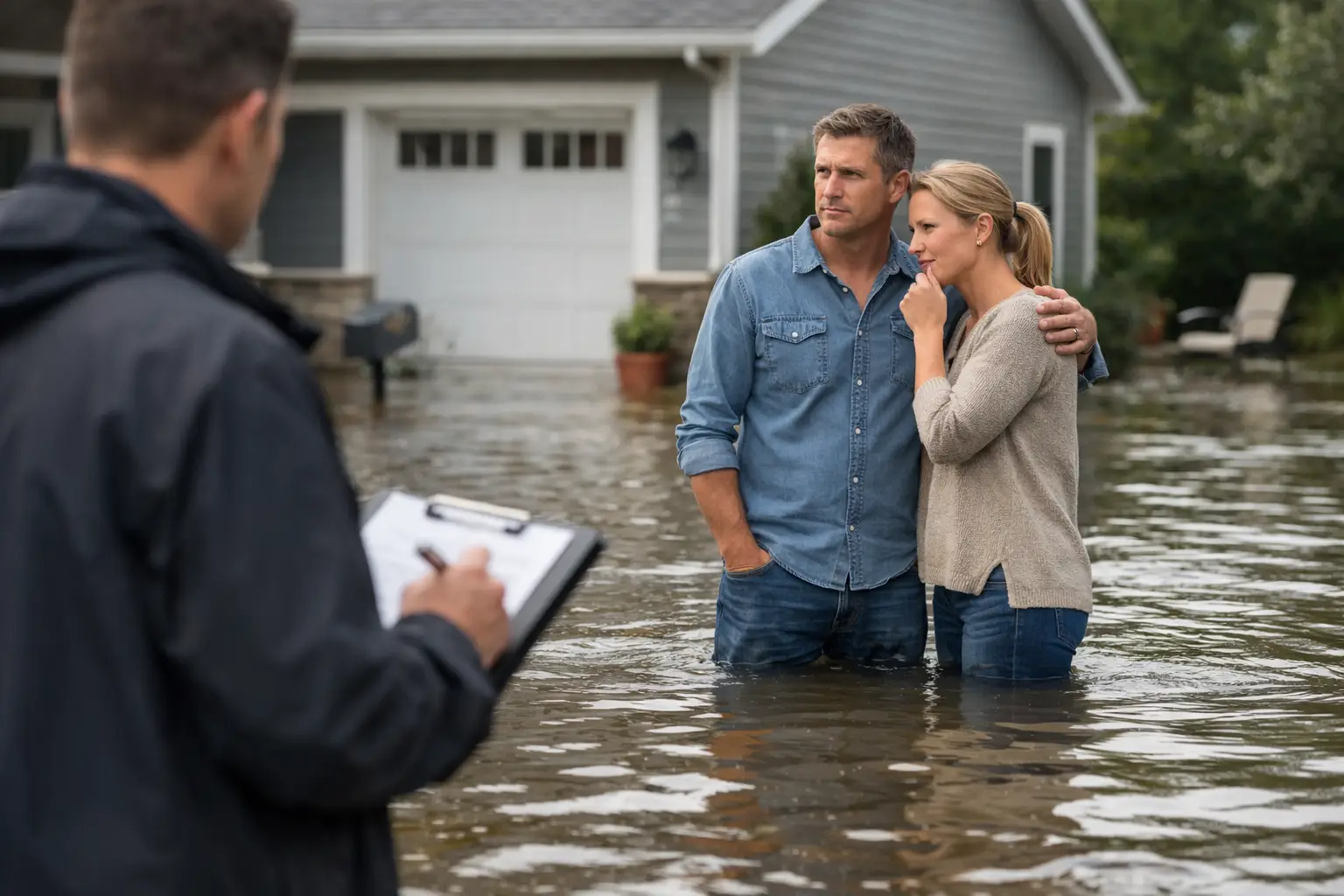
If the loss is caused by rising water from outside the property, standard coverage generally stops there. That includes flash flooding, storm surge, runoff, and water that accumulates on the ground before entering the building. In many policies, mudflow tied to flooding events may also fall outside standard coverage.
Sewer and drain backups are another area where owners get caught off guard. Some policies exclude them unless the owner purchased a specific endorsement. Roof leaks can also become disputed quickly. If wind damages the roof and water enters immediately after, there may be coverage. If the roof was already failing and rain came through because of poor maintenance, the carrier may take a different view.
Earth movement, foundation seepage, and hydrostatic pressure can create additional exclusions. In multi-unit environments, one water event can also involve several policies at once, including unit-owner, master HOA, landlord, and commercial forms. That overlap is where experienced coordination becomes valuable.
When flood insurance enters the picture
If you are asking does homeowners insurance cover flooding because of heavy rain or rising surface water, the more relevant policy may be flood insurance, not homeowners insurance. Flood insurance is usually purchased separately.
Flood policies are intended to address the type of water event standard homeowners insurance excludes. That can include overflowing waterways, rapid accumulation of surface water, and mudflow under certain policy definitions. Coverage details vary, and limits should be reviewed carefully, especially for mixed-use, multi-unit, or investment properties.
One mistake owners make is assuming flood insurance is only necessary in high-risk zones. In reality, water does not always follow map lines neatly. Drainage failures, hillside runoff, blocked storm systems, and unusual storm events can impact properties outside the areas owners think of as flood-prone.
Southern California risk is more nuanced than many owners expect
In this market, owners often focus on fire, wind, and earthquake exposure first. That makes sense, but water losses remain one of the most operationally disruptive and expensive issues in real estate. A single event can trigger emergency mitigation, temporary relocation, mold prevention work, reconstruction, tenant complaints, and lost rent.
Flooding risk in Southern California is also uneven. A property in a canyon, near a burn scar, at the base of a slope, or in an area with aging storm drains may face a different profile than a property a few miles away. Urban runoff can become a serious issue during intense storms, especially where drainage systems are undersized or poorly maintained.
For HOAs, apartment operators, and portfolio managers, the right question is not only whether homeowners insurance covers flooding. It is also whether the current risk transfer strategy actually matches the property’s exposure.
What property managers and owners should do after a water event
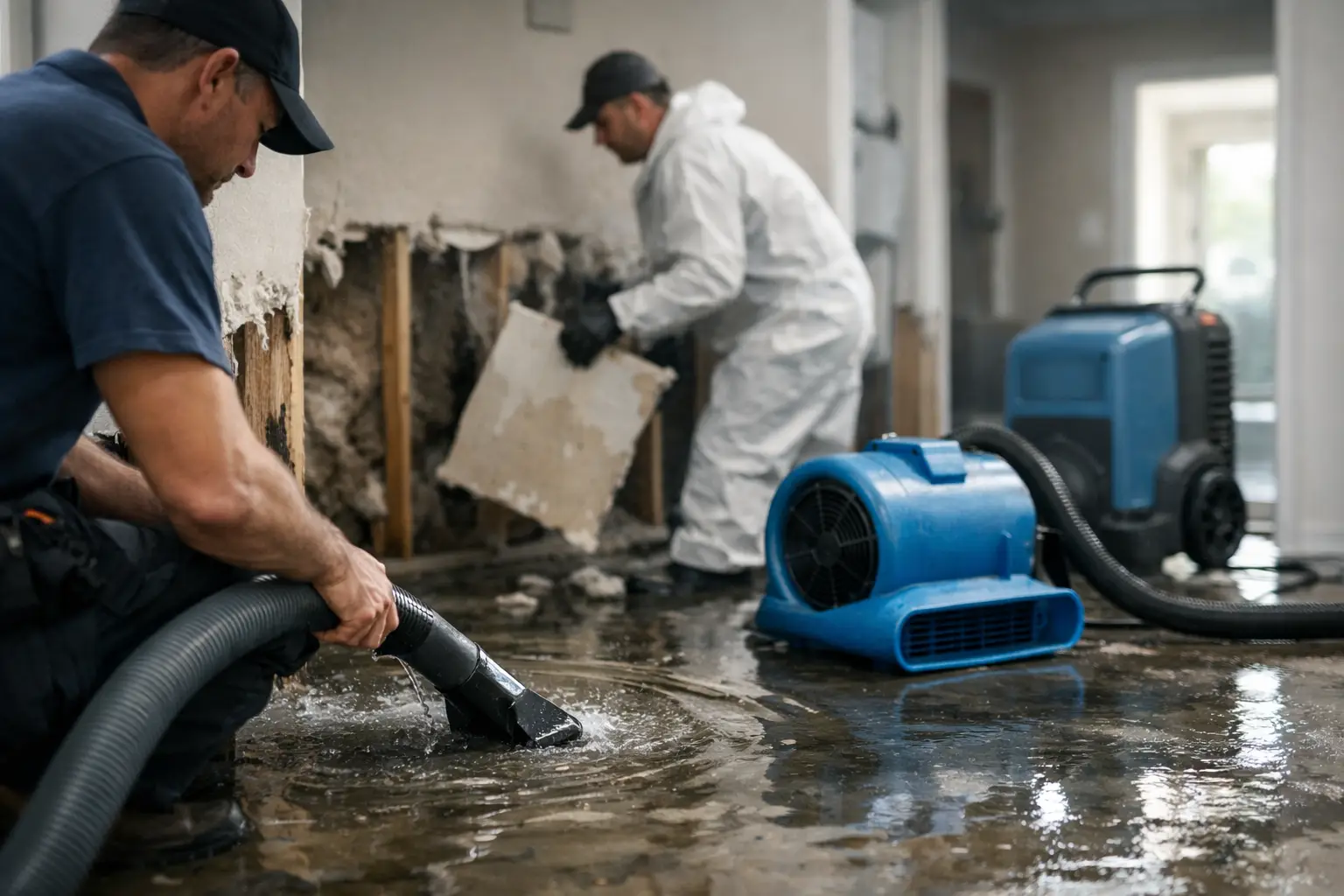
The first priority is to stop the damage from spreading. That means immediate mitigation, moisture control, and site stabilization. Waiting for claim approval before taking emergency action can make the loss worse and may even create avoidable issues around mold, habitability, or secondary damage.
The second priority is documentation. Photograph the source, affected areas, visible water lines, damaged materials, and equipment involved. Create a clear timeline. Record when the event was discovered, who responded, what was shut off, and what emergency work was performed. If multiple units are involved, separate damages by location as early as possible.
The third priority is policy review and claim reporting. Owners should not guess about coverage, but they also should not describe the event carelessly. The facts matter. A carrier will evaluate where the water originated, how long the condition existed, and whether exclusions apply.
This is one reason experienced restoration and general contracting partners are so important during a loss. Teams that understand insurance documentation, emergency dry-out, and reconstruction sequencing can help protect the property while supporting a cleaner claim process. For managers handling occupied buildings or multi-unit assets, speed and accuracy reduce operational fallout.
Questions to ask before the next storm or water loss
If you oversee residential or mixed-use property, review your coverage before there is an emergency. Ask whether your current policies address surface water intrusion, sewer backup, interior water damage, and common-area responsibilities. If you manage HOA-governed properties, verify where the master policy ends and individual owner responsibility begins.
It is also worth reviewing vendor readiness. Water events rarely happen on a convenient schedule, and delayed mitigation increases both physical damage and claim complexity. A trusted general contractor with 24/7 emergency response can make the difference between a controlled restoration and a prolonged vacancy problem.
At V&S Management Services Inc., we have seen how quickly confusion around coverage can turn a straightforward response into a costly delay. The best outcomes usually come from fast mitigation, disciplined documentation, and clear coordination between ownership, management, and the insurance side.
The practical answer
So, does homeowners insurance cover flooding? Usually not when the damage is caused by rising water or outside surface water entering the property. It may cover certain sudden internal water losses, but every claim depends on the source of the water, the policy language, and the condition of the property before the loss.
For property professionals, that means the safest approach is not to rely on broad assumptions. Know what is covered, know what is excluded, and make sure your response plan is ready before the next water event tests it.