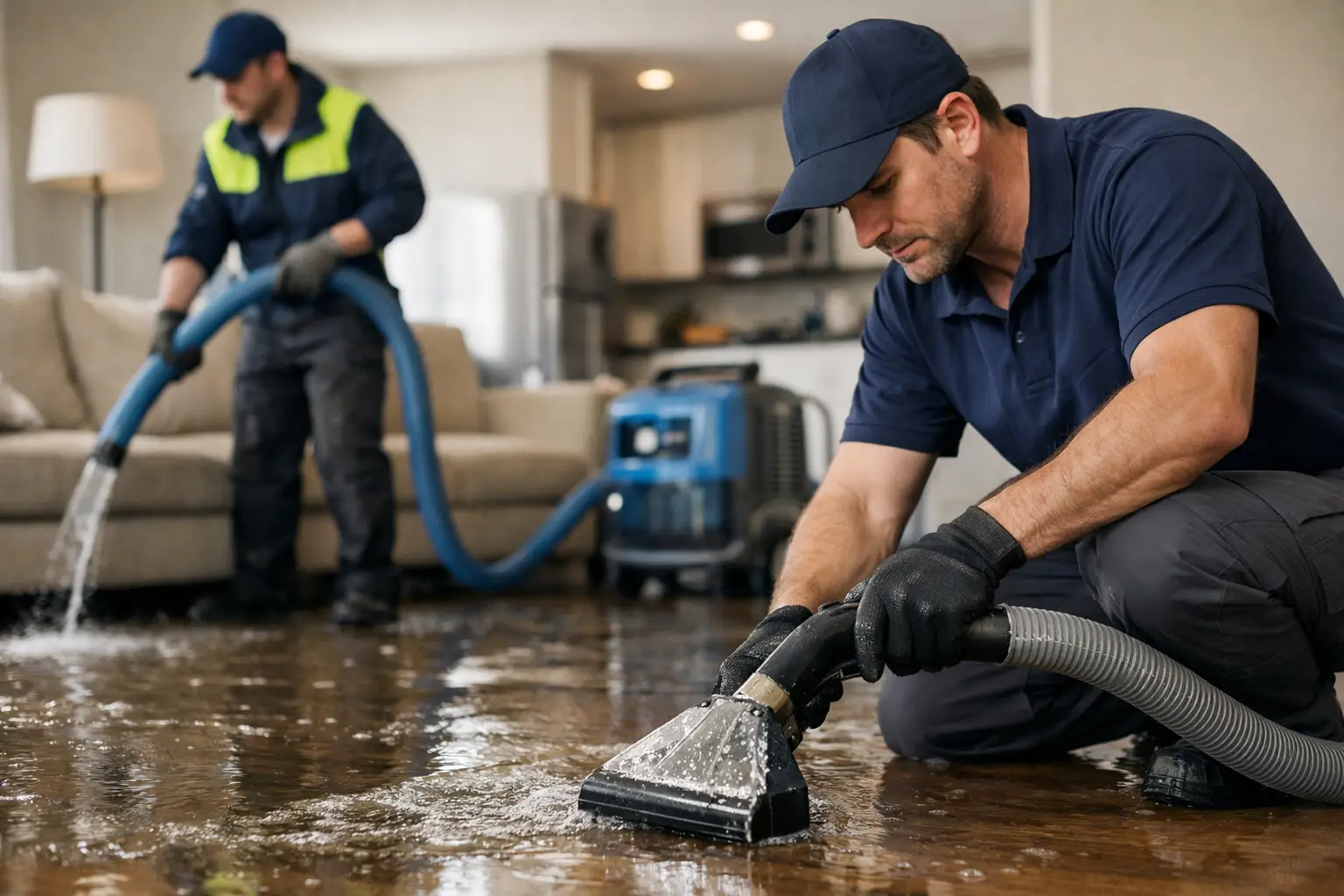
A leak at 2:00 a.m. rarely stays contained to one unit. By the time a property manager gets the first call, water may already be moving behind walls, under flooring, into electrical areas, and across shared building systems. An emergency water extraction response guide matters because the first few hours directly affect repair scope, tenant disruption, insurance documentation, and how quickly a unit or building can return to normal operations.
For property professionals, water damage is not just a cleanup issue. It is an asset protection issue. The right response limits structural impact, supports a cleaner claims process, and helps avoid the expensive chain reaction that follows delayed action - swelling baseboards, damaged subfloors, mold risk, and extended vacancy.
What emergency water extraction response really means
Emergency water extraction is the immediate removal of standing water and excess moisture after a loss event. That event might come from a supply line failure, overflowing fixture, appliance leak, roof intrusion, slab issue, fire sprinkler discharge, or storm-related entry. Extraction is the first stabilization step, not the whole restoration process.
That distinction matters. Many property teams assume that once visible water is vacuumed out, the emergency has passed. In reality, hidden moisture often remains in wall cavities, under luxury vinyl planks, beneath carpet pad, inside cabinetry toe-kicks, and around transitions between units. A proper response combines fast extraction with moisture mapping, drying strategy, and a clear plan for repairs and tenant coordination.
The first hour sets the tone
The strongest emergency water extraction response guide starts with urgency, but not panic. Speed is critical, yet rushed decisions can create liability if the wrong vendor enters an occupied building, if source control is incomplete, or if documentation is ignored.
In the first hour, the priorities are straightforward. Stop the source if possible. Protect life and safety. Isolate affected areas when needed. Then get a qualified, fully licensed, bonded, and insured restoration partner on site to extract water and assess the spread.
For apartment communities, HOA properties, and commercial spaces, source control can be more complicated than it looks. A leaking line in one unit may affect units below. A roof leak may actually be HVAC related. A backed-up drain may carry contamination concerns that change handling requirements. This is where experience matters. The fastest response is not always the best response if the underlying cause is still active.
What property managers should do immediately
Start with building safety and operational control. If water is near electrical components, shut off power to the affected area through proper channels. If the source is plumbing related, close the local or building water supply as appropriate. Notify impacted occupants with clear, simple instructions and avoid allowing unauthorized cleanup efforts that can complicate liability or insurance records.
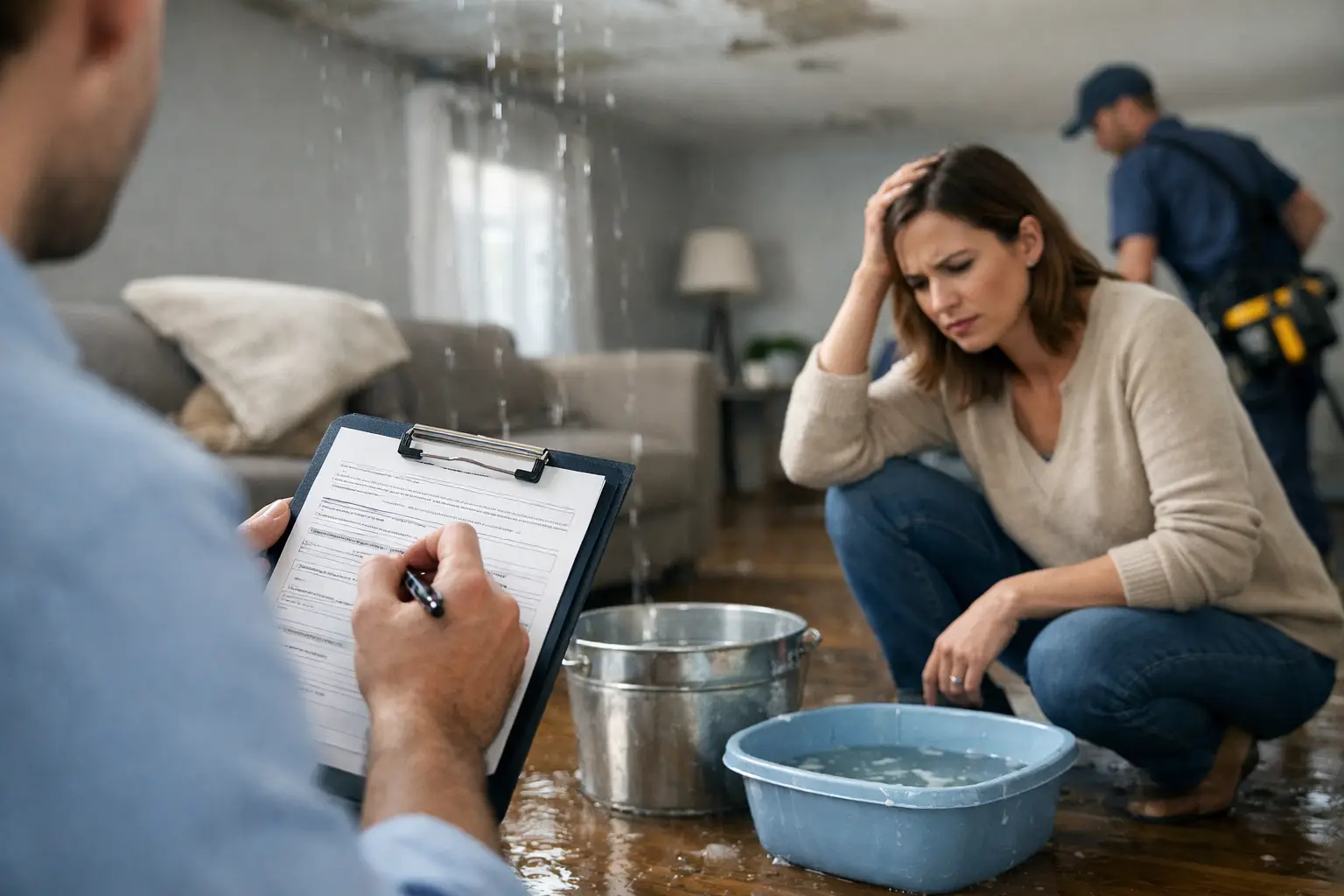
At the same time, begin documentation. Capture photos and videos of the origin point, affected finishes, standing water, damaged contents in common areas or managed spaces, and any visible spread into adjacent units. Record when the loss was reported, who responded, and what immediate mitigation steps were taken. Those details are often more valuable later than people realize.
Why extraction speed affects the full claim and repair timeline
Water damage gets more expensive by the hour. Drywall wicks. Engineered flooring delaminates. Cabinets absorb at the base. In multi-unit environments, delay also increases the likelihood of secondary claims from neighboring tenants or owners.
Fast extraction reduces the amount of demolition that may be required later. It can preserve more flooring, limit drywall cuts, and shorten drying time. That has a direct operational benefit for property managers trying to reduce downtime and keep turn schedules intact.
It also affects the insurance side. Carriers generally expect reasonable steps to mitigate further damage after a loss. A documented, professional response helps show that the property team acted responsibly. If there is any dispute later about scope, cause, or timing, early records and prompt mitigation can make a substantial difference.
A practical emergency water extraction response guide for managed properties
Every building is different, but the response framework should stay consistent. First, identify whether the water is clean, gray, or potentially contaminated. A broken supply line presents a different risk profile than an overflow involving waste lines or stormwater intrusion. That distinction affects containment, PPE requirements, material handling, and occupant safety decisions.
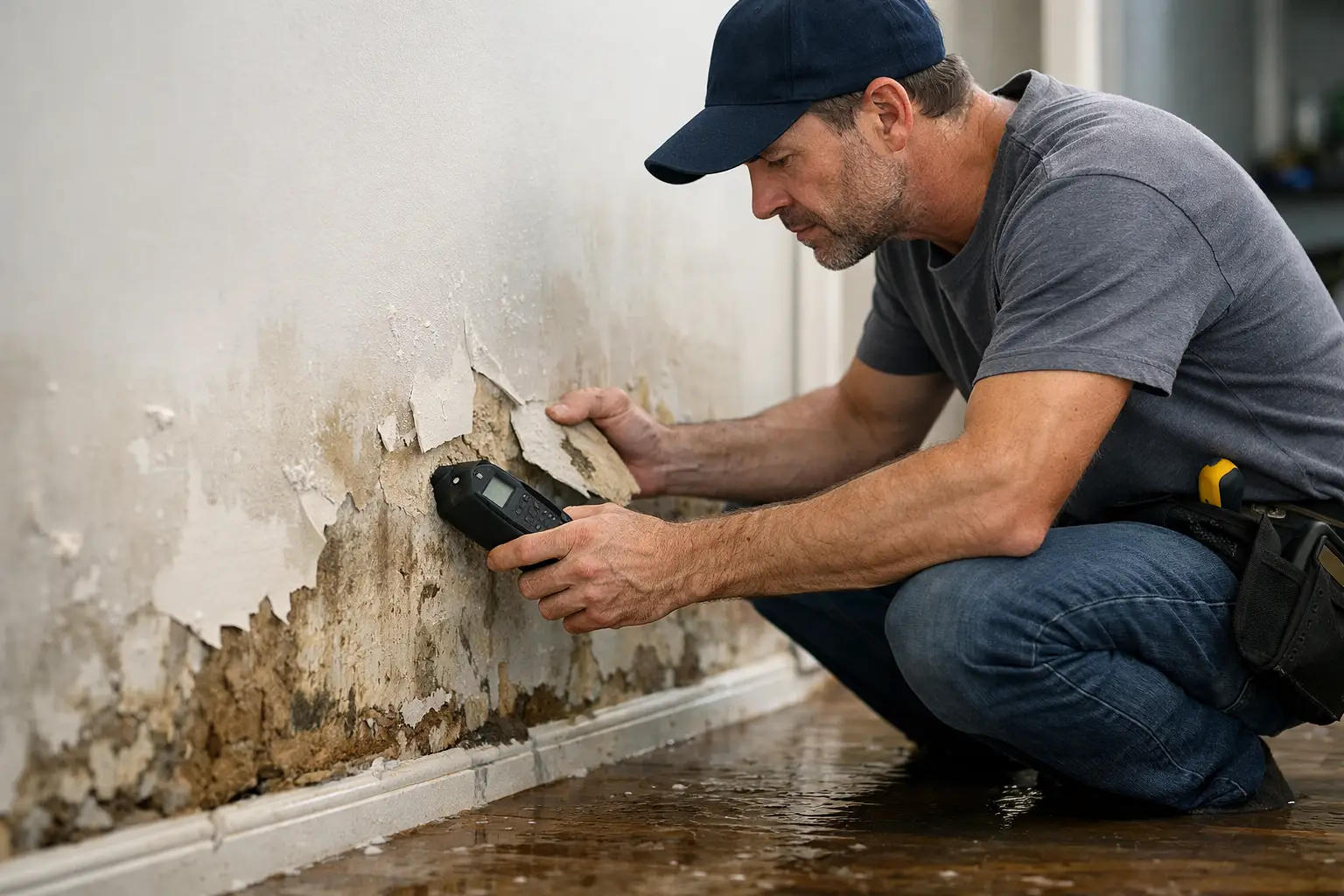
Next, confirm the migration pattern. Water rarely stays where it first appears. In multi-story buildings, extraction crews should check neighboring walls, adjacent rooms, lower units, corridors, and shared utility areas. Moisture detection tools matter here because visible damage is often only part of the story.
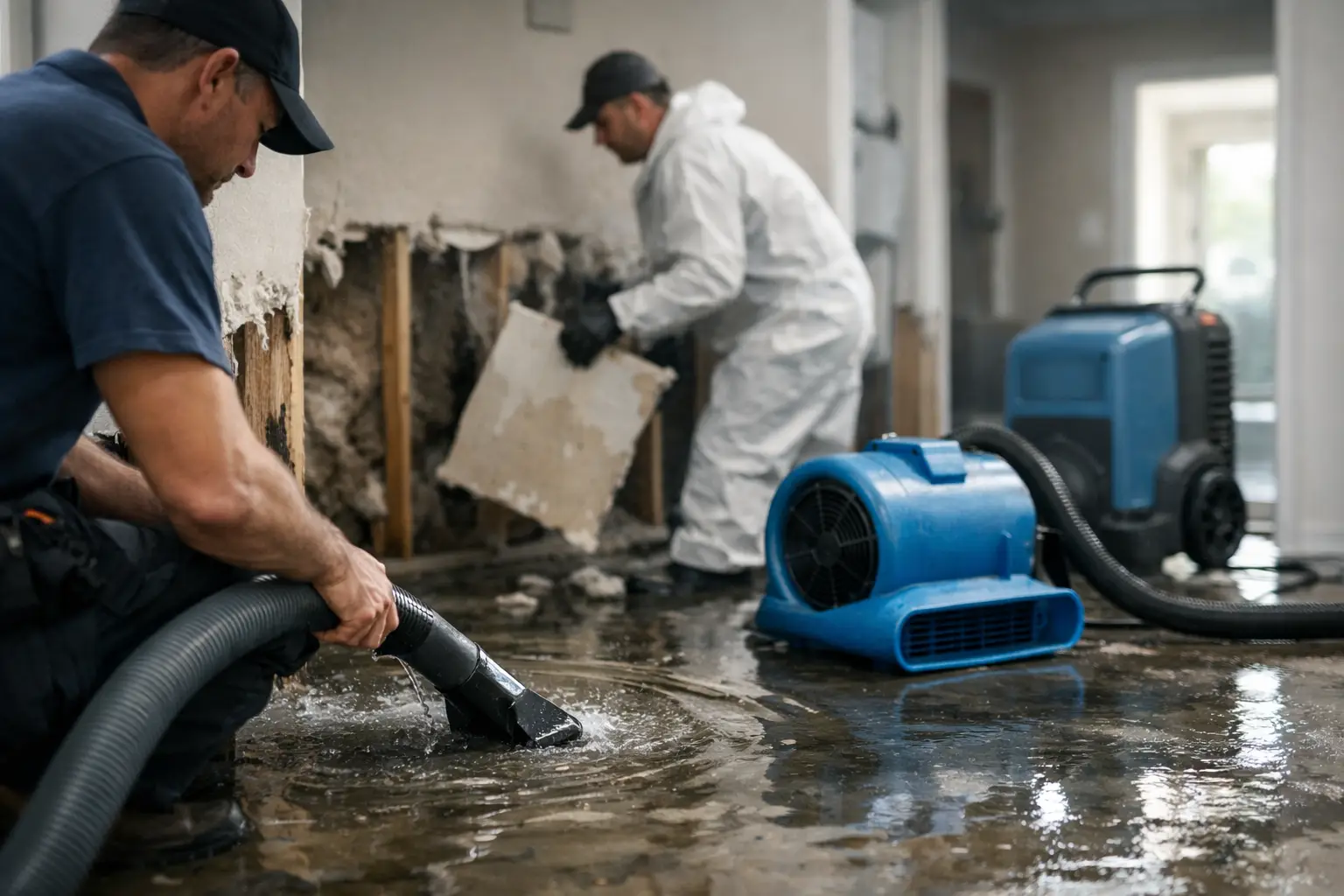
Then, begin extraction with commercial-grade equipment matched to the situation. Large open areas may require ride-on or high-volume extraction tools. Smaller residential-style units may call for targeted removal in tight spaces, followed by air movement and dehumidification. The goal is not simply to remove puddles. The goal is to stabilize the structure as efficiently as possible.
After extraction, the response should shift immediately into drying and monitoring. This is where many losses either stay manageable or become prolonged. Materials need to be evaluated for salvageability, and drying equipment needs to be placed based on actual moisture readings, not guesswork. Daily or scheduled monitoring keeps the project moving and prevents over-drying one area while missing another.
When the job requires more than mitigation
Not every water event ends with drying equipment and a clean bill of health. Sometimes baseboards, drywall sections, insulation, flooring, cabinetry, or ceiling materials need to be removed and rebuilt. For property managers, that handoff can become the biggest bottleneck if mitigation and reconstruction are handled by separate vendors with separate timelines.
A single-source contractor model often works better in these situations because it reduces communication gaps. The same partner can stabilize the loss, document conditions, coordinate with insurance stakeholders, and transition into repairs without weeks of delay. That matters when a unit needs to be rent-ready fast or when common-area damage affects resident confidence.
Common mistakes that make water losses worse
The most common mistake is waiting to see if the area dries on its own. In Southern California, some owners assume a warmer climate will solve the problem naturally. It usually does not. Moisture trapped under flooring or behind walls does not disappear just because exterior weather is dry.
Another mistake is relying on janitorial-style cleanup instead of true emergency extraction and drying. Mops, wet vacs, and fans may remove surface water, but they do not replace a documented mitigation protocol. For managed properties, that shortcut can create bigger exposure later.
There is also a compliance issue. Emergency vendors should be properly credentialed and able to work professionally in occupied or shared buildings. Property teams need partners who understand access protocols, communication with residents or tenants, and the documentation expectations tied to commercial and multi-unit assets.
Insurance coordination is part of the response
A strong emergency water extraction response guide does not treat insurance as an afterthought. Property managers are often balancing tenant concerns, ownership expectations, board pressure, and adjuster timelines all at once. The smoother the documentation and communication process, the easier it is to keep the claim moving.
That means keeping a clear record of cause, affected areas, emergency actions taken, moisture findings, and recommended next steps. It also means working with a contractor that can communicate professionally with adjusters, maintenance teams, owners, and occupants. Technical skill matters, but so does the ability to keep everyone aligned around scope and timing.
For that reason, many portfolio managers prefer a restoration partner that can operate as an extension of their team. V&S Management Services Inc. has built long-term trust with Southern California property professionals by responding quickly, documenting thoroughly, and carrying projects from urgent mitigation through reconstruction with the accountability that managed properties require.
Choosing the right response partner before the loss happens
The best time to evaluate an emergency extraction vendor is before a pipe breaks. During an active loss, property teams do not have the luxury of long vetting calls or unclear scopes. They need a contractor that can mobilize 24/7, work safely in professional environments, and support both operational recovery and asset protection.
Look for a partner with proven experience in multi-unit and commercial settings, not just single-family cleanup. Ask how they document moisture, how they communicate during after-hours events, and whether they can support repairs once mitigation is complete. Bilingual communication can also be a practical advantage in diverse tenant communities and mixed-site operations.
Most of all, choose a team that understands the real objective. The goal is not merely drying a space. The goal is minimizing disruption, protecting the building, supporting the claim, and getting units or shared areas back into service without unnecessary delay.
Water emergencies tend to expose every weak point in a property operation at once. The right response partner helps turn a chaotic event into a controlled process, and that kind of reliability pays off long after the floors are dry.