A flooded unit can turn into a portfolio-wide problem before the water is even visible in the hallway. Water travels beneath flooring, through wall cavities, into neighboring units, and down to electrical systems or common areas. Effective flood recovery is not simply about extracting water. For property managers and building owners, it is a coordinated response that protects people, preserves documentation, controls restoration costs, and gets affected space safely back in service.
For multi-unit and commercial properties, the first hours set the direction for everything that follows. A delayed response can increase material loss, extend tenant disruption, complicate an insurance claim, and create conditions for microbial growth. A clear plan helps management teams act quickly without losing control of the details.
The First Priority: Safety and Water Control
Before anyone begins cleanup, determine whether the area is safe to enter. Standing water near electrical outlets, panels, appliances, elevators, or damaged ceilings requires professional assessment. If the source is an active plumbing failure, shut off the appropriate water supply if it can be done safely. For larger events, such as a main line break or storm-related intrusion, isolate affected areas and keep tenants, staff, and vendors away from hazards.
The source and category of water matter. A clean water supply line leak may allow for a more straightforward drying process if addressed immediately. Water from a drain backup, toilet overflow, sewer line, or outside flooding presents a higher contamination risk and may require removal of porous materials such as carpet, pad, insulation, drywall, and contents. Treating every event as a simple mop-and-dry job is a costly mistake.
Property teams should also think beyond the original unit. Inspect adjacent units, units below, hallways, storage rooms, utility spaces, and shared walls. Water often follows the path of least resistance, which means the visible damage may be only part of the loss.
Document the Loss Before Major Work Begins
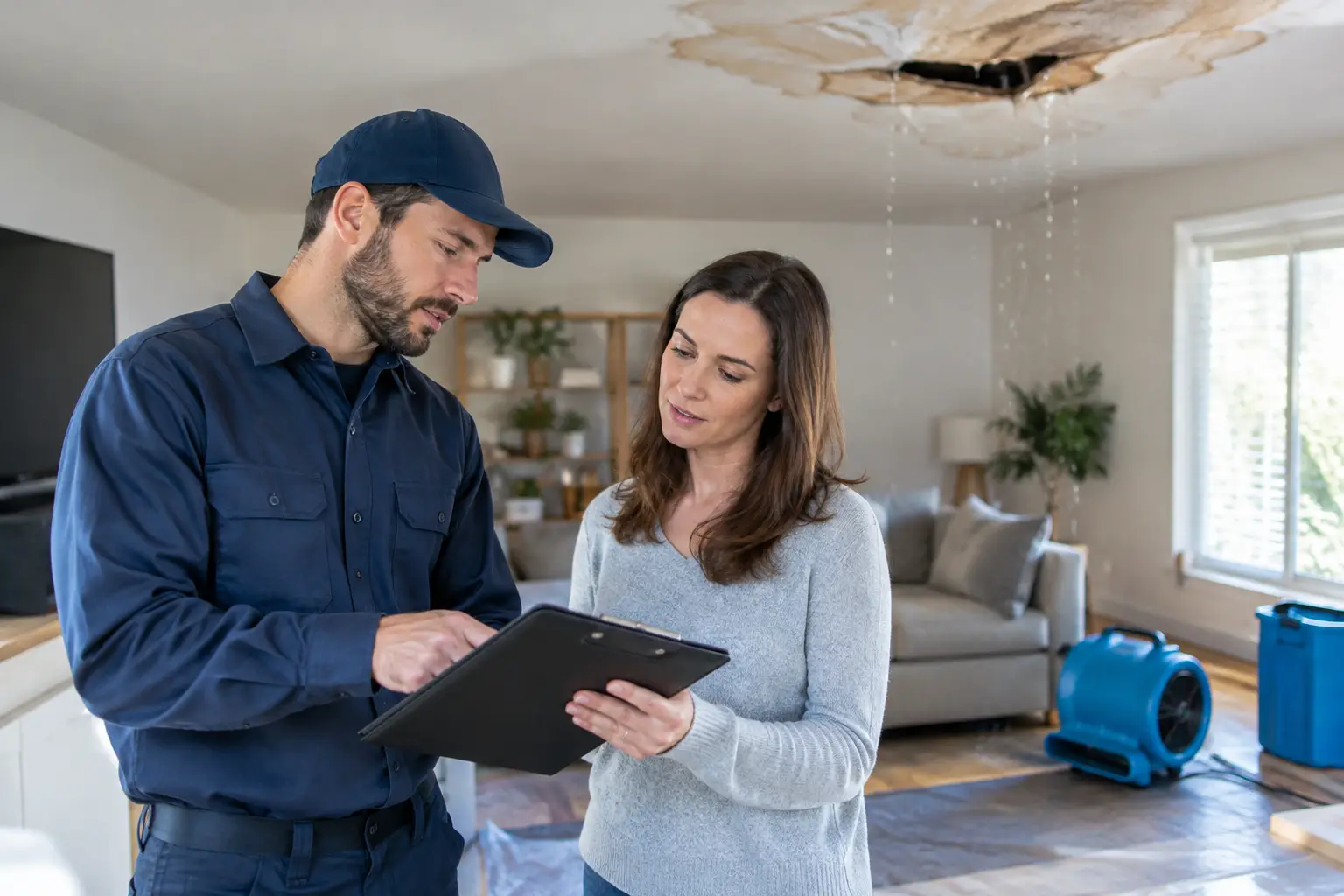
Fast action and thorough documentation should happen at the same time. Take clear photos and video of the affected areas, the apparent source, damaged finishes, personal-property conditions, and any visible migration into other spaces. Record the date and time the issue was discovered, who reported it, steps taken to stop the source, and which units or common areas may be affected.
This information supports communication with ownership, tenants, and insurance representatives. It also creates a practical record for maintenance decisions later. If flooring is removed or walls are opened before conditions are documented, it becomes harder to establish the full scope of damage.
For managed properties, keep a simple incident log that captures emergency calls, access attempts, tenant notices, contractor arrival times, moisture findings, equipment placement, and daily progress. This is especially useful when a claim involves multiple units or when a board, owner, or asset manager needs a reliable status update.
Notify the Right Parties Early
Insurance carriers and property ownership should be notified according to the policy and management agreement. Do not wait until all damage is known. Early notice helps establish the timeline and allows the claim process to begin while mitigation is underway.
Tenants also need prompt, factual communication. Let them know what occurred, whether access is restricted, what immediate precautions apply, and when they can expect another update. Avoid making promises about move-back dates before drying, testing, and repairs have been evaluated. Clear communication reduces frustration and helps protect the property’s professional reputation.
Drying Is a Measured Process, Not a Guess
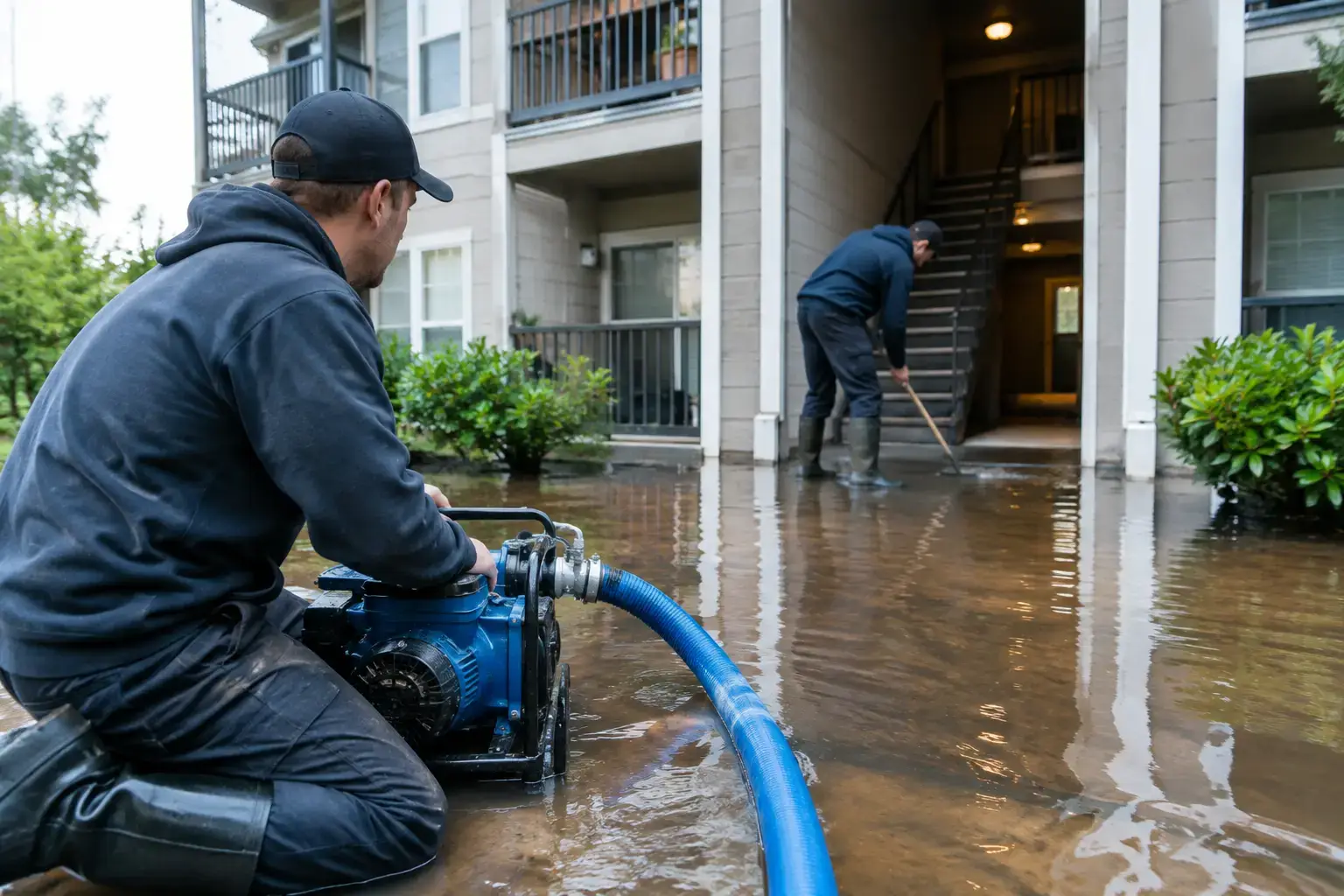
The goal of mitigation is to remove water and dry building materials to an acceptable moisture level as quickly as conditions allow. That requires more than setting a few fans in a room. Professional flood recovery typically involves water extraction, controlled air movement, dehumidification, moisture monitoring, and selective removal of materials that cannot be safely dried or cleaned.
Moisture meters and thermal imaging can help identify water hidden beneath vinyl flooring, behind baseboards, inside walls, and under cabinetry. In multi-unit buildings, technicians may need to check ceilings below the affected unit and walls shared with neighboring spaces. Without this assessment, a unit can appear dry while moisture remains trapped where it can damage materials over time.
There is a trade-off between preserving finishes and moving quickly. In some clean-water events, prompt extraction and drying can save engineered flooring, drywall, cabinetry, or carpet. In other cases, particularly when water is contaminated or materials have been saturated for too long, removal is the safer choice. Decisions should be based on the water source, material type, duration of exposure, and verified moisture readings, not appearance alone.
Coordinate Restoration With the Turnover Plan
Once the property is dry and the affected materials have been evaluated, the restoration phase begins. This can include drywall replacement, texture and paint, baseboards, flooring, cabinetry repairs, plumbing work, electrical repairs, and final cleaning. For an occupied unit, the focus may be safe reentry with minimal disruption. For a vacant unit, the opportunity may be to combine necessary repairs with turnover improvements that support a faster rent-ready timeline.
This is where a single-source contractor can reduce administrative strain. Instead of coordinating separate mitigation, flooring, painting, cleaning, maintenance, and remodeling vendors, property managers can work from one scope, one schedule, and one accountable point of contact. That structure is particularly valuable after a broad loss affecting several units, when handoffs between vendors can add days to the process.
V&S CORPORATIONS supports Southern California property professionals with 24/7 urgent water damage response and the follow-through required to restore units, common areas, and commercial spaces. As a licensed, bonded, and insured general contractor, the team can coordinate emergency mitigation with repairs, flooring, cleaning, and broader property restoration needs.
Do Not Reinstall Materials Until Conditions Are Verified
Pressure to restore occupancy is understandable, especially when vacancies affect revenue. But reinstalling flooring, closing walls, or repainting before materials are adequately dry can create a second repair cycle. Moisture that remains behind a finished surface may lead to staining, odors, deterioration, or future remediation work.
Ask for documented drying progress and a clear explanation of what was removed, what was salvaged, and why. Good restoration communication should make it easy for a property manager, owner, or HOA board to understand the condition of the building and the next decision required.
Protect Tenants, Staff, and the Property Record
Flood events can affect lease obligations, habitability concerns, personal property claims, and access to units. Management should work within applicable local requirements and follow established internal procedures for temporary access, notices, and relocation decisions. The right approach depends on the extent of the damage, the building type, the affected services, and whether safe occupancy can be maintained.
Keep communications professional and consistent. Provide tenants with a contact point for questions, explain the work schedule as accurately as possible, and document access permissions or denied-entry attempts. For commercial tenants, communicate how restoration work may affect operations, delivery access, parking, or common-area use.
It is also wise to preserve invoices, moisture reports, photographs, equipment logs, disposal records, and repair scopes in one claim file. These records are useful not only during an insurance review, but also when evaluating the building’s recurring maintenance needs. A second leak in the same location may point to an underlying plumbing, roofing, drainage, or envelope issue that needs a permanent repair.
Build a Flood Recovery Plan Before the Next Event
The best time to establish emergency contacts, water shutoff information, unit access procedures, and vendor requirements is before a loss occurs. Property managers should know who can authorize emergency work after hours, where main shutoffs are located, which units have known plumbing concerns, and how to reach residents when immediate access is needed.
For larger portfolios, review the plan with onsite staff and make sure it reflects current ownership contacts, insurance information, gate codes, and vendor compliance requirements. A qualified emergency partner should be able to respond quickly, communicate clearly in English and Spanish when needed, and coordinate the path from initial mitigation through final repairs.
Flood recovery is ultimately about protecting more than drywall and flooring. It protects resident confidence, operating income, the condition of the asset, and the credibility of the management team. When the next water event happens, a fast, documented, professionally managed response gives everyone involved a clearer path back to normal operations.