
A water restoration comparison is not simply a choice between cleanup crews. For a property manager, HOA board, or commercial owner, the decision can affect tenant safety, insurance outcomes, vacancy days, and the condition of the asset long after visible water is gone. The right restoration partner brings urgency, documentation, and accountable follow-through. The wrong one can leave hidden moisture, stalled repairs, and multiple vendors to manage when your team already has enough moving parts.
Water losses move quickly in multi-unit and commercial properties. A burst supply line can affect units below it. A roof leak can travel through insulation and walls before anyone sees a ceiling stain. A backed-up drain may require more than extraction - it may involve sanitation, containment, flooring removal, and a carefully managed return to service.
What a Water Restoration Comparison Should Measure
A useful water restoration comparison starts with operational capability, not a broad promise to handle emergencies. Nearly every provider will say they respond quickly. The more meaningful question is whether that response leads to a controlled, documented recovery process that protects the property and keeps the manager informed.
For portfolio decision-makers, evaluate providers according to the entire path of the loss: emergency response, moisture control, damage assessment, insurance coordination, reconstruction, and final turnover. A provider that handles only the first stage may still solve an immediate problem, but it can create extra handoffs and accountability gaps later.
Emergency response and first-hour actions
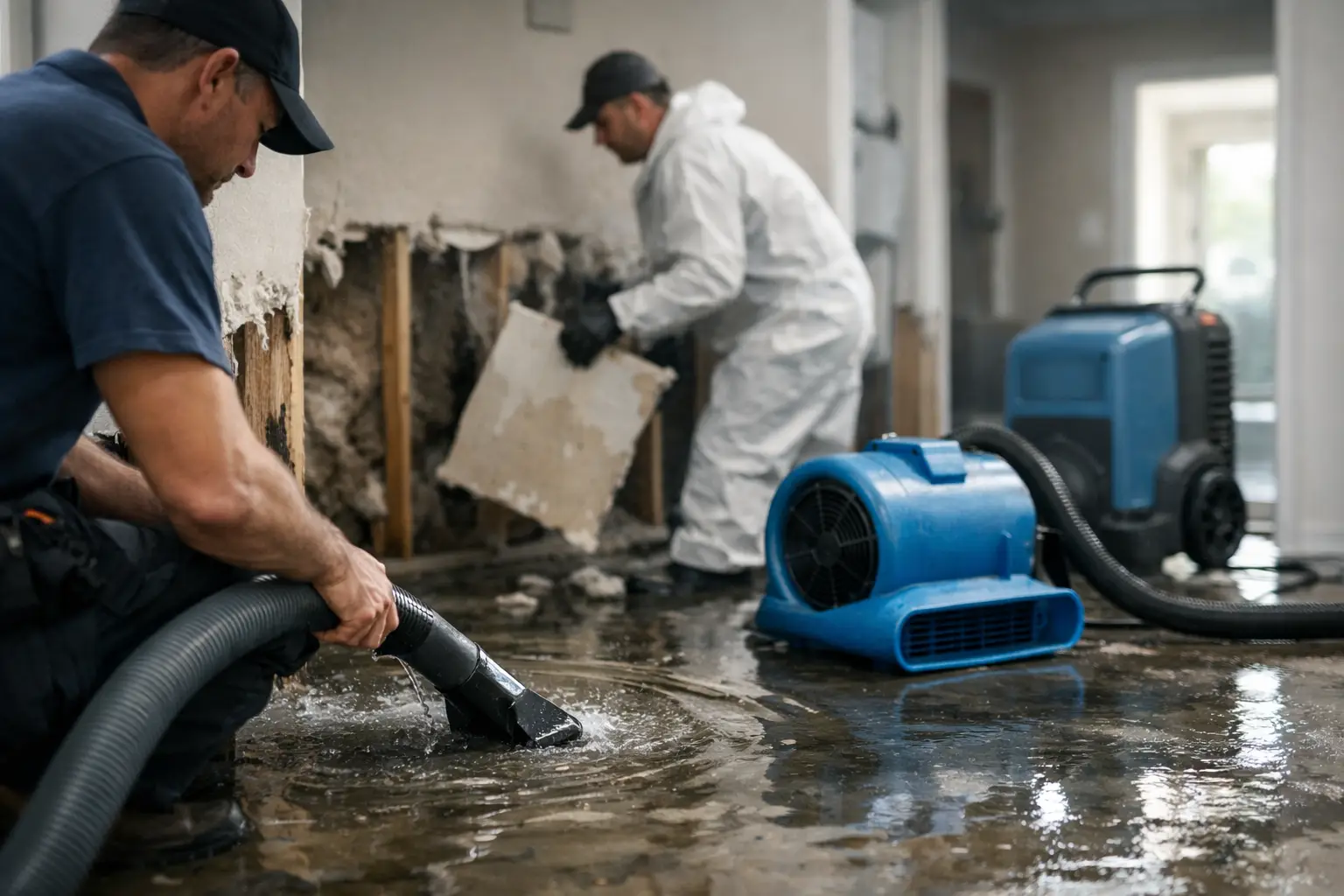
The first hour after water intrusion often determines the scale of the final repair. A qualified team should be prepared to identify and stop the water source when possible, extract standing water, protect unaffected areas, and establish safe drying conditions. In an occupied building, the team should also understand how to communicate access needs without creating unnecessary disruption for residents or tenants.
Response time matters, but readiness matters more. Ask whether the provider offers true 24/7 emergency availability, including after-hours dispatch, and whether its technicians arrive equipped to begin mitigation rather than merely inspect the loss. For properties with multiple units, a delayed extraction can turn a limited incident into damaged baseboards, compromised drywall, odor concerns, and displaced occupants.
Drying expertise versus surface-level cleanup
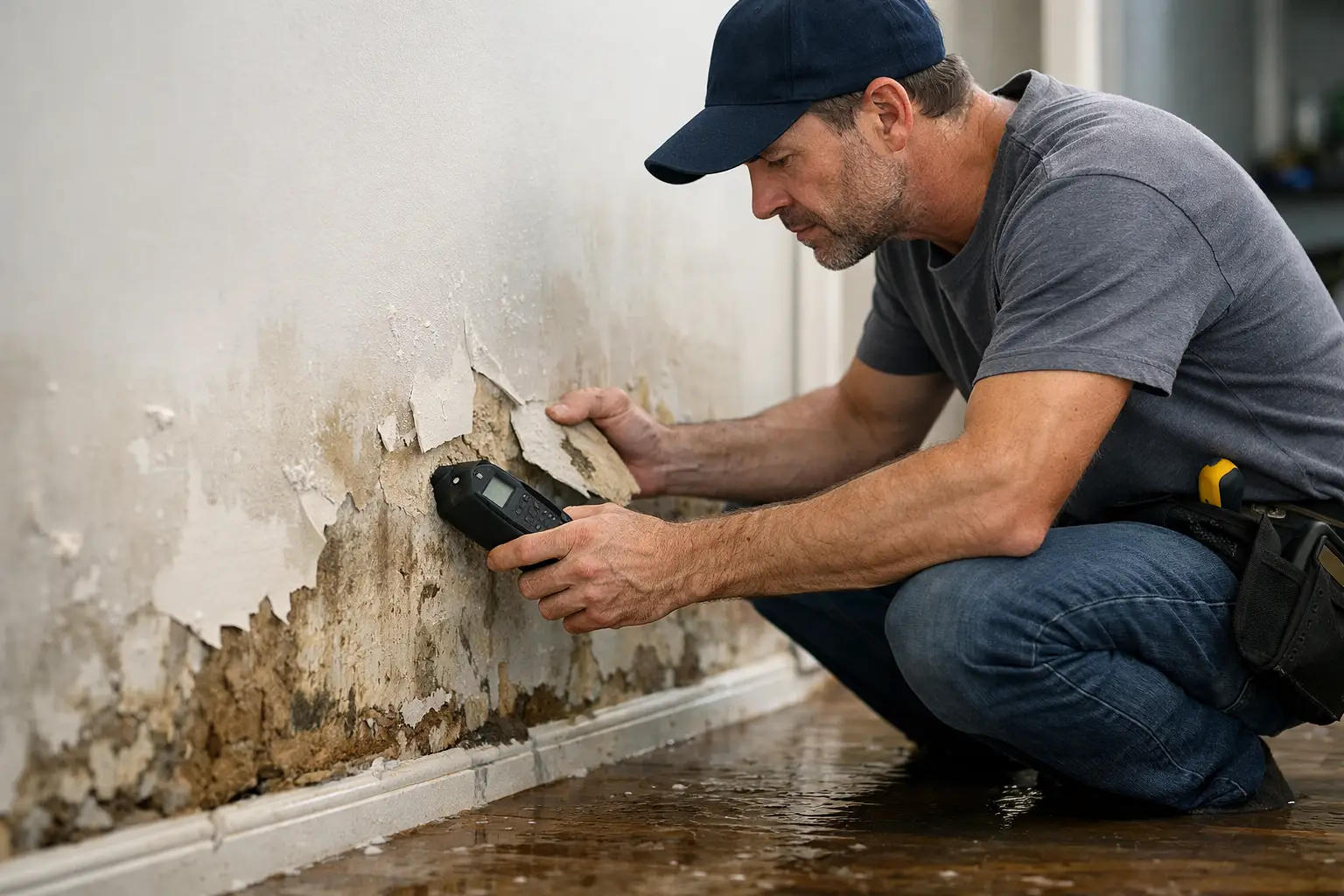
Visible water removal is only one part of restoration. Moisture can remain beneath flooring, behind cabinets, inside wall cavities, and in framing materials. If those areas are not tested and dried correctly, the property may face mold growth, material deterioration, or a recurring odor after the initial work appears complete.
A strong restoration provider uses moisture readings and documented drying progress to guide decisions about what can be saved and what must be removed. This is especially valuable in apartment communities, condominiums, retail spaces, and offices, where construction assemblies may conceal the full extent of the damage.
The trade-off is that thorough drying sometimes requires controlled equipment placement, temporary access restrictions, or selective demolition. That can feel inconvenient in the short term. It is usually far less disruptive than reopening walls or replacing flooring weeks later because the original mitigation was incomplete.
Comparing Scope: One Vendor or Multiple Handoffs?
Some water damage companies focus only on extraction and drying. Others can manage the project from emergency mitigation through repairs and rent-ready completion. Neither model is automatically right for every loss, but the difference is significant for managers responsible for deadlines and vendor oversight.
With separate providers, your team may need to coordinate a mitigation crew, plumber, hygienist when conditions require one, flooring installer, painter, drywall contractor, and cleaner. This approach can work when you have trusted vendors available and a simple repair scope. It also places the burden of scheduling, scope alignment, and quality control on the property team.
A full-service, trusted general contractor can reduce those handoffs by maintaining responsibility across mitigation and reconstruction. That matters when a water event damages flooring, cabinets, drywall, paint, and common-area finishes at the same time. One accountable partner can keep the repair sequence organized, avoid premature finish work, and return the space to usable condition faster.
For Southern California property portfolios, this single-source approach is particularly useful during a busy turnover period or when a loss affects several units. V&S Management Services Inc. supports this model with 24/7 urgent water damage restoration alongside maintenance, flooring, cleaning, and multi-unit remodeling services.
Compliance Is Part of the Restoration Decision
Water restoration often involves occupied homes, shared building systems, electrical risks, and insurance requirements. A vendor comparison should therefore include licensing, insurance, bonding, safety practices, and clarity around who performs the work.
Do not treat these details as routine paperwork. A fully licensed, bonded, and insured contractor helps reduce exposure when work expands from mitigation into demolition and reconstruction. It also signals that the provider is prepared to work within the standards expected by professional property owners, boards, and asset managers.
Ask how the provider handles containment, tenant access, equipment safety, and communication around potentially affected areas. For commercial properties, ask how they will work around business operations and whether they can phase the project to minimize downtime. For HOAs, ask for a clear distinction between common-area responsibilities and unit-level damage when applicable.
A provider should be direct about what it can confirm, what needs further investigation, and when specialized testing or trade work is appropriate. Certainty without inspection is not confidence. It is a warning sign.
Insurance Coordination Can Protect the Timeline
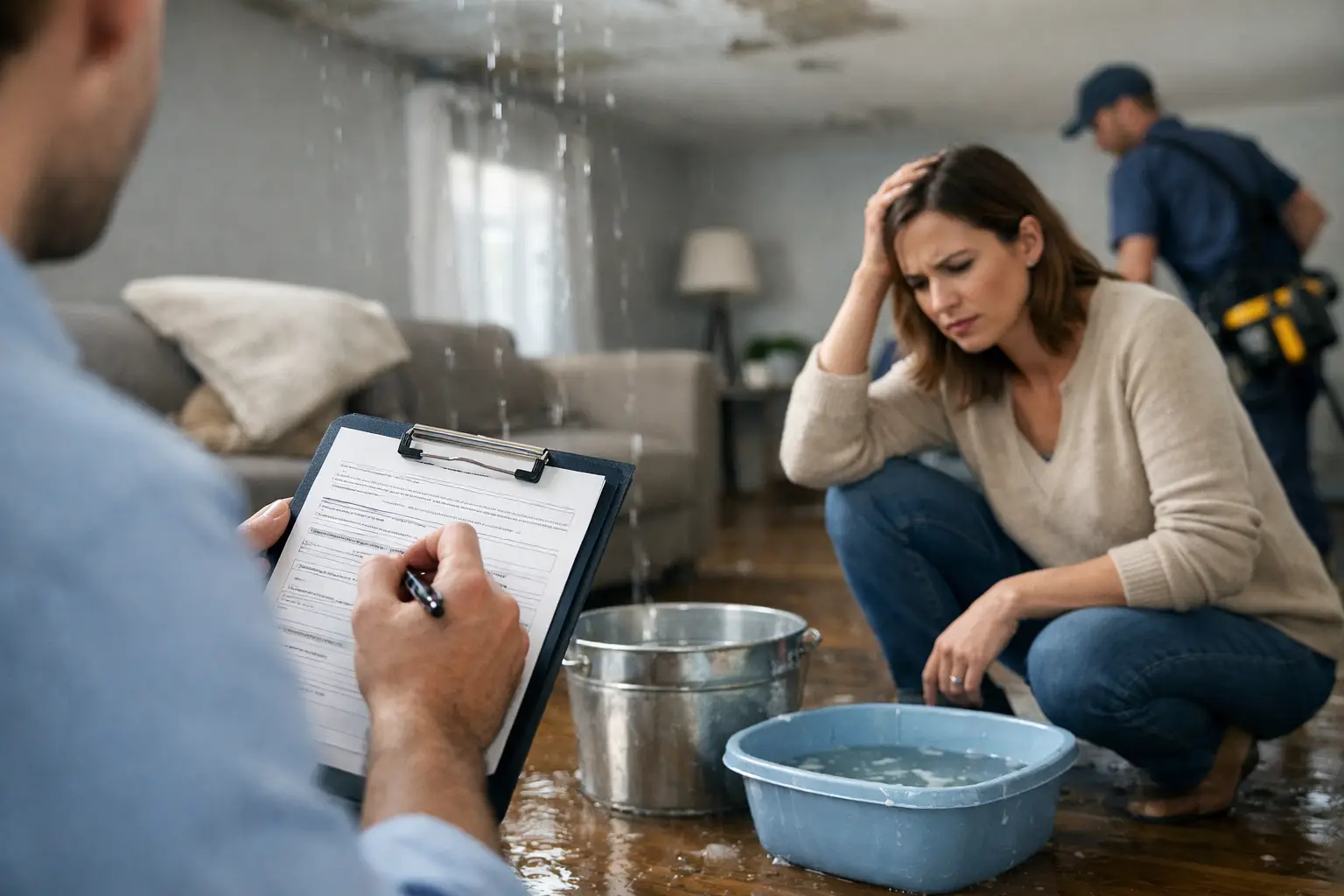
Insurance claims are often where a manageable water loss becomes an administrative burden. Thorough records can support the claim and help stakeholders understand why certain work was necessary. Incomplete documentation, on the other hand, can slow approvals and leave property teams explaining gaps after the fact.
Compare how each provider documents the event. Useful records typically include photos, moisture readings, affected materials, equipment use, daily drying updates, and a defined scope of recommended repairs. The goal is not to complicate the claim. It is to create a clear record of the loss and the steps taken to prevent additional damage.
Insurance coordination should support the property manager rather than replace their judgment. A restoration partner can communicate technical findings and organize documentation, while the owner, manager, or authorized representative remains in control of key decisions. This distinction is important when coverage questions, owner responsibilities, or tenant claims are involved.
Communication Is a Measurable Service Standard
In water restoration, silence costs time. Property professionals need timely answers about access, affected units, drying status, repair scope, and expected next steps. A crew may perform capable work on site, but poor communication can still create operational problems for the manager, leasing staff, board, or owner.
During your water restoration comparison, ask who will be your point of contact and how often updates will be provided. Determine whether the company can communicate clearly with residents, onsite teams, and ownership representatives. Bilingual English and Spanish communication can be a practical advantage in Southern California properties, where clear instructions can prevent missed access appointments and confusion during an urgent situation.
Look for a partner that communicates with professional discipline: concise updates, documented changes in scope, and realistic timing. Promising a fast finish before the extent of damage is known does not help anyone. A reliable provider explains what is known now, what is being monitored, and what decision is needed next.
Questions Worth Asking Before You Need Emergency Service
A pre-vetted restoration partner gives your team a better starting position when a pipe fails at night or water enters an occupied unit over a weekend. Before approving a vendor, ask how quickly they can mobilize, whether they provide 24/7 emergency response, and whether their technicians can begin mitigation on the first visit.
Also ask whether they can manage reconstruction after drying, how they document moisture conditions and insurance-related work, and what insurance, licensing, and bonding they maintain. For multi-unit properties, confirm how they organize access across affected units and how they keep your team updated when conditions change.
The answers should be specific. A dependable provider will explain its process in plain language and identify where the scope may depend on site conditions. Water losses are rarely identical, but the response process should never feel improvised.
Choose the Partner That Reduces the Next Problem
The best restoration decision is not always the provider that promises the quickest arrival or the narrowest initial scope. It is the partner that can control the damage, document the work, coordinate the recovery, and help your property return to normal without creating a second operational crisis.
Before the next emergency, establish who will take the call, who can access the site, and what level of authority is needed to begin mitigation. That preparation gives your team one less decision to make when every minute counts.