A water damage restoration warranty review should happen before a property manager approves final payment, closes an insurance file, or turns a unit back over. After an active leak, flood, or plumbing failure, the priority is rightly on emergency extraction and drying. But when the equipment is gone and the walls are closed, the warranty language determines who is accountable if workmanship problems appear later.
For multifamily, HOA, and commercial properties, a warranty is not a marketing line. It is part of the risk-control process. A clear warranty helps protect the asset, support tenant confidence, and prevent a minor post-restoration issue from becoming a second disruption.
What a restoration warranty should actually cover
The first question is simple: what work is the contractor warranting? A meaningful restoration warranty generally covers defects in the contractor's completed workmanship. That may include improperly installed drywall, baseboards, flooring transitions, paint touch-ups, insulation replacement, or other repairs performed as part of the restoration scope.
It usually does not guarantee that the building will never have another water event. A warranty cannot correct an unrepaired plumbing leak, an aging roof, poor drainage, foundation movement, tenant-caused damage, or a new appliance failure. Property teams should be cautious of broad promises that sound reassuring but do not identify the work, the duration, or the conditions of coverage.
Material warranties are also separate from workmanship warranties. Flooring, cabinets, plumbing fixtures, and specialty coatings may carry manufacturer coverage with their own registration requirements, maintenance rules, and exclusions. The restoration contractor should be able to explain which party stands behind each part of the completed work.
Start your water damage restoration warranty review with scope
A warranty is only as useful as the scope it supports. Before reviewing coverage language, compare it against the approved estimate, change orders, moisture documentation, and final invoice. If a damaged wall was removed and rebuilt, the warranty should be clear about the repair. If the wall was only dried and cleaned, it should not imply a rebuild warranty that was never part of the job.
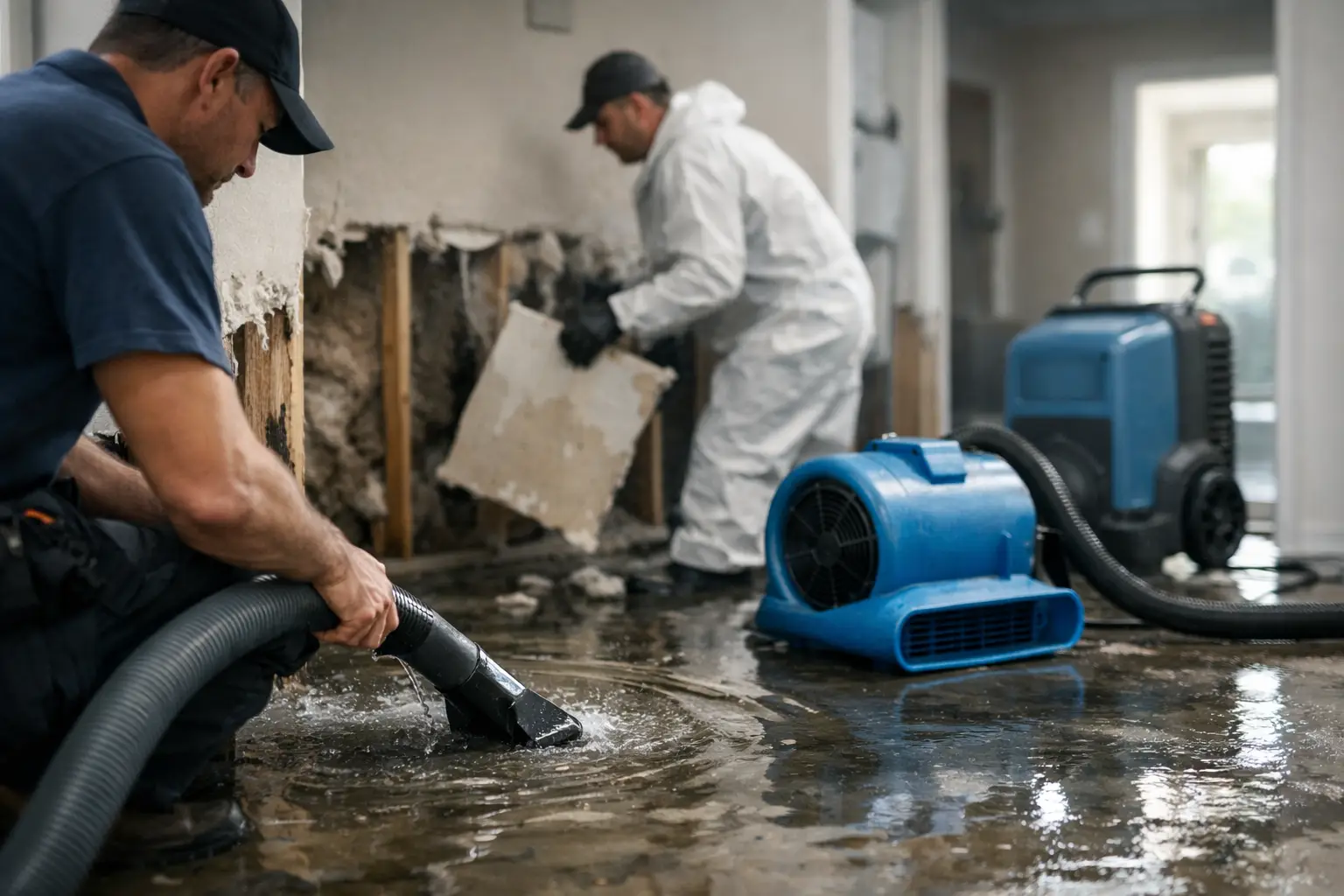
This is especially relevant in occupied buildings, where emergency mitigation and reconstruction may be authorized at different times. Extraction, dehumidification, antimicrobial treatment, selective demolition, and rebuild work can involve different deliverables. A property manager needs a clean record of what was completed, what was deferred, and what remained outside the contractor's scope.
A dependable contractor does not use warranty language to blur those distinctions. They document the loss conditions, explain recommendations, obtain authorization for additional work, and identify the final restoration scope in writing.
Drying verification matters before any warranty begins
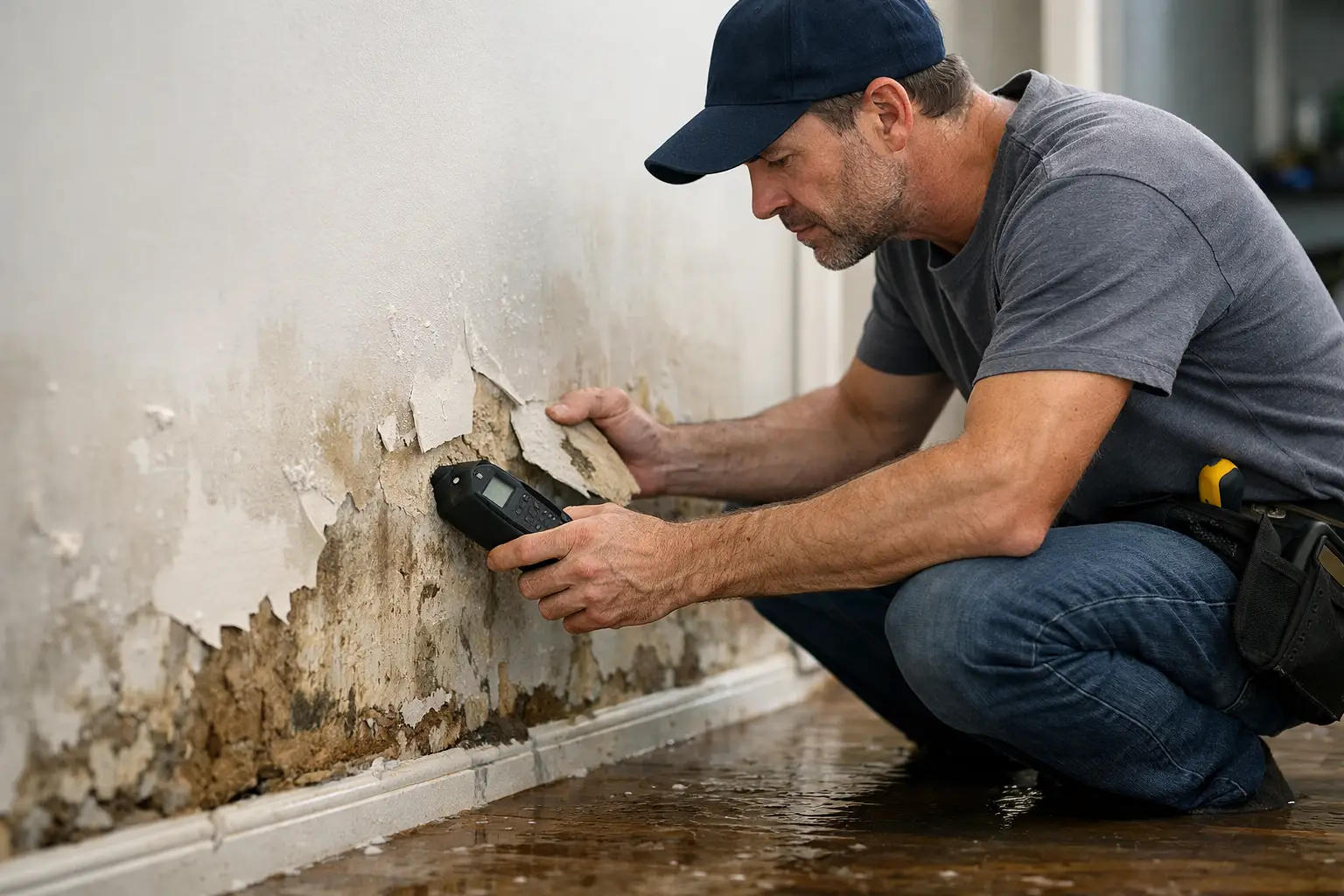
Many disputes that appear to be warranty disputes are really documentation disputes. Was the structure sufficiently dried before repairs began? Were moisture readings recorded? Was hidden damage behind cabinets, under flooring, or inside wall cavities addressed when it was discovered?
A complete file should include inspection notes, daily drying logs when applicable, photos, equipment records, and final moisture verification. These documents help demonstrate that the restoration process followed a defensible path. They also give the owner, insurer, and future maintenance team a reliable record of what occurred.
For portfolio managers, this documentation is more valuable than a vague lifetime promise. It supports claim coordination, protects against confusion during future repairs, and creates accountability across staff changes.
Read exclusions without treating them as red flags
Every legitimate warranty has exclusions. The goal is not to find a contractor offering no exclusions at all. The goal is to determine whether the exclusions are reasonable, understandable, and consistent with the building conditions and approved scope.
Common exclusions may involve pre-existing damage, concealed conditions that were inaccessible at the time of work, ongoing moisture sources, structural movement, improper maintenance, mold conditions outside the authorized scope, and damage caused by another trade after restoration is complete. These are often practical limits rather than warning signs.
The concern arises when exclusions are so broad that they remove accountability for nearly every likely workmanship issue. If the warranty says the contractor is not responsible for moisture-related problems, but the contractor performed drying and moisture-related repairs, ask for clarification. The wording should distinguish between a new water intrusion event and a defect in the work performed.
It also depends on the property type. Older multifamily buildings can contain aging supply lines, original drains, and hidden construction conditions. A reasonable contractor may need to exclude unknown conditions while still standing behind the work they controlled. That balance protects both sides.
Confirm the warranty timeline and claim process
A warranty should state when coverage begins, how long it lasts, and what the client must do if an issue is found. Do not assume the clock begins on the date of the original emergency call. In a project with mitigation followed by reconstruction, coverage may begin when the specific repair work is substantially complete.
Ask who should receive the warranty request and what information is needed. A practical process may require the property address, unit number, original work order, photos, and a brief description of the concern. For a leak-related complaint, the contractor may also need access to inspect whether the issue comes from their work or from a new source of water.
Response expectations matter as much as the stated term. For urgent water concerns, delays can increase damage quickly. A restoration partner with 24/7 emergency response can help isolate the immediate risk while the underlying cause is assessed. Still, property managers should understand that emergency response does not automatically mean every new event is a warranty claim.
Evaluate the contractor behind the document
A warranty has real value only when it is backed by a contractor that can respond, inspect the issue fairly, and complete corrective work responsibly. For property professionals, that evaluation should go beyond the wording on a one-page certificate.
Look for clear licensing, insurance, bonding, established operating history, and the capacity to coordinate emergency mitigation with reconstruction. A contractor that handles only demolition may leave the owner to find another vendor for rebuilds. A contractor that handles only cosmetic repairs may lack the equipment and training needed to document proper drying. Fragmented responsibility often creates the gaps that warranties cannot solve.
V&S Management Services Inc. has served Southern California property professionals since 1989 with licensed, bonded, and insured support across urgent restoration, maintenance, turnover work, and larger construction needs. For managers overseeing multiple units, single-source accountability can make warranty follow-up more direct because the team responsible for the restoration understands the original scope and property history.
Insurance is related, but it is not the warranty
Insurance claim coordination and warranty coverage are often discussed together, yet they answer different questions. Insurance may address covered sudden and accidental damage under the policy. A workmanship warranty addresses whether the contractor's completed work meets the agreed standard.
A claim may close before a workmanship concern becomes visible. Conversely, a repair issue may not be covered by insurance if it results from defective work rather than a new covered loss. Keeping the restoration file organized protects the property in either scenario.
Property managers should also avoid authorizing work based solely on an insurer's initial estimate. The carrier's scope, the contractor's scope, and actual site conditions can change as materials are removed and damage becomes visible. Written change orders and clear claim communication help prevent gaps that later get mislabeled as warranty problems.
Questions worth asking before closeout
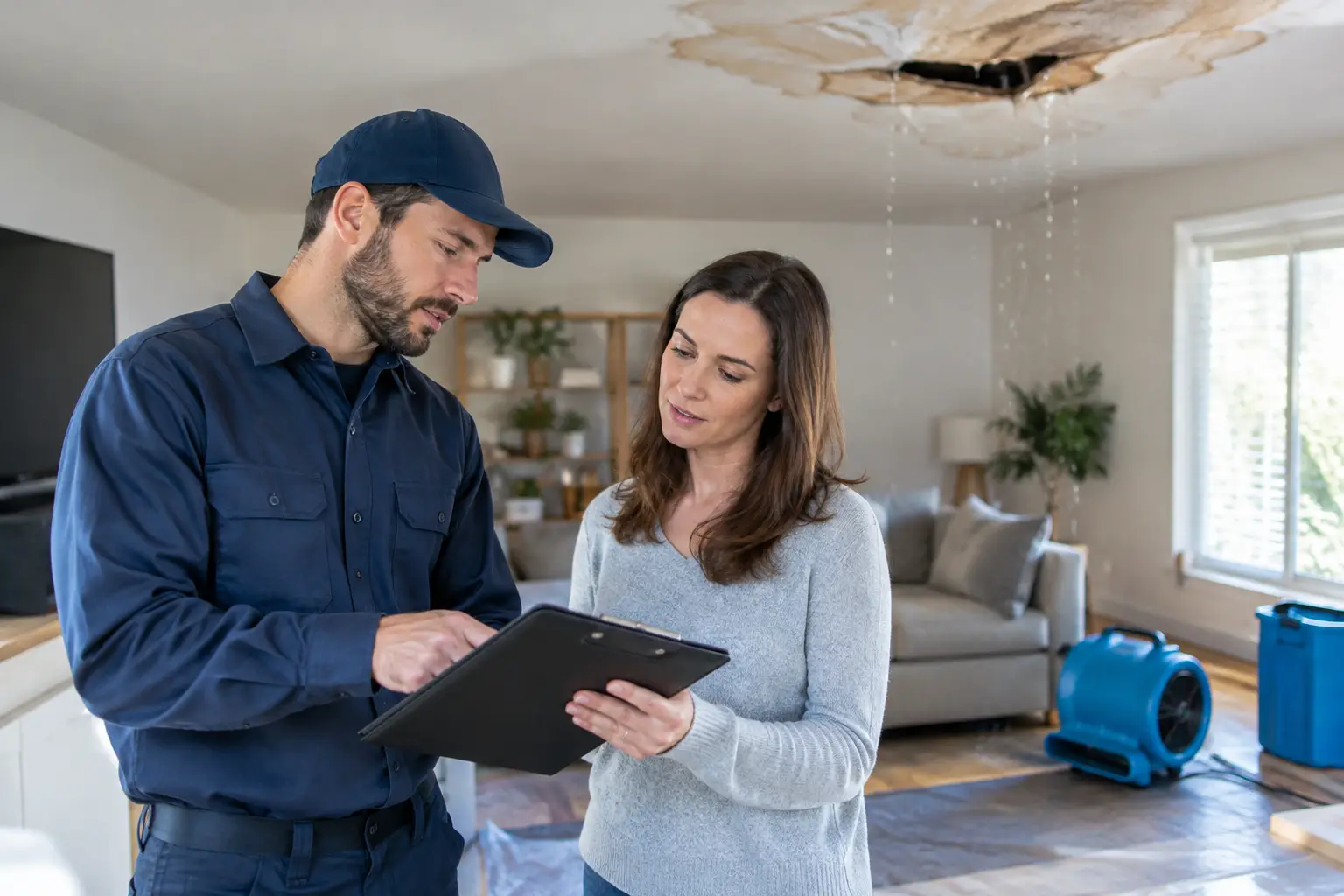
Before signing off on a restoration project, ask the contractor to explain the warranty in plain language. The discussion should cover what workmanship is covered, which materials have separate coverage, how long each applies, and which conditions would void or limit a claim.
Also ask whether any source repairs remain outstanding. If a failed supply line was replaced, confirm that work is documented. If the source was an exterior drainage issue, roof penetration, or common-area plumbing concern outside the restoration scope, assign responsibility before the unit is returned to service. Restoring finishes without resolving the source can create repeat damage and unnecessary conflict.
Finally, retain the closeout file with the property records rather than relying on a single employee's inbox. A well-organized file should remain accessible to maintenance staff, ownership, association leadership, and authorized insurance contacts when needed.
A strong warranty is not a substitute for careful restoration. It is the final layer of a disciplined process: stop the water, document the damage, dry the structure correctly, complete the approved repairs, and stand behind the work when the job is done.