A unit leak at 2 a.m. rarely stays a one-unit problem for long. By morning, moisture may already be behind baseboards, inside shared walls, under flooring, and moving toward electrical and structural materials. That is why one of the first questions property managers ask is, how long does water damage drying take - and the honest answer is that drying is measured by conditions, not just by the clock.
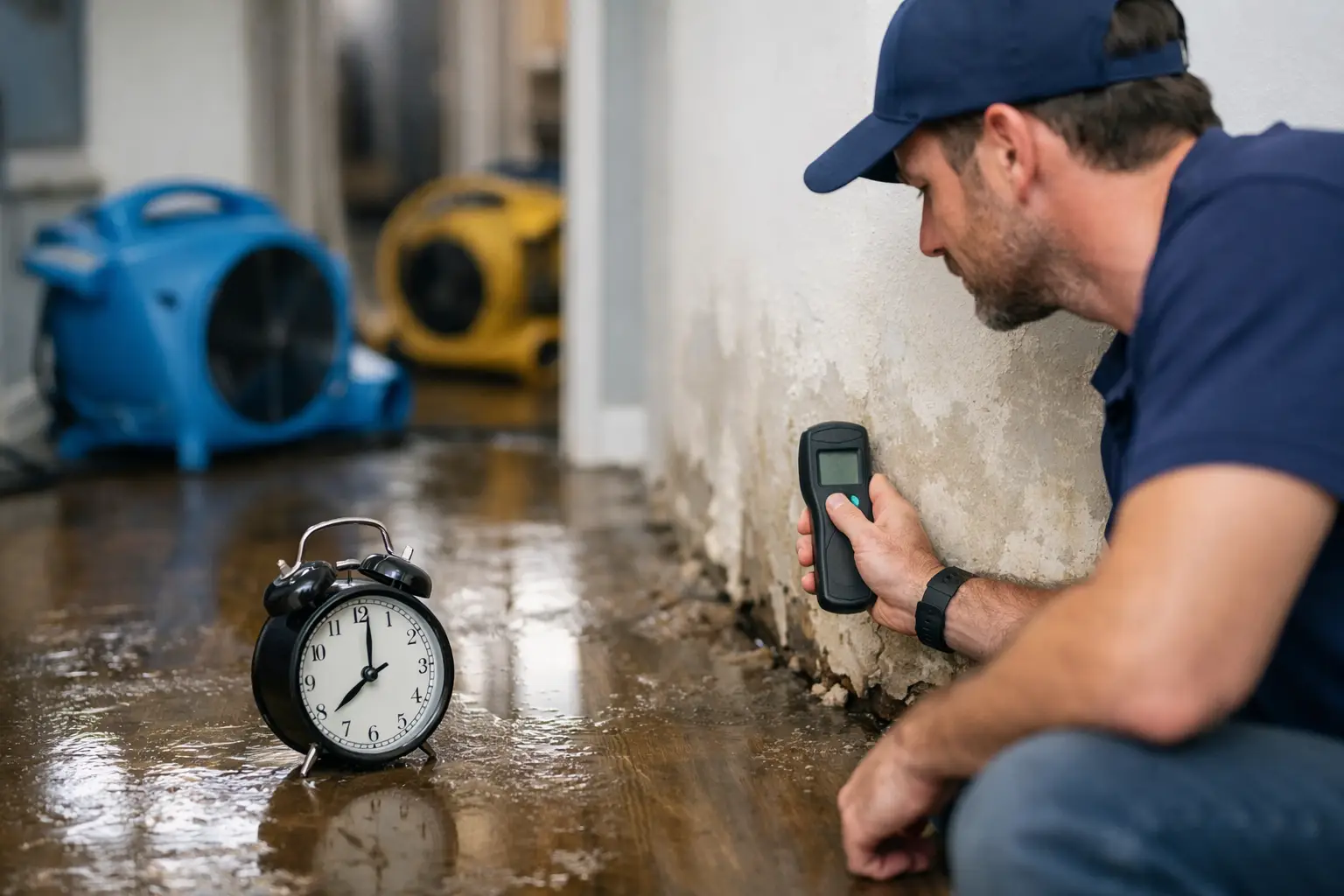
In most cases, professional structural drying takes between 3 and 5 days. Smaller, clean-water losses caught early can dry faster. Larger losses, multi-unit spread, saturated insulation, hardwood flooring, subfloors, cabinetry, or hidden moisture can push the timeline to a week or more. The key issue is not whether surfaces feel dry. The real question is whether the affected materials have returned to acceptable moisture levels.
How long does water damage drying take in real conditions?
Drying time depends on what got wet, how long it stayed wet, and how quickly containment and extraction began. A bathroom supply line overflow in a single unit is very different from a top-floor leak that travels through walls, ceiling cavities, and multiple occupied spaces.
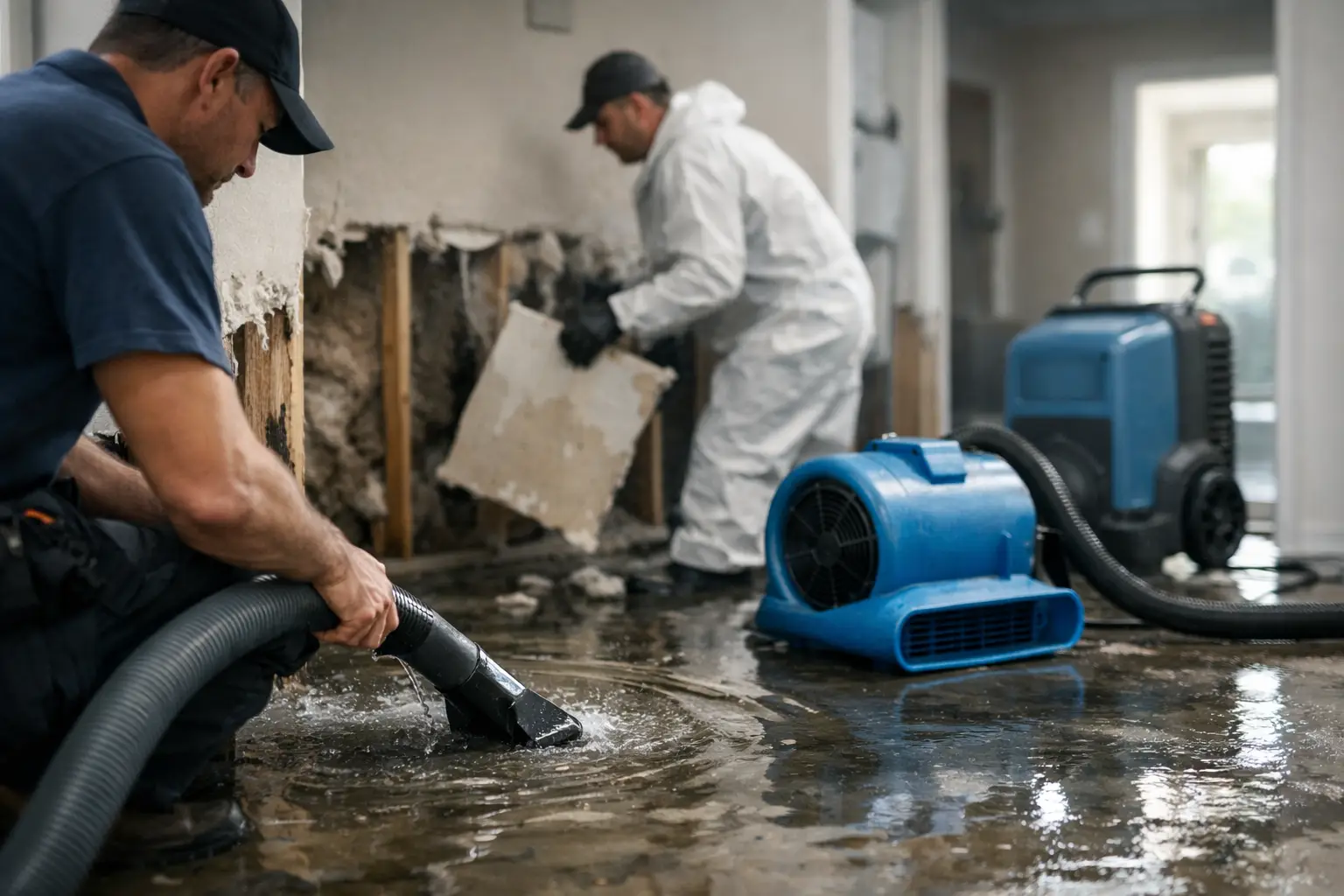
For most commercial and multi-unit properties, the early timeline usually looks like this. Water extraction and emergency mitigation happen first. After standing water is removed, drying equipment is placed, moisture readings are documented, and affected areas are monitored daily. Under favorable conditions, visible progress happens quickly in the first 24 to 48 hours. Full drying still takes longer because moisture trapped in dense materials leaves much more slowly.
This is where experienced restoration teams protect the schedule. Drying too aggressively can damage some materials. Drying too slowly can lead to swelling, microbial growth, odor, and a longer path to repairs. The right setup balances airflow, dehumidification, demolition where necessary, and ongoing moisture verification.
What affects the drying timeline most?
The biggest factor is category and volume of water. Clean water from a supply line usually creates a more straightforward drying path than contaminated water from a drain backup or storm intrusion. With contaminated losses, more material removal may be required, and that changes the timeline.
The second factor is how long the materials stayed wet before mitigation started. Water that is addressed within hours is often far less disruptive than water discovered after a weekend or after repeated hidden leaks. In apartment buildings, HOAs, and mixed-use properties, delayed discovery is common because the source unit and the damaged unit are not always the same.
Material type also matters. Drywall, insulation, laminate, engineered wood, hardwood, concrete, plaster, and cabinetry all release moisture at different rates. Carpet in one room may dry relatively quickly after extraction, while wet subflooring beneath it may continue extending the project. Concrete can hold significant moisture even when the surface appears normal.
Weather and building conditions matter more than many owners expect. In Southern California, people assume warm weather means fast drying. Sometimes it helps, but coastal humidity, limited ventilation, older construction, and enclosed floor plans can slow things down. Air movement alone is not enough. Controlled humidity reduction is what moves a job forward.
Why a room can look dry before the structure is dry
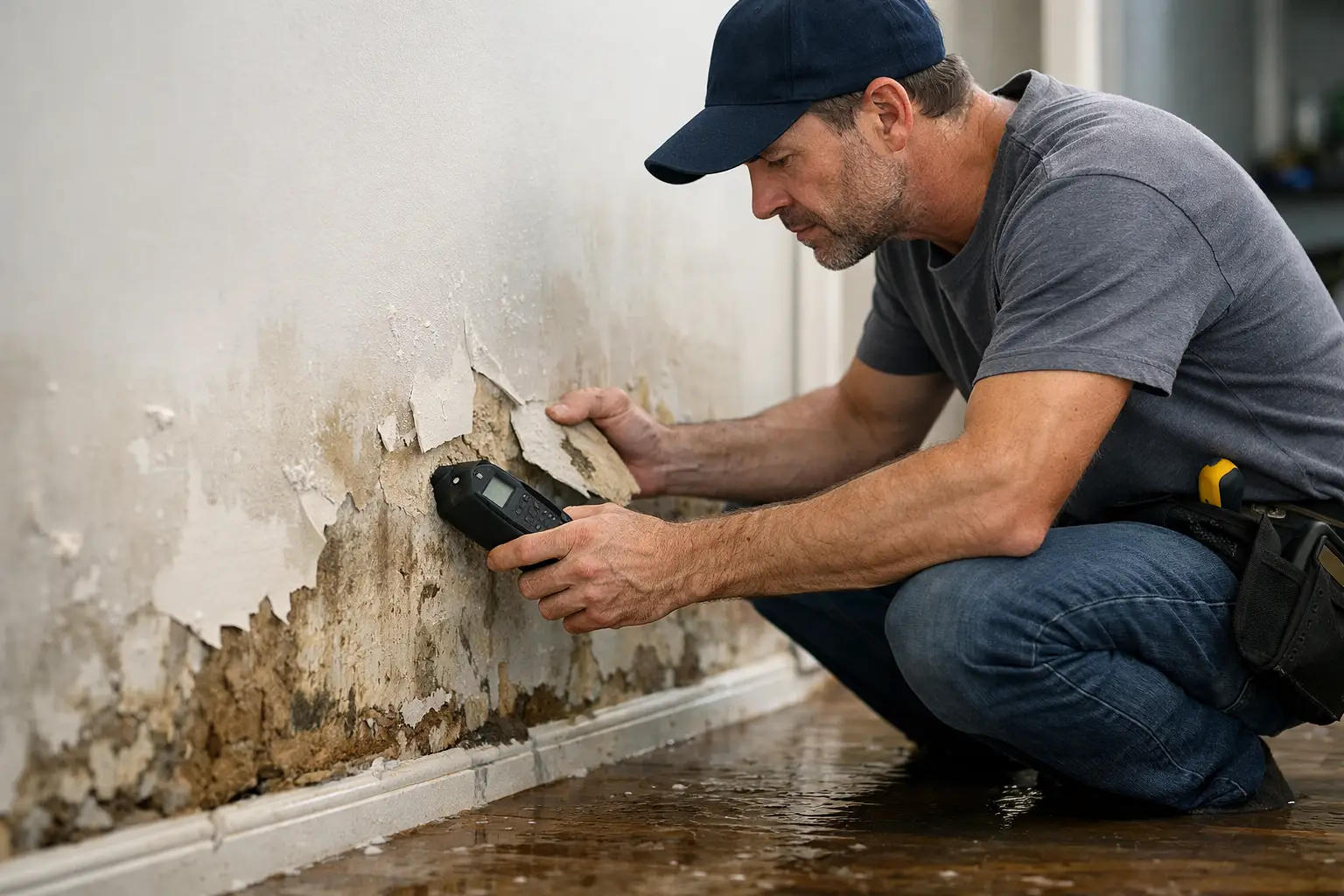
This is one of the most common causes of rework. Paint may look normal. Flooring may feel dry underfoot. The odor may improve. None of that confirms the wall cavity, insulation, subfloor, or framing is actually dry.
Professional drying relies on moisture mapping and repeat readings, not guesswork. If wet drywall is left enclosed behind cabinets or if flooring is reinstalled over a damp substrate, the result can be warping, staining, adhesive failure, and avoidable insurance disputes later. For property professionals managing multiple stakeholders, that kind of second-round damage is where timelines really get lost.
A reliable contractor does not call the drying phase complete because fans ran for a few days. The drying phase ends when documented readings support that the structure is ready for repairs or rebuild.
Typical drying ranges by situation
A smaller clean-water loss limited to exposed flooring and lower drywall may dry in about 3 days if extraction starts quickly and no hidden spread is found. A moderate loss affecting several materials, or one that sat longer before discovery, often takes 4 to 5 days. More complex losses involving multiple units, cabinetry, dense materials, concrete, insulation, or ceiling cavities can take 5 to 7 days or longer.
That does not always mean the property is out of service for all of that time. In commercial and multi-unit settings, strategic containment can sometimes keep unaffected areas operating while damaged sections are being dried and documented. That is one reason property managers tend to prefer a single accountable contractor who can coordinate mitigation, compliance, communication, and repair sequencing under one roof.
What can delay water damage drying?
The largest delays usually come from late reporting, incomplete extraction, and hidden moisture that was not identified early. If water has migrated under flooring, behind millwork, or into adjacent units, the first equipment setup may need adjustment once more moisture is discovered.
Access issues also slow the process. In occupied properties, restoration crews may need entry to neighboring units, common walls, electrical rooms, or shared plumbing access points. If access is pieced together slowly, drying slows with it.
Another common delay is waiting too long to remove unsalvageable material. Not every wet material should stay in place. In some cases, selective demolition is the fastest route to protect the schedule because it allows trapped moisture to escape and prevents contamination from spreading.
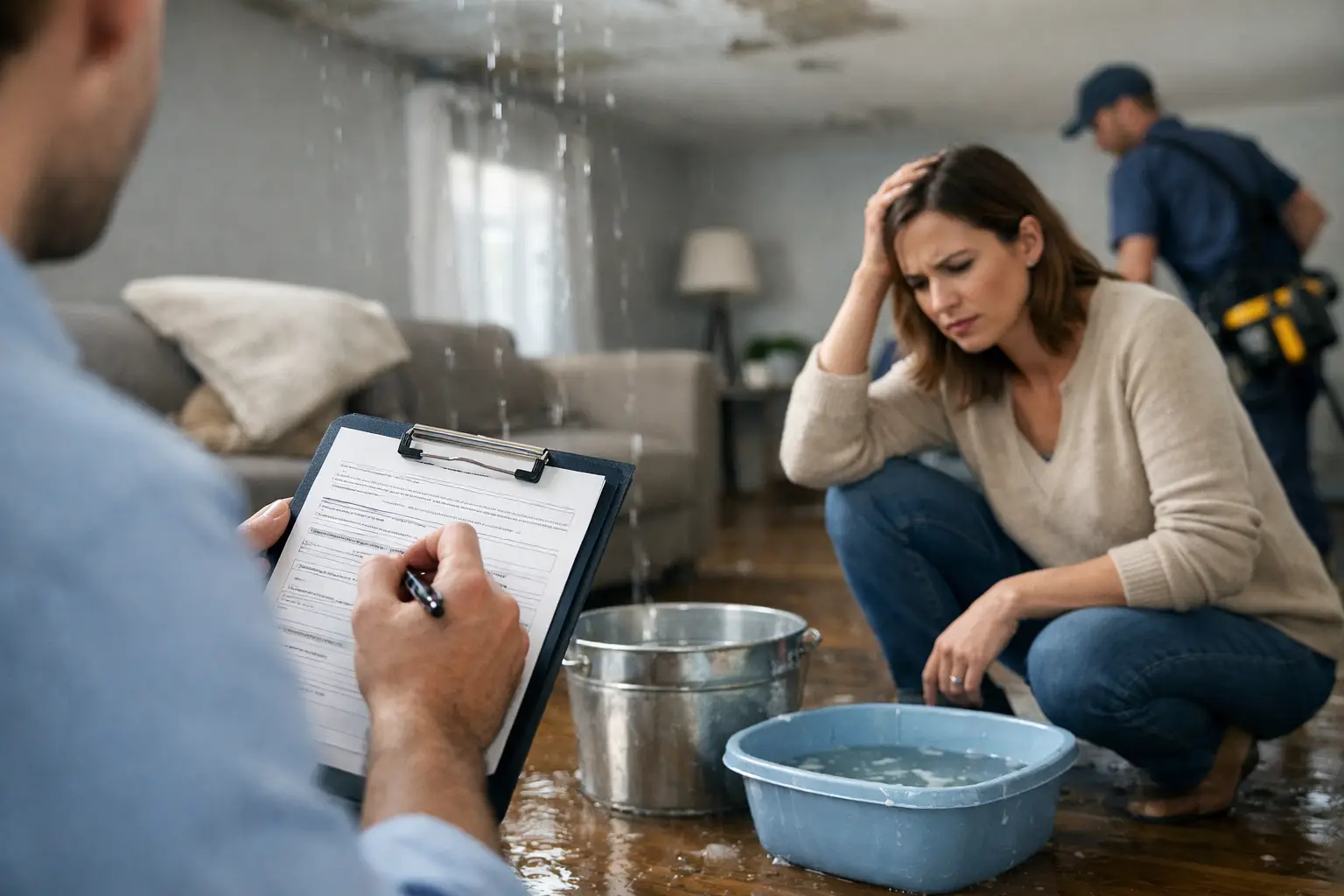
Insurance documentation can also affect the broader project timeline, even if it does not stop the physical drying itself. Daily readings, photos, equipment logs, and clear scope records help keep claims moving and reduce disputes about what was wet, what was removed, and what still requires restoration.
How property managers can help shorten the timeline
The first move is simple: report the loss immediately and stop the source if it is safe to do so. Every hour matters when water is moving through shared assemblies. Fast extraction typically saves more material than late equipment placement.
The second move is to centralize communication. One point of contact for access approvals, tenant notifications, and insurance coordination keeps crews working instead of waiting. In larger buildings, confusion creates delay faster than the drying equipment can offset it.
The third is to work with a trusted general contractor that can handle both emergency mitigation and the repair phase. That matters because drying is only one part of the outage. Once moisture goals are met, the property still needs a path back to rent-ready or operational condition. Handing the project from one vendor to another often creates avoidable downtime, duplicated site visits, and scope gaps.
When drying becomes a reconstruction issue
Sometimes the right answer is not to keep drying everything. If drywall has wicked too high, insulation is saturated, cabinets have swollen, or flooring systems have failed, controlled removal may be the more efficient path. That can feel more disruptive in the moment, but it often shortens the total project duration by eliminating materials that will not recover.
This is especially true in multi-unit properties where managers are balancing vacancy days, habitability concerns, tenant communication, and asset protection. A contractor with restoration and rebuilding capability can make better decisions about what should be saved, what should be removed, and how to sequence the next phase without losing time.
For Southern California property teams managing tight turn schedules and occupied buildings, speed alone is not enough. The work has to be documented, compliant, and executed in a way that supports the claim, protects the asset, and gets the space back online without repeat issues.
How long does water damage drying take before repairs can start?
Repairs should begin after drying goals are met, not just after a set number of days has passed. In straightforward losses, that may be within 3 to 5 days. In more complex situations, demolition and drying may overlap, and some reconstruction planning can begin while moisture reduction is still underway.
What matters most is continuity. A team that can move from emergency response to moisture documentation to restoration planning creates a smoother recovery for owners, HOAs, and property managers. That is the standard experienced operators expect, and it is the kind of response V&S Management Services Inc. is built to support.
If you are facing an active loss, the real objective is not just drying faster. It is drying correctly the first time so the property can move forward with confidence, clear documentation, and fewer surprises once the walls are closed again.