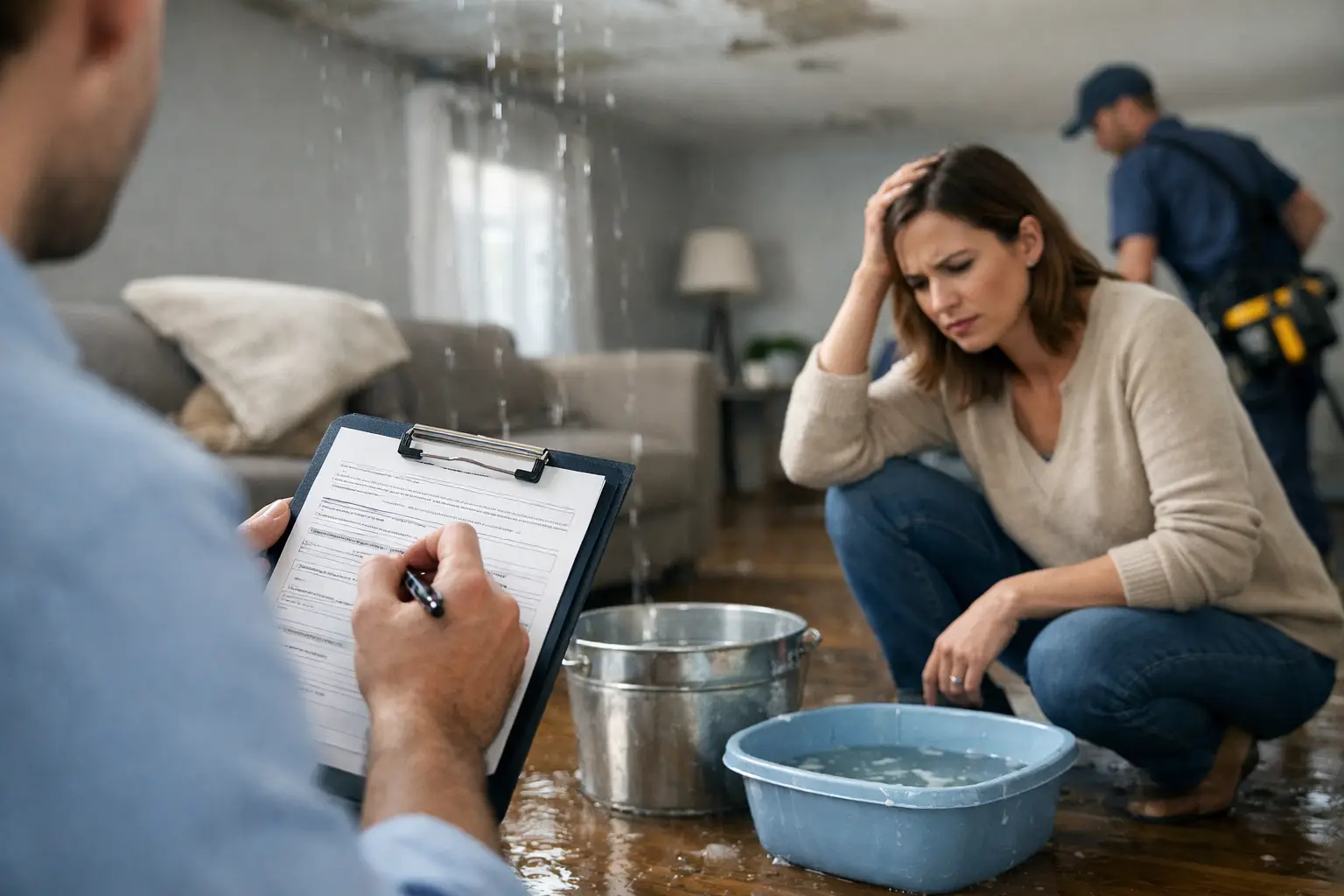
A ceiling leak above an occupied unit can become a much larger portfolio problem before the end of the day. Water may travel through walls, flooring, electrical areas, and neighboring units while tenants need answers and the carrier needs documentation. Knowing how to coordinate restoration claims means controlling that first critical window without losing sight of coverage, compliance, tenant communication, or the repair schedule.
For property managers, HOA boards, and commercial owners, a well-coordinated claim is not simply about recovering repair costs. It is about limiting business interruption, protecting the building, documenting responsible decisions, and returning units to service as quickly as conditions allow.
Start mitigation before the claim becomes a dispute
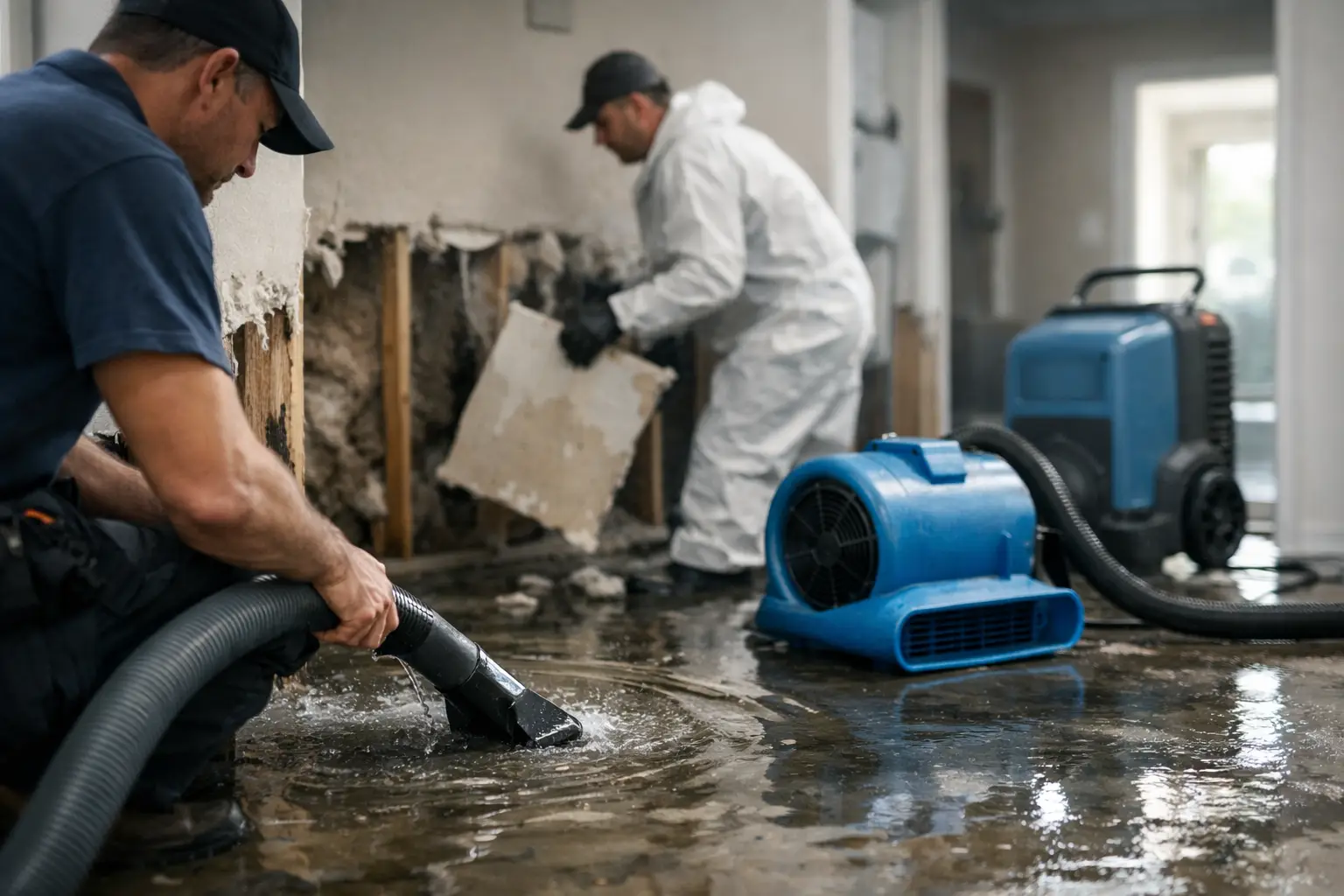
The first responsibility after water damage, fire damage, or another covered event is to stop additional loss. Shut off the water source when possible, isolate affected areas, protect occupants from hazards, and bring in qualified restoration professionals. Waiting for an adjuster to inspect before beginning emergency mitigation can allow damage to spread and may create questions about whether reasonable steps were taken to protect the property.
This does not mean starting permanent reconstruction without a plan. Emergency extraction, drying, containment, temporary protection, and safety measures are different from full rebuild work. The goal is to stabilize the property while preserving a clear record of what happened and why each action was necessary.
For a multi-unit property, assess adjacent units and common areas early. A leak in one second-floor unit may affect ceilings below, shared electrical systems, corridors, or storage spaces. Looking only at the visible source is a common reason claims grow more complicated later.
Build the claim file from the first hour
Strong documentation gives the carrier, ownership, and restoration team the same factual foundation. It also protects the manager when questions arise weeks later about timing, scope, tenant access, or pre-existing conditions.
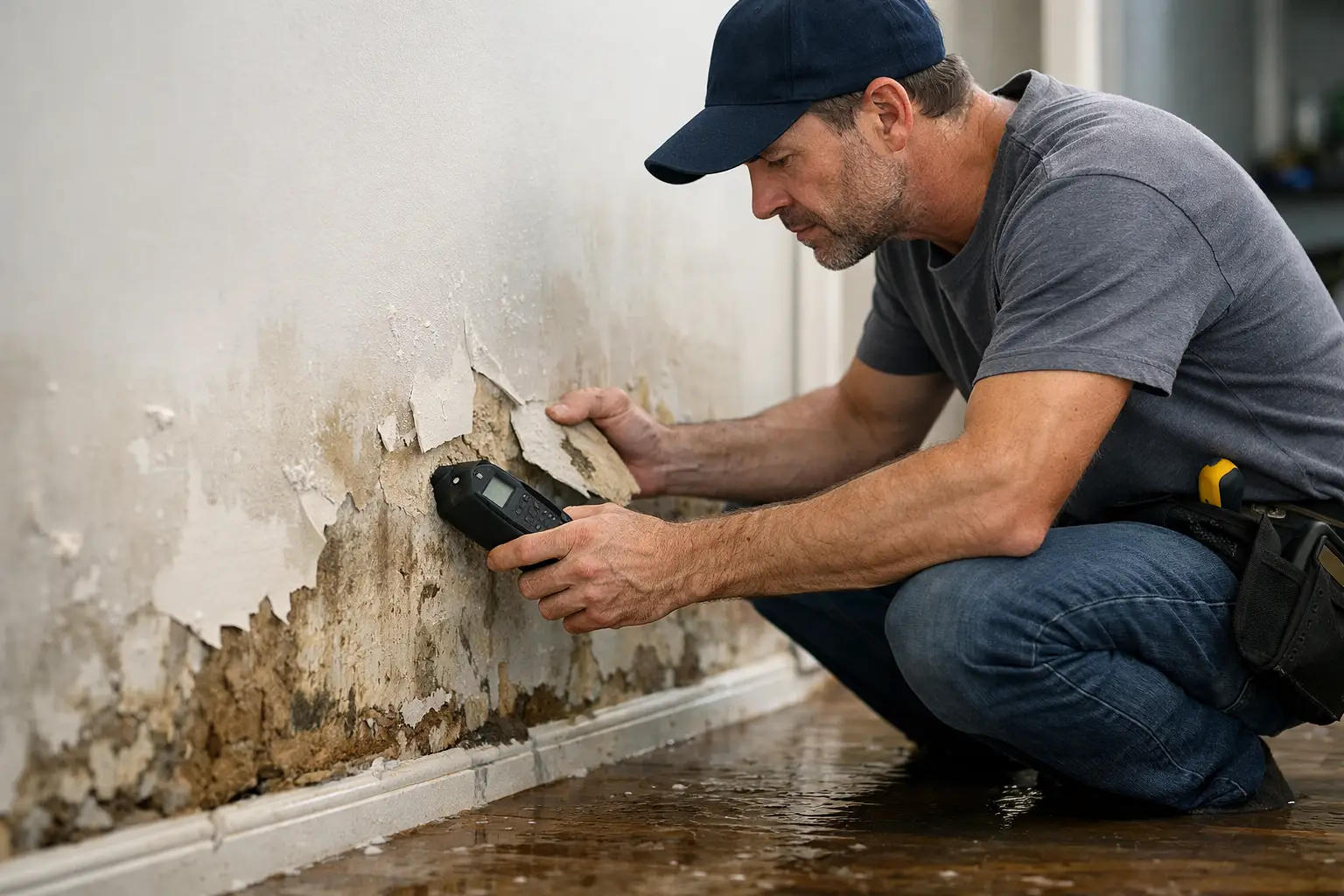
Begin with time-stamped photos and video before mitigation starts, then continue documenting conditions throughout extraction, drying, demolition, and repairs. Capture wide shots that establish location as well as close images of damaged materials, moisture readings, equipment placement, and affected contents.
Keep a simple event log. Record when the damage was discovered, who was notified, when the source was stopped, when vendors arrived, and when affected tenants were contacted. Include names, unit numbers, and relevant decisions. A clean timeline is often more useful than a long series of emails when an adjuster needs to understand the sequence of events.
The claim file should also include incident reports, emergency invoices, daily drying records, equipment logs, repair estimates, inspection findings, and communications related to access or displacement. For HOA and commercial properties, preserve board approvals and ownership instructions as well. The documentation should show that the response was organized, reasonable, and tied directly to the loss.
Assign one point of accountability
Restoration claims slow down when too many people communicate independently with the carrier. The property manager may be speaking with an adjuster, the owner may be requesting changes, tenants may be calling the maintenance team, and several vendors may be providing separate scopes. The result is conflicting information and missed approvals.
Assign a claim coordinator with authority to collect information, track decisions, and communicate status. That person does not need to perform every task, but they should be the central source for the insurer, restoration contractor, ownership, and onsite team.
For larger losses, establish a communication rhythm from the beginning. A brief daily update during emergency mitigation can cover current conditions, units affected, work completed, outstanding approvals, tenant needs, and the next 24-hour plan. Once drying is complete, weekly updates may be enough during reconstruction. Consistent communication reduces surprises and helps stakeholders make timely decisions.
Separate insurance decisions from operational decisions
Carriers determine coverage and evaluate the claim. Property leadership still must make operational choices that protect residents, comply with safety requirements, and keep the asset functioning. Do not allow uncertainty about reimbursement to delay urgent work needed to prevent further damage.
At the same time, avoid approving upgrades or unrelated improvements under the assumption that they will be included in the claim. A damaged floor may need replacement, but a decision to change materials throughout an entire building may involve owner-funded improvements. Keeping covered restoration work separate from elective upgrades creates cleaner scopes, invoices, and expectations.
Create a scope that reflects the real damage
A restoration estimate should be based on documented conditions, not assumptions. Moisture mapping, material testing when appropriate, demolition findings, and code-related requirements may reveal damage that was not visible during the first inspection. This is particularly relevant in older Southern California buildings, where prior repairs, concealed plumbing issues, and layered finishes can complicate the scope.
Ask the restoration team to explain what is emergency mitigation, what is necessary reconstruction, and what may require supplemental approval. A supplement is not automatically a sign of poor planning. Hidden damage can only be identified after access is gained. The key is documenting the new finding promptly, showing why it is related to the loss, and obtaining direction before proceeding with avoidable extra work.
For multi-unit properties, coordinate scopes by location and building system. Separate unit interiors, common areas, plumbing repairs, electrical work, and shared building components when possible. This helps ownership understand the true impact and prevents important items from being lost inside a broad estimate.
Keep tenants informed without overpromising
Residents and commercial occupants judge the response by what they see: whether someone answers the phone, whether their space is safe, and whether they know what happens next. Clear communication also supports claim coordination because access delays and disputed timelines can affect mitigation and repair work.
Tell occupants what is known, what work is scheduled, and what they need to do to provide access or protect belongings. Be direct about temporary conditions such as drying equipment, noise, restricted areas, or intermittent utility interruptions. Do not promise a completion date until the scope, materials, access, and insurer requirements support it.
Bilingual English and Spanish communication can be especially valuable in occupied Southern California properties. Instructions should be clear enough that tenants understand safety concerns, access windows, and whom to contact after hours. Every significant notice should be logged in the claim file.
Choose contractors who can support the entire process
A restoration partner should do more than remove water or demolish damaged materials. The best fit for a managed portfolio can document mitigation, coordinate with the adjuster, provide a repair scope, maintain compliant jobsite practices, and complete reconstruction without forcing the manager to restart the vendor search after drying ends.
Verify that contractors are properly licensed for the work, insured, bonded, and able to meet the property’s vendor compliance requirements. Ask who manages after-hours emergencies, who prepares documentation, and who owns the handoff between mitigation and reconstruction. A low-friction process matters, but accountability matters more.
V&S Management Services Inc. supports this single-source approach with 24/7 emergency response, claim coordination, and licensed restoration and reconstruction services for multi-unit and commercial properties.
Track the claim through closeout
Claim coordination continues after the visible repairs are complete. Match invoices to approved work, retain final photos, verify that affected areas are dry and safe, and confirm that permits or inspections have been closed when required. If repairs involve tenant units, document the return of access and any remaining punch-list items.
Before closing the file, compare the final scope against the original loss records. If there were uncovered upgrades, maintenance-related repairs, or owner-directed changes, make sure they are clearly separated from claim-related costs. This protects the accounting process and creates a useful record if the property experiences a similar loss later.
A restoration claim will never be convenient, especially when it interrupts occupied units or critical commercial operations. But a fast response, disciplined documentation, and one accountable coordinator can turn a chaotic event into a managed recovery - and give property stakeholders confidence that the asset is being protected at every stage.