When a tenant reports a musty odor or a maintenance team opens a wall and finds visible growth, the next few hours matter. Knowing how to prepare for mold remediation can be the difference between a contained project and a longer disruption that affects occupancy, schedules, and asset condition.
For property managers, HOA boards, and commercial owners, mold is rarely a standalone issue. It usually points to a moisture source, a documentation gap, or a coordination problem between trades. Preparation is not just about clearing a room. It is about protecting people, preserving evidence of the source, and setting up the remediation team to work efficiently the first time.
Why preparation matters before remediation starts
Mold remediation moves faster and more cleanly when the site is organized before containment goes up. If the affected area is still exposed to active leaks, if personal items are mixed into damaged materials, or if building access is unclear, the project can stall. That delay increases the chance of further spread, resident complaints, and additional material loss.
There is also a compliance and liability side to preparation. Property professionals need a clear record of what was found, when it was discovered, and what immediate steps were taken. That matters for internal reporting, resident communication, and in some cases insurance coordination. A trusted general contractor or remediation partner can help guide that process, but the property side should be ready with the basics.
How to prepare for mold remediation in an occupied property
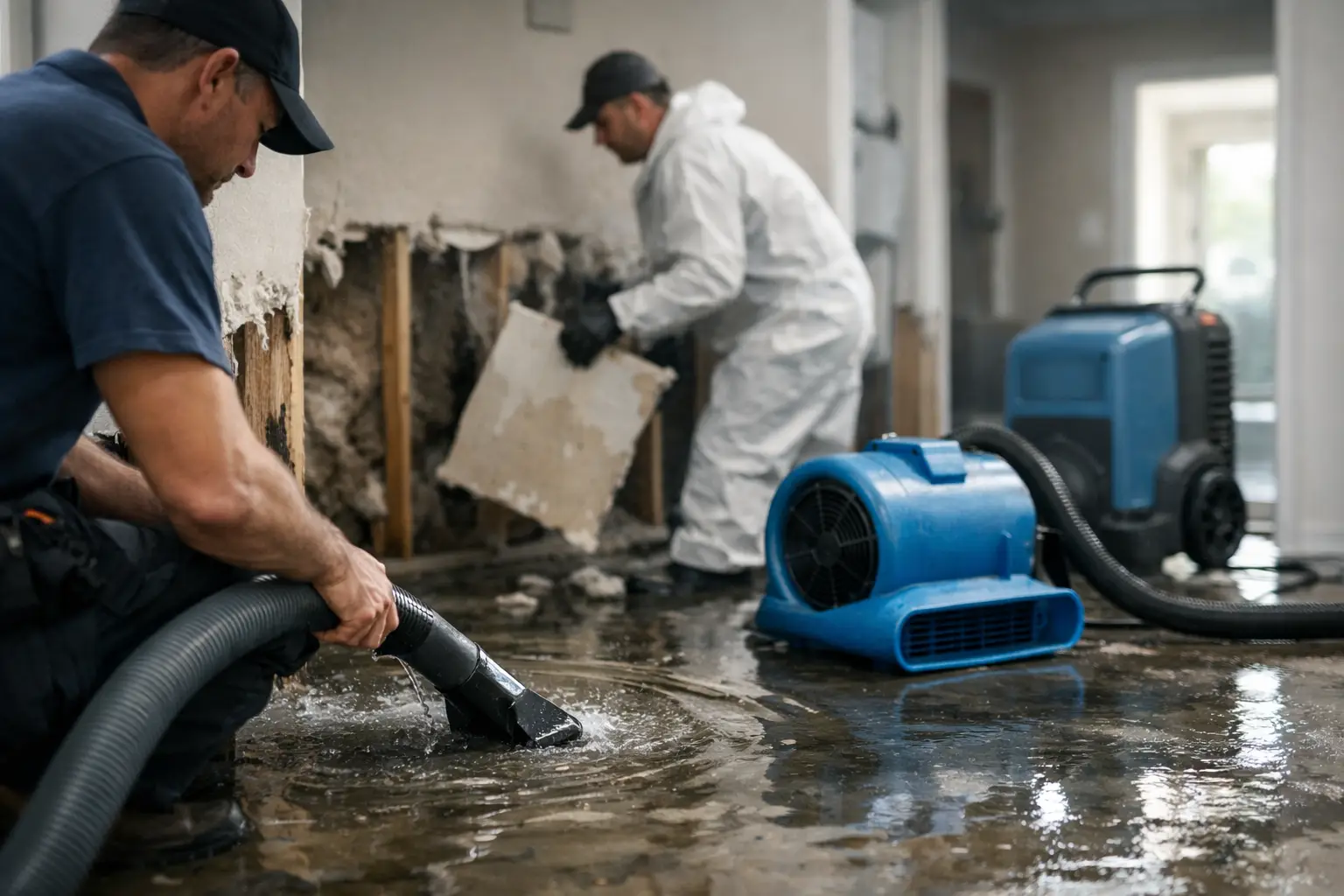
The first priority is always the moisture source. If there is an active plumbing leak, roof intrusion, appliance overflow, or HVAC drainage issue, that needs immediate attention. Remediation without moisture control is a short-term fix. Mold will return if the underlying condition remains.
Once the source is identified, restrict unnecessary access to the affected area. In a multifamily or commercial setting, that may mean posting temporary notices, coordinating with onsite staff, and making sure vendors do not continue routine work through the space. Foot traffic can disturb contaminated materials and spread particles beyond the original area.
Communication should happen early and in a measured way. Tenants, board members, or building occupants do not need vague reassurances. They need clear direction on what area is affected, whether access is restricted, and what to expect next. If relocation or temporary unit access is required, preparation becomes partly an operations issue and partly a customer service issue.
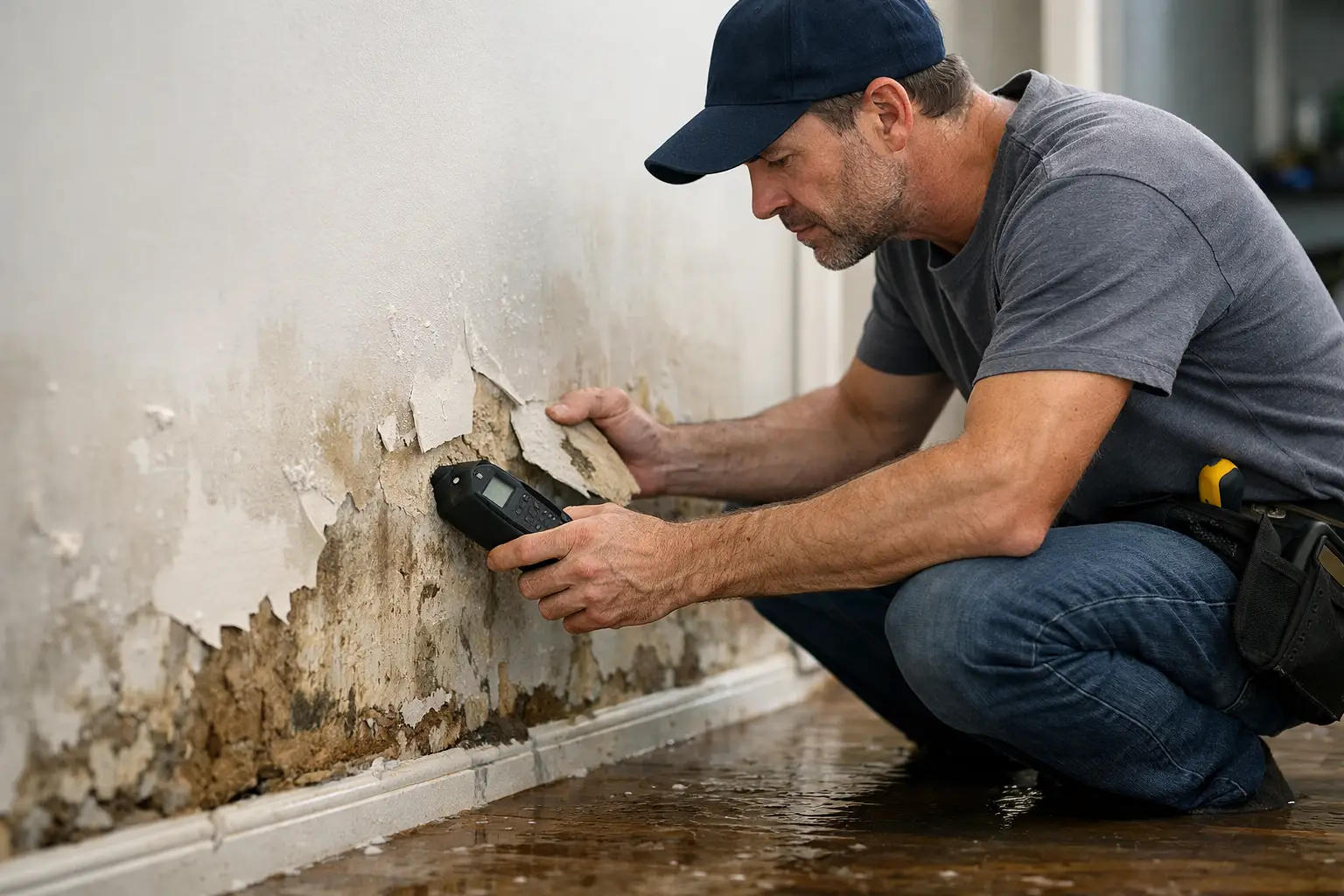
Documentation is another early step that often gets overlooked. Take date-stamped photos of visible damage, note any reported water event, and record which units or common areas may be impacted. If the property has had similar moisture issues before, gather those records too. Patterns matter. They can help the remediation team assess whether the issue is isolated or part of a larger building condition.
What to remove, protect, and leave in place
One of the most common questions in how to prepare for mold remediation is what should be moved before the crew arrives. The answer depends on the extent of contamination and whether items are porous, non-porous, or high value.
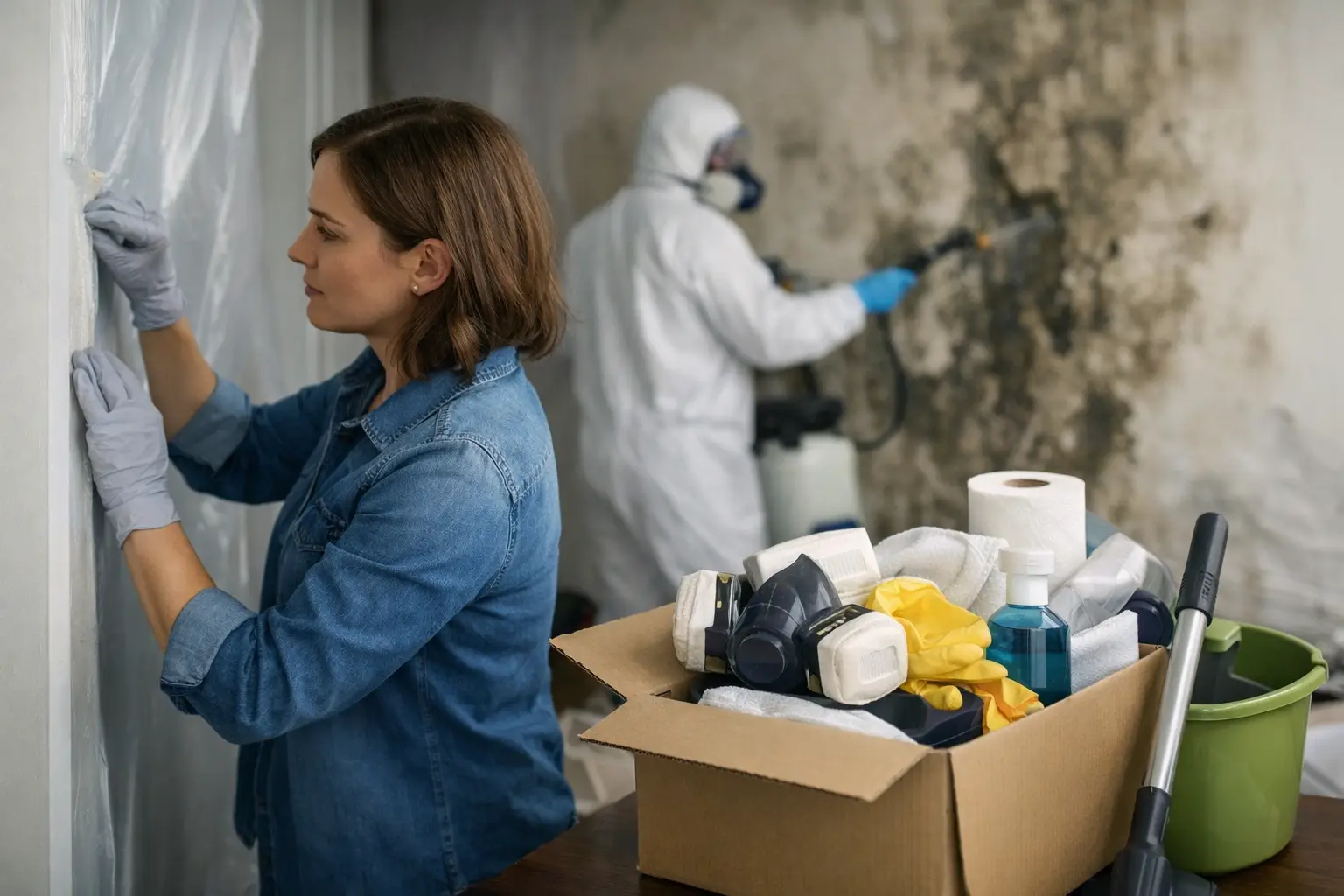
As a general rule, unaffected belongings and loose contents should be removed from the work zone if they can be moved safely without crossing heavily contaminated areas. That gives the remediation team room to build containment and reduces the risk of secondary contamination. In a vacant unit turnover, this step is straightforward. In an occupied unit, it may require coordination with residents, maintenance staff, or onsite management.
Porous items that have visible mold growth, water saturation, or a strong odor may not be salvageable. That includes things like cardboard, some upholstered furnishings, insulation, and certain composite materials. Non-porous or semi-porous items may be cleanable, but they should usually be assessed by the remediation team rather than handled casually by building staff.
What should stay in place? Built-in materials, damaged drywall, baseboards, flooring sections, and other affected construction elements are often best left undisturbed until the remediation contractor evaluates them. Premature demolition can spread contamination and make proper scope documentation harder.
If removal of contents is needed, use a staging approach. Keep clean items away from the containment area, label what came from each room or unit, and avoid stacking potentially affected materials in common hallways or adjacent spaces. Organization at this stage helps everyone later, especially if repairs follow remediation.
Access, utilities, and site logistics
Preparation is not only environmental. It is operational. A remediation team needs predictable access, available utilities, and a work path that does not interfere with unrelated building functions more than necessary.
Make sure keys, gate codes, lockbox instructions, parking access, and after-hours contacts are ready before the start date. In a commercial or multi-unit property, delays often happen because the crew arrives but cannot access the right utility room, roof section, crawlspace, or unit stack. Those delays cost time and extend downtime.
Confirm whether electricity and water should remain on in the affected area. In many cases, drying equipment, negative air machines, and other remediation tools will require power. If any utilities are being shut down for safety, the contractor should know in advance so the work plan can be adjusted.
It also helps to identify where equipment can be staged and where waste can be removed without disrupting residents or tenants. In tighter Southern California properties, where parking and access corridors are limited, this coordination matters more than people expect. A clean logistics plan protects timelines.
Health, safety, and occupant planning
Not every mold issue requires the same level of occupant disruption. A small, isolated area in a vacant space is one thing. Widespread contamination, HVAC involvement, or remediation inside an occupied unit is another. This is where a practical, case-by-case approach matters.
If sensitive occupants are involved, such as young children, older adults, or anyone with respiratory concerns, extra caution is wise. Property managers should not make medical judgments, but they should communicate clearly and encourage affected occupants to follow appropriate professional guidance if concerns arise.
For occupied units, decide early whether the resident can remain in place during the work or whether temporary relocation is the better option. That decision depends on the size of the affected area, containment requirements, length of the project, and whether essential spaces like kitchens or bathrooms will be inaccessible. Trying to keep a resident in place when the work area is too intrusive can create more complaints and scheduling problems than a short relocation.
Building staff should also know their role. They should not enter active containment zones unless authorized and properly equipped, and they should avoid ad hoc cleaning attempts around the affected area. Well-intentioned cleanup can make conditions worse.
Preparing records for insurance and follow-up repairs
Mold remediation is often only one phase of the job. Once the affected material is removed and the area is cleaned and dried, reconstruction may follow. That is why preparation should include thinking ahead to the full project path.
Keep a basic project file with inspection notes, photos, moisture source details, tenant communications, and any incident reports. If insurance is involved, organized records can reduce back-and-forth and help move decisions faster. If the property is managed on behalf of an owner or board, these records also support transparent reporting.
It is smart to separate remediation from repair in your planning, even if one contractor can handle both. The site may need clearance steps, additional drying verification, or scope updates once finishes are opened. A property team that expects this sequence will be better positioned to manage timelines and resident expectations.
How to prepare for mold remediation with the right vendor partner
Preparation also means choosing a remediation partner that can work within the realities of managed properties. Licensing, insurance, bond status, documentation practices, and response time are not side details. They directly affect risk, communication, and project control.
For property professionals, the right partner should be able to coordinate with maintenance teams, restoration crews, insurance contacts, and reconstruction trades without creating confusion. That is especially valuable when mold follows a water intrusion event and multiple services need to happen in the correct order. A fully licensed, bonded, and insured contractor with emergency response capability can reduce handoff delays and keep accountability in one place.
V&S Management Services Inc. works with property managers and commercial clients who need that kind of coordinated execution, especially when time lost on one unit or common area starts affecting the broader portfolio. The real advantage is not just getting the mold removed. It is keeping the property moving with fewer vendor gaps.
A few mistakes worth avoiding
The biggest mistake is treating mold as a surface-cleaning issue without solving the water problem. The second is allowing too many people into the affected area before a plan is in place. The third is undercommunicating with occupants and decision-makers, which tends to create distrust even when the technical work is sound.
There is also a timing mistake that shows up often in multifamily operations. Waiting too long to schedule remediation because the visible area seems minor can allow hidden damage to grow behind walls, under flooring, or around HVAC components. Small-looking issues do not always stay small.
Good preparation is not complicated, but it does require discipline. Stop the moisture source, control access, document conditions, organize contents, plan logistics, and work with a qualified team that understands occupied properties. That groundwork gives the remediation process a much better chance of being fast, controlled, and easier on everyone involved.
When mold shows up, speed matters, but so does order. A calm, well-prepared response protects both the building and the relationships tied to it.