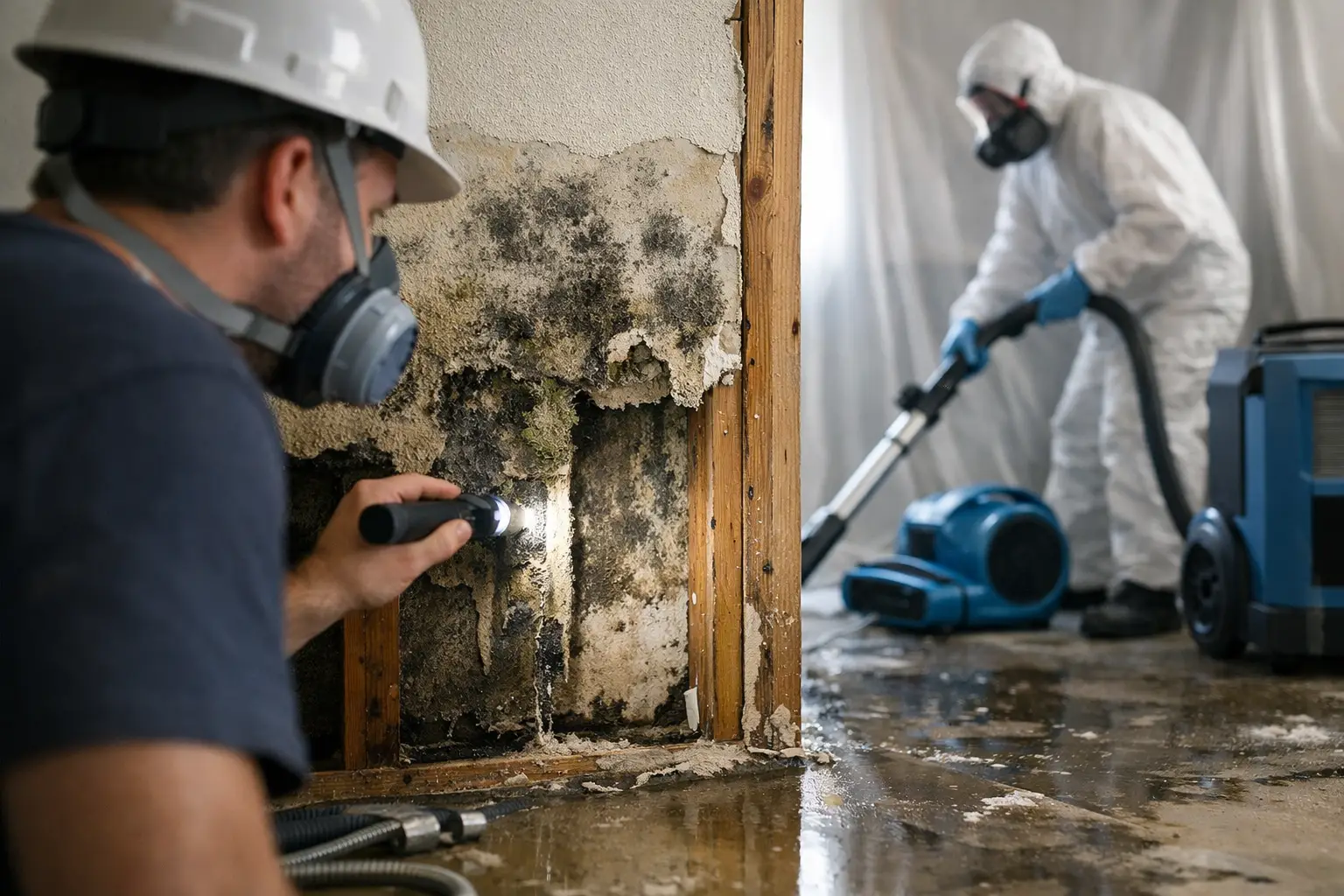
A ceiling stain after a weekend leak can look minor on Monday morning. By Friday, that same unit may have a musty odor, swollen drywall, and a tenant asking whether the space is safe. For property managers, the real question is not just is mold remediation required after leaks, but how quickly you can tell whether standard drying will solve the issue or whether a deeper corrective response is necessary.
The short answer is this: mold remediation is not automatically required after every leak, but it is often necessary when moisture was not fully removed, porous materials stayed wet too long, or visible mold growth has already started. The longer water sits behind walls, under flooring, or above ceilings, the more likely the job shifts from water cleanup to a true remediation scope.
When is mold remediation required after leaks?
A clean water leak caught and dried immediately does not always lead to mold. If the source is stopped fast, materials are dried thoroughly, and no contamination or growth is present, remediation may not be needed. In those cases, a professional water damage response focused on extraction, drying, monitoring, and limited material replacement may be enough.
The situation changes when moisture lingers for 24 to 48 hours or longer. Mold does not need a dramatic flood to develop. A slow plumbing leak inside a wall cavity, an HVAC drain line issue in a ceiling, or repeated roof intrusion around a parapet can create the right conditions without drawing much attention at first. Once mold begins colonizing drywall paper, insulation, baseboards, cabinetry, or subflooring, drying alone will not correct the problem.
That distinction matters operationally. If a vendor treats a mold-affected unit as a simple dry-out, the property may still carry odor, hidden contamination, and ongoing liability. For multifamily and commercial properties, that can affect tenant satisfaction, turnover schedules, and the condition of adjacent units.
What separates water damage cleanup from mold remediation
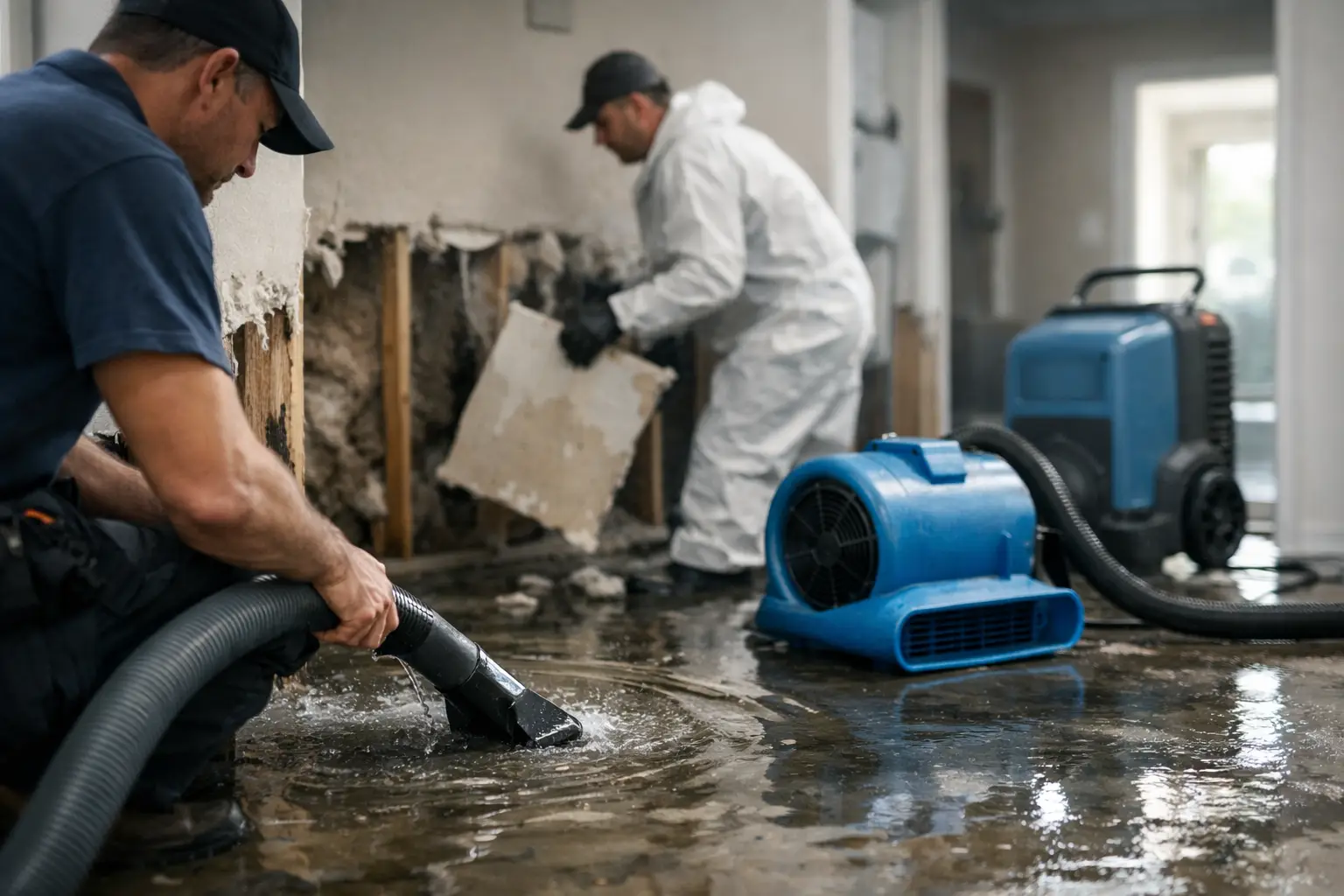
Water damage restoration is centered on removing water, stabilizing the environment, and preventing secondary damage. Mold remediation is a controlled process designed to remove active mold growth, contain affected areas, and address the underlying moisture conditions that allowed it to spread.
In practice, that means remediation typically involves more than cleaning a stained surface. It may require containment barriers, air filtration, selective demolition, disposal of impacted porous materials, detailed cleaning of nearby surfaces, and post-work verification depending on the building’s needs and the severity of the loss.
This is where many property teams lose time. A leak gets patched, fans are set, and everyone assumes the issue is closed. Then paint bubbles reappear, odor returns, or a new resident notices discoloration inside a closet. At that point, the job becomes more disruptive than it would have been with a faster and more accurate assessment.
Signs a leak has likely crossed into remediation territory
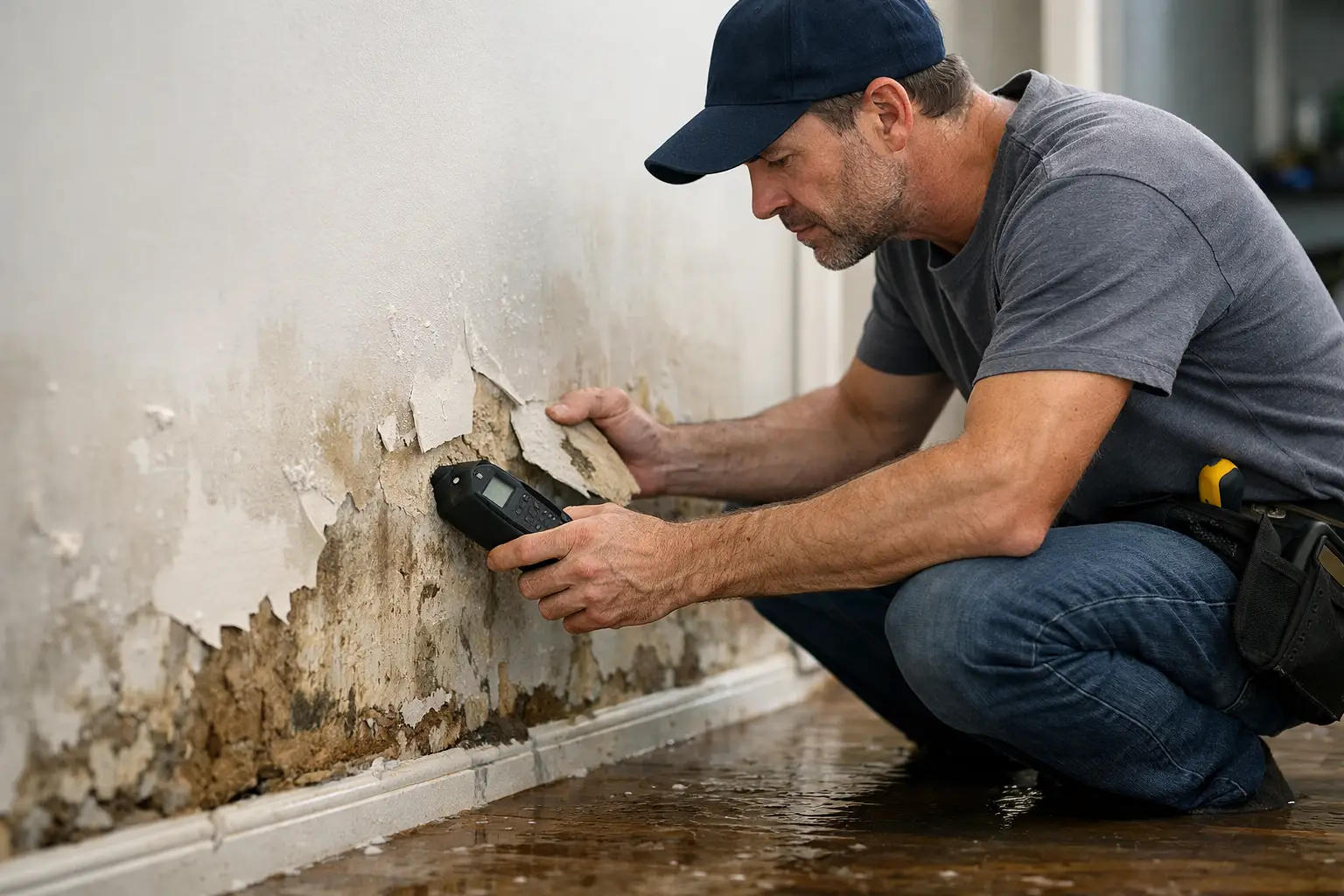
Visible mold is the clearest sign, but it is not the only one. A unit can have a hidden mold condition even when the surface damage looks limited. Persistent musty odor, recurring staining, warped finishes, soft drywall, or repeated moisture readings in the same assembly all suggest the leak caused more than cosmetic damage.
Leaks that affect porous materials are especially concerning. Drywall, insulation, acoustic ceiling tile, laminate underlayment, and some cabinetry components can hold moisture and support growth even after the surrounding space feels dry. Carpet is another gray area. If wet carpet and pad are addressed immediately, they may be salvageable in some cases. If they remain damp too long, particularly in enclosed or poorly ventilated areas, remediation steps may be warranted.
The source also matters. Clean water from a supply line break presents a different risk profile than water from a roof leak carrying debris, repeated exterior intrusion, or an overflow involving contaminated water. The more complex the source, the more cautious the response should be.
Timing is often the deciding factor
In property operations, delays are expensive. If the leak happened overnight, over a holiday weekend, or in a vacant unit that sat unchecked, the likelihood of mold rises significantly. Even in Southern California, where many assume dry weather reduces risk, indoor moisture trapped in wall cavities and flooring systems can linger long enough to create problems.
That is why 24/7 emergency response is not just a convenience. It is often the difference between a straightforward dry-out and a remediation project with added demolition, occupant coordination, and insurance documentation.
Is mold remediation required after leaks in occupied units?
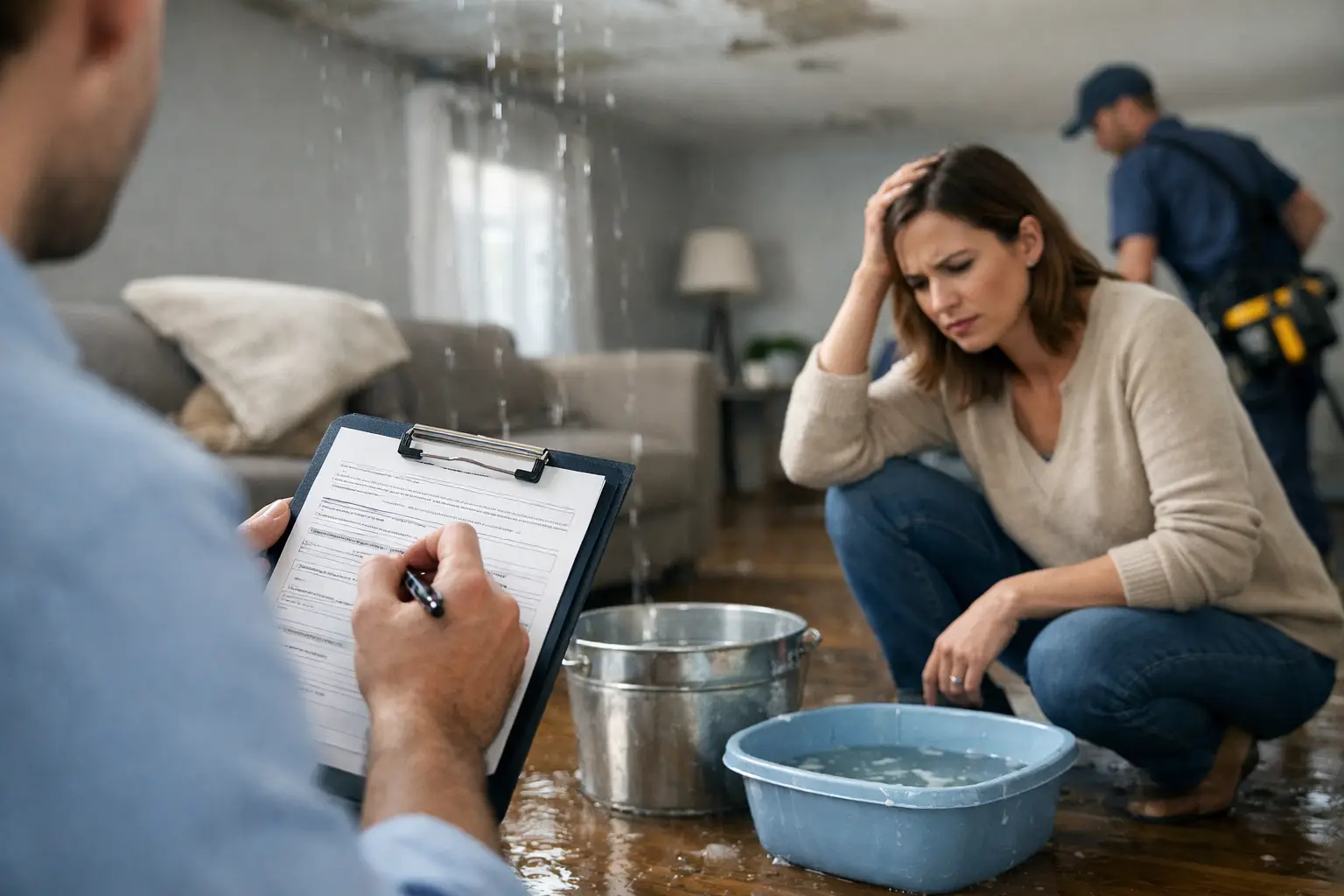
Occupied units add another layer of urgency. Tenants may notice odor before visible mold appears, and they may reasonably ask for confirmation that the area has been properly addressed. From a management standpoint, the goal is to protect resident health concerns, limit disruption, and document that the response met professional standards.
Not every occupied-unit leak requires full containment or relocation, but some do. It depends on the extent of moisture migration, whether mold is present, and whether work will disturb affected materials. Opening a small section of drywall after a quickly addressed leak is different from removing widespread mold-damaged finishes in a bedroom, bathroom chase, or hallway ceiling.
Communication matters here. The most effective response is usually one coordinated vendor who can assess water damage, determine whether remediation is necessary, manage demolition if needed, and move the space toward restoration without handing the file off to multiple contractors. That single-source accountability tends to reduce downtime and confusion for both management and residents.
What property managers should do immediately after a leak
The first priority is always stopping the source and documenting the loss. After that, speed matters more than appearance. A dry-looking wall is not proof that the assembly behind it is dry.
Professional moisture mapping is essential because leaks rarely stay where they first appear. Water can travel along framing, into insulation, under vinyl planks, or across slab edges before surfacing. If your team skips that step, the building may carry hidden moisture long after visible water is gone.
From there, the right response depends on findings. If materials are wet but clean and recently affected, targeted drying may be enough. If readings remain elevated, odor develops, or microbial growth is found, the scope should shift accordingly. Waiting to see what happens is usually the costlier choice.
Documentation protects the asset
For commercial clients, HOA boards, and multifamily operators, documentation is not just administrative. It supports insurance coordination, helps defend maintenance decisions, and creates a record of due diligence. Moisture readings, photos, affected-area notes, and scope updates all matter when questions arise later.
This is one reason experienced property partners are valued in emergency work. They understand that the job is not finished when the water is extracted. The job is finished when the building is dry, the risk is addressed, and the property team has the documentation needed to move forward confidently.
Common mistakes that make remediation more likely
One common mistake is treating every leak as routine maintenance. A small angle-stop failure under a sink may seem minor, but if water runs into cabinets, drywall, and flooring overnight, the impact can be much larger than the visible puddle suggests.
Another mistake is relying on surface cleaning alone. Wiping discoloration or repainting a water mark may improve appearance temporarily, but it does not remove hidden growth inside materials. If the moisture source and affected assemblies are not properly addressed, the issue often returns.
The third mistake is fragmented vendor management. When plumbing, drying, demolition, and reconstruction are all handled separately without clear coordination, gaps appear. Those gaps are where delays, missed moisture pockets, and disputed responsibility tend to happen.
The practical standard: assess first, remediate when conditions demand it
So, is mold remediation required after leaks? Sometimes yes, sometimes no. The right answer depends on how quickly the leak was stopped, how far moisture traveled, what materials were affected, and whether growth has already started.
For property professionals, the safest approach is not to assume either outcome. It is to get a qualified assessment quickly, verify drying with real measurements, and escalate to remediation when the evidence supports it. That protects the building, supports tenant confidence, and helps avoid the much bigger disruption that comes from reopening a problem unit later.
For portfolios that need speed, compliance, and one accountable partner, that disciplined response is what keeps a leak from becoming a recurring claim, a prolonged vacancy, or a preventable capital issue. A fast decision is helpful, but a well-informed one is what protects the asset long after the water is gone.