A musty odor in one unit can be a warning sign for a larger building issue. In multifamily and commercial properties, mold rarely affects only the surface where it is first noticed. A failed supply line, roof leak, slab moisture issue, or poorly dried water loss can allow moisture to travel behind walls, beneath flooring, or through shared building systems. A disciplined mold remediation process helps property teams protect occupants, preserve asset value, and avoid turning a manageable repair into a prolonged vacancy or liability concern.
For property managers, HOA boards, and building owners, the goal is not simply to remove visible mold. The goal is to identify the moisture source, limit contamination, perform the correct removal work, and return the affected space to a clean, dry, rent-ready condition.
Why Mold Requires a Building-Level Response
Mold needs moisture and an organic material to grow. Drywall paper, wood framing, carpet backing, insulation, dust, and fabric can all support growth when water intrusion is left unresolved. Southern California properties face a range of risks, from aging plumbing and roof penetrations to appliance overflows and storm-related water damage.
The operational challenge is that visible growth does not always show the full extent of the problem. A stain beneath a bathroom vanity may connect to moisture behind a wall. Damp carpet in a ground-floor unit may indicate a slab or plumbing issue. In an apartment community, water can also migrate between units, creating a need for coordinated access, communication, and repairs.
A fast response matters, but speed without proper containment and documentation can create more disruption. The right approach balances urgency with a clear scope of work, especially when occupied units, common areas, insurance claims, or upcoming turnovers are involved.
The Mold Remediation Process, Step by Step
1. Assess the affected area and find the moisture source
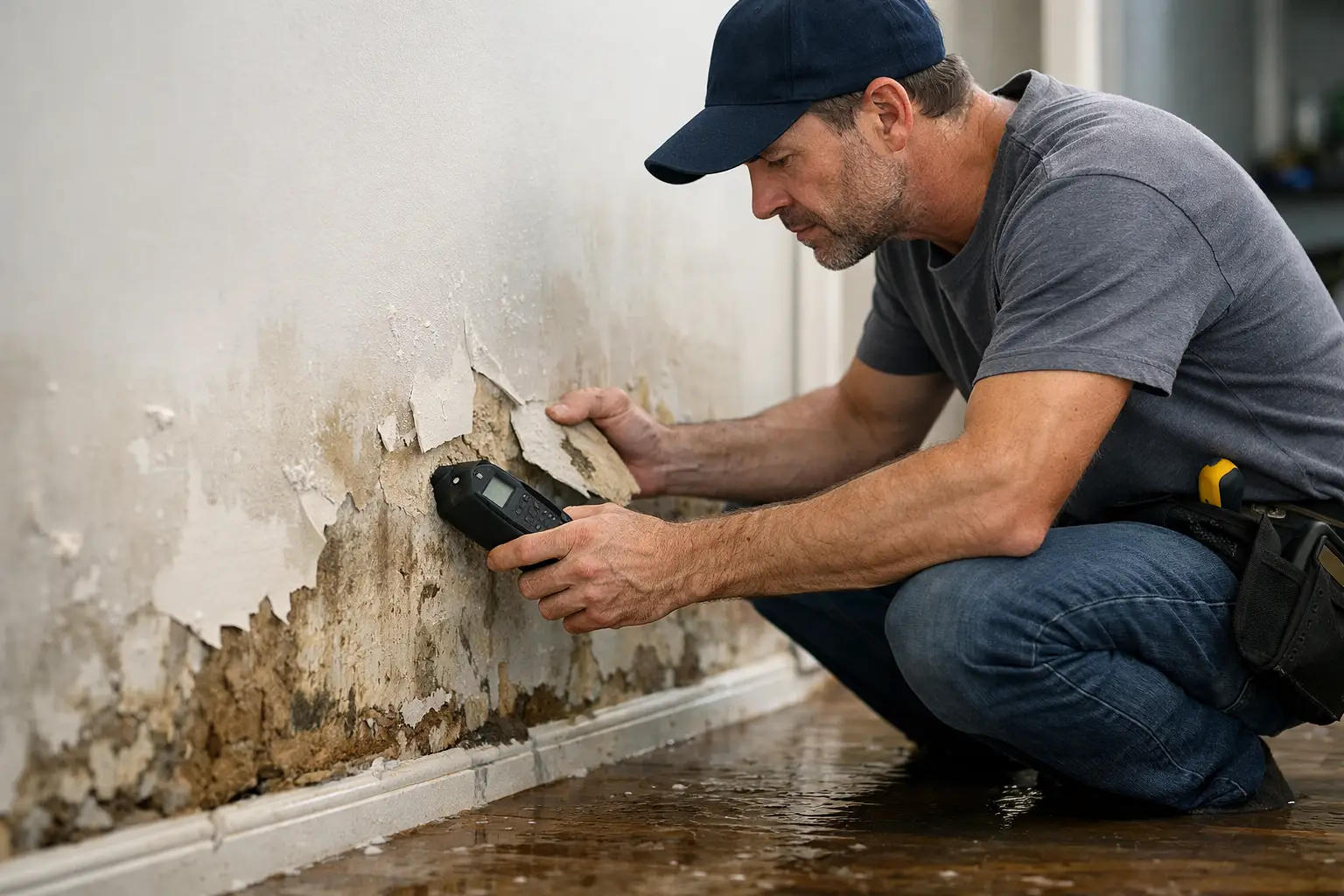
The first step is an on-site assessment. A qualified restoration and property services team evaluates visible conditions, affected materials, moisture levels, and likely pathways of water intrusion. This can include checking walls, flooring, cabinetry, ceilings, plumbing fixtures, HVAC-adjacent areas, and neighboring units when appropriate.
The source of moisture must be addressed before remediation is complete. Cleaning a mold-affected wall while a pipe continues to drip behind it only delays the next failure. Depending on the situation, the corrective work may involve plumbing repairs, roof repairs, exterior sealing, drainage corrections, appliance replacement, or repairs to building systems.
For larger or more complex losses, an independent environmental assessment may be appropriate to define the extent of contamination and establish a remediation protocol. This is particularly useful when there are widespread conditions, sensitive occupants, disputed responsibility, or insurance requirements.
2. Document conditions before work begins
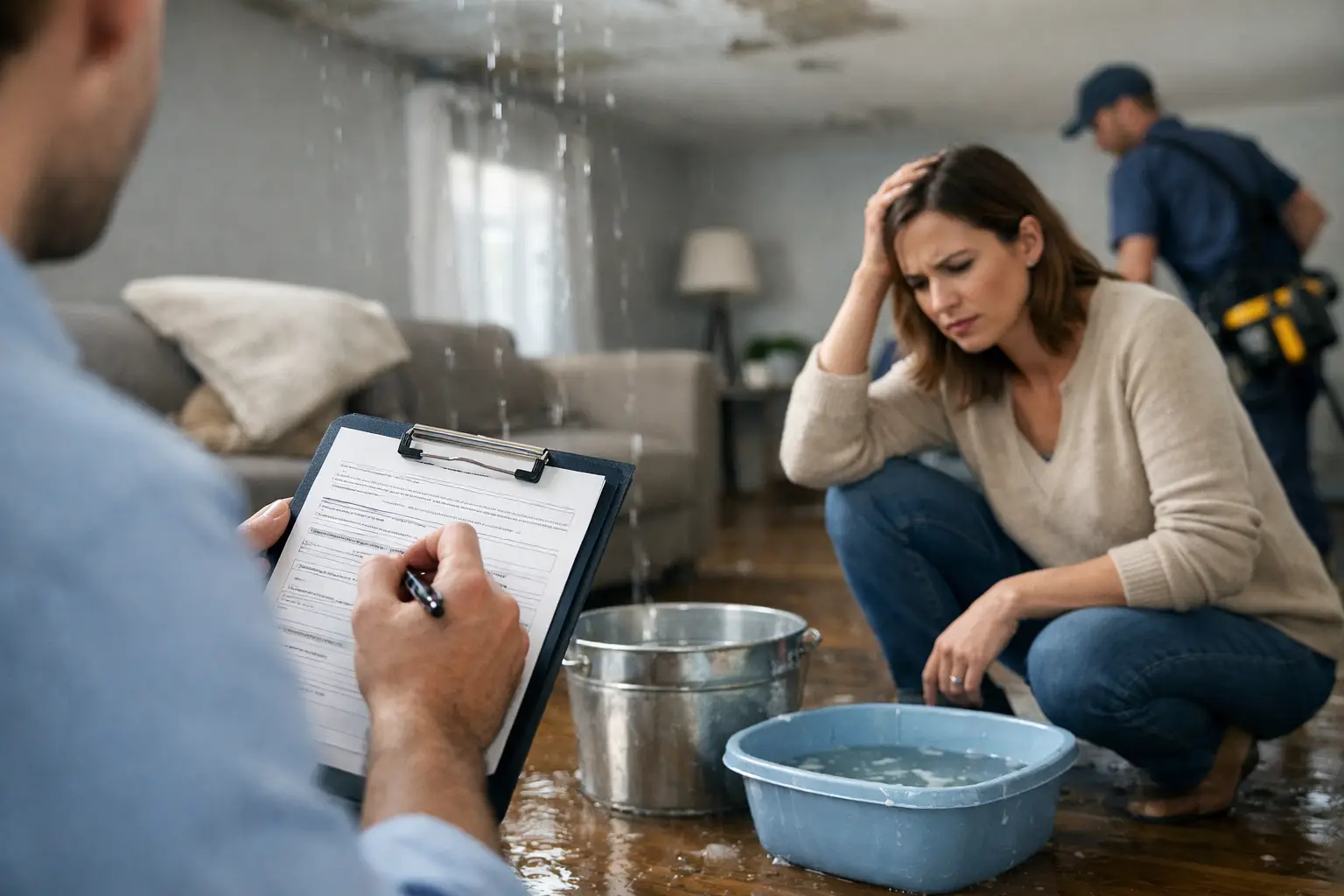
Good documentation protects the property owner and keeps the project organized. The initial record should include photos of affected areas, moisture readings, the probable cause of loss, a proposed scope, and any immediate safety measures taken.
For managed portfolios, documentation also helps teams communicate with ownership, insurers, tenants, and maintenance staff. It creates a clear record of what was discovered, what was removed, what was repaired, and when the area was cleared for reconstruction or reoccupancy.
3. Establish containment and protect unaffected areas
Mold remediation is not a standard cleaning task. Disturbing contaminated materials without proper controls can spread particles into adjacent rooms, hallways, or shared air pathways.
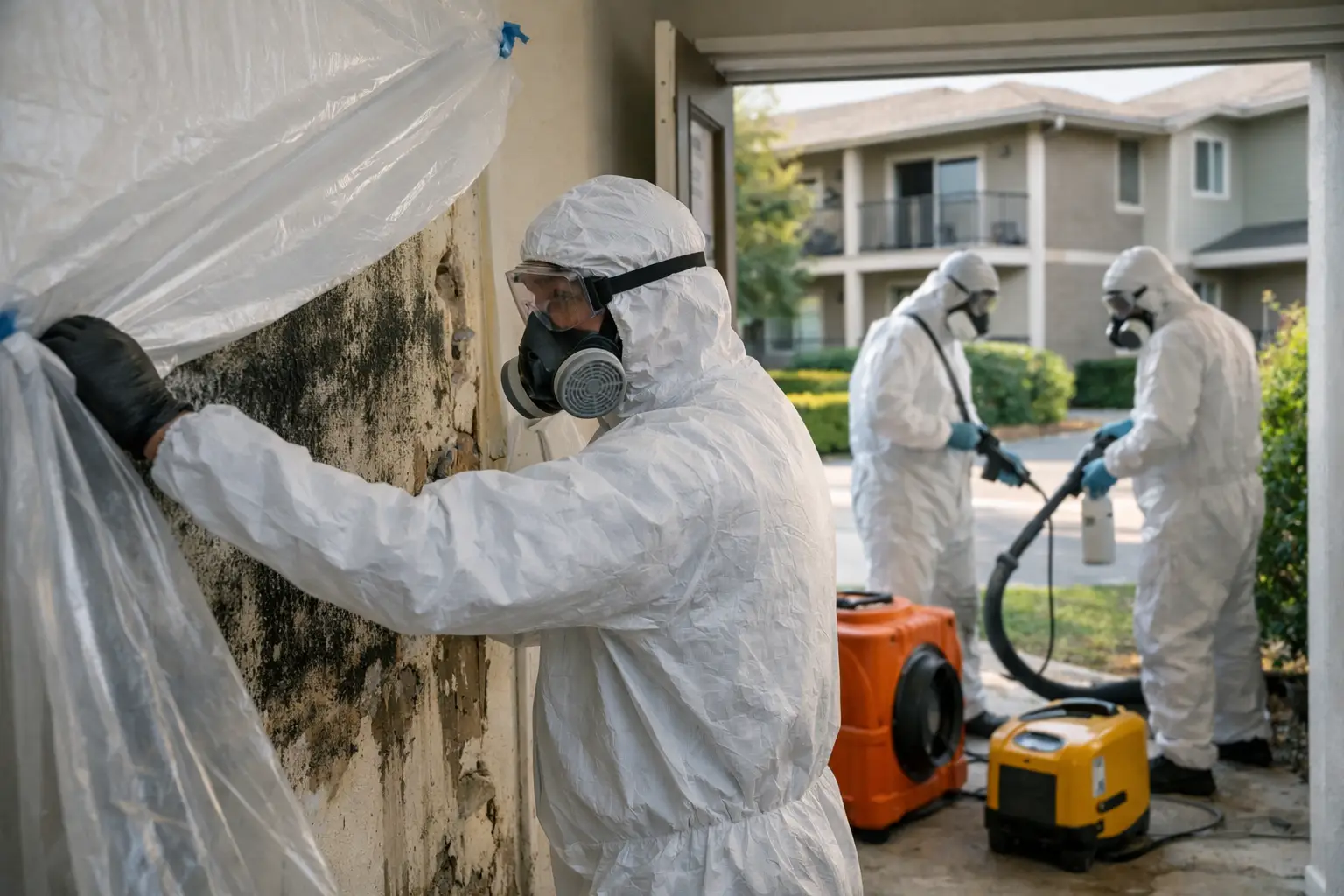
Containment creates a controlled work zone. Depending on the size and location of the affected area, this may include plastic barriers, sealed access points, protective floor coverings, and negative air equipment designed to keep airborne particles from moving into clean areas. Workers should use appropriate personal protective equipment and follow procedures suited to the conditions on site.
In occupied properties, containment also reduces disruption. It helps preserve clean portions of the unit and limits the scope of temporary relocation, when relocation is necessary.
4. Remove damaged and contaminated materials
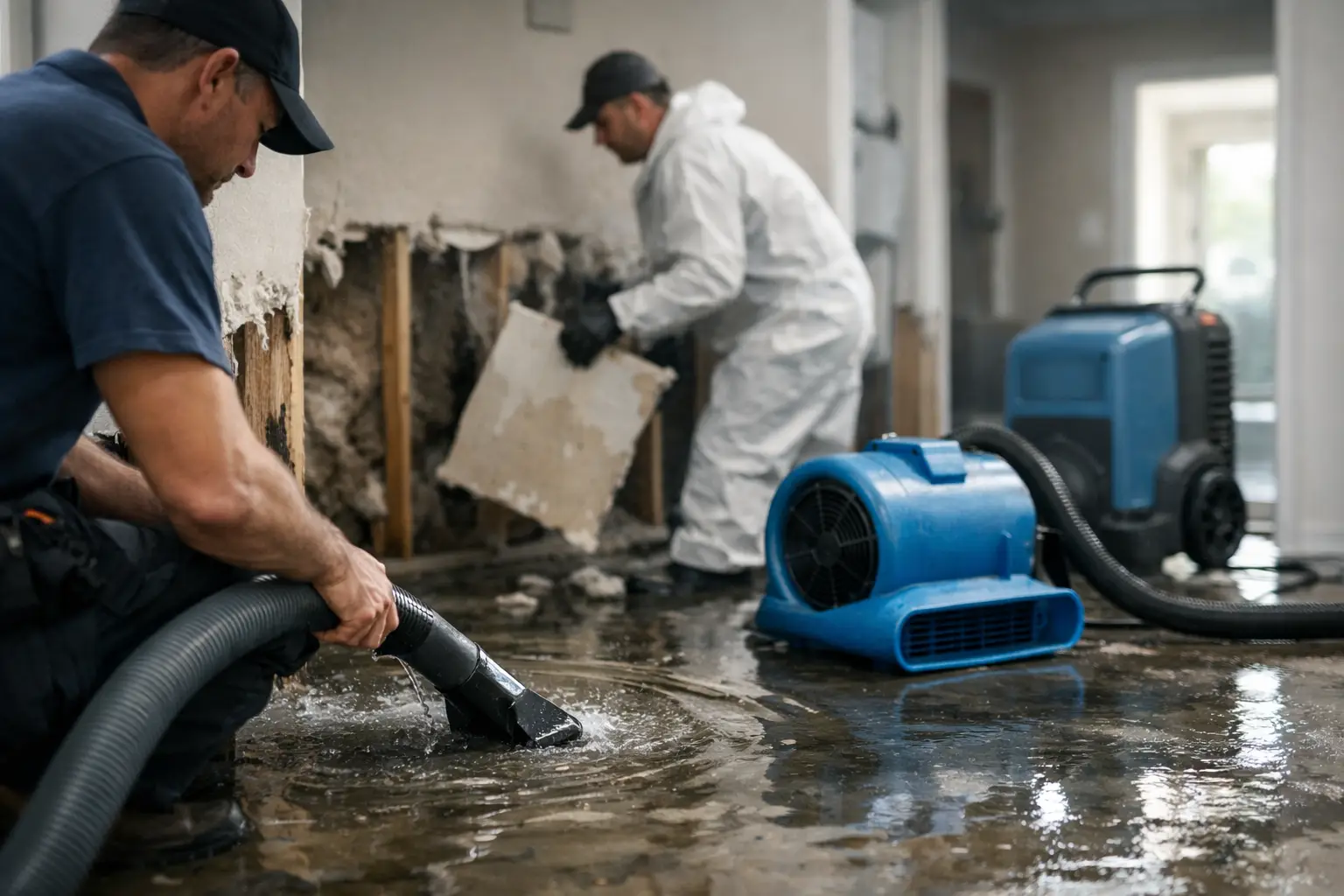
Porous materials that are heavily affected or cannot be fully cleaned may need removal. Common examples include wet drywall, insulation, carpet pad, damaged baseboards, particleboard cabinetry, and portions of wood flooring. Nonporous materials may be cleaned and restored when their condition allows.
This is where experience matters. Removing too little can leave behind damaged materials and trapped moisture. Removing too much can unnecessarily increase costs, reconstruction time, and tenant disruption. The proper scope depends on the material, moisture history, visible growth, accessibility, and the recommendations of the project assessment.
All removed materials should be handled carefully and taken out through controlled pathways. For multifamily properties, this planning is essential to protect corridors, elevators, neighboring units, and common areas from avoidable damage or contamination.
5. Clean, dry, and verify the work area
After removal, the remaining structure is cleaned using methods appropriate for the surfaces and conditions. HEPA vacuuming and detailed cleaning are commonly used to capture fine particles from framing, subfloors, and other retained materials.
Drying is just as critical as cleaning. Moisture monitoring should continue until affected building materials reach acceptable dry standards. A wall cavity may look clean yet remain damp enough to support future growth. Dehumidification, air movement, and controlled drying methods are selected based on the building layout, materials, and the source of water.
For projects governed by an environmental protocol, post-remediation verification may be conducted before rebuilding begins. This additional step can provide confidence that the remediation area meets the required clearance criteria.
6. Rebuild with turnover timelines in mind
Remediation is only one part of returning a unit or commercial space to service. Once the area is dry and cleared for reconstruction, the property may need drywall installation, texture and paint, flooring replacement, cabinet repair, baseboard installation, fixture work, and final cleaning.
Working with a single, fully licensed, bonded, and insured general contractor can simplify this phase. Instead of coordinating a restoration crew, flooring vendor, painter, cleaner, and maintenance provider separately, property teams can keep accountability under one project plan. That reduces handoff delays and helps move a unit from water loss to rent-ready condition with fewer scheduling gaps.
What Property Managers Should Avoid
The most common mistake is treating visible mold as a cosmetic issue. Bleach, paint, air freshener, or a quick wipe-down may temporarily change the appearance or odor, but none of these actions corrects hidden moisture or damaged porous materials.
Another avoidable problem is delaying action while waiting for a leak to become obvious. A small recurring moisture issue can quietly affect drywall, flooring, and framing over time. Maintenance teams should investigate recurring stains, peeling paint, warped baseboards, unexplained odors, and elevated humidity near plumbing or exterior walls.
Property managers should also avoid starting demolition before a clear scope and containment plan are in place. In a multi-unit building, uncontrolled work can expand the affected area, complicate insurance documentation, and create a larger operational burden than the original loss.
Coordinating Mold Work in Occupied Buildings
Occupied properties require more than technical remediation. Residents need clear, respectful communication about access times, work areas, expected noise, and any temporary restrictions. For bilingual communities, English and Spanish communication can prevent confusion and help work proceed without unnecessary delays.
A reliable contractor should coordinate closely with the property manager on notices, unit entry, parking, debris removal, daily progress, and final turnover. If water has affected multiple units or common areas, the team should also prioritize the work based on safety, active moisture, tenant impact, and risk of further building damage.
Insurance coordination can be equally valuable after a qualifying water loss. Organized photos, scopes, moisture records, and repair documentation can support a smoother claims process while the property team remains focused on residents and operations.
Choose a Partner That Can Finish the Job
Mold remediation is not complete when the visible growth is gone. The affected area must be dry, properly cleaned, repaired, and returned to a condition that supports safe occupancy and reliable building performance.
For Southern California property professionals, V&S Management Services Inc. provides the practical advantage of 24/7 urgent water damage response, remediation coordination, repairs, flooring, cleaning, and full reconstruction support through one accountable team. When a moisture issue appears, early action and a complete repair plan give your property the best chance to protect residents, minimize vacancy days, and move forward with confidence.