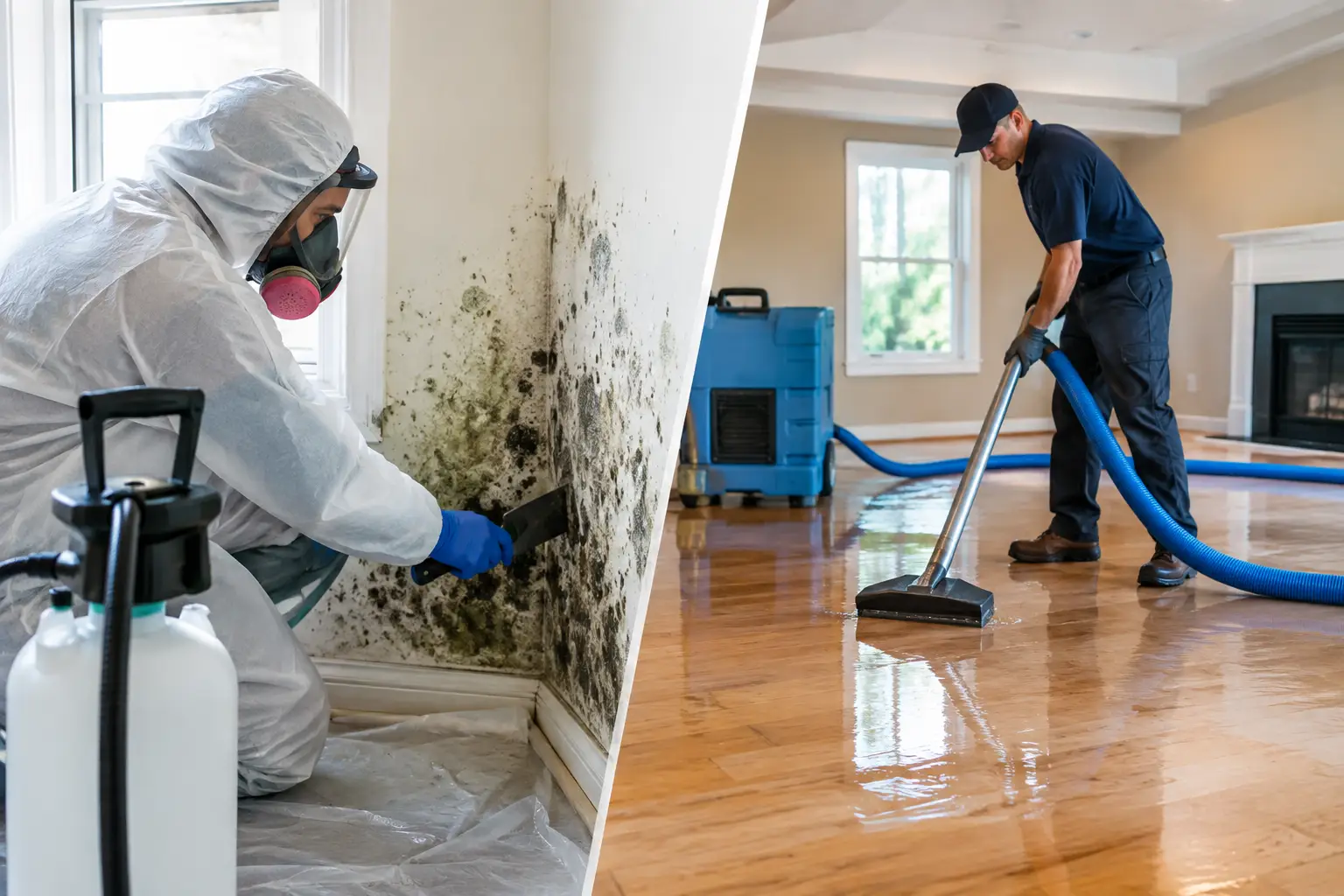
A ceiling stain in an occupied unit can look like a small maintenance issue until the drywall softens, flooring swells, and a musty odor appears days later. For property teams, understanding mold remediation versus water restoration helps determine the right first call, the right scope of work, and the fastest path back to a safe, rent-ready space.
The two services are closely connected, but they solve different problems. Water restoration focuses on stopping damage and drying affected materials after a leak, flood, overflow, or intrusion. Mold remediation addresses fungal growth that has already developed or may be present inside contaminated building materials. Acting quickly can prevent a water event from becoming a larger remediation project, but the correct response depends on the source, duration, materials affected, and conditions inside the property.
Mold Remediation Versus Water Restoration: The Core Difference
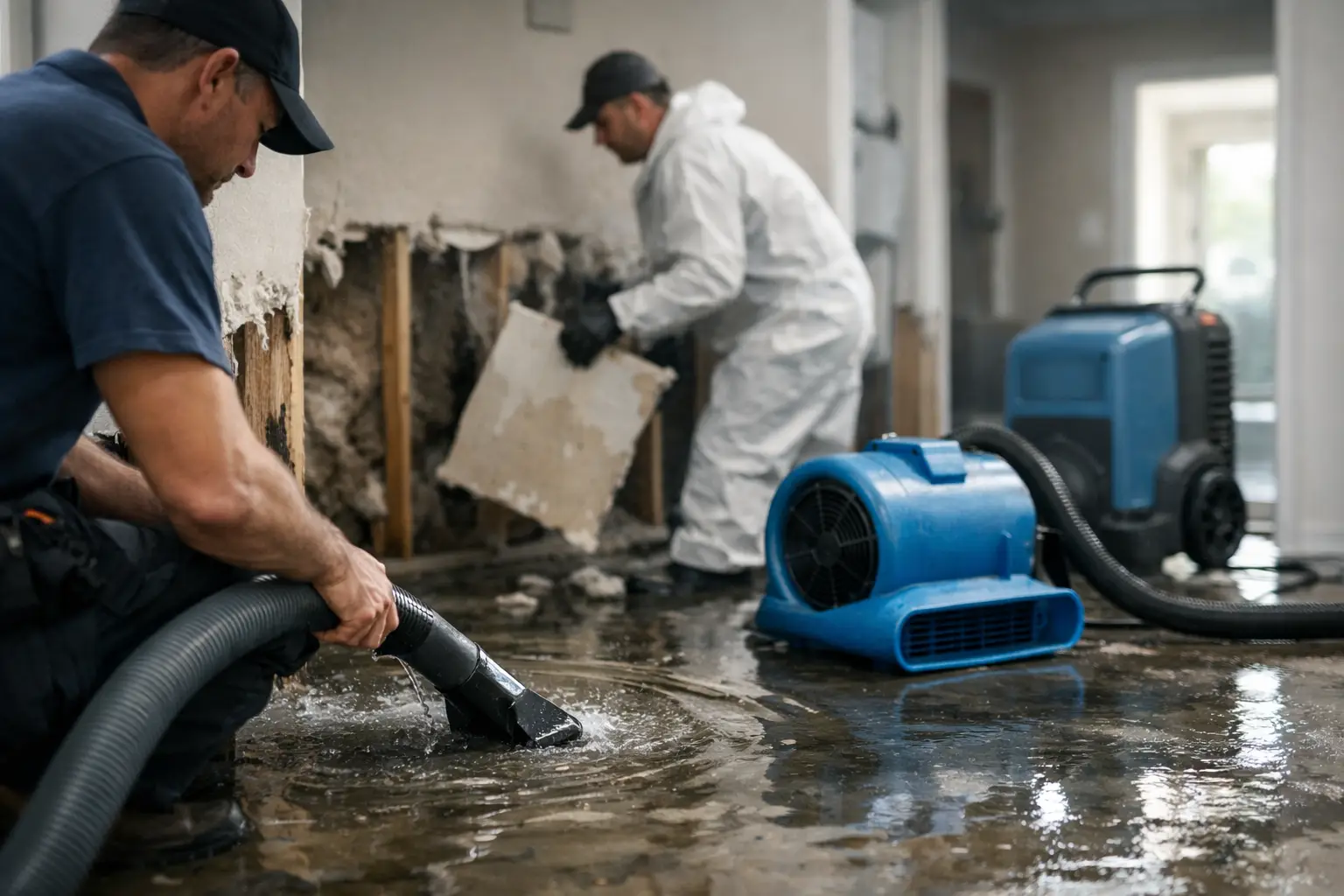
Water restoration is an emergency response and recovery process. Its purpose is to control the source of water, remove standing water, dry structural materials, document conditions, and limit further damage. In a multi-unit property, this may involve extracting water from carpet, removing wet baseboards, setting drying equipment, checking moisture inside walls, and identifying whether water migrated into neighboring units or common areas.
Mold remediation is a containment and removal process. It is used when mold growth is present, when materials cannot be properly cleaned and dried, or when moisture conditions have persisted long enough to create a credible mold concern. The work may include isolating the affected area, using controlled air filtration, removing contaminated drywall or insulation, cleaning salvageable structural surfaces, and correcting the moisture condition that allowed growth.
Put simply, water restoration manages the event. Mold remediation manages the biological consequence of unresolved or prolonged moisture.
That distinction matters because drying a building does not automatically remove existing mold growth. On the other hand, seeing a small amount of surface mold does not always mean a full-scale demolition is required. A qualified assessment should match the scope of work to the actual conditions, not assumptions.
When Water Restoration Is the Immediate Priority
Water restoration should begin as soon as practical after a plumbing failure, roof leak, appliance overflow, fire-sprinkler discharge, or storm-related intrusion. The first hours can determine whether materials are saved or replaced and whether a tenant displacement becomes necessary.
For property managers, the early priorities are straightforward: stop the source, protect occupants, document the damage, and begin controlled drying. A restoration team should identify the affected units and materials, extract water where needed, establish drying conditions, and monitor moisture until the structure reaches an acceptable dry standard.
Fast action is especially valuable in multi-family and commercial properties because water rarely stays in one place. It can travel through wall cavities, under flooring, along framing, and into lower units. What appears to be a localized kitchen supply-line leak may affect cabinetry, subflooring, drywall, electrical areas, and the ceiling below.
Water category also affects the response. Clean water from a broken supply line is handled differently from water involving sewage, toilet overflows, or other contaminated sources. Contaminated water can require removal of materials that might otherwise be dried and saved. This is one reason a simple visual inspection is not enough to define the scope.
When Mold Remediation Becomes Necessary
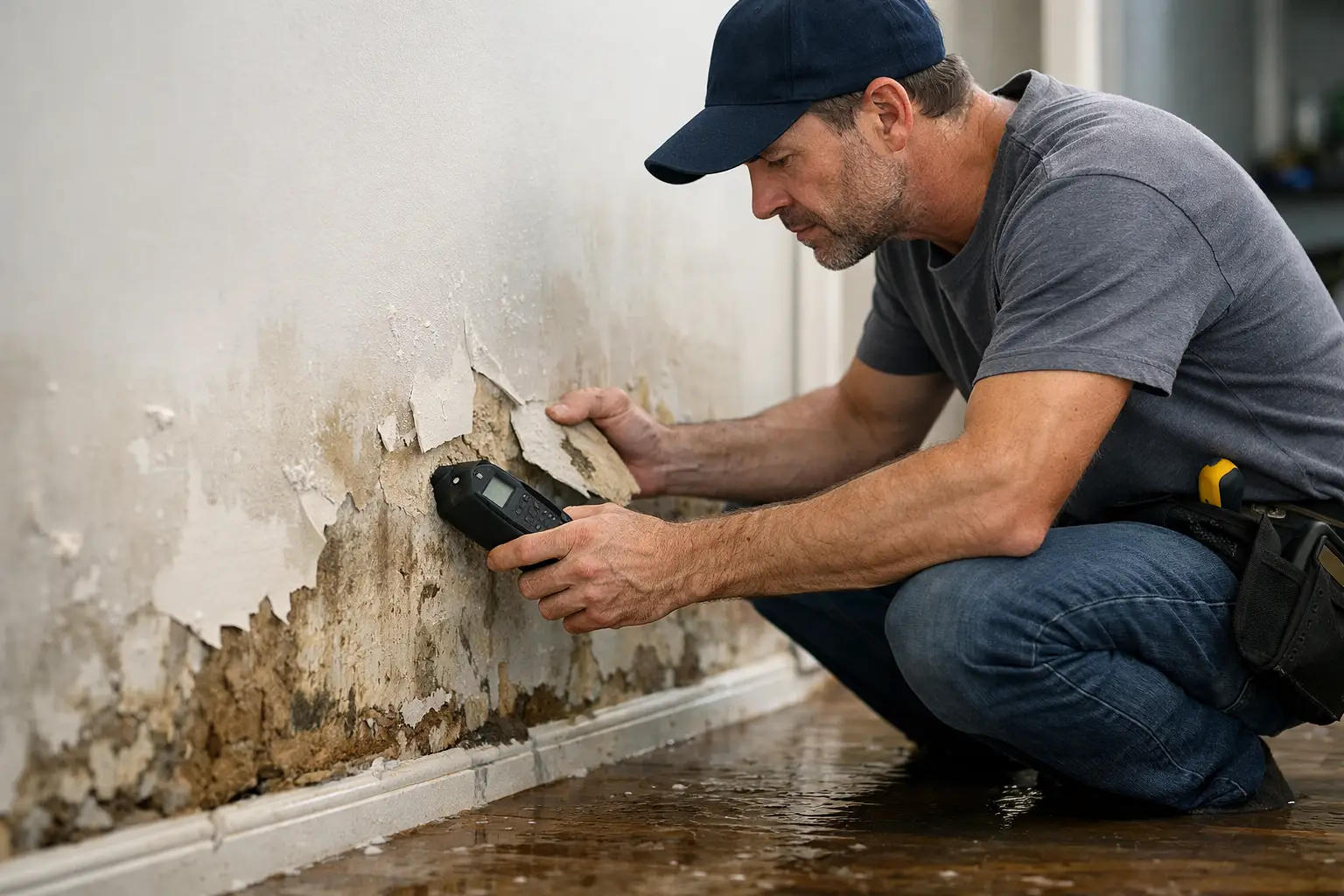
Mold remediation becomes more likely when water damage was hidden, drying was delayed, a leak continued over time, or building materials remained wet. The concern often arises after residents report an odor, paint begins to bubble, flooring changes shape, or maintenance discovers staining behind a vanity, under a sink, or inside a wall.
Porous materials are particularly vulnerable. Drywall, insulation, carpet padding, ceiling tile, and some engineered flooring products can hold moisture and support growth when conditions remain favorable. Nonporous surfaces may often be cleaned, but the correct approach depends on the extent of growth and whether moisture has reached surrounding materials.
A mold project should not focus only on what is visible. If a wall shows discoloration around a recurring plumbing leak, the investigation may need to extend behind the surface. Removing only the visible portion without addressing damp insulation, framing, or the active leak can lead to a repeat issue and another disruption for the resident.
For occupied properties, containment is a major part of the process. Properly separating the work area helps reduce the chance of spreading dust or spores into unaffected areas. The work sequence may include protecting adjacent finishes, removing impacted materials under containment, cleaning the remaining surfaces, verifying that the moisture source has been corrected, and rebuilding the area for turnover or reoccupancy.
Why the Sequence Matters for Property Operations
The most efficient response is often not water restoration or mold remediation. It is water restoration first, followed by targeted remediation if the conditions warrant it.
Consider a pipe leak discovered within hours. If the source is stopped and wet materials are professionally dried promptly, mold remediation may never be needed. That outcome can preserve finishes, reduce insurance complexity, and shorten the time a unit is out of service.
Now consider a slow leak beneath a second-floor bathroom that has been active for weeks. The immediate water source still needs correction, but the work may also require opening affected assemblies, removing damaged materials, containing mold-impacted areas, and rebuilding portions of both units. Treating this as a drying-only project can leave hidden damage behind. Treating it as remediation without fixing the plumbing source guarantees the problem will return.
This is where single-source accountability is valuable. Property managers need clear communication between emergency response, demolition, moisture control, reconstruction, and claim documentation. Handing each phase to a different vendor can create gaps in responsibility, conflicting scopes, and delays that extend vacancy days.
What Property Managers Should Document
Good documentation supports faster decisions, stronger communication with ownership, and smoother insurance coordination. It also creates a record if questions arise later about scope, tenant notices, or prior conditions.
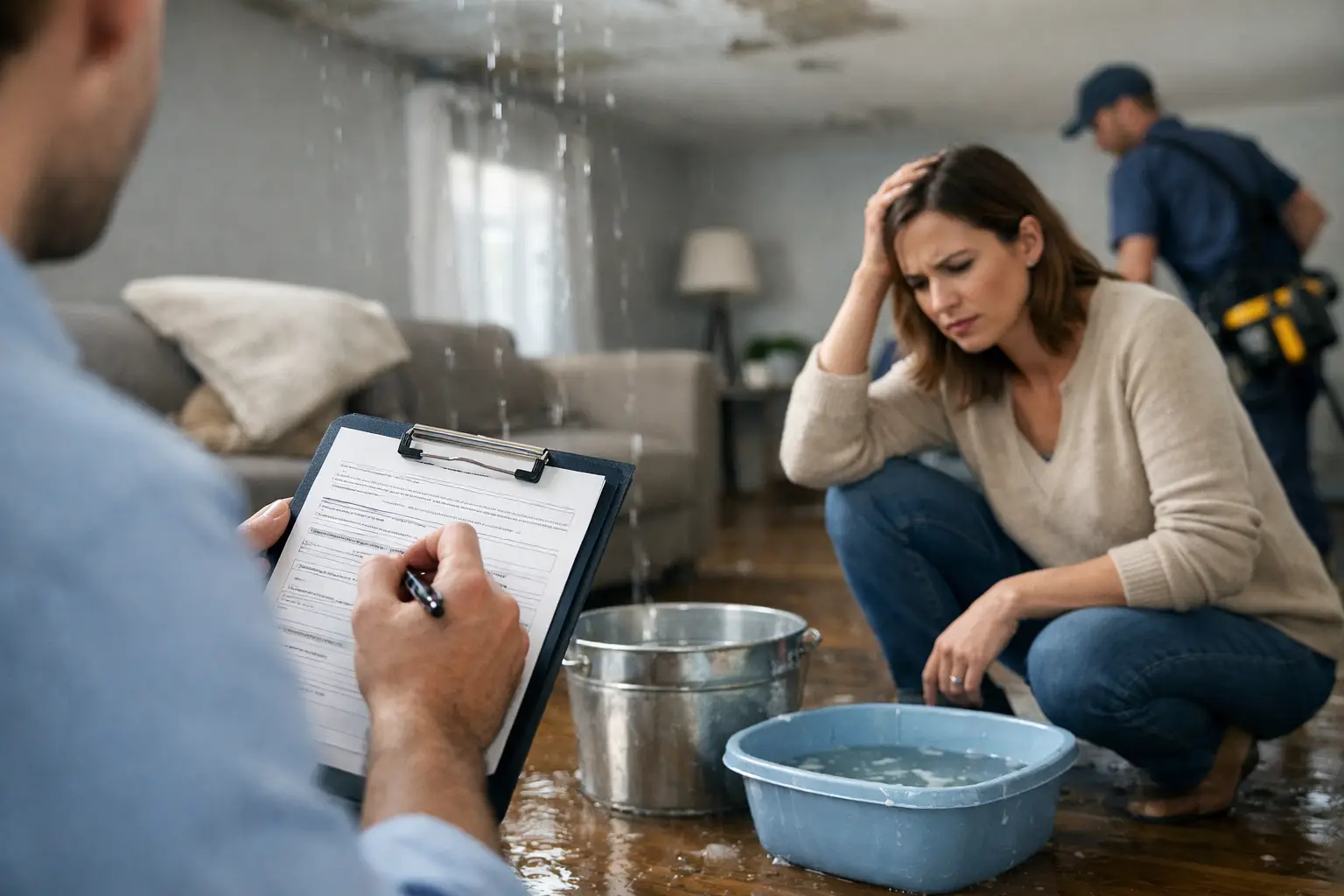
At minimum, maintain records of the reported date and time, source of loss, affected locations, photographs, moisture findings, equipment placement, daily drying progress, removed materials, and repair recommendations. If tenants are affected, document communications, access arrangements, and any temporary protective measures.
For insurance-related losses, early documentation is particularly useful. The carrier may need evidence of the cause, extent of damage, mitigation steps, and repairs. A contractor that understands claim coordination can help keep the documentation organized while the property team remains focused on residents, owners, and operations.
Choosing the Right Partner for Both Services
The best partner is not simply the first vendor with drying equipment. For multi-unit and commercial properties, look for a fully licensed, bonded, and insured contractor that can respond urgently, communicate clearly, and manage the project through completion.
Ask whether the team can identify hidden moisture, provide a defined scope, coordinate with insurance representatives, protect occupied areas, and complete reconstruction after mitigation. Bilingual communication can also make a meaningful difference when coordinating access and updates across Southern California communities.
V&S Management Services Inc. supports property professionals with 24/7 urgent water damage restoration and integrated repair capabilities, reducing the handoffs that commonly slow down recovery work. Whether a project requires only drying or a more involved remediation and rebuild plan, the goal should be the same: protect the asset, reduce disruption, and return the space to service with confidence.
A water loss does not have to become a long-term building problem. Address the source quickly, verify that materials are truly dry, and investigate persistent odors or hidden damage before the next turnover exposes a larger issue.