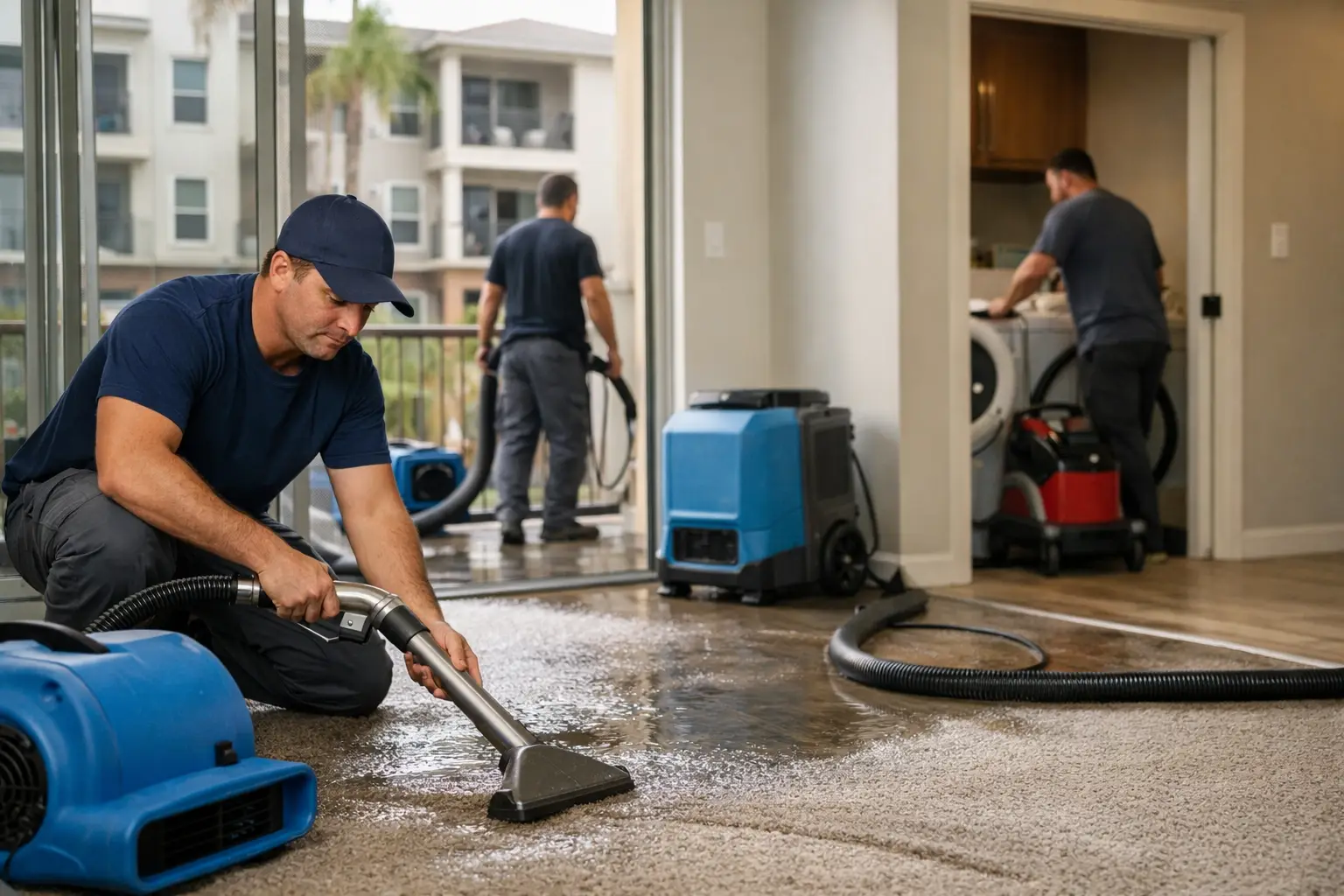
A supply-line break on the third floor can become a portfolio problem before the morning maintenance meeting. Water moves through wall cavities, under flooring, and into lower units long before the visible puddle tells the full story. For property managers and building owners, Orange County water extraction is not simply about removing standing water. It is a time-sensitive process that protects occupants, limits business interruption, supports an insurance claim, and helps return units or commercial spaces to service faster.
The first few hours shape the outcome. Delays can allow moisture to spread into drywall, insulation, subflooring, cabinetry, and common-area finishes. A qualified response should combine emergency water removal with careful documentation, moisture monitoring, drying, and a clear plan for repairs. That level of coordination matters most in apartments, HOA communities, retail spaces, offices, and other properties where one water event can affect multiple stakeholders.
Why Water Extraction Needs a Fast, Managed Response
Water damage is rarely contained to the point where it began. A failed appliance hose may damage one kitchen, but water can reach adjacent walls, a downstairs ceiling, flooring, electrical components, and personal property. In a commercial building, a roof leak or plumbing failure can disrupt tenant operations and create safety concerns in common areas.
Fast extraction reduces the time materials remain saturated. It can help preserve finishes that might otherwise require replacement, but the right approach depends on the source and category of water, the affected materials, and how long the area has been wet. Clean water from a fresh supply-line failure may allow for more salvageable materials than water from a drain backup or exterior flooding. The latter situations require more cautious containment, cleaning, and disposal procedures.
Speed should never mean rushing past the assessment. Removing visible water is only one part of the job. Moisture trapped beneath vinyl plank flooring, inside walls, or under baseboards can continue causing damage after a space appears dry. A managed response identifies those hidden areas early, sets drying equipment appropriately, and verifies progress before restoration work begins.
The First Call Should Establish Control
When water is actively flowing, the immediate priority is to stop the source if it is safe to do so. Shut off the local fixture valve, building water supply, or affected irrigation line as appropriate. If water is near electrical equipment, outlets, or panels, keep people clear and involve qualified professionals before entering the area.
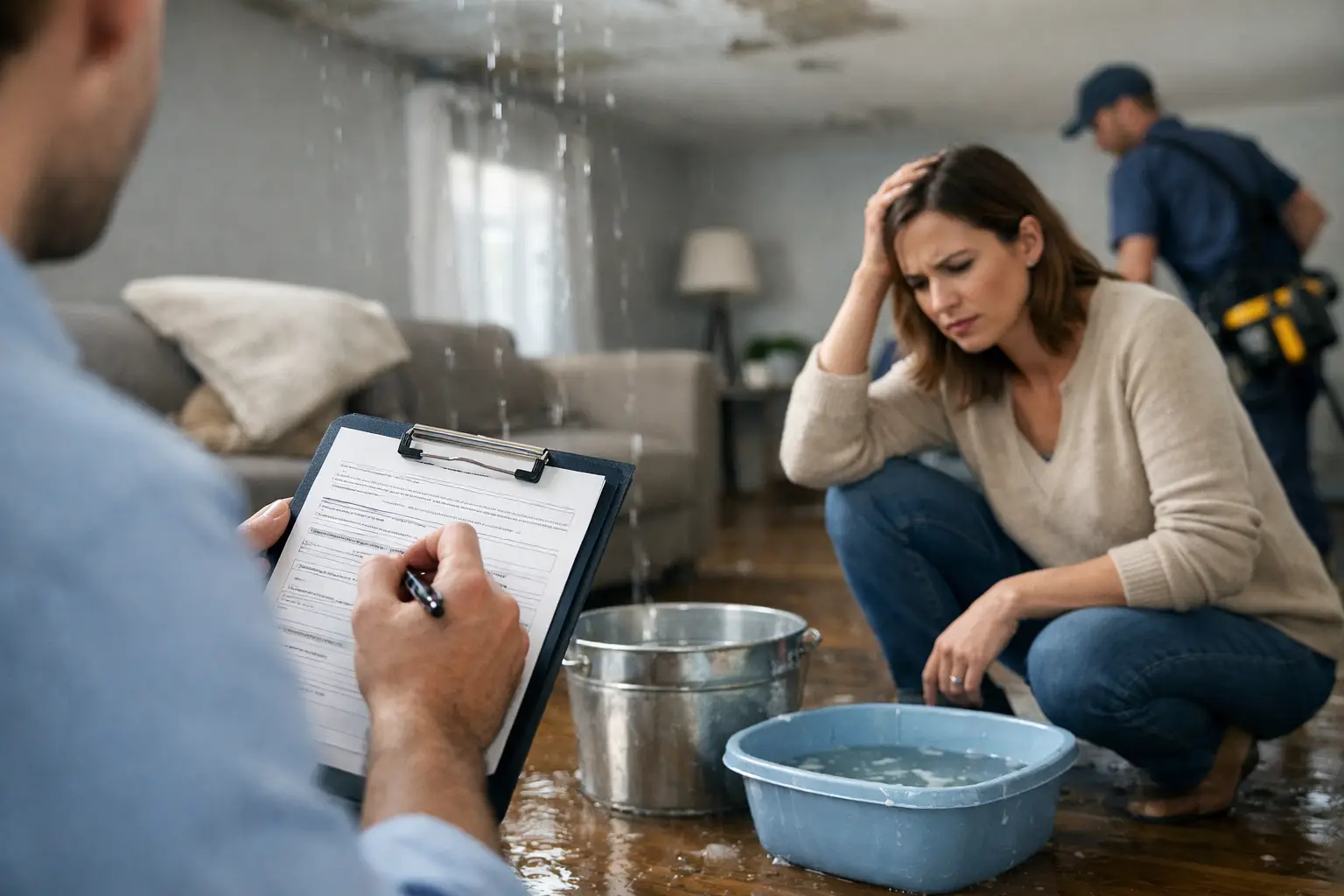
Property teams should document the initial condition with photos and note the time the leak was discovered, affected units, and any emergency actions taken. This record can be valuable when communicating with ownership, residents, tenants, and insurance representatives. It also gives the restoration team a clearer starting point upon arrival.
A 24/7 emergency response partner should then assess the scope, identify immediate safety issues, begin extraction, and establish a drying plan. For multi-unit properties, communication is part of the emergency service. Managers need to know which units are affected, whether access is required, what equipment will remain onsite, and when occupants can safely re-enter affected spaces.
What Professional Orange County Water Extraction Includes
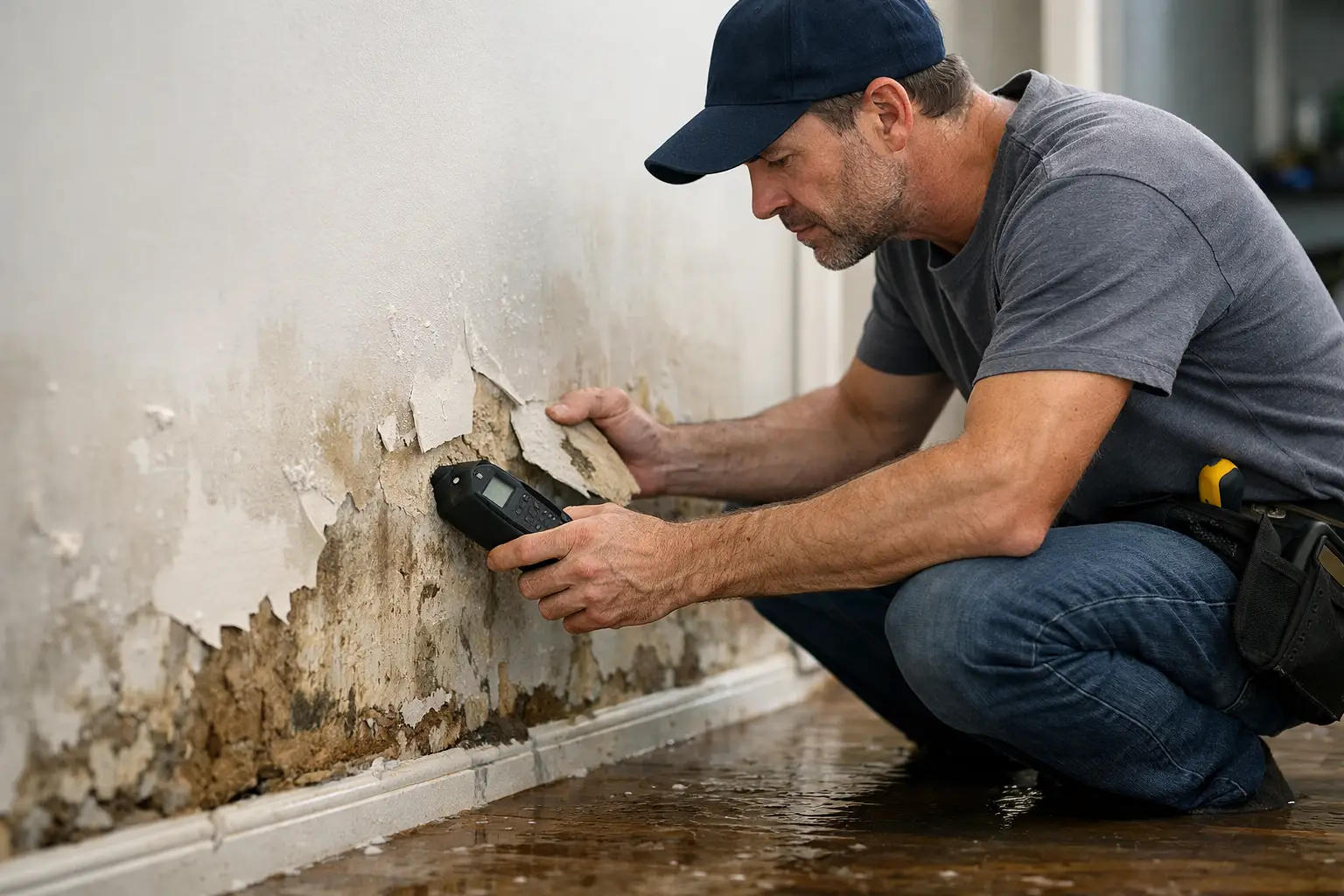
Effective Orange County water extraction is a sequence of decisions, not a single machine placed on a wet floor. The work generally begins with a site inspection to identify the water source, affected materials, migration paths, and potential hazards. Technicians use moisture-detection methods to evaluate visible and concealed damage, helping prevent a partial response that leaves wet building materials behind.
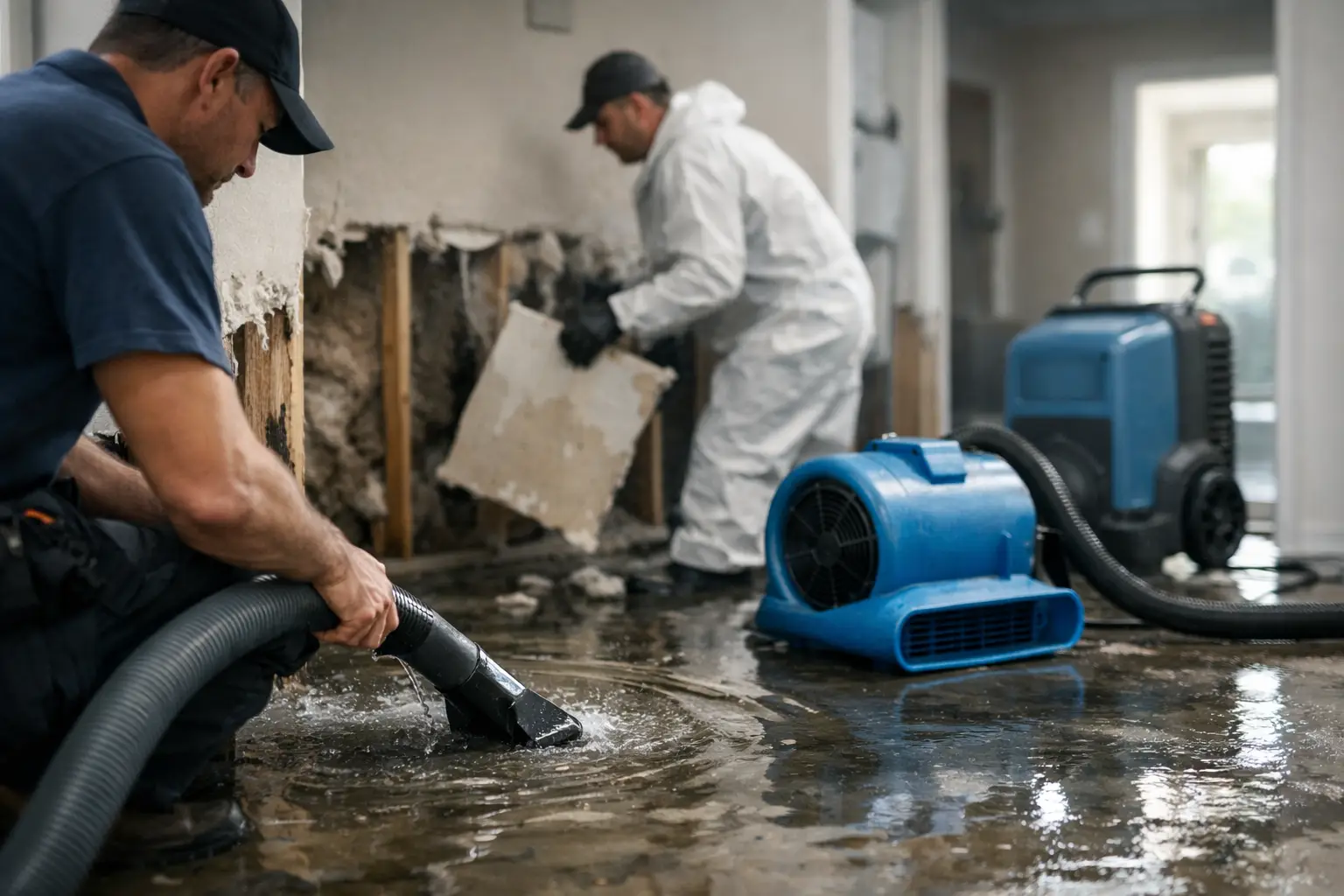
Extraction comes next. High-capacity equipment removes standing water from floors, carpets, padding, and other accessible surfaces. In some cases, controlled removal of baseboards, damaged drywall, wet insulation, or flooring may be necessary to expose materials that cannot dry properly in place. This can feel disruptive, but selective demolition often prevents a small loss from turning into a larger rebuild later.
Drying equipment is then positioned based on the materials and conditions in the affected area. Air movement, dehumidification, and moisture monitoring work together to bring building materials back toward acceptable drying goals. Simply opening windows or running household fans may not be enough, particularly during humid conditions or when water has moved into enclosed assemblies.
The final phase is verification and restoration planning. Before repairs begin, the team should confirm that structural materials have dried adequately and that the remaining scope is clearly documented. For managers, this creates a cleaner handoff to repairs, flooring replacement, painting, cleaning, and unit turnover work.
Extraction and Drying Are Different Services
It is common to treat extraction and drying as the same task, but they address different risks. Extraction removes liquid water quickly. Drying addresses the moisture that remains in porous materials and enclosed spaces. Skipping either step can create avoidable repair costs and extend the timeline for returning a unit to rentable condition.
This distinction is especially important with carpeted units, engineered flooring, laminate, cabinets, and wall systems. Some materials may be recoverable when addressed immediately, while others can swell, delaminate, or lose structural integrity after extended exposure. A practical contractor explains the condition of each affected area rather than promising that every finish can be saved.
Protecting Vacancy Timelines and Occupant Confidence
Water events create pressure from every direction. Owners want asset protection. Residents and tenants need clear updates. Property managers must coordinate access, vendors, insurance, and the next steps toward occupancy. The restoration process should reduce that burden, not add a new layer of vendor management.
A single-source property partner can coordinate emergency extraction with the work that follows, including demolition, cleaning, drywall repair, paint, flooring, and final turnover preparation. That continuity reduces delays caused by waiting for separate vendors to inspect, quote, schedule, and take responsibility for the next phase. It also gives managers one accountable point of contact when conditions change.
For HOA boards and commercial owners, documentation supports better decisions. A clear record of affected areas, moisture conditions, equipment placement, and recommended repairs helps stakeholders understand the scope without relying on assumptions. It also makes it easier to explain why some areas can be dried and restored while others need removal and replacement.
Insurance Coordination Should Start Early
An insurance claim does not eliminate the need for swift action. Waiting for approval before beginning reasonable emergency mitigation can allow damage to worsen. At the same time, work should be documented carefully so the property owner and carrier have a clear account of what happened and why certain actions were necessary.
The strongest restoration process separates emergency mitigation from reconstruction while keeping both stages organized. Managers should expect itemized scope information, photo documentation, regular updates, and a clear explanation of work completed. Insurance coordination is not about guaranteeing a specific coverage outcome. It is about providing accurate information that helps the claim move forward with fewer avoidable questions.
When multiple units are involved, careful communication becomes even more valuable. A manager may need to coordinate resident notices, vendor access, temporary restrictions, and repair scheduling while keeping ownership informed. A contractor experienced in occupied properties understands that technical work and professional communication must happen at the same time.
Choosing a Restoration Partner for Portfolio Properties
The best emergency vendor is prepared before the emergency happens. Property managers should confirm that a provider can respond after hours, carries appropriate licensing, insurance, and bonding, and has experience working in occupied multi-unit and commercial environments. They should also ask how the provider handles documentation, insurance communication, access coordination, and the transition from mitigation to repairs.
Local familiarity matters as well. Orange County properties range from older apartment communities with aging plumbing to newer mixed-use buildings with layered finish systems and active commercial tenants. The restoration approach must reflect the building type, occupancy status, and operational priorities, not follow a one-size-fits-all checklist.
V&S Management Services Inc. brings a fully licensed, bonded, and insured general contractor approach to urgent water damage restoration and the repair work that follows. For managers responsible for keeping properties safe, presentable, and producing revenue, that continuity can mean fewer handoffs and a more controlled path back to normal operations.
The most useful preparation is simple: know who to call, know where shutoff valves are located, and make sure the response partner can document, extract, dry, and restore with the same level of accountability. When water enters a property, decisive action protects more than finishes. It protects timelines, tenant trust, and the long-term value of the asset.