A burst supply line can soak more than flooring and drywall. It can put a resident’s furniture, files, electronics, inventory, and personal belongings directly in the path of further damage. Pack out content cleaning is the controlled process of removing, documenting, cleaning, storing, and returning those contents while the affected unit or commercial space is restored.
For property managers and building owners, this work is not an optional add-on after water damage, fire damage, or a major leak. It is a key part of protecting occupants, reducing claims friction, preserving resident trust, and keeping the restoration timeline moving. The difference between a well-managed pack out and an improvised removal often becomes clear when questions arise about what was removed, what condition it was in, and when it will be returned.
What Pack Out Content Cleaning Covers
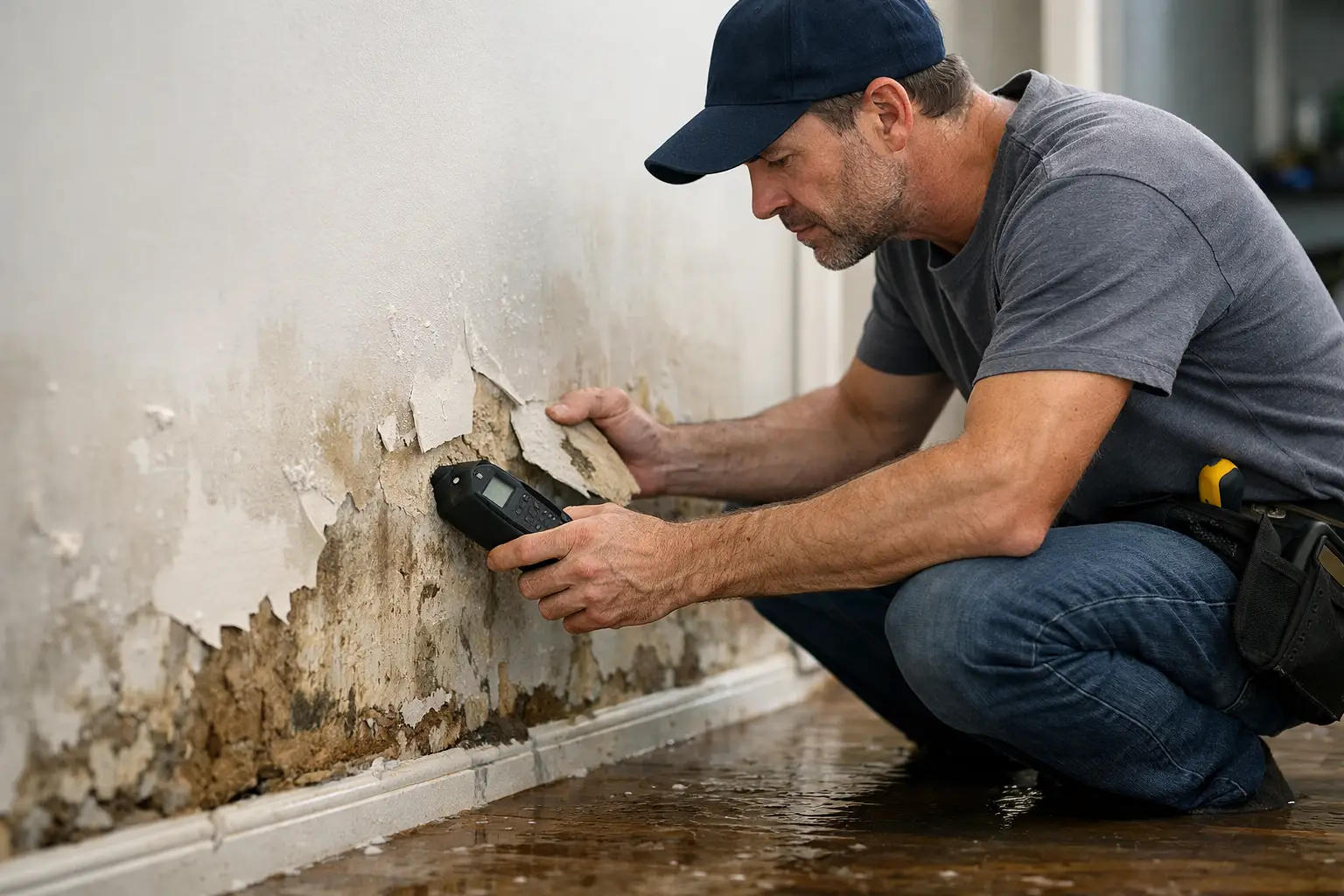
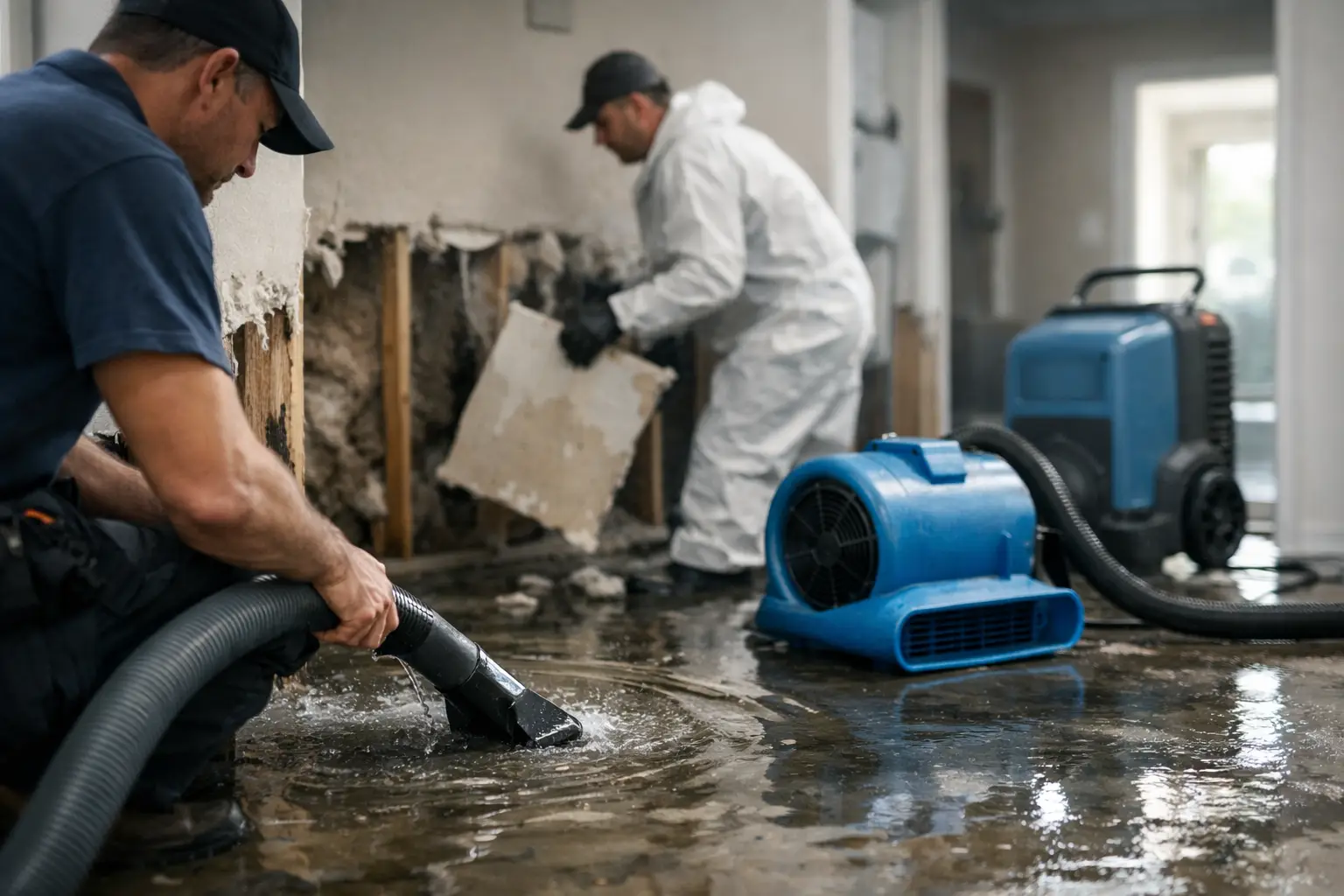
A pack out begins with a careful assessment of the affected space. The goal is to identify contents that need to be removed from moisture, smoke residue, dust, debris, or the construction activities required to restore the property. Some belongings may need immediate cleaning. Others may be stable but must be relocated to allow drying equipment, demolition, repairs, flooring installation, or remodeling work to proceed safely.
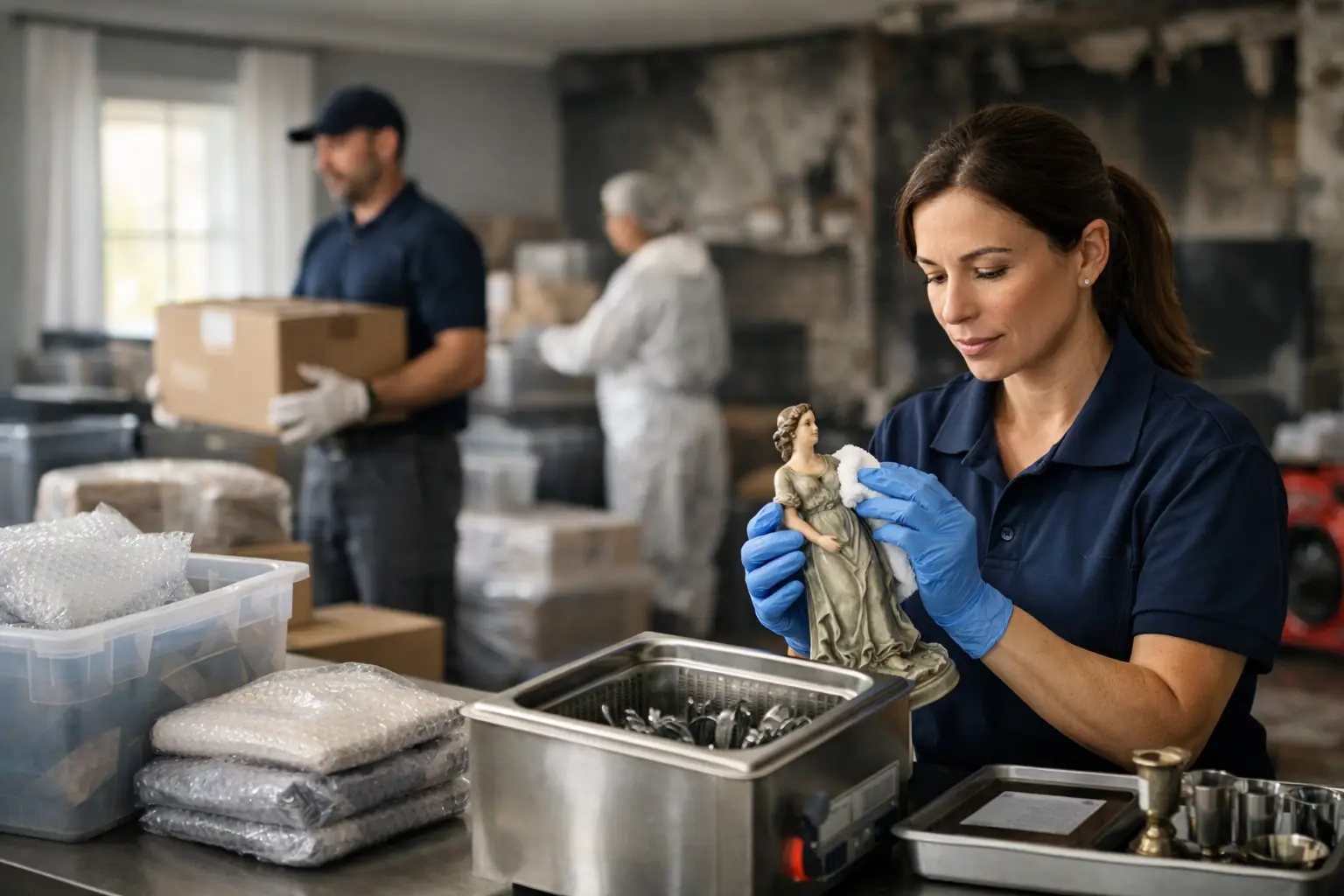
Content cleaning can include furniture, appliances, electronics, documents, window coverings, kitchenware, office equipment, retail fixtures, and other movable property. The right approach depends on the source of loss, the material involved, and the extent of exposure. A water-damaged upholstered chair, for example, requires a different evaluation than boxed records or a metal filing cabinet exposed to smoke.
The work should never be treated as a simple moving job. A professional pack out is a documented property-protection process. Each item or group of items needs to be identified, recorded, handled appropriately, and tracked through cleaning, storage, and return.
Why Content Handling Affects the Entire Restoration Timeline
When contents remain inside a damaged unit, restoration crews may be unable to access wet building materials, inspect hidden areas, or begin necessary repairs. Moisture can remain trapped behind furniture and inside closets. Delays at this stage can increase the risk of secondary damage, including odor, material deterioration, and microbial growth.
Removing affected contents promptly creates working space for mitigation and reconstruction. It also helps protect items that may otherwise be damaged by high humidity, demolition dust, or ongoing exposure to contaminants. For an occupied multifamily property, that responsiveness can make a difficult situation feel more organized and manageable for the resident.
There is a practical trade-off. Not every item should automatically be packed out. If contents are dry, unaffected, and can be properly protected in place, an on-site solution may save time and reduce handling. But when access is limited, contamination is present, or the scope of repairs is substantial, off-site packing, cleaning, and storage is usually the better operational decision.
The Documentation Standard Property Managers Need
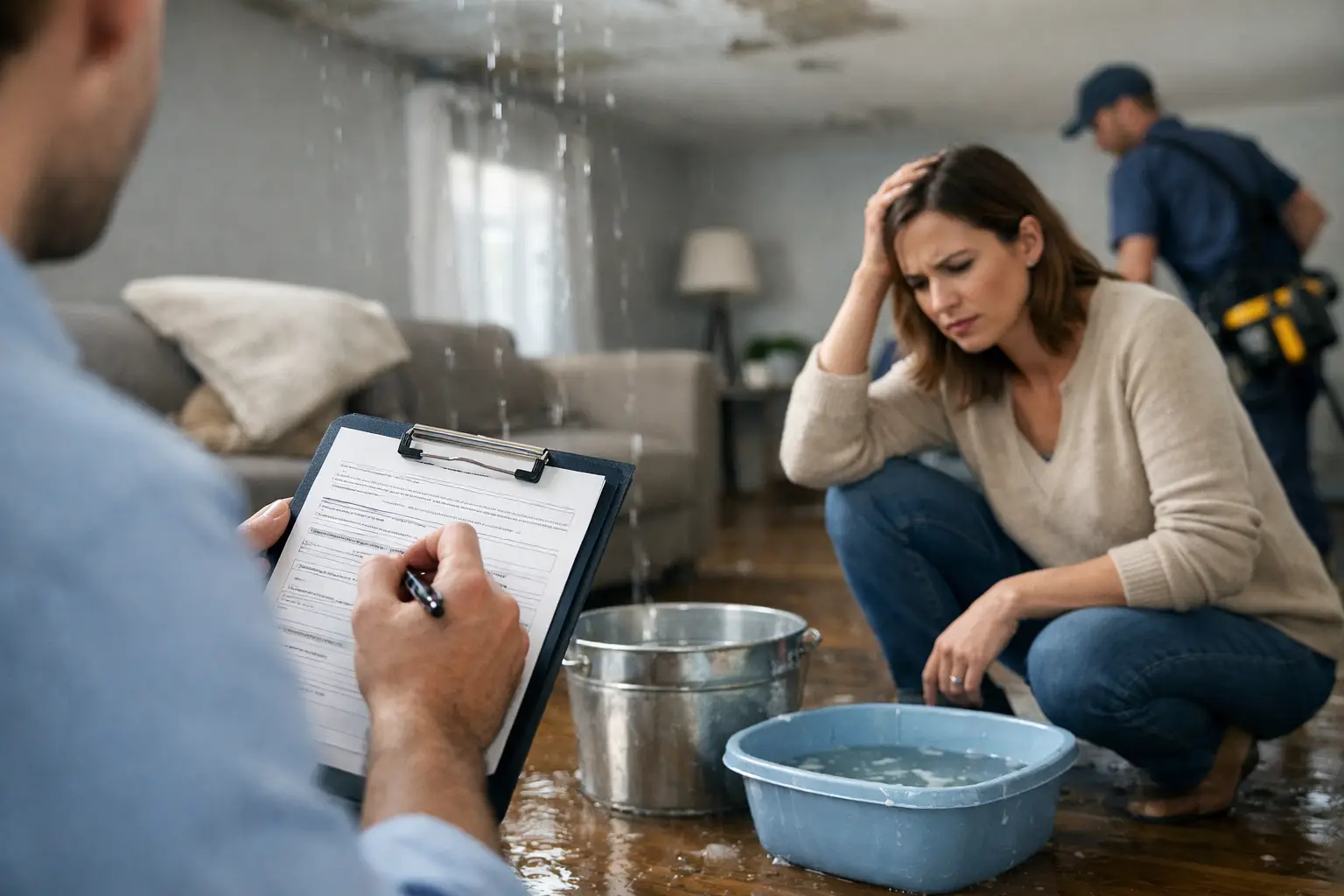
Property professionals need more than verbal assurances when tenant or commercial contents leave the premises. Strong documentation supports communication with ownership, residents, insurers, and restoration teams. It also establishes accountability from the first walkthrough through the final return.
A dependable pack out process should include a detailed inventory with condition notes and photographs when appropriate. Items should be labeled and grouped in a way that makes later retrieval practical, especially when a resident needs an essential item before the full return date. The record should identify where the content came from and where it is being stored.
For larger losses, organization matters even more. Loose or vague inventories create unnecessary disputes and consume management time. A clear chain of custody helps answer basic but critical questions: What was removed? Was it pre-existing damage or loss-related damage? Has it been cleaned? Is it ready for return?
A practical inventory should capture
- The room or unit location where the item was found
- A description, quantity, and visible condition of the item
- Photos for high-value, damaged, or disputed contents
- Packing labels that correspond to the inventory record
- Cleaning status, storage location, and return confirmation
This level of detail is especially valuable in multi-unit communities where multiple residents may be affected by one plumbing event. It keeps each claim and unit file distinct while allowing the property team to monitor the broader restoration project.
Cleaning Methods Depend on the Type of Loss
The term content cleaning covers several different processes. Water exposure may require drying, surface cleaning, deodorization, and evaluation for salvageability. Smoke or fire-related losses can involve soot removal, odor treatment, and specialized cleaning methods for porous and nonporous materials. Construction dust and debris may call for detailed cleaning before belongings can safely return to the unit.
Electronics, paper files, textiles, and upholstered furniture all require different decisions. Attempting a one-size-fits-all cleaning method can worsen damage or create false expectations about what can be restored. The professional responsibility is to assess the item honestly, document its condition, and select a method that is appropriate for the material and the loss conditions.
For commercial clients, contents may also include operational equipment, tenant improvements, stock, or records needed to keep a business functioning. In those cases, priority items should be identified early. A pack out plan that recognizes business continuity needs can prevent a restoration project from becoming a longer interruption than necessary.
Storage Is Part of the Protection Plan
Once contents are removed, proper storage becomes just as important as careful packing. Belongings should be held in a secure, organized environment that protects them from additional moisture, dust, temperature extremes, and unauthorized access. Storage conditions should fit the contents and the expected duration of the restoration.
Returning items too early can be just as damaging as leaving them in place. A unit must be clean, dry, and ready to receive contents without exposing them to active construction, lingering odor, or residual moisture. That requires coordination between mitigation, reconstruction, flooring, cleaning, and property management.
For managers overseeing vacant turnovers, the same principle applies to owner-provided furnishings, model-unit contents, and appliances. Protecting these assets during repairs avoids last-minute replacement decisions that can delay leasing or move-in schedules.
Insurance Coordination Without Losing Sight of the Resident
Content losses can involve several parties: the property owner’s insurer, the resident’s renter insurance carrier, commercial tenants, adjusters, and restoration professionals. Responsibilities vary, and coverage decisions are not always immediate. What should remain consistent is accurate documentation and timely communication.
A qualified contractor can support the process by providing organized records, clear scopes of work, and condition information that helps claims discussions move forward. This does not mean promising coverage or deciding responsibility on behalf of the carrier. It means giving all parties reliable information so the claim is based on facts rather than incomplete recollection.
Property managers also need a communication plan for residents. Explain what will be removed, how it will be tracked, what items may require special review, and who the resident can contact with questions. Clear expectations reduce anxiety during an already disruptive event and help prevent avoidable escalations.
Choosing a Pack Out Partner for Multi-Unit Properties
The right partner should be able to respond quickly while maintaining disciplined controls. Fast removal without documentation is risky. Detailed paperwork without urgent action can allow damage to worsen. Property teams need both.
Look for a provider that understands occupied units, commercial operations, HOA requirements, and the connection between content handling and the full restoration scope. Licensing, insurance, bonding, and proven emergency-response procedures matter because content work often happens during high-pressure losses with multiple stakeholders watching the outcome.
For Southern California property portfolios, V&S Management Services Inc. brings the perspective of a trusted general contractor that can coordinate urgent water damage response, turnover cleaning, repairs, flooring, and reconstruction. A single accountable team helps reduce handoffs between vendors and keeps the path from damage assessment to a rent-ready or operational space more controlled.
The best time to define a pack out process is before the next emergency call. Establish who approves removal, how residents are notified, what documentation is required, and how the restoration team will confirm that a space is ready before contents return. That preparation protects more than belongings - it protects the confidence your residents, owners, and tenants place in your property operations.