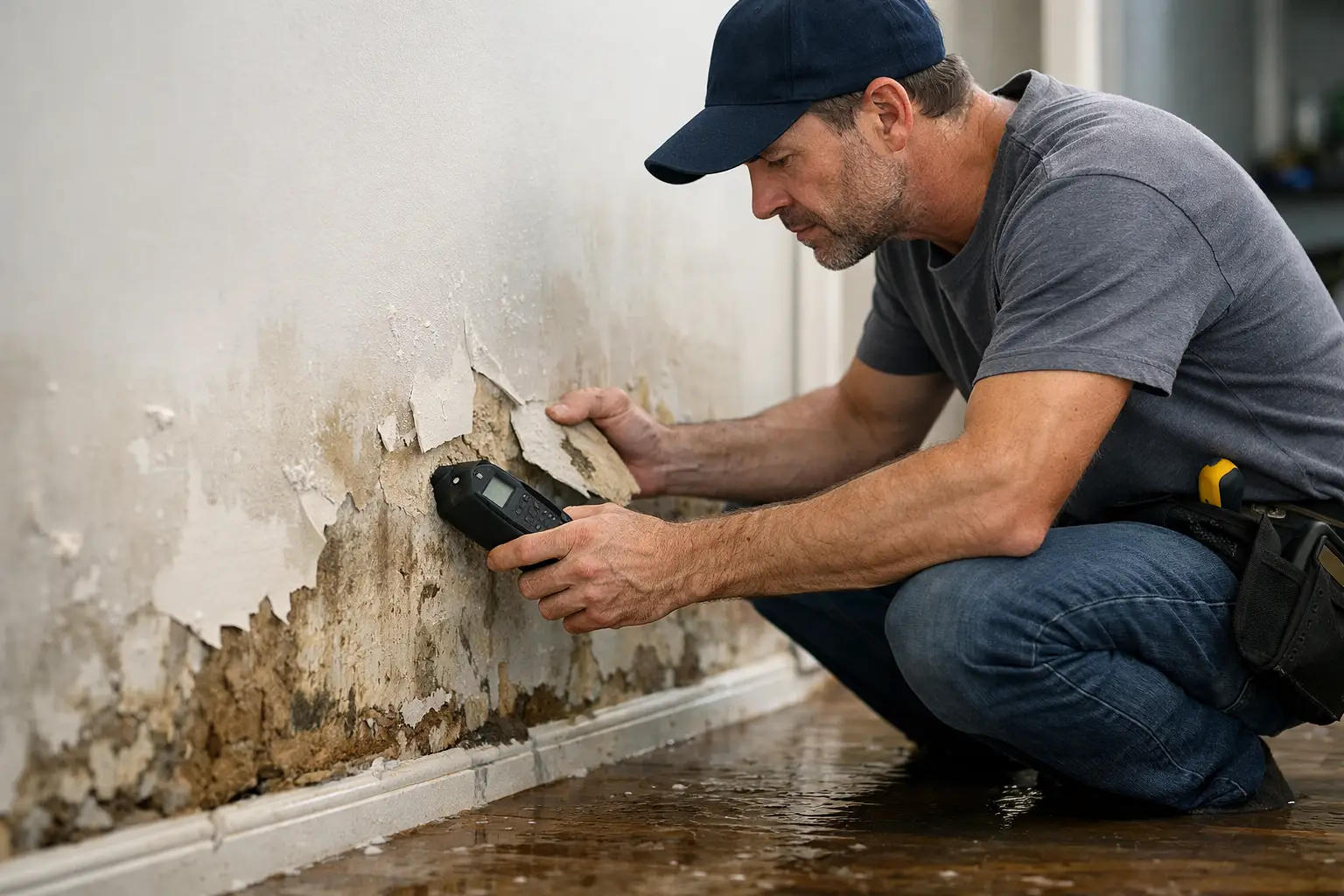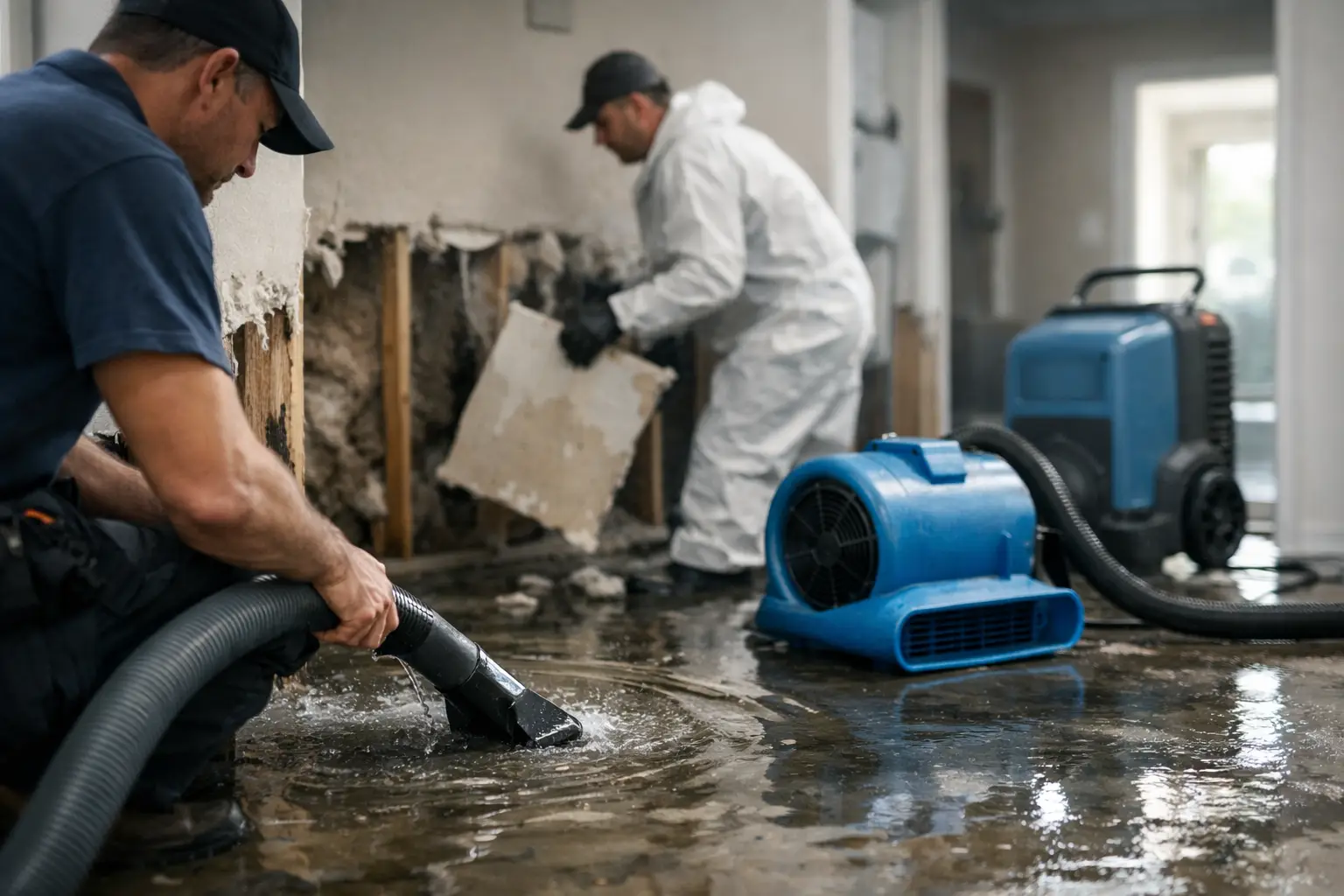

A pack out services review should begin before a water loss forces an immediate decision. When a supply line breaks in an occupied apartment, a roof leak reaches common-area furnishings, or fire suppression water damages tenant belongings, the contents inside the affected space can become as urgent as the building materials themselves. Property managers need a partner that can protect recoverable items, document the condition of the loss, and keep restoration work moving without creating another operational problem.
For multifamily owners, HOA boards, and commercial property teams, pack out service is not simply moving boxes. It is a controlled part of the restoration process. The quality of that process can affect claim documentation, resident communication, construction access, and the speed at which a unit returns to service.
What Pack Out Services Should Accomplish
A professional pack out occurs when contents must be removed from a damaged area so the structure can be dried, cleaned, repaired, or rebuilt safely. That may include furniture, appliances, electronics, files, fixtures, inventory, or personal belongings. Some items can remain onsite after careful protection. Others need offsite cleaning, climate-appropriate storage, or evaluation for restoration versus replacement.
The goal is to create a clear, defensible path from the damaged unit to recovery. A capable provider inventories contents before removal, records their condition, protects them during handling and transport, and maintains an organized chain of custody. Just as important, the provider coordinates the pack out with mitigation and reconstruction work so contractors are not waiting on contents to be moved before they can access floors, walls, cabinetry, or plumbing.
In a portfolio setting, this coordination matters because a delayed unit affects more than one work order. It can extend vacancy, disrupt residents, consume staff time, and put pressure on leasing and maintenance schedules.
Pack Out Services Review: The Questions That Matter
A useful pack out services review looks beyond whether a vendor can provide labor on short notice. Emergency availability is essential, but it is only one part of the evaluation. Property professionals should look for operational controls that protect the property, the resident, and the claim file.
Can the provider respond as part of an emergency plan?
Water damage does not wait for standard business hours. A pack out company should be prepared to work within a 24/7 emergency response plan, coordinating with water mitigation teams when conditions require immediate action. The timing depends on the loss. A small, contained leak may allow for scheduled contents handling, while contaminated water, active moisture, or a large-scale loss may require faster removal.
Ask how the provider determines what needs to be packed out immediately and what can be protected onsite. The right answer should be based on site conditions, safety, moisture levels, access, and the planned scope of restoration work, not a one-size-fits-all approach.
Is the inventory process detailed and accountable?
Inventory is where many preventable disputes begin or end. A professional process should record what was removed, its apparent pre-existing condition, the room or unit it came from, and any damage visible at the time of handling. Photos, item labels, and organized documentation give property managers a reliable record when questions arise later.
For tenant-occupied units, inventory accuracy also supports better resident communication. People are understandably concerned when personal possessions leave their home. Clear records and respectful handling help management show that the situation is being managed with care rather than confusion.
For commercial spaces and common areas, documentation may involve furniture, equipment, records, or materials that support ongoing operations. The inventory process should be tailored to the property type and the level of detail needed for the loss.
Are handling, storage, and cleaning procedures appropriate?
Not every item should be handled the same way. Upholstered furniture, electronics, documents, wood finishes, and soft goods can require different cleaning, drying, or storage conditions. A provider should be able to explain how items are packed, labeled, transported, and separated when contamination is a concern.
Storage security matters as well. Ask how contents are tracked once they leave the property, who has access to them, and how return delivery is coordinated. A lower-disruption plan may keep certain contents in a secured area onsite, while a major restoration may require offsite storage. The right choice depends on available space, the extent of damage, building security, and the repair schedule.
Does the vendor understand insurance documentation?
A pack out provider should not replace the role of the insurance carrier, adjuster, or policyholder. However, organized documentation can make claim coordination far easier. Detailed inventories, photos, work records, and condition notes help establish what was present and what actions were taken to protect it.
Property managers should look for a team that understands the need for timely records and clear communication among ownership, onsite staff, residents, restoration crews, and claim representatives. Delays in documentation can slow decisions, especially when there are questions about salvageability or scope.
Is the company fully compliant and equipped for occupied properties?
Vendor compliance is non-negotiable for professional property management. Confirm that the provider is properly licensed for the work performed, insured, bonded where applicable, and experienced in occupied multifamily and commercial environments. This is especially relevant when crews are entering units, moving valuable contents, working around residents, and coordinating with multiple trades.
Also ask about crew supervision, background screening practices, safety procedures, and bilingual communication when it serves the resident population. A well-managed pack out protects the building relationship as much as it protects physical contents.
Why Single-Source Coordination Reduces Delays
The greatest pack out risk is often not the move itself. It is the handoff between separate vendors. If mitigation, contents handling, flooring, cleaning, and reconstruction operate independently, a property manager may be left coordinating schedules, relaying missing information, and resolving disputes about responsibility.
A single accountable property services partner can reduce those gaps. The pack out team can coordinate access with water mitigation, allow drying and demolition work to proceed, then schedule return delivery once repairs and cleaning are complete. That approach is particularly valuable in multi-unit properties, where one delayed phase can affect several units and strain maintenance resources.
V&S Management Services Inc. supports Southern California property professionals with integrated emergency restoration, turnover, maintenance, flooring, and remodeling services. For a loss that requires contents handling, the advantage is practical: one fully licensed, bonded, and insured team can coordinate the work around the broader recovery plan instead of leaving management to assemble separate vendors during a crisis.
Common Warning Signs During a Vendor Review
A provider may be a poor fit if it cannot explain its documentation process, gives vague answers about storage accountability, or treats every loss as identical. Another concern is a crew that focuses only on removal without asking how the work aligns with drying, repairs, resident access, or insurance communication.
Be cautious when a company cannot provide clear proof of insurance and applicable licensing, does not identify who is responsible for onsite decisions, or lacks a defined after-hours response process. In an emergency, unclear accountability can turn a manageable loss into an extended operational disruption.
It is also worth watching for unrealistic promises. Some contents cannot be restored safely or economically, and some building conditions require a phased approach. A dependable provider explains the trade-offs early, documents recommendations, and keeps the property team informed as conditions change.
A Better Standard for Contents Recovery
The best pack out service protects more than belongings. It protects access for restoration work, supports accurate claims, respects residents, and helps management regain control of the property quickly. That is the standard to use when reviewing any emergency contents provider.
Before the next loss occurs, establish who will receive the after-hours call, how authorization will be handled, and what documentation your team expects. A prepared response plan gives property managers the ability to act quickly while still protecting the asset, the resident experience, and the long-term condition of the portfolio.