A pipe bursts at 6:30 a.m., tenants are calling by 7:00, and by 8:00 the question is no longer whether there is damage - it is how fast you can scope it, price it, and move. That is where a same day restoration estimate matters. For property managers and commercial owners, speed is not just a convenience. It affects vacancy time, insurance documentation, tenant communication, and the total cost of recovery.
In Southern California, delays create a chain reaction. Moisture spreads, flooring separates, drywall softens, odor risk increases, and schedules for other trades start slipping. A fast estimate helps stop that slide early. But speed only helps when the estimate is grounded in real field conditions, not guesswork from a few phone photos.
Why a same day restoration estimate matters
When damage hits a multi-unit or commercial property, every hour has an operational cost. Leasing teams need occupancy timelines. HOA boards need a defensible scope. Asset managers need to understand whether they are dealing with a contained repair or a broader capital issue. Insurance carriers need clean documentation, and tenants want a credible update, not a vague promise.
A same day restoration estimate gives decision-makers something they can act on. It establishes the likely scope, identifies immediate stabilization needs, and helps determine whether the damage is isolated or part of a larger problem. In many cases, it also helps prevent secondary damage that turns a manageable loss into a major claim.
That said, not every estimate can be final on day one. Water intrusion behind cabinetry, under flooring, or inside wall assemblies may not be fully visible during the first inspection. A professional estimate should move quickly, but it should also leave room for supplements if hidden conditions appear after demolition or moisture mapping.
What a same day restoration estimate should include
A useful estimate is more than a number at the bottom of a page. It should reflect the actual conditions on site and give your team a workable path forward.
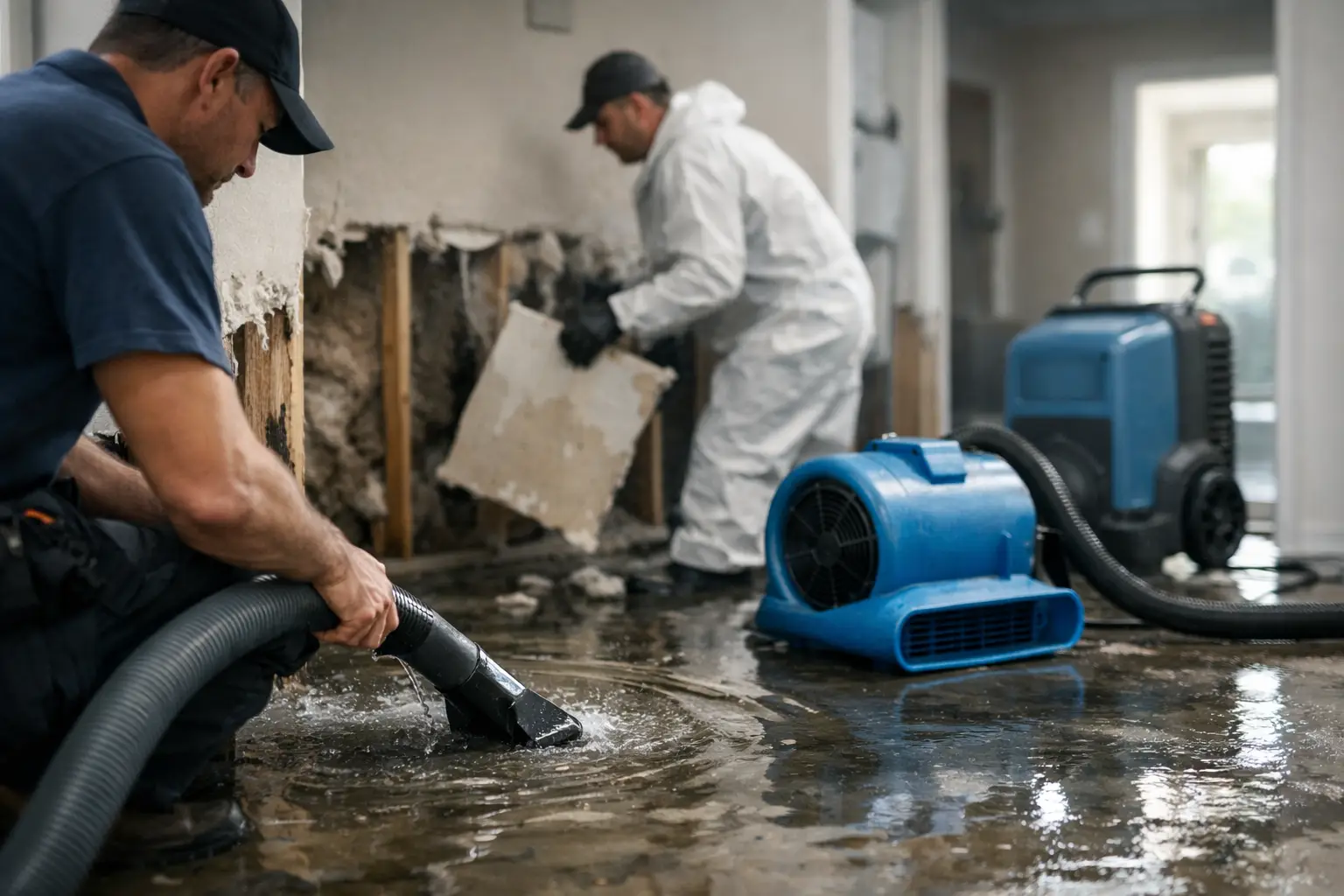
At a minimum, the estimate should identify the affected areas, the apparent source of damage if known, and the emergency services required right away. That may include water extraction, containment, demolition of unsalvageable materials, drying equipment, antimicrobial treatment where appropriate, and monitoring. If reconstruction is likely, the estimate should separate mitigation from repair scope so property teams can make decisions faster and explain costs more clearly.
Good estimating also accounts for access and occupancy realities. A ground-floor retail suite with open access is not the same as a furnished occupied condo with elevator restrictions, HOA requirements, and limited work windows. The estimate should reflect those conditions because they affect labor, scheduling, and total downtime.
How the estimate is produced so quickly
Fast estimating does not happen because someone types quickly. It happens because the contractor has a system. The field team knows what to document, what to test, and how to translate damage conditions into a defensible scope.
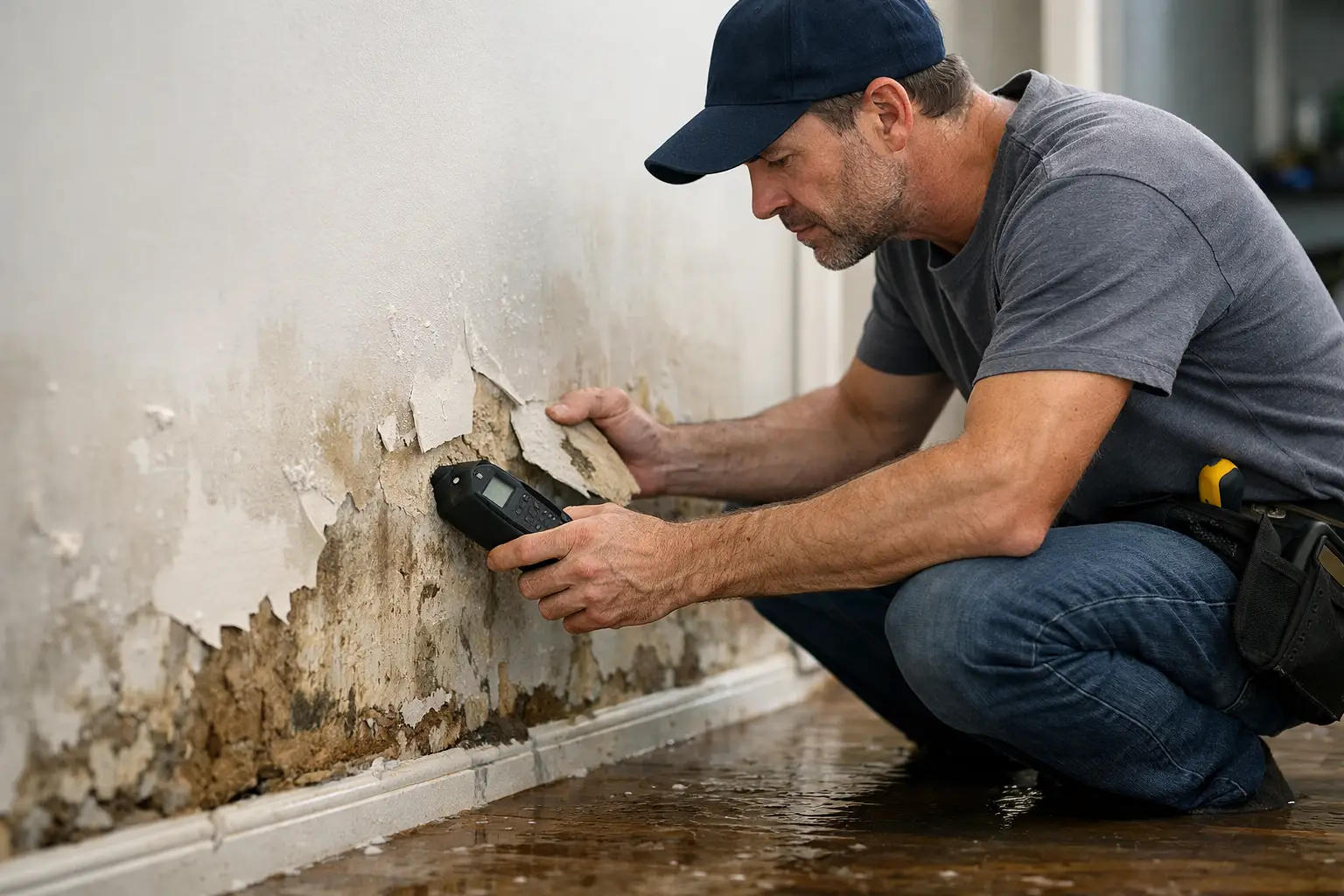
That process usually starts with a site visit as soon as possible after the call. The inspector evaluates visible damage, moisture migration, affected materials, safety concerns, and the urgency of mitigation. Photos, measurements, and moisture readings help build the estimate. If the loss may involve multiple units or common areas, the inspection should also consider adjacency risk and whether affected spaces need to be opened up further.
From there, the estimate is assembled using the inspection data and a clear understanding of restoration sequencing. This is where experience matters. Teams that handle restoration and reconstruction under one roof are often better positioned to estimate accurately because they understand not only the drying phase, but also what it will take to return the space to rent-ready condition.
What can delay a same day restoration estimate
Property professionals should expect speed, but they should also know what can slow the process. The first issue is access. If keys are unavailable, tenants are unresponsive, or the building has restricted entry procedures, valuable time disappears before the inspection even starts.
The second issue is incomplete damage visibility. Water rarely stays where it starts. It can wick through walls, travel below flooring, and affect adjoining units. If the source has been active for some time, the contractor may need limited demolition or more extensive moisture testing before pricing can be reliable.
Insurance requirements can also affect timing. Some carriers want specific documentation, itemization, or cause-of-loss details before authorizing major work. A contractor familiar with claim coordination can usually keep the process moving, but the timing still depends partly on how quickly the claim side responds.
Finally, scope complexity matters. A single-unit overflow loss is very different from a commercial roof leak affecting tenant improvements, hallways, electrical components, and multiple stakeholders. Same-day estimating is still possible, but the first estimate may be preliminary pending additional investigation.
Speed versus accuracy - the real balance
The best restoration partners understand that speed and accuracy are not competing goals. They are both necessary. An estimate that arrives quickly but misses half the affected materials creates budget surprises, change orders, and frustration later. An estimate that is perfectly detailed but takes several days to arrive is also a problem because the property may already be losing time and value.
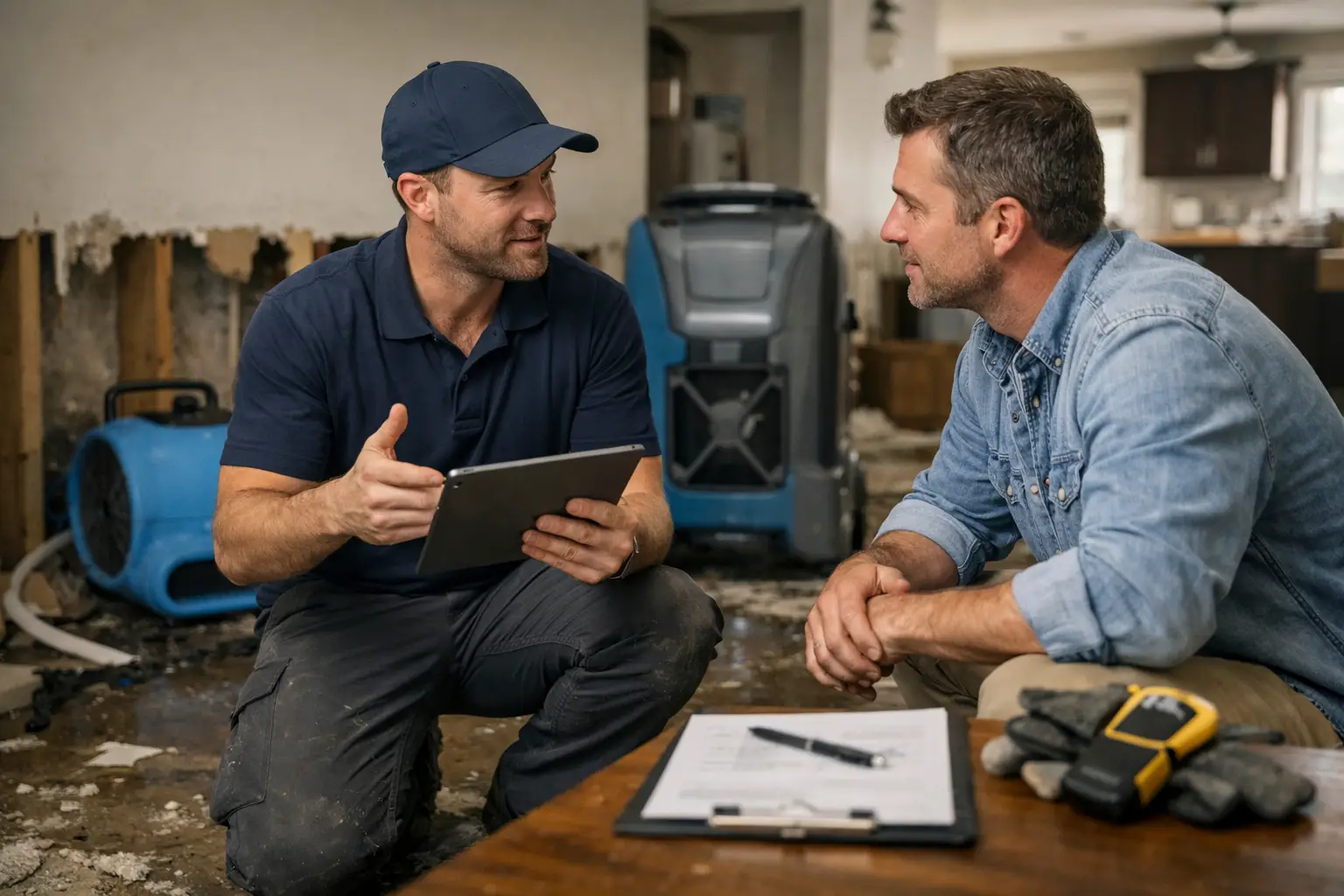
The right balance is a prompt, informed estimate based on current conditions, paired with honest communication about what is confirmed and what may change. That kind of transparency matters to property managers because it supports better owner reporting and fewer internal surprises.
For HOA boards and commercial stakeholders, it also reduces friction. People can handle complexity when the contractor explains it clearly. What causes distrust is false certainty followed by major revisions.
Insurance coordination makes the estimate more useful
Restoration work often intersects with insurance, but property teams know that claims do not run themselves. Documentation gaps, vague scopes, and poor communication can slow approvals and create avoidable disputes.
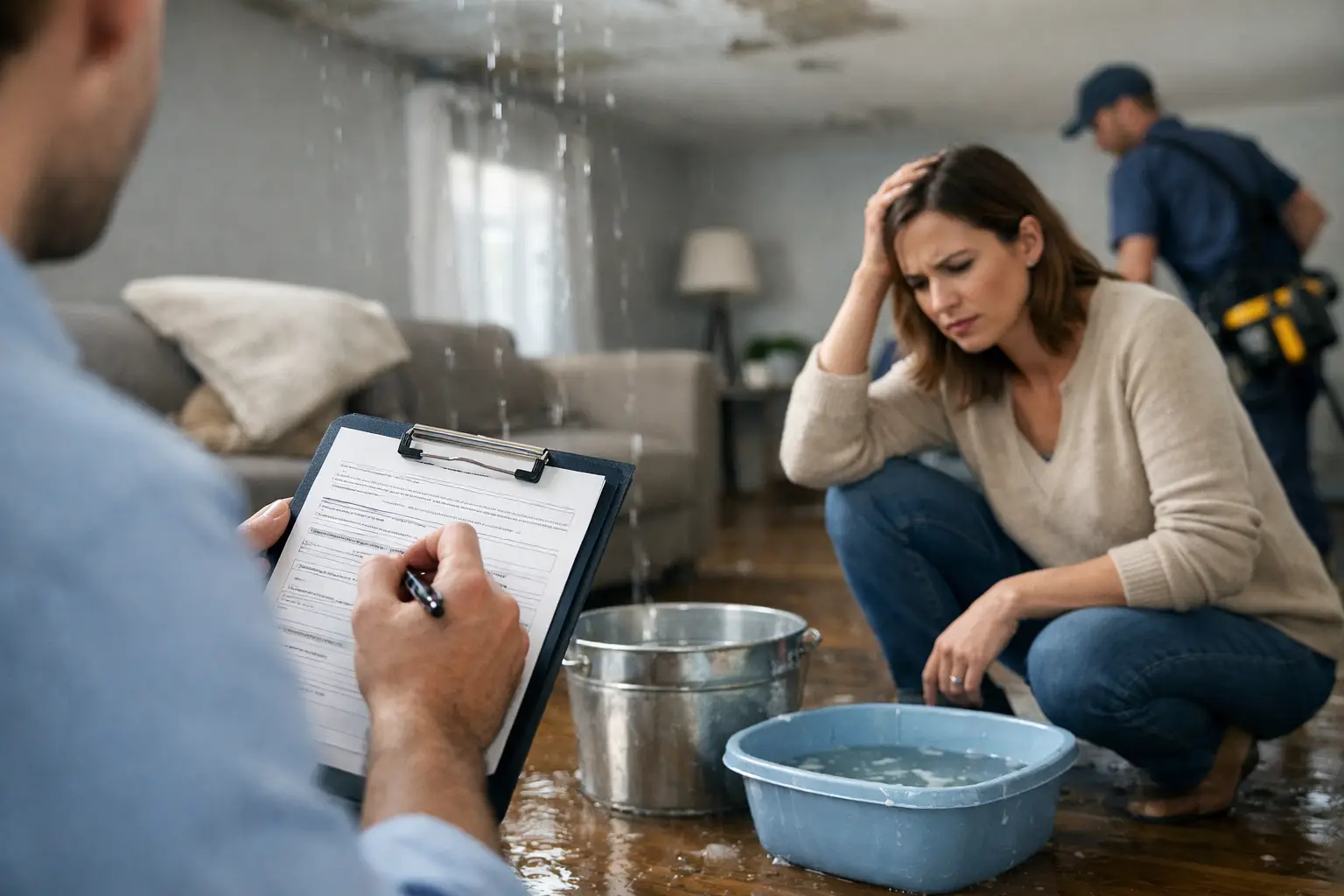
A same day restoration estimate becomes much more valuable when it is supported by organized photos, moisture data, emergency service records, and a clear breakdown of mitigation versus reconstruction. That makes it easier to present the claim, answer adjuster questions, and move the file forward.
This is especially important for multi-unit properties where the line between private unit responsibility and common area responsibility may need to be documented carefully. The contractor should be able to communicate clearly with the manager, ownership, and insurance contacts without creating confusion about scope or timeline.
Choosing the right partner for same-day estimating
If a contractor promises immediate pricing, the real question is whether they can also execute the work professionally after the estimate is approved. Property managers need more than a fast document. They need a trusted general contractor that is fully licensed, bonded, and insured, able to respond 24/7, and capable of handling the next phase without handoff problems.
That matters because restoration is not just emergency cleanup. It often leads directly into flooring replacement, drywall repair, painting, unit turnover work, or larger reconstruction. When one partner can manage those steps in sequence, downtime is easier to control and accountability stays in one place.
For Southern California portfolios, local experience also matters. Building types, tenant density, parking constraints, access rules, and municipal expectations vary from Los Angeles to Orange County to the Inland Empire and San Diego. A contractor that knows the region can move faster because fewer site realities catch them off guard.
V&S Management Services Inc. has built its reputation around that kind of response - practical field execution, fast estimating, and single-source accountability for property professionals who cannot afford delays.
How property managers can help the process move faster
A same day restoration estimate is easier to deliver when the contractor gets a clean start. Share the exact address, unit numbers, access details, and when the loss was first discovered. Explain whether the source has been shut off and whether other units or common areas may be affected.
It also helps to send any incident photos you already have, but photos should support the inspection, not replace it. If insurance is involved, provide the claim number and carrier contact early. If your property has work-hour restrictions, elevator reservations, or HOA notice requirements, mention them up front.
Those details may seem small, but they shorten the gap between first call and workable estimate. They also help the contractor dispatch the right team and prepare for any access or communication issues before arriving on site.
A fast estimate should give you clarity, not just urgency. When it is done right, it helps protect asset value, reduce vacancy days, and keep the next decision moving. If you are managing damage under pressure, the best first step is simple: get qualified eyes on the property quickly and insist on a scope you can trust by the end of the day.