A water line fails behind a second-floor wall at 2:00 a.m. By morning, the issue may extend far beyond one unit: saturated drywall, affected flooring, ceiling damage below, displaced residents, and a growing insurance file. Southern California emergency restoration is not simply a cleanup service for property professionals. It is a time-sensitive operational response that protects people, limits portfolio damage, and keeps a manageable incident from becoming an extended vacancy.
For multifamily, HOA, commercial, and managed residential properties, the right response depends on more than who can arrive first. It requires a qualified partner that can stabilize the loss, communicate clearly, document the work, and coordinate the next phase without leaving the manager to chase separate vendors.
What Emergency Restoration Should Accomplish
The immediate goal is to stop additional damage. That may mean shutting off a water source, extracting standing water, securing an opening after a storm, or isolating an unsafe area. But an effective response also creates a path to recovery. Property managers need a clear assessment of impacted areas, practical recommendations, photo documentation, and a realistic sequence for mitigation, repairs, and tenant communication.
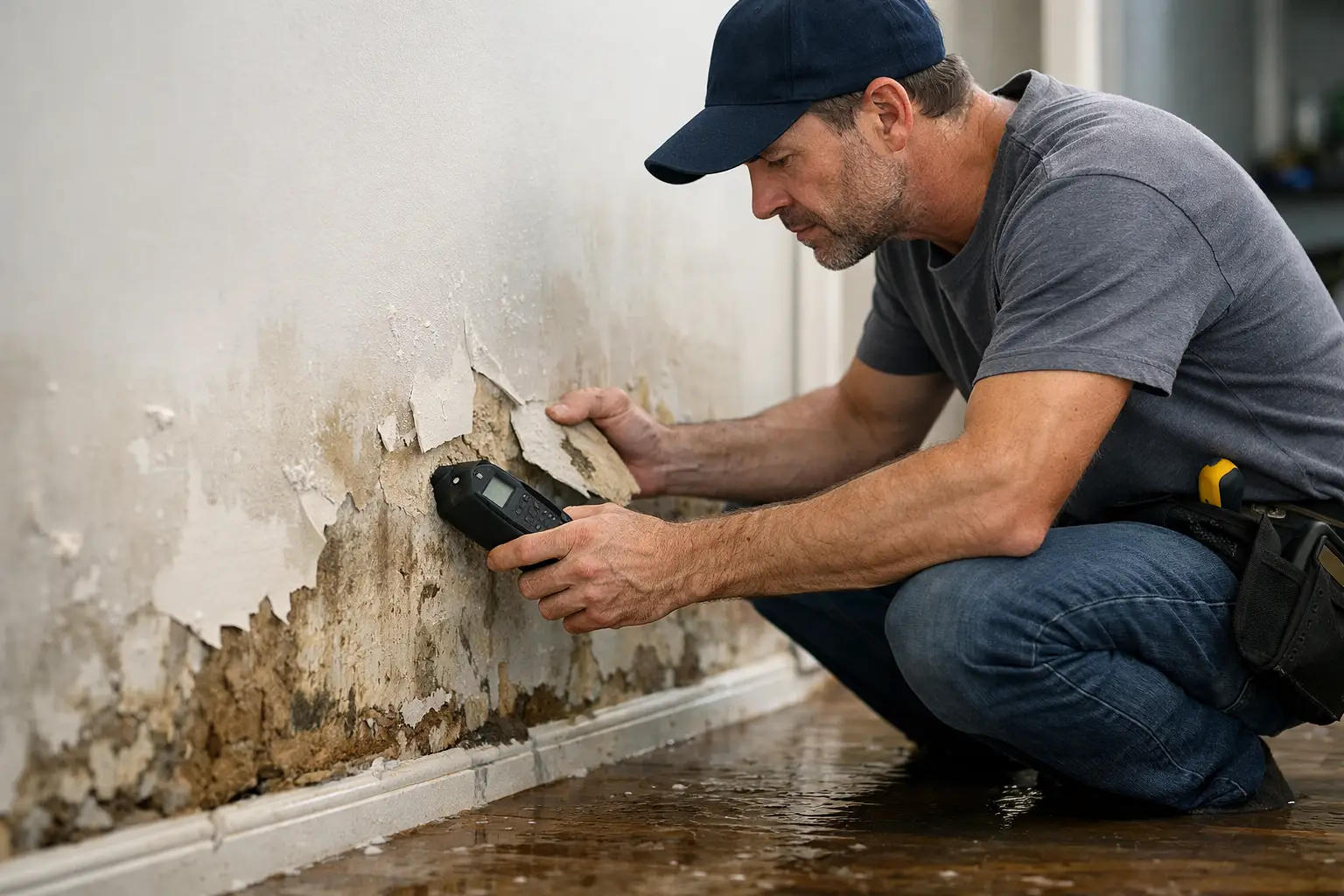
Water is especially unforgiving in multi-unit buildings. It moves through wall cavities, beneath flooring, along plumbing penetrations, and into units that may not show obvious signs of damage at first. Waiting for visible staining before acting can increase drying time and repair scope. Prompt extraction and professional drying help preserve materials when possible and reduce the chance that a small leak disrupts several residents or business operations.
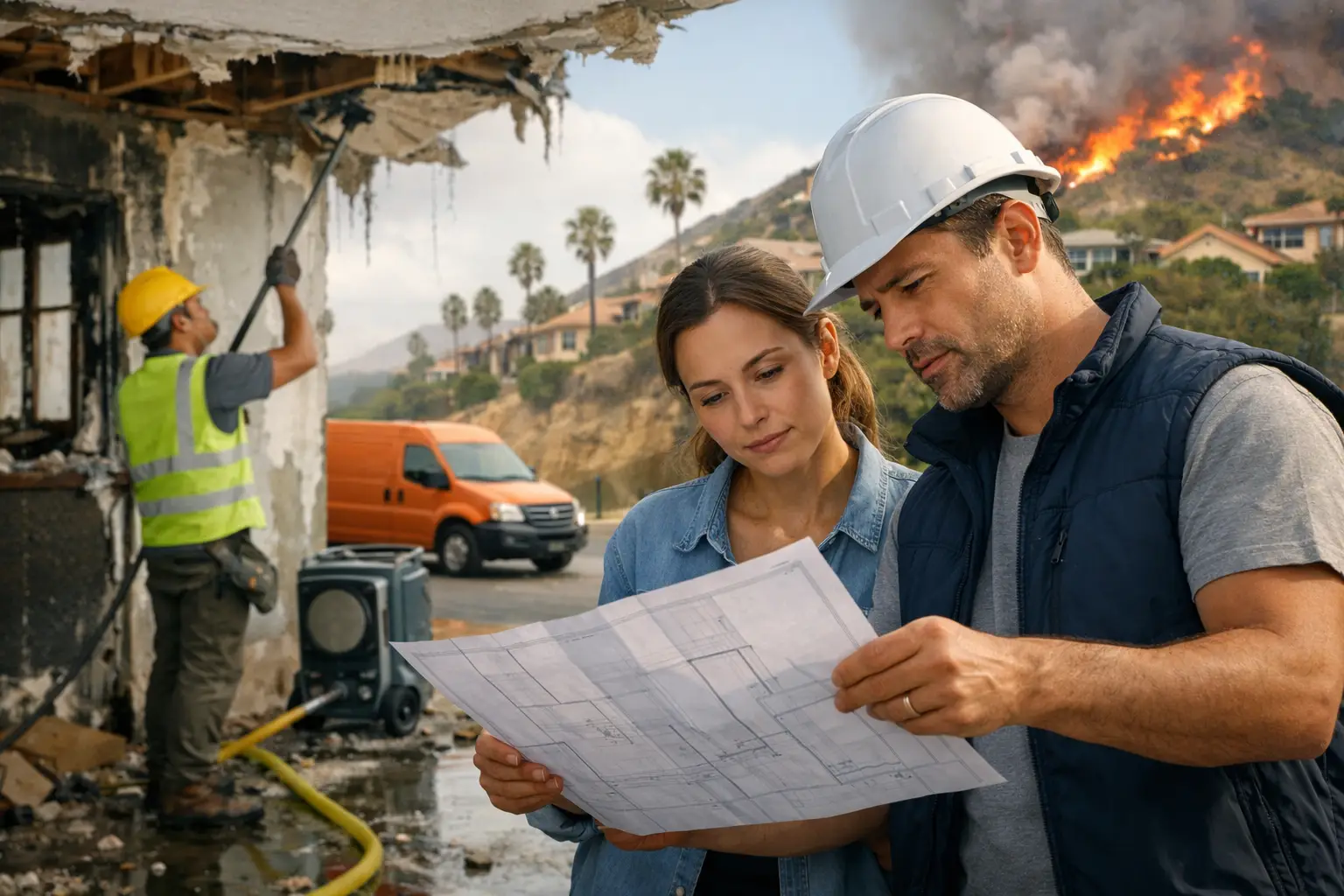
The same principle applies to fire, storm, sewage, and vandalism-related losses. The visible issue is only one part of the event. Moisture migration, smoke residue, contaminated materials, compromised access points, and building-system concerns all need to be addressed before a space is safely returned to use.
The First Hours Set the Recovery Timeline
During an emergency, speed matters, but organized speed matters more. A rushed response without documentation or containment can create confusion later, particularly when an insurance claim, HOA approval, or ownership review is involved.
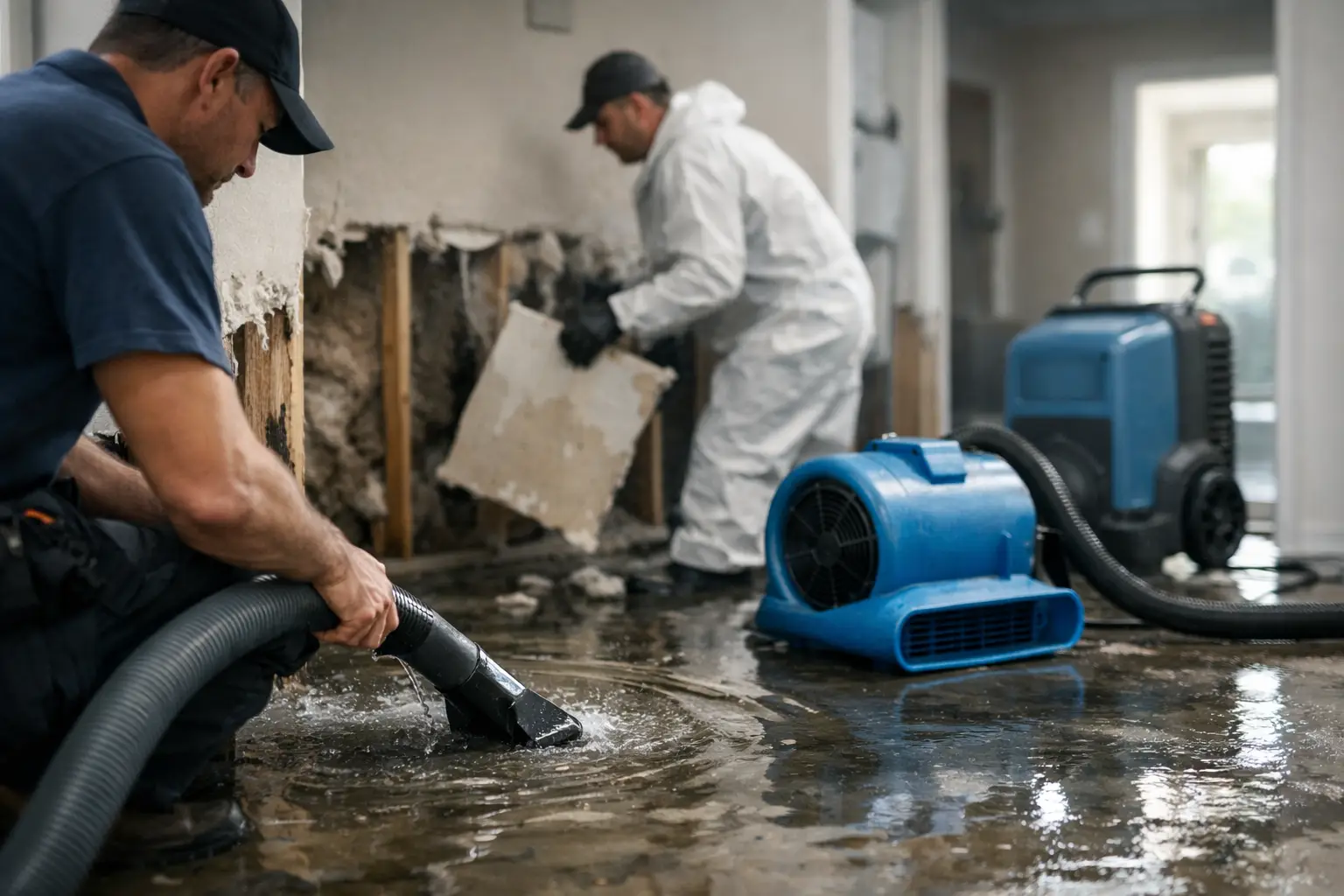
A dependable restoration process begins by confirming the source of the issue and whether it has been stopped. Crews should then identify affected spaces, protect unaffected areas, and begin mitigation work appropriate to the loss. For water damage, that can include extraction, removal of unsalvageable materials, placement of drying equipment, and moisture monitoring. For a board-up or storm-related event, it may include temporary protection and site safety measures while permanent repairs are planned.
Property managers should expect concise updates that answer the questions stakeholders actually have: Which units are affected? Is the property safe? What work has been completed? What access is needed next? What are the likely impacts on occupancy and operations? Clear answers reduce avoidable calls and help managers communicate confidently with owners, residents, and insurance representatives.
Document Before Conditions Change
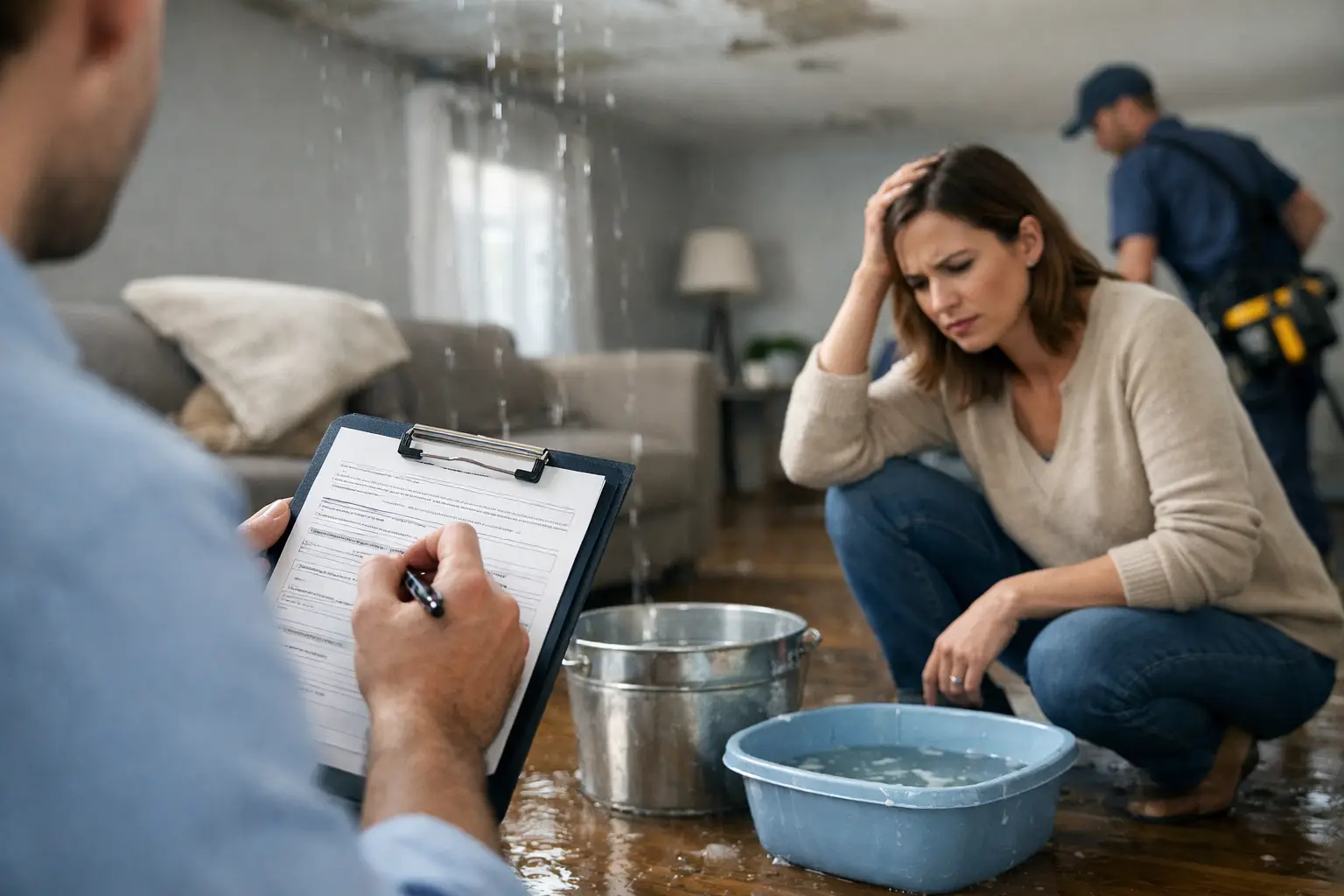
Emergency work should never come at the expense of records. Photos, moisture readings, affected-area notes, equipment logs, and a detailed scope provide useful support for insurance coordination and internal reporting. They also establish a baseline when multiple units, common areas, or shared building systems are involved.
Documentation is particularly valuable when the cause is unclear. A supply-line failure inside a unit, a roof intrusion, a common-area plumbing issue, or water migrating from an adjacent property may involve different responsibilities. Restoration professionals should document conditions without making assumptions about liability. The manager can then work with ownership, carriers, and other parties using a clear factual record.
Why Single-Source Accountability Matters
After mitigation, the work is rarely finished. Damaged drywall may need replacement, flooring may need to be removed and installed, cabinets or baseboards may require repair, and a unit may need cleaning before turnover. Using separate companies for emergency response, repairs, flooring, and final readiness can create gaps in scheduling and accountability.
A single trusted general contractor can coordinate the recovery from the initial call through reconstruction and rent-ready completion. That approach does not mean every loss requires extensive rebuilding. Sometimes targeted drying and minor repairs are enough. Other cases require a larger scope, particularly where water has affected multiple units or where older materials cannot be restored. The value is having one accountable team assess the condition and coordinate the appropriate level of work.
For portfolio managers, this continuity helps control vacancy days. Instead of re-explaining the loss to each trade, managers can work from one documented scope and one coordinated schedule. It also makes it easier to plan resident access, inspections, material selections, and final turnover cleaning in the proper order.
Selecting a Southern California Emergency Restoration Partner
Not every contractor is prepared for emergency work in occupied or multi-unit environments. A provider may be capable of cleaning up a small residential incident but lack the licensing, staffing, insurance coordination experience, or project controls required for larger managed properties.
When evaluating a Southern California emergency restoration partner, property professionals should look beyond a promise of fast service. Confirm that the contractor is fully licensed, bonded, and insured, with documented experience in water damage mitigation and property repairs. Ask how after-hours calls are handled, who provides updates, and whether the team can support both mitigation and reconstruction.
Bilingual English and Spanish communication can also be a practical advantage for resident-facing properties. During a stressful event, instructions about access, safety, drying equipment, and next steps need to be understood clearly. That is not a courtesy detail. It helps keep the response moving and reduces miscommunication at the property.
V&S Management Services Inc. provides this kind of integrated support for Southern California property professionals, combining 24/7 urgent water damage response with maintenance, flooring, cleaning, and multi-unit remodeling capabilities. As a fully licensed, bonded, and insured general contractor, the team is positioned to help managers move from immediate stabilization to completed recovery with fewer handoffs.
Build the Plan Before the Emergency
The most effective emergency response begins before anything goes wrong. Every property should have an internal escalation process that tells on-site staff and managers who to call, where shutoff valves are located, which areas require immediate access, and how residents will be notified. This is especially useful for properties with rotating maintenance teams, remote ownership, or after-hours staffing limitations.
Keep current unit maps, vendor contacts, insurance information, and key access procedures in one accessible location. For commercial sites, include information about critical equipment, tenant operations, electrical rooms, and any areas that cannot be shut down without notice. For HOAs, clarify who has authority to approve emergency mitigation and who communicates with homeowners.
A good plan should also distinguish between an urgent repair and a true restoration event. A minor fixture leak that is contained quickly may only need a plumbing repair. Water that has entered walls, flooring, ceilings, or neighboring units should be treated differently. The decision should be based on the actual extent of the impact, not just the size of the original leak.
Protect Occupancy, Not Just the Building
Restoration decisions affect residents and tenants directly. Drying equipment can be noisy, access may be needed during work hours, and some spaces may be temporarily unusable. Managers should set expectations early, explain what is being done, and provide updates when the schedule changes.
The fastest route back to normal is not always the least disruptive route in the moment. Removing affected materials may create short-term inconvenience, but it can be the safer choice when moisture has compromised them. Conversely, preserving materials through fast drying can reduce repair time when conditions support it. Experienced restoration teams explain those trade-offs clearly rather than treating every incident the same way.
When the unexpected happens, the goal is not merely to dry a floor or patch a wall. It is to restore safe, functional space while protecting the operating rhythm of the property. A prepared manager and a responsive, qualified contractor can turn a difficult call into a controlled recovery - and give residents, owners, and tenants a clear reason to trust the process.