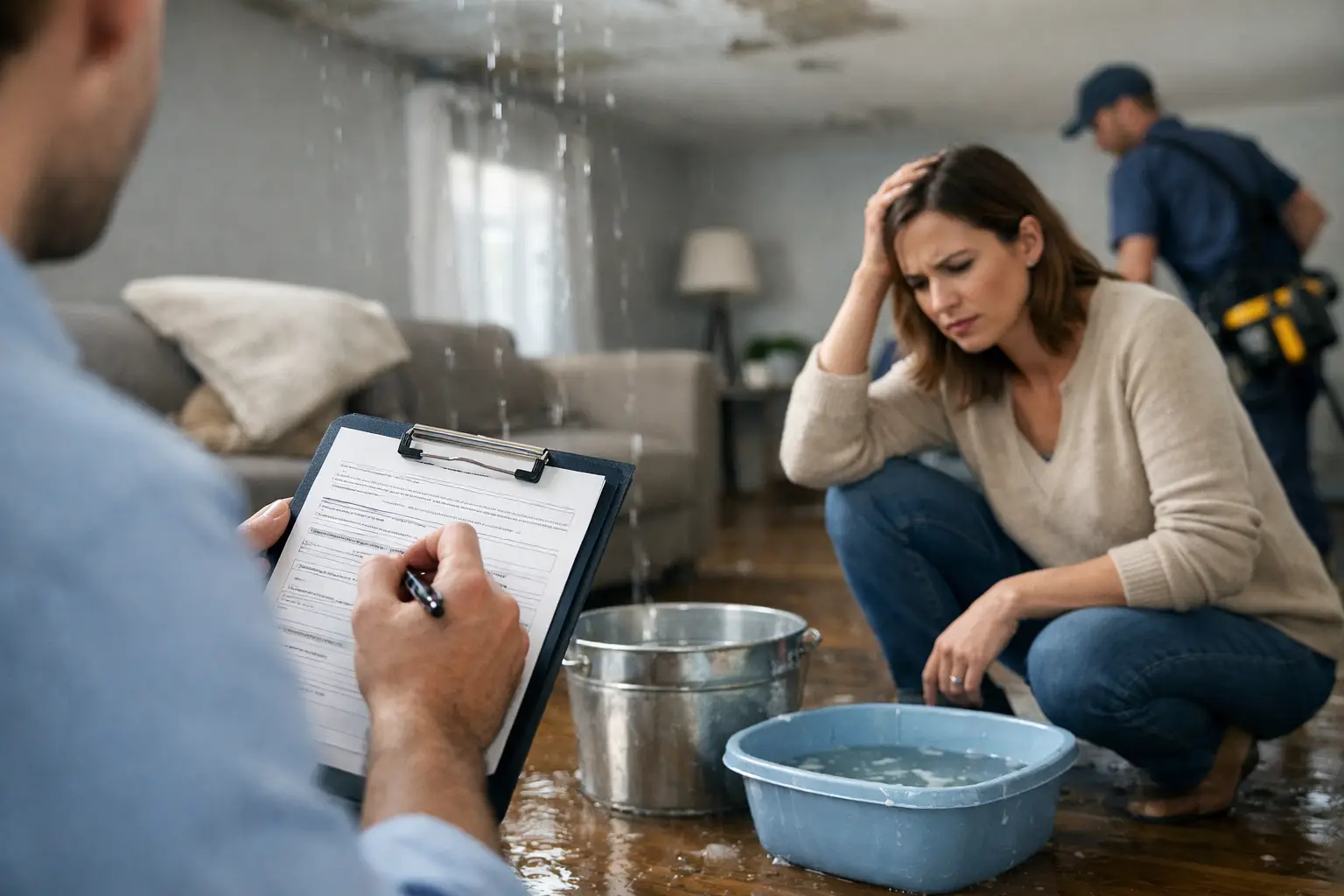
A pipe bursts on the second floor at 2:00 a.m. By sunrise, water has moved through drywall, under flooring, and into the unit below. In that moment, the difference between water extraction vs water mitigation is not technical wording - it is the difference between a contained loss and a growing operational problem.
For property managers, HOA boards, and commercial owners, these terms matter because they shape the response plan, the scope of work, and the timeline back to occupancy. They are related, but they are not interchangeable. If you are coordinating an emergency vendor, documenting a claim, or trying to reduce vacancy days, knowing where extraction ends and mitigation begins helps you make better decisions under pressure.
Water extraction vs water mitigation: what is the difference?
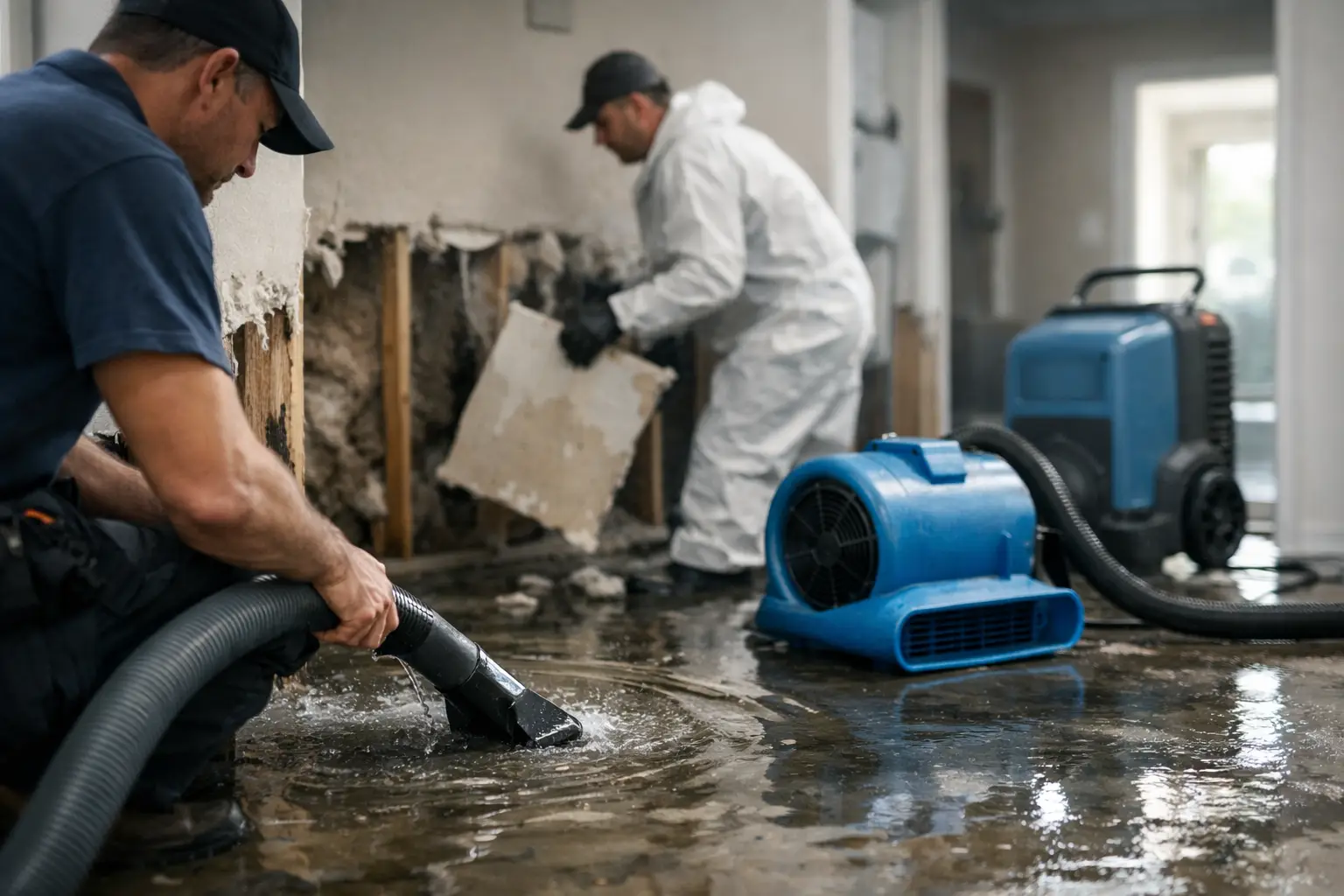
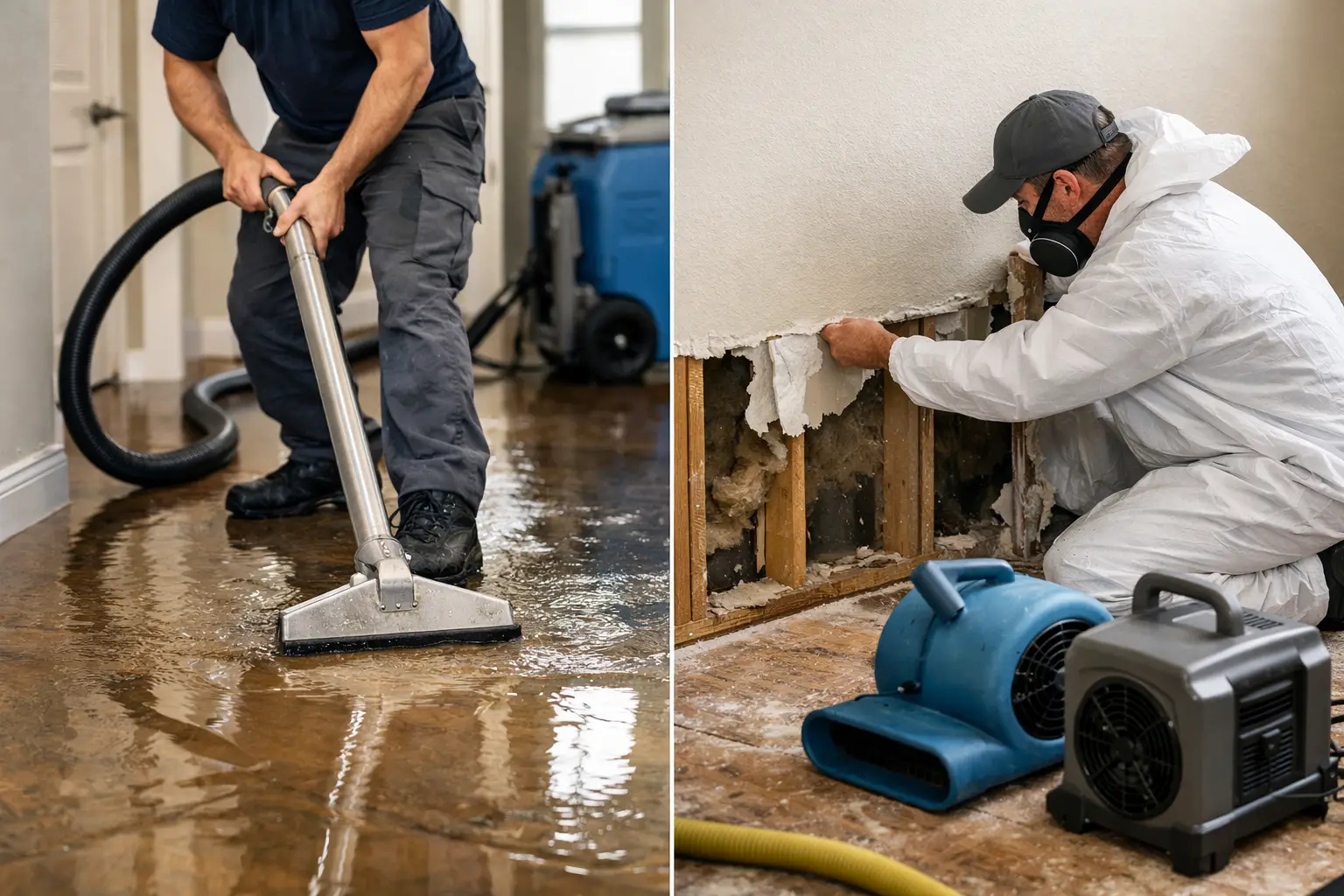
Water extraction is the removal of standing or excess water from the affected area. This is the immediate, physical step of getting water out of carpets, hard surfaces, subfloors, and other impacted spaces using pumps, vacuums, and specialized equipment.
Water mitigation is the broader process of limiting further damage after a water event. It can include water extraction, but it also covers moisture mapping, controlled demolition, drying, dehumidification, sanitation, material stabilization, and preventive measures that stop the loss from spreading.
A simple way to look at it is this: extraction removes the water you can see, while mitigation addresses the damage you can and cannot see. One is a task. The other is a strategy.
That distinction matters in multi-unit properties because visible water is rarely the full story. Moisture travels behind baseboards, into insulation, through shared walls, and across slab or wood framing assemblies. If the response stops at extraction, the building may still be carrying hidden moisture that leads to odor, microbial growth, material failure, and more extensive repairs later.
Why water extraction alone is rarely enough
In smaller incidents, extraction may solve most of the problem. A minor appliance overflow caught quickly on a sealed surface is different from a supply line break that sits overnight. But in most professional property settings, especially in occupied or multi-unit buildings, extraction is only the first move.
Water follows paths of least resistance. It can wick up drywall, settle into padding, move under vinyl planks, and affect neighboring units before the source is even shut off. That means a property can look better after extraction while still holding enough trapped moisture to cause swelling, staining, delamination, or air quality concerns.
Mitigation is what closes that gap. It is the process that determines what got wet, what can be saved, what needs to be removed, and how to dry the structure to an acceptable standard. For asset protection, that is where the real risk management happens.
What water extraction typically includes
Water extraction is usually the first on-site action once the area is safe to enter and the source of the water has been stopped. The goal is speed. The faster standing water is removed, the better the chance of reducing material loss and preventing damage from spreading.
In practice, extraction may include removing pooled water from floors, wet vacuuming carpets, pulling water from padding, and clearing moisture from affected common areas or units. In some losses, technicians may also move contents, lift carpet edges, or create access points to improve removal.
For property professionals, extraction is the part of the response that often feels most visible. Water is going out, equipment is coming in, and the site begins to look under control. That is valuable, but it should not be mistaken for a complete restoration plan.
What water mitigation typically includes
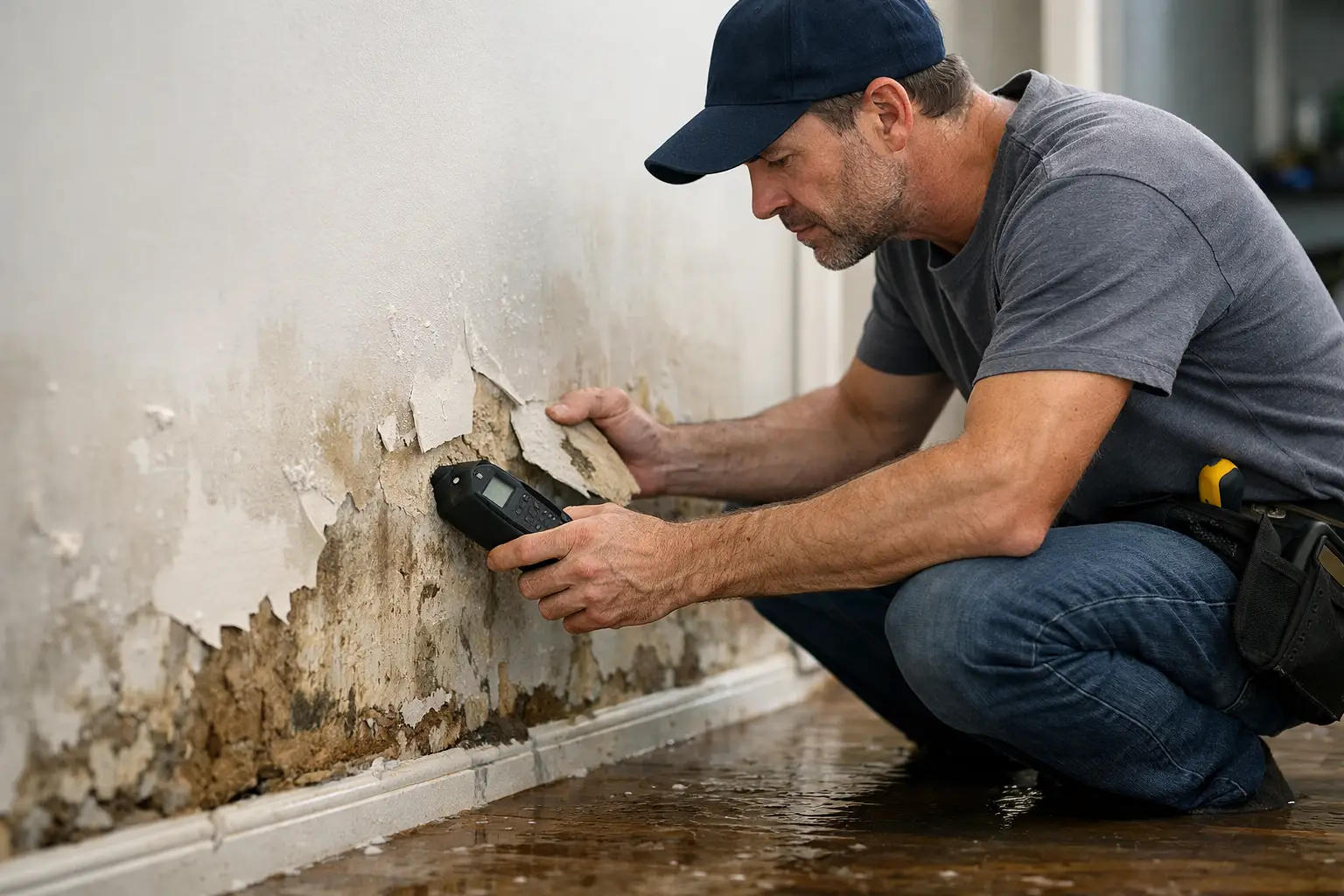
Water mitigation starts with assessment and continues through stabilization. After extraction, the next step is identifying the full extent of the affected area. This often involves moisture readings in walls, flooring systems, cabinetry, and adjoining rooms or units.
From there, mitigation may involve strategic demolition of unsalvageable materials, setting air movers and dehumidifiers, monitoring drying progress, treating affected surfaces, and documenting conditions for the ownership team and insurance file. In commercial and multi-unit settings, containment and tenant-impact control also become part of mitigation.
This is where experience matters. Over-drying a space can create its own issues, while under-drying leaves residual moisture behind. Removing too much material increases costs and downtime. Removing too little can lead to recurring problems. The right mitigation plan is not just fast - it is measured.
Water extraction vs water mitigation in insurance and documentation
Another reason the distinction matters is claims handling. Insurance carriers, adjusters, and ownership groups often need a clear record of what happened, what emergency services were performed, and what steps were taken to prevent additional damage.
Extraction is usually documented as an urgent response service. Mitigation provides the broader record of loss containment. That can include moisture logs, equipment records, photos, affected material documentation, and notes on containment or demolition. For a property manager trying to move quickly while staying organized, this documentation can reduce confusion and help support the claim process.
It also helps with internal accountability. If multiple units are involved, or if the incident affects vendors, tenants, and maintenance staff across a property, having a single, documented mitigation approach keeps communication cleaner and decision-making faster.
When property managers need both
Most serious water losses require both extraction and mitigation, and they need to happen in sequence without delay. A few common examples make this clearer.
If a domestic supply line fails in an upstairs unit, extraction removes the standing water, but mitigation is what addresses wet drywall, saturated insulation, affected subflooring, and moisture migration into the unit below.
If a roof leak enters during a storm, extraction may be limited because the water is dispersed rather than pooled. Mitigation becomes even more important because the damage may be spread across ceilings, wall cavities, and flooring materials.
If a common-area pipe break impacts hallways and multiple tenant spaces, extraction handles the immediate hazard, while mitigation supports drying, safety controls, tenant communication, and the transition into repairs.
In each case, extraction is necessary, but not sufficient. Mitigation is what protects the building from the second wave of damage.
The timeline matters more than the terminology
From an operations standpoint, the biggest risk is delay. Water damage changes by the hour. Materials absorb more moisture, odors become harder to control, and salvageability drops as time passes. Waiting until business hours or assuming in-house cleanup is enough can turn a manageable incident into a major restoration project.
That is why 24/7 emergency response is not just a convenience for property portfolios. It is part of loss control. The right response team should be able to extract water quickly, assess the full spread, stabilize the site, and coordinate the next phase without leaving the property manager to piece together multiple vendors.
For multi-unit and commercial properties, that single-source accountability has real value. It reduces handoff errors, keeps compliance clear, and shortens the path from emergency work to repairs and turnover readiness.
How to evaluate a vendor during a water loss
When a water emergency hits, the most useful question is not whether a company does extraction or mitigation. It is whether they can manage the full early-stage response professionally, document it properly, and transition into the repair work your property may need.
A trusted general contractor with water damage experience brings more than equipment. They bring coordination. That includes after-hours responsiveness, licensed and insured operations, clear site communication, and a practical understanding of how emergency services affect occupancy, habitability, and follow-up construction.
For professional managers, that is usually the difference between a vendor who removes water and a partner who protects the asset.
V&S Management Services Inc. works with property professionals who cannot afford confusion during emergencies. In that setting, water extraction is one part of the job. Mitigation is the larger responsibility - protecting structures, supporting documentation, and helping properties move toward safe, efficient recovery.
Choosing the right response after a water event
If you are dealing with water damage, do not get stuck on which term sounds more comprehensive. Ask what the building needs right now. If there is standing water, extraction needs to happen immediately. If materials have been exposed, moisture has migrated, or multiple areas are involved, mitigation needs to begin just as fast.
The best outcomes usually come from early action, clear documentation, and one accountable team that understands both emergency containment and the realities of property operations. When vacancy time, tenant impact, and asset protection are all on the line, that practical distinction matters far more than the wording.